
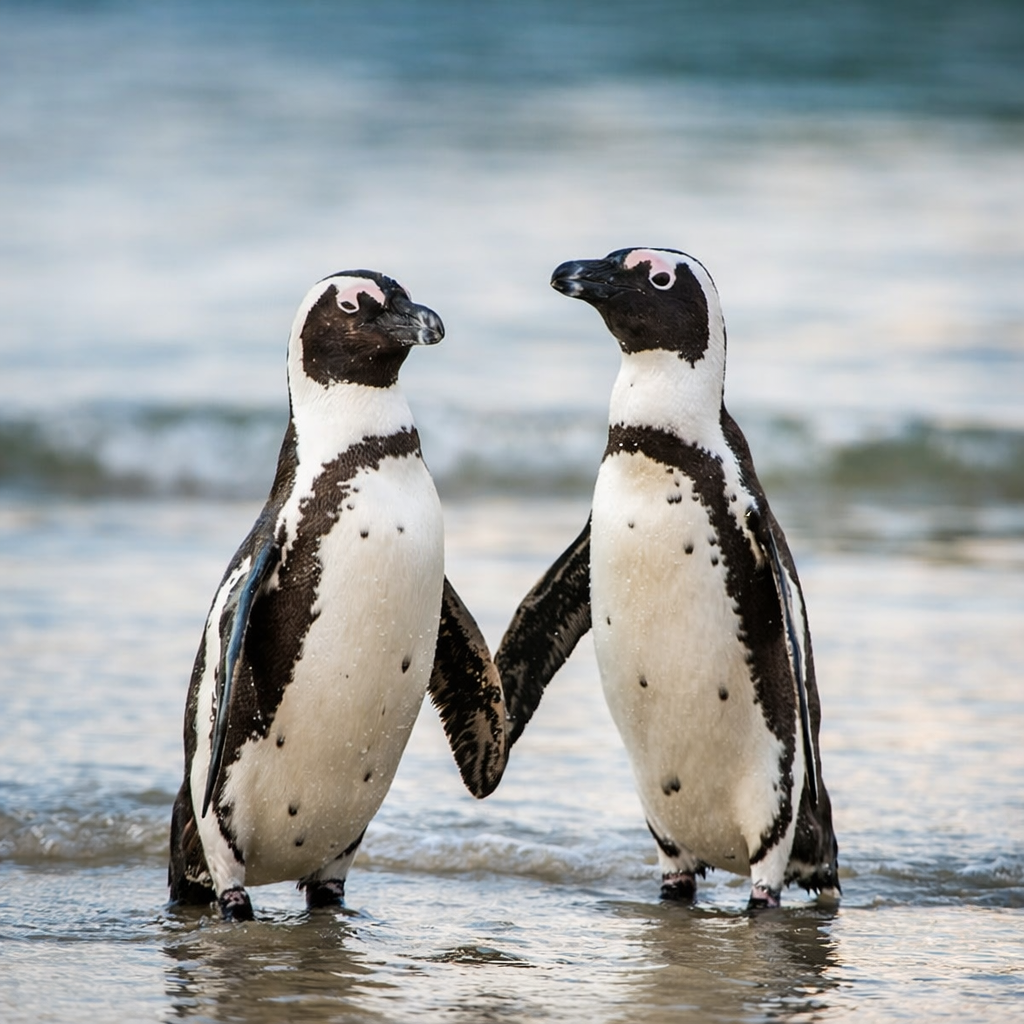



Ask whether Africa is safe for LGBTQ+ travellers and the most accurate answer is: Africa is not one destination.
It is a continent of many countries, communities, legal systems and vastly different social attitudes. An LGBTQ+ traveller spending a week between Cape Town and a private safari reserve in South Africa is travelling in a very different environment from someone visiting Tanzania, Uganda or Kenya.
Reducing all of that complexity to either “Africa is dangerous for gay travellers” or “you have nothing to worry about” does travellers a disservice.
At Mason & Wild, we think there are four separate questions to ask:
- What does the law say?
- What are local social attitudes?
- What is the actual experience within the tourism environment?
- Has your trip been designed with you in mind?
For the budget behind these choices, explore what safari costs actually include.
For a closer look at the main options, compare South Africa, Botswana, Tanzania and Zambia.
For the decisions behind a complete itinerary, read our complete safari planning guide.
Those answers are not always the same.
And that distinction matters.
First, Africa has LGBTQ+ communities too
There is sometimes an uncomfortable assumption in international travel conversations that LGBTQ+ people are somehow external to Africa.
They are not.
Queer Africans live in every part of the continent. LGBTQ+ communities, activists, families, organisations and social spaces exist across Africa, including in countries where the law remains restrictive.
Some of today's laws criminalising same-sex intimacy also have histories directly connected to European colonial legal systems. Kenya, for example, retains criminal provisions inherited from British colonial law.
Understanding that history is important because LGBTQ+ travel in Africa should not be discussed as if there are tolerant countries elsewhere in the world on one side and an inherently intolerant African continent on the other.
The reality is considerably more complicated.
It is also changing.
Botswana's courts struck down laws criminalising consensual same-sex intimacy in 2019, the decision was upheld on appeal in 2021, and in March 2026 the remaining discriminatory provisions were formally removed from the Penal Code. Mozambique decriminalised consensual same-sex intimacy through reforms that took effect in 2015. South Africa's Constitution explicitly protects against discrimination based on sexual orientation.
Progress is not uniform, but neither is Africa standing still.
The most important distinction: law versus lived travel experience
When researching LGBTQ+ travel, people often find a map showing which countries criminalise same-sex activity.
That information matters enormously.
But it cannot tell you everything about what travelling there will actually feel like.
Two countries can have similar laws and very different tourism environments. Two places within the same country can also feel completely different.
A private safari camp with twelve guests, experienced international management and highly trained staff is not the same social environment as a busy city centre.
Cape Town is not rural South Africa.
A safari lodge in the Serengeti is not downtown Dar es Salaam.
Maputo is not rural Mozambique.
Kigali is not every part of Rwanda.
This does not mean restrictive laws should be ignored because you are staying at an expensive hotel.
It means good travel planning needs more information than a legal map.
LGBTQ+ travel in Africa: the countries Mason & Wild works with
South Africa
For LGBTQ+ travellers wanting to explore Africa, South Africa has one of the continent's strongest legal frameworks.
Section 9 of the South African Constitution specifically prohibits unfair discrimination on the grounds of sexual orientation. South Africa introduced legal recognition for same-sex couples through the Civil Union Act in 2006.
Cape Town in particular has a visible LGBTQ+ community, queer nightlife and an established LGBTQ+ tourism sector.
In 2028, Cape Town will host WorldPride, the first WorldPride held on the African continent.
But legal protection does not mean discrimination has disappeared.
South Africa still experiences homophobia, transphobia and violence against LGBTQ+ people, and experiences vary substantially between communities and locations. South Africa's own Department of Justice continues to operate initiatives addressing gender and sexual-orientation-based violence.
For travellers, however, South Africa gives us an extraordinary range of possibilities.
Cape Town, the Winelands, the Garden Route and many of the country's leading private safari reserves can be combined into journeys where LGBTQ+ travellers should be treated as exactly what they are: travellers on holiday.
You should not have to spend your safari explaining your relationship.
Our view: An excellent starting point for LGBTQ+ travellers visiting Africa for the first time.
Sources: South African Constitution, section 9 · Civil Union Act · Department of Justice: LGBTI programmes · UK government: South Africa travel advice
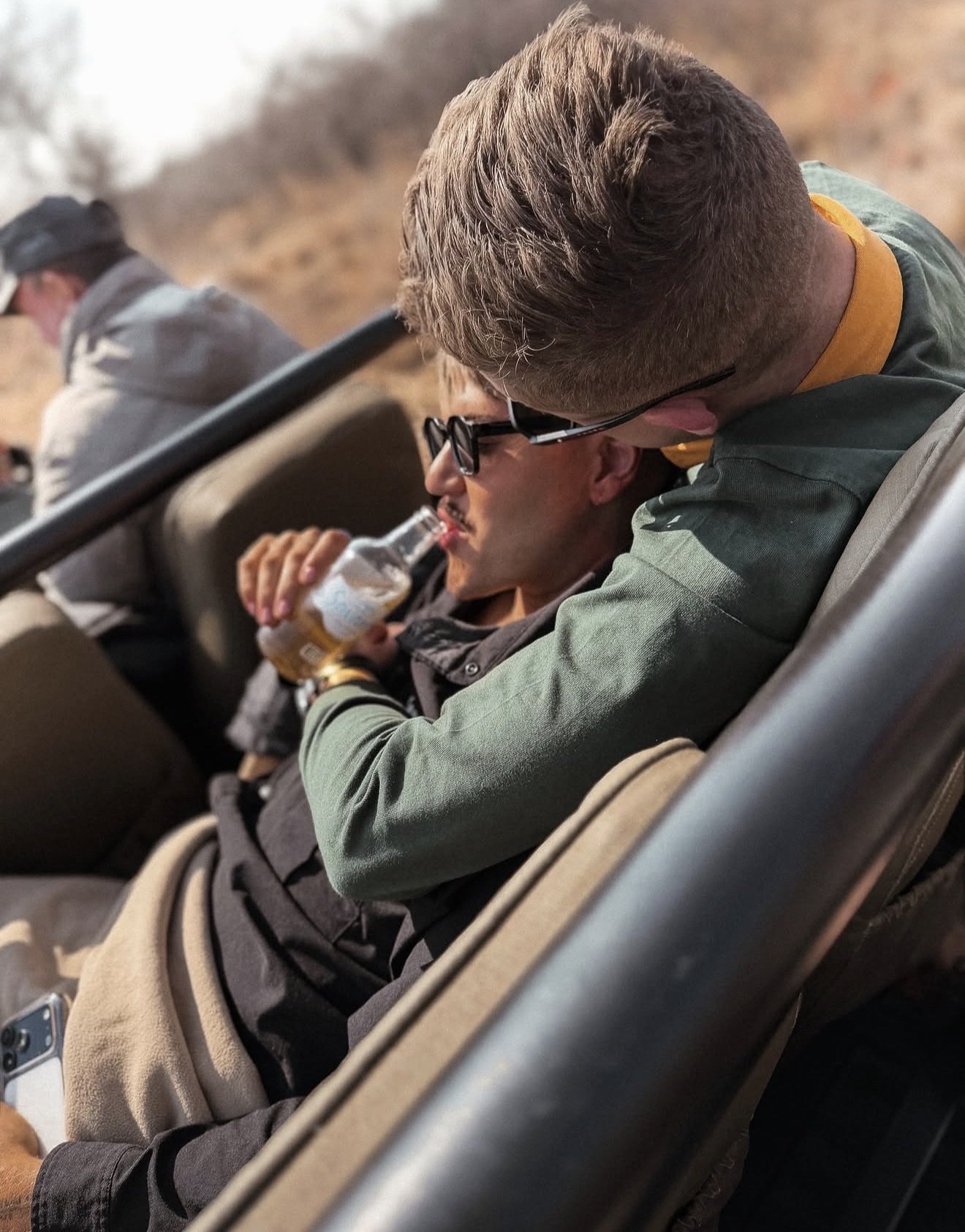
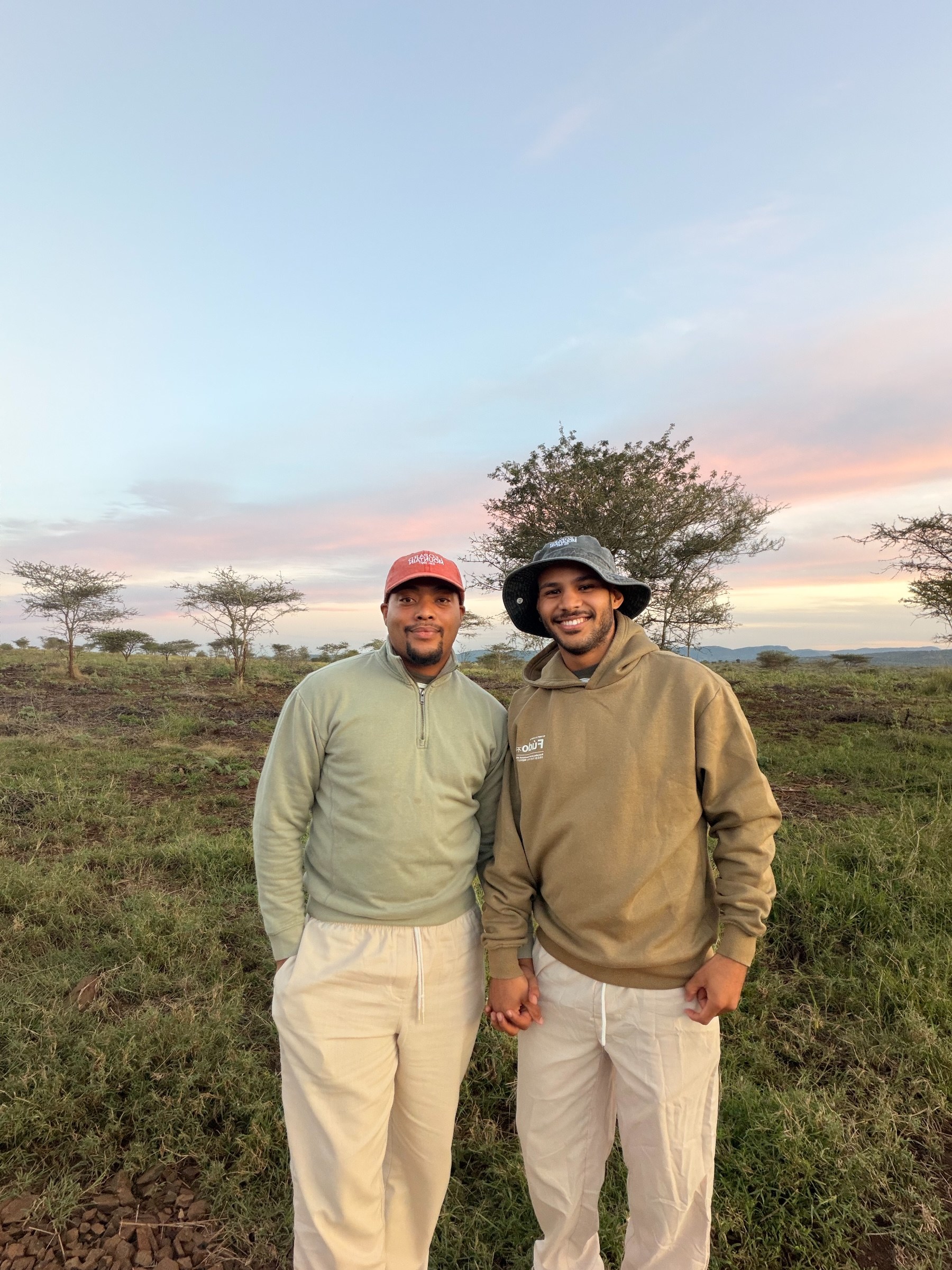
Together on safari in South Africa
Botswana
Botswana is one of Southern Africa's most important recent stories of legal change.
In 2019, Botswana's High Court ruled that laws criminalising consensual same-sex intimacy were unconstitutional. The Court of Appeal upheld the decision in 2021. In March 2026, the government formally removed the remaining discriminatory provisions from the Penal Code.
That does not mean public attitudes have transformed overnight.
Current travel guidance still notes that attitudes may be socially conservative and that public displays of affection can attract unwanted attention.
This is where the difference between legislation and travel experience becomes useful.
Much of Botswana's high-end safari industry operates in remote concessions and small camps in places such as the Okavango Delta, Moremi and the wider northern safari circuit.
For LGBTQ+ travellers who value wilderness, privacy and highly personalised service, Botswana can be an exceptional safari destination.
Our view: Legally progressive change combined with one of Africa's most private safari environments, although social attitudes remain more conservative than in destinations such as Cape Town.
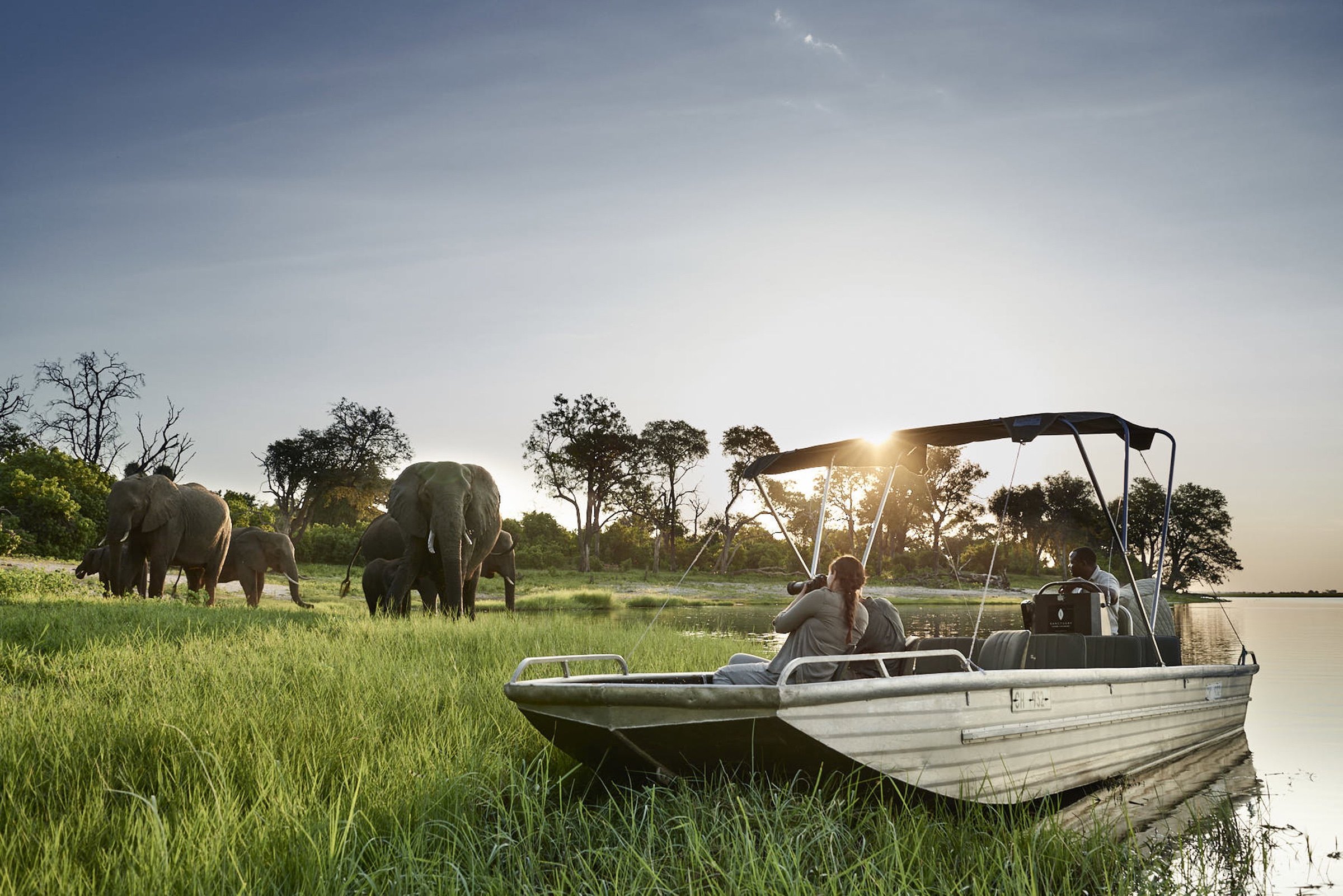
Chobe River, Botswana
Namibia
Namibia deserves a more nuanced explanation because its legal position has been evolving.
In June 2024, Namibia's High Court declared the common-law offences of sodomy and so-called “unnatural sexual offences” unconstitutional and invalid. The government subsequently appealed the ruling. Human Dignity Trust reported in June 2026 that the appeal was awaiting a Supreme Court hearing. Its latest case information continues to record the appeal. Meanwhile, current UK travel advice still describes certain same-sex sexual acts as illegal. These sources do not present the position in the same way, so travellers should obtain an up-to-date assessment before departure. Same-sex marriage is not available under Namibian domestic law, although a 2023 Supreme Court decision addressed recognition of certain same-sex marriages concluded outside Namibia for immigration purposes.
Social attitudes vary.
Current UK travel guidance advises that conservative attitudes remain, particularly in rural areas, and public affection may attract unwanted attention.
From a travel perspective, Namibia is also one of Africa's great self-drive and landscape destinations. Windhoek, Swakopmund, Sossusvlei, Damaraland, the Skeleton Coast and Etosha can feel very different from one another.
Good itinerary design matters here because travellers may interact with far more public environments than they would on a fly-in Botswana safari.
Our view: A rewarding destination for LGBTQ+ travellers, but one where understanding the current legal position and exercising situational awareness remain important.
Sources: Human Dignity Trust: Namibia case and appeal · Friedel Dausab’s June 2026 update · UK government: Namibia travel advice · 2023 Supreme Court immigration judgment
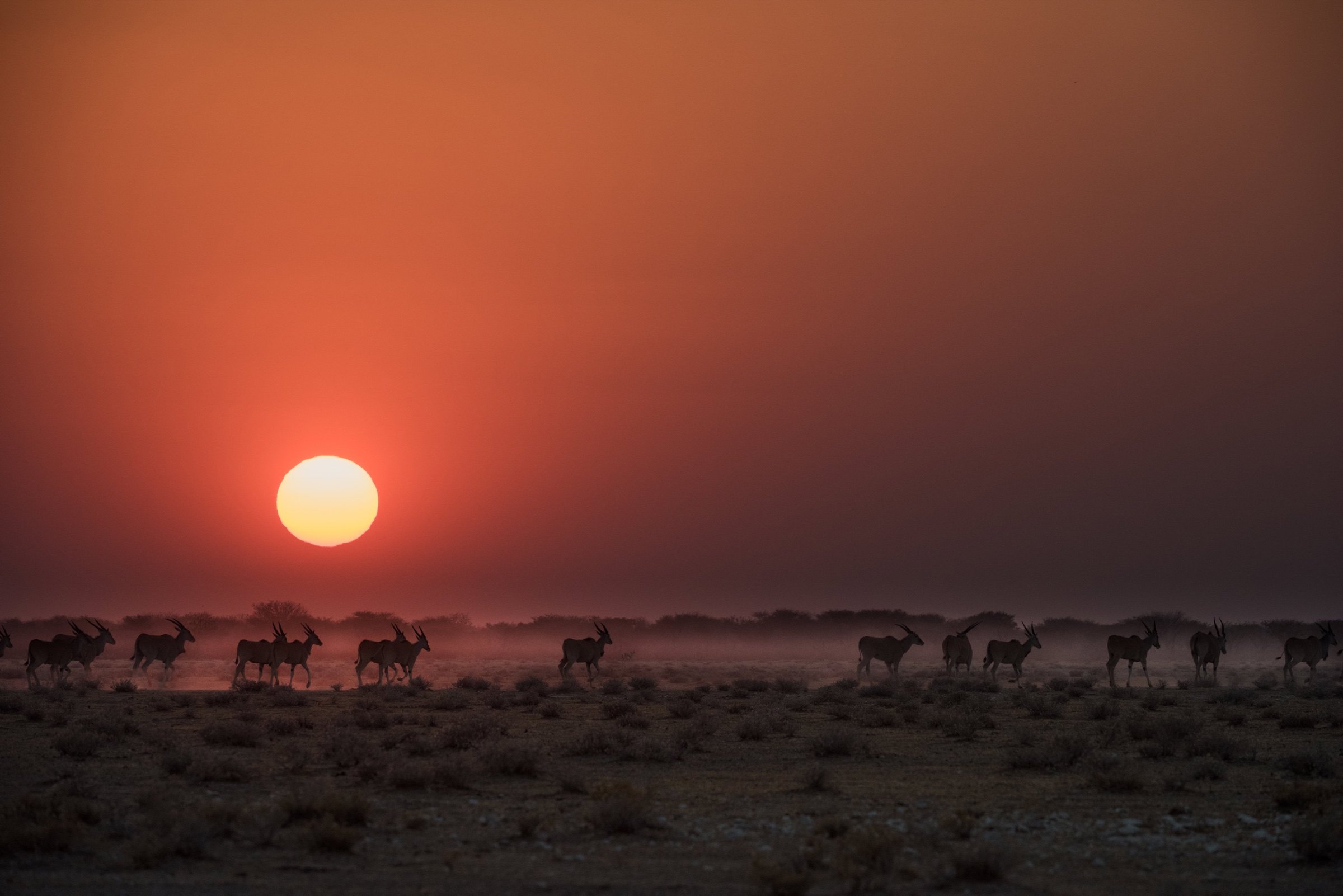
Etosha, Namibia
Mozambique
Mozambique is frequently overlooked in conversations about LGBTQ+ travel in Africa.
Consensual same-sex sexual activity is not illegal. Mozambique's revised Penal Code, which took effect in 2015, removed colonial-era provisions affecting consensual same-sex intimacy.
That does not mean Mozambique has complete LGBTQ+ equality.
Social attitudes can be conservative, particularly away from Maputo and established tourism areas. Current travel advice notes that attitudes in Maputo tend to be more liberal than in more remote areas.
For travellers, Mozambique offers something particularly interesting: it can combine beautifully with a Southern African safari.
Vilanculos, the Bazaruto Archipelago and other Indian Ocean destinations provide the classic safari-and-beach combination without leaving the African continent.
And Mozambique's conservation story extends beyond the coast. Gorongosa National Park's wildlife recovery is one of Africa's remarkable modern conservation stories.
Our view: One of Southern Africa's most interesting options for LGBTQ+ travellers seeking beach, conservation and a less conventional itinerary.
Sources: Human Dignity Trust: history of decriminalisation · UK government: Mozambique travel advice
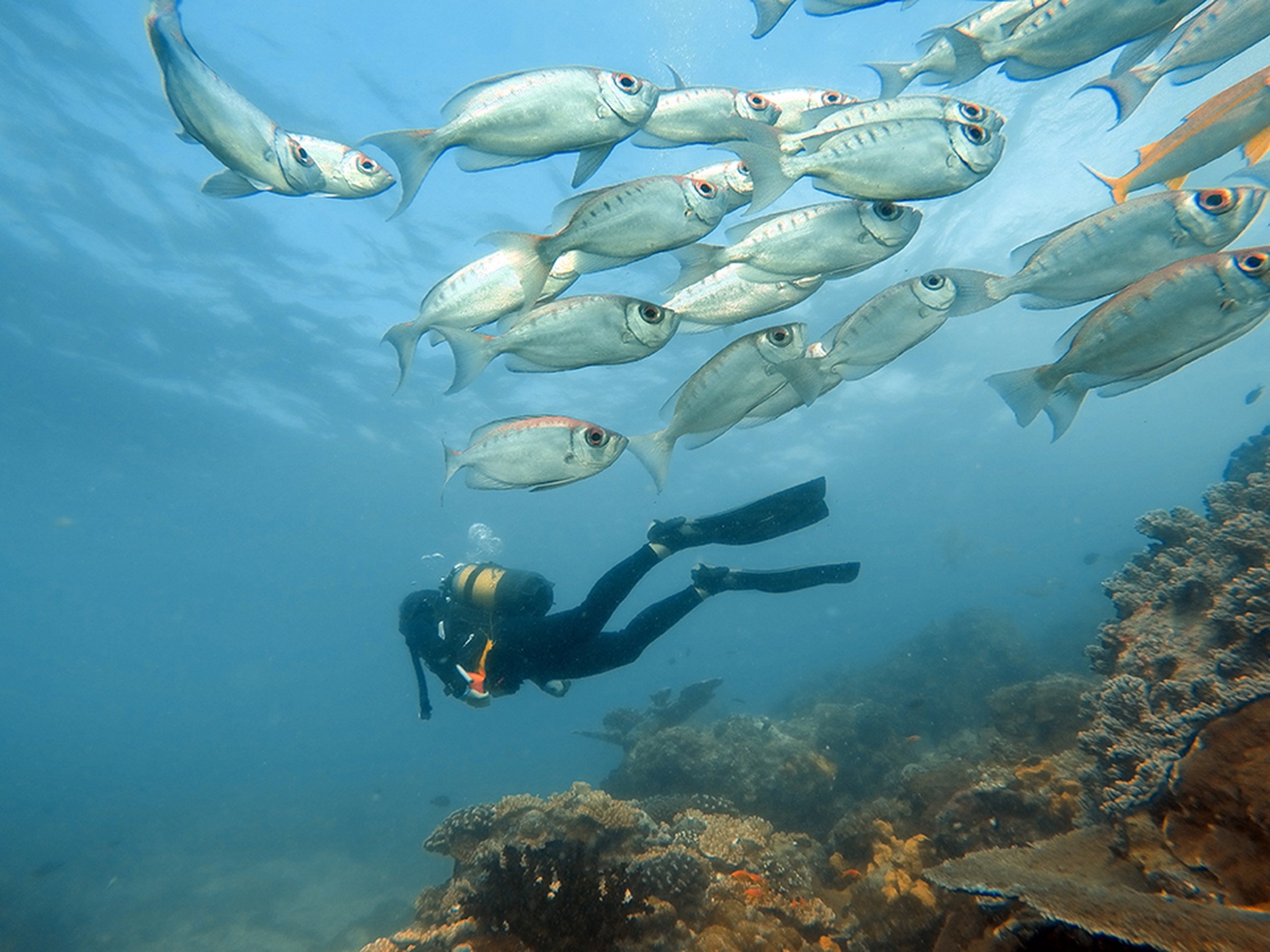
Beneath the Indian Ocean, Mozambique
Zambia
Zambia requires a different conversation.
Same-sex sexual activity remains illegal, with significant criminal penalties.
That legal reality should never be hidden behind phrases such as “don't worry, tourists are fine.”
At the same time, Zambia has one of Africa's finest safari industries.
South Luangwa is one of the spiritual homes of the walking safari. The Lower Zambezi combines river and land-based safari experiences. Victoria Falls provides an obvious connection with neighbouring Zimbabwe.
A professionally hosted safari does not exempt visitors from Zambia's law. A positive account from another traveller cannot establish that your own journey will be free of risk.
For us, the responsibility of a travel specialist is not to make the decision on behalf of the traveller.
It is to explain the reality clearly enough that the traveller can make an informed decision.
Our view: A phenomenal safari destination, but LGBTQ+ travellers should understand the legal environment before choosing to visit.
Sources: UK government: Zambia travel advice
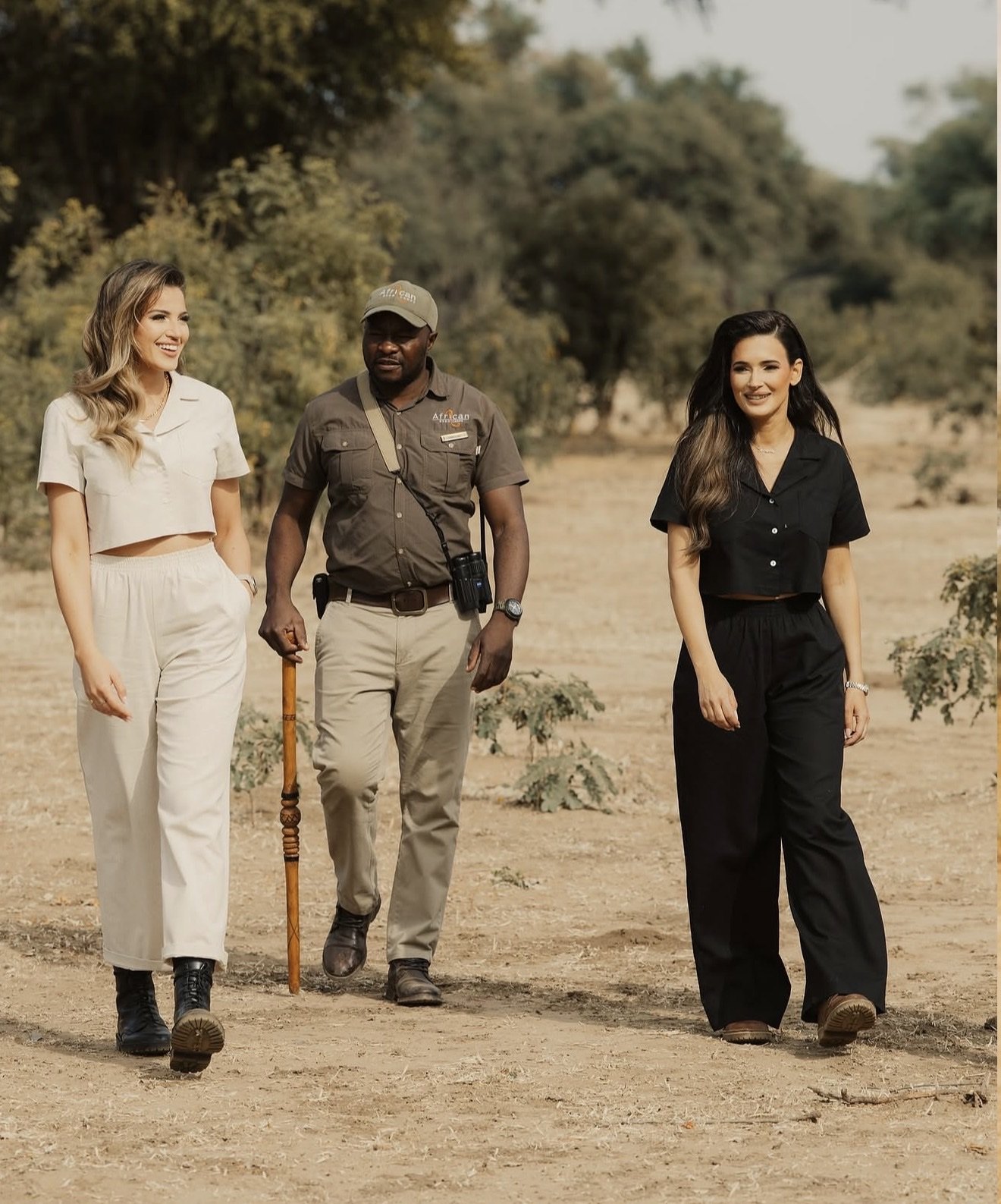
Walking safari, Zambia
Zimbabwe
Zimbabwe also requires nuance.
Sex between men remains illegal, while the country's broader social environment is generally conservative towards same-sex relationships. Current travel advice notes that prosecutions are rare but that public displays of affection can attract unwanted attention.
For safari travellers, Zimbabwe offers some of the best guiding on the continent.
Hwange National Park, Mana Pools and Victoria Falls are extraordinary destinations, and the country's professional guiding tradition is one of the reasons experienced safari travellers return.
Again, the question should not be reduced to whether a luxury lodge will accept a booking from two men or two women.
That is too low a standard.
The better questions are whether guests will be treated naturally, whether staff understand their relationship and whether the itinerary has been designed with the appropriate local context in mind.
Our view: An exceptional safari destination where LGBTQ+ travellers should travel informed and where supplier selection matters.
Tanzania
Tanzania is home to some of Africa's most extraordinary wildlife experiences.
The Serengeti.
Ngorongoro Crater.
Tarangire.
The Great Migration.
And Zanzibar.
It is also a country where same-sex sexual activity remains illegal for both men and women. Current travel advice specifically warns that same-sex relationships are not widely tolerated and that public displays of affection can have serious consequences.
This needs to be said clearly.
It is entirely possible for an LGBTQ+ traveller to have a remarkable safari experience in Tanzania, but that does not make the law irrelevant.
This is one destination where lodge selection, guides, transfers and briefing become particularly important.
Mason & Wild does not believe the solution is to tell LGBTQ+ travellers to pretend to be something they are not.
We do believe travellers should understand where they are, how the law works and what behaviour may carry additional risk.
Our view: One of Africa's greatest safari destinations, but LGBTQ+ travellers should make an informed choice and understand the legal environment before travelling.
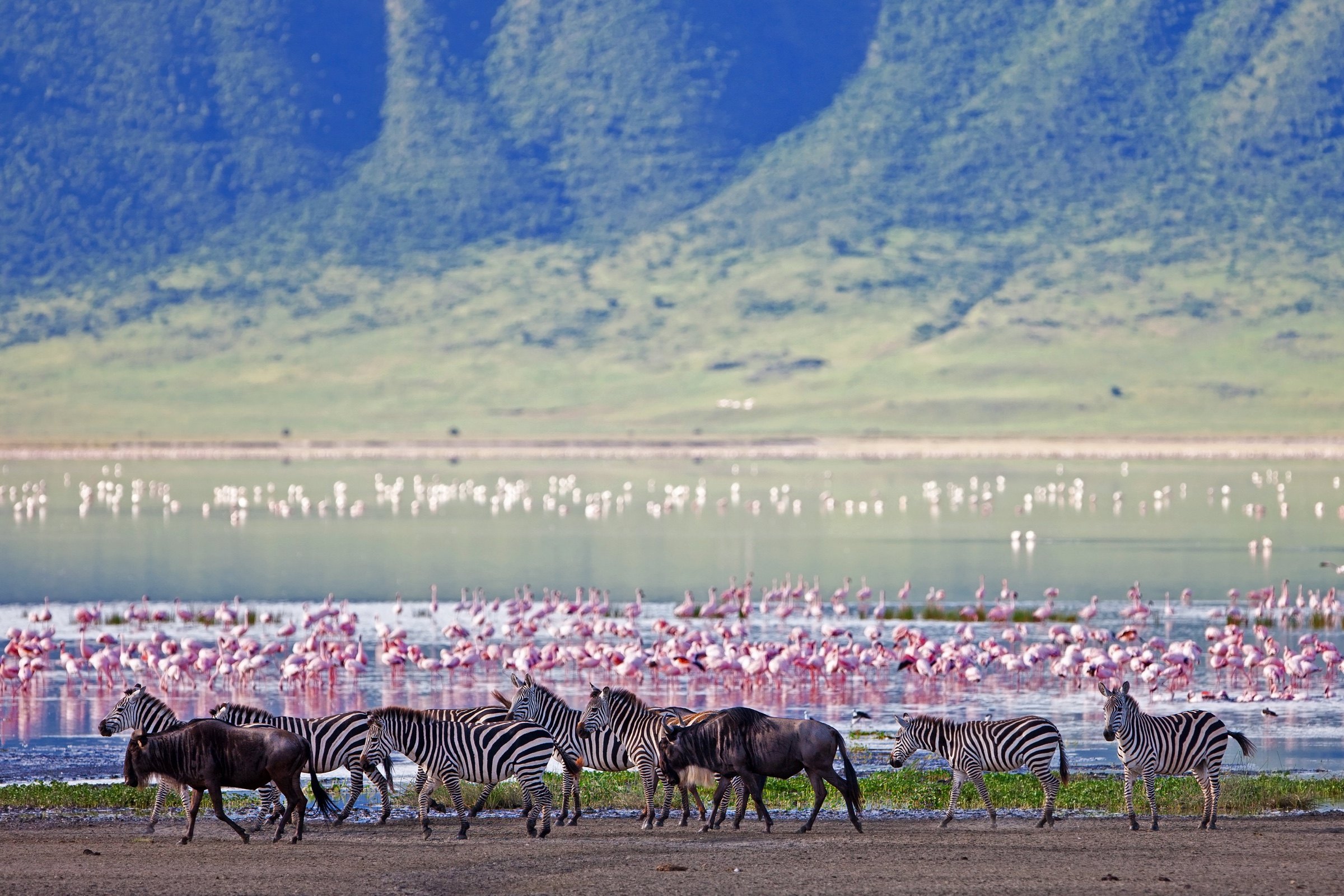
Ngorongoro Crater, Tanzania
Kenya
Kenya remains another legally complex destination.
Same-sex sexual activity between men remains criminalised under provisions of the Penal Code. The provisions have faced constitutional challenges. Travellers should check for new judgments before departure rather than assume that a court challenge has changed the law.
Kenya simultaneously has one of the continent's largest and most sophisticated tourism industries.
The Maasai Mara, Laikipia, Samburu and the Kenyan coast attract travellers from around the world.
This creates the same distinction we see elsewhere: a traveller's experience within a professionally managed safari operation may be very different from the country's broader legal framework.
That difference should be understood, not used to pretend the law does not exist.
Our view: A world-class safari destination where LGBTQ+ travellers need clear pre-travel guidance and carefully selected partners.
Rwanda
Consensual same-sex sexual activity is not illegal in Rwanda.
However, social stigma and discrimination continue to be reported, and public attitudes may be considerably more conservative than the legal position alone suggests.
For travellers, Rwanda is particularly associated with gorilla trekking, Kigali and high-value conservation tourism.
The tourism infrastructure serving international travellers is highly organised, but once again, good planning means understanding both the formal law and the social environment.
Our view: Legally distinct from many East African neighbours and an important option for travellers interested in primates and conservation, while social discretion remains sensible.
Sources: UK government: Rwanda travel advice
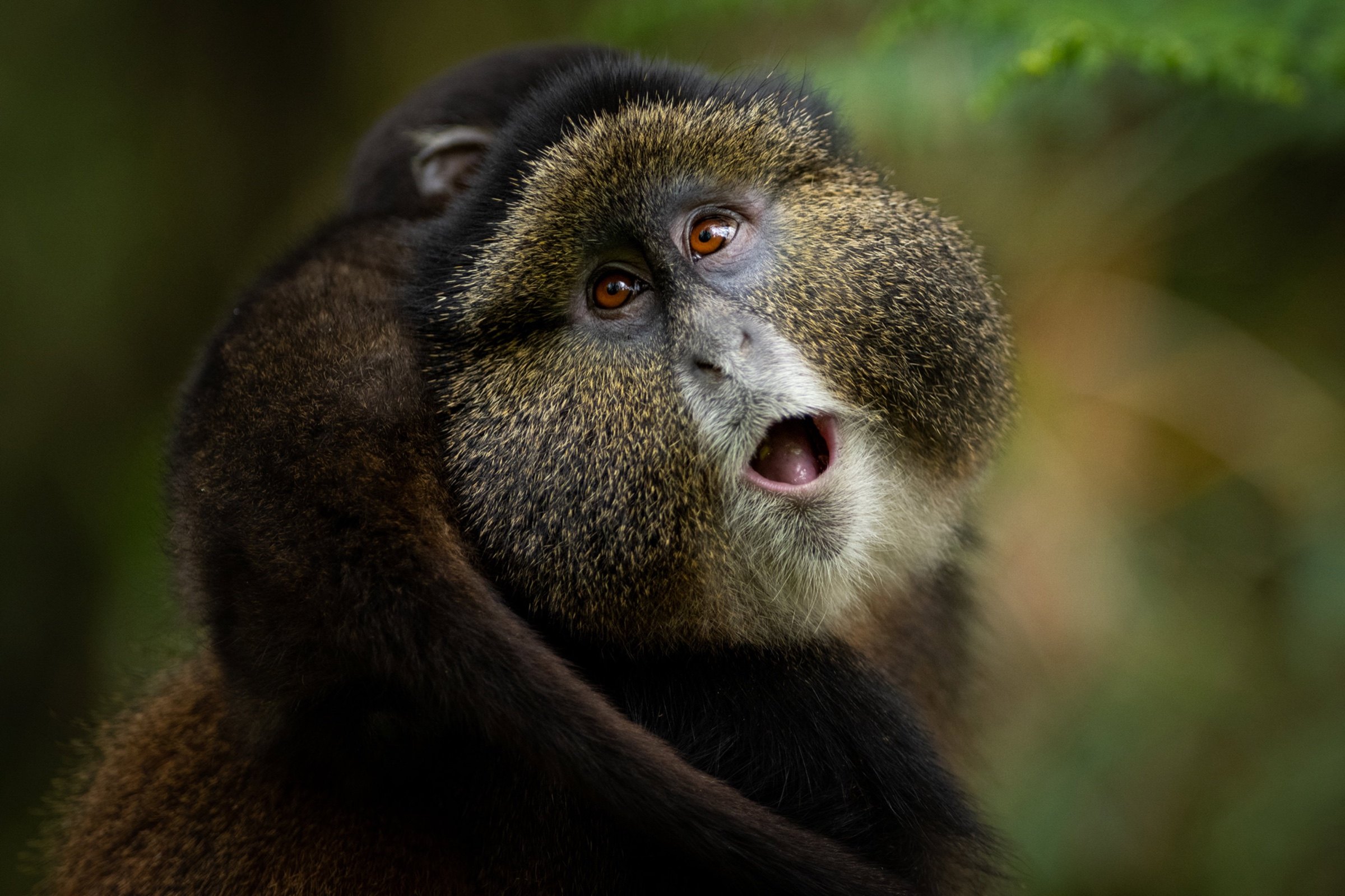
Golden monkeys, Rwanda
Uganda
Uganda requires the clearest warning in this guide.
The Anti-Homosexuality Act 2023 significantly expanded the country's criminal penalties concerning same-sex sexual activity and related offences. Same-sex sexual activity is illegal, and the legislation includes extremely severe penalties, including the death penalty for certain offences classified as “aggravated homosexuality.” The law also contains offences related to the promotion or support of homosexuality.
This cannot responsibly be softened because Uganda also offers exceptional gorilla and chimpanzee trekking.
For LGBTQ+ travellers considering Uganda, we believe the destination requires a significantly higher level of informed consideration.
A welcoming lodge does not cancel national law.
A friendly guide does not cancel national law.
And an LGBTQ+ traveller's successful holiday there does not prove another traveller will face no risk.
Our view: Uganda offers extraordinary wildlife experiences, but its current legal environment creates serious concerns for LGBTQ+ travellers. Anyone considering travel should review current government travel advice and make a fully informed decision.
Sources: UK government: Uganda travel advice
If you are still choosing a country, start with our guide to your first safari destination.
So, can LGBTQ+ travellers go on safari?
Absolutely.
And this is where some discussions about LGBTQ+ travel in Africa become unnecessarily frightening.
A safari is a very particular type of travel.
You might fly from Cape Town to a small airstrip, be met by your guide, spend four nights in a camp with perhaps eight to twenty other guests, eat meals around a shared table and spend your days watching wildlife.
The experience is often intimate, highly hosted and carefully managed.
But the right question is not:
“Does this lodge accept gay guests?”
In 2026, that should be a baseline expectation from any serious international luxury property.
We ask more useful questions.
Has the property hosted LGBTQ+ honeymooners before?
If two men book a honeymoon, will the honeymoon setup actually be waiting for two men when they arrive?
Will two women who request one bed receive one bed, or will somebody quietly change the reservation to twins?
Does management understand the difference between sexual orientation and gender identity?
If the guests want their relationship acknowledged, has that been communicated to the guide with their consent?
If an anniversary has been mentioned, will the lodge celebrate it naturally?
Does the property know how to handle privacy?
What will happen if there is a cultural or legal consideration the guest genuinely needs to know?
These details tell us much more than a rainbow logo on a website.
“Gay-friendly” is not enough
The travel industry uses the phrase gay-friendly far too casually.
A hotel displaying a rainbow during Pride month tells us very little about how an LGBTQ+ guest will actually be treated.
For Mason & Wild, inclusivity is operational.
It is in the reservation notes.
It is in room configuration.
It is in how a honeymoon is recognised.
It is in how a guide speaks to guests.
It is in whether the person arranging the journey understands local laws.
It is in choosing the correct lodge in the first place.
And it is in knowing when a traveller genuinely needs advice rather than being told, “You'll be fine.”
Property inspection
A first-hand look at a property’s rooms and outdoor spaces. Inspecting a property is one part of assessing its suitability; the footage alone does not establish its LGBTQ+ hosting standards.
What about public displays of affection?
This is one of the most common questions we receive.
There is no single rule for Africa.
In Cape Town, LGBTQ+ couples may feel comfortable behaving much as they would in other cosmopolitan international cities.
Elsewhere, particularly in countries where same-sex activity remains illegal or where attitudes are socially conservative, greater discretion may be sensible or legally necessary.
There is also cultural context beyond LGBTQ+ identity.
Public affection between heterosexual couples can be less common in some African communities than visitors might expect.
The key is not to travel in fear.
It is to know the environment you are entering.
Should you tell your safari lodge that you are LGBTQ+?
You should not have to announce your sexuality to receive professional service.
But your travel specialist may need to communicate relevant preferences.
If you are celebrating your honeymoon, we want the lodge to know it is your honeymoon.
If you want one king bed, we want the lodge to confirm one king bed.
If you are celebrating an anniversary, we want it treated as an anniversary.
If privacy is particularly important to you, we want to know that too.
Only information you agree to share should be passed to suppliers. Confirm what will be shared, with whom and for what purpose.
The goal is not to place a label on the booking.
The goal is to remove unnecessary surprises.
What about transgender and non-binary travellers?
LGBTQ+ travel is not only about same-sex couples.
Transgender, non-binary and gender-diverse travellers can face a different set of considerations, particularly around passports, border processes, airport security, rooming, local gender norms and access to appropriate healthcare.
These issues vary dramatically between countries.
For any international journey, the name and identifying information used for flights should match the traveller's travel documents. Where gender presentation or documentation may create additional considerations at a particular border, travellers should receive destination-specific advice before departure.
This is another reason we resist treating “LGBTQ+ travel” as a single experience.
A gay man's experience, a lesbian traveller's experience and a transgender traveller's experience can be very different.
Good travel planning needs to recognise that.
Read the UK government’s LGBT+ travel guidance and seek current advice relevant to your passport, destination and healthcare needs.
Do you need an LGBTQ+ travel specialist for Africa?
Not necessarily.
You need a good African travel specialist who understands LGBTQ+ travellers.
There is a difference.
The most important expertise is still African travel expertise.
Your specialist needs to know which lodge is actually good.
Which guide is excellent.
Whether four nights should be spent in one reserve or split between two.
Whether the flight connection makes sense.
Whether the migration is likely to be in the area you are visiting.
Whether the beautiful hotel on Instagram is in the wrong location.
Then LGBTQ+ awareness needs to sit on top of that expertise.
Because being inclusive while designing a bad safari is not particularly useful.
At Mason & Wild, our job is to bring those two disciplines together.
Meet Zannon James, founder and African travel specialist, or explore Mason & Wild’s journeys as a starting point for your own itinerary.
WorldPride 2028 changes the conversation
In 2028, Cape Town will become the first African city to host WorldPride.
That matters far beyond one festival.
Thousands of LGBTQ+ travellers will arrive in South Africa and many will naturally ask:
What else can I see while I am in Africa?
That could mean a South African safari.
Botswana's Okavango Delta.
Victoria Falls.
Namibia.
Mozambique.
The Serengeti.
Gorilla trekking.
Or a longer journey combining several regions.
WorldPride does not mean every LGBTQ+ legal issue across Africa will suddenly disappear.
But it creates an opportunity for a different conversation about LGBTQ+ travel on the continent.
One based not only on risk, but on access.
Not only on legislation, but on experience.
Not only on where LGBTQ+ travellers should supposedly avoid, but on how they can explore Africa intelligently, safely and meaningfully.
And perhaps most importantly, one that includes African LGBTQ+ voices in a conversation that has too often spoken about the continent from the outside.
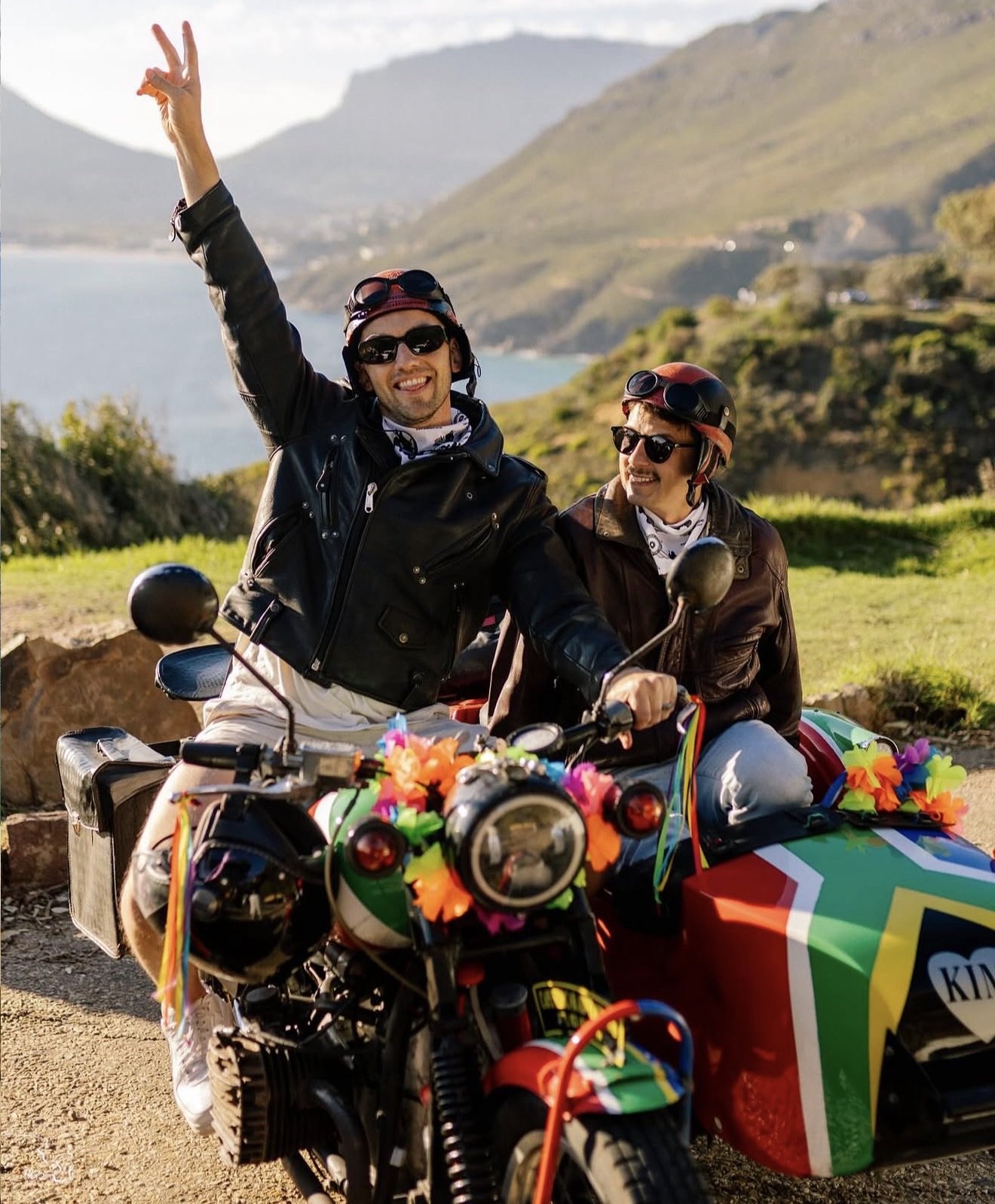
Exploring Cape Town
Event source: WorldPride Cape Town 2028, InterPride
Our advice to LGBTQ+ travellers considering Africa
Do not assume Africa is unsafe because you are LGBTQ+.
Do not assume every country is the same.
And do not ignore restrictive laws simply because somebody on the internet says they travelled there without a problem.
Instead:
- Understand the law.
- Understand the social context.
- Choose the right destination.
- Choose the right properties.
- Use experienced people on the ground.
- Ask specific questions.
- Make an informed decision about what feels right for you.
Africa is too large, too diverse and too extraordinary to be reduced to one headline.
The right journey is the one where you understand where you are going and can focus on why you came in the first place:
to experience Africa.
Travel information and updates
Last reviewed: 11 October 2026. Laws, judgments and official travel advice can change. This article provides travel information, not legal advice. Travellers should check the current official travel advice issued by their own government before departure. A welcoming property cannot override national law or guarantee a traveller’s safety.
Frequently Asked Questions
Is Africa safe for LGBTQ+ travellers?
There is no continent-wide answer. LGBTQ+ rights, laws and social attitudes vary substantially between African countries. South Africa offers extensive constitutional protection, while countries including Tanzania, Zambia, Kenya and Uganda retain laws criminalising same-sex activity. The correct approach is to assess each destination individually.
What is the best African country for LGBTQ+ travellers?
For many first-time visitors, South Africa is the easiest starting point because of its legal protections, established LGBTQ+ communities and ability to combine Cape Town, the Winelands and safari within one country. Botswana, Namibia and Mozambique can also work extremely well depending on the traveller and itinerary.
Is South Africa LGBTQ+ friendly?
South Africa prohibits unfair discrimination based on sexual orientation in its Constitution and legally recognises same-sex unions. Cape Town has a particularly visible LGBTQ+ community. Social experiences still vary across the country, however, and discrimination has not disappeared.
Is Botswana safe for gay travellers?
Consensual same-sex intimacy is legal in Botswana. The old criminal provisions were struck down by the courts and formally removed from the Penal Code in 2026. Social attitudes can still be conservative, particularly regarding public affection.
Can gay couples go on safari?
Yes. LGBTQ+ travellers safari throughout Africa. The important factors are the country's laws, the properties selected, the tourism environment and how the journey is planned.
Can LGBTQ+ travellers visit Tanzania?
They can travel to Tanzania, but they should understand that same-sex sexual activity is illegal and public displays of same-sex affection can carry legal risk. Travellers should review current official travel advice before departure.
Can LGBTQ+ travellers visit Kenya?
Kenya has an established international safari industry, but same-sex sexual activity between men remains criminalised. Travellers should understand the legal environment and seek current destination-specific advice before travelling.
What African countries have decriminalised same-sex relationships?
The legal distinction concerns consensual sexual activity, rather than simply identifying as LGBTQ+. Among the destinations discussed here, consensual same-sex intimacy is legal in South Africa, Botswana, Mozambique and Rwanda. Namibia's position has been subject to significant recent court proceedings and should be checked against current advice when planning travel. Laws can change, so travellers should always verify the current position before departure.