
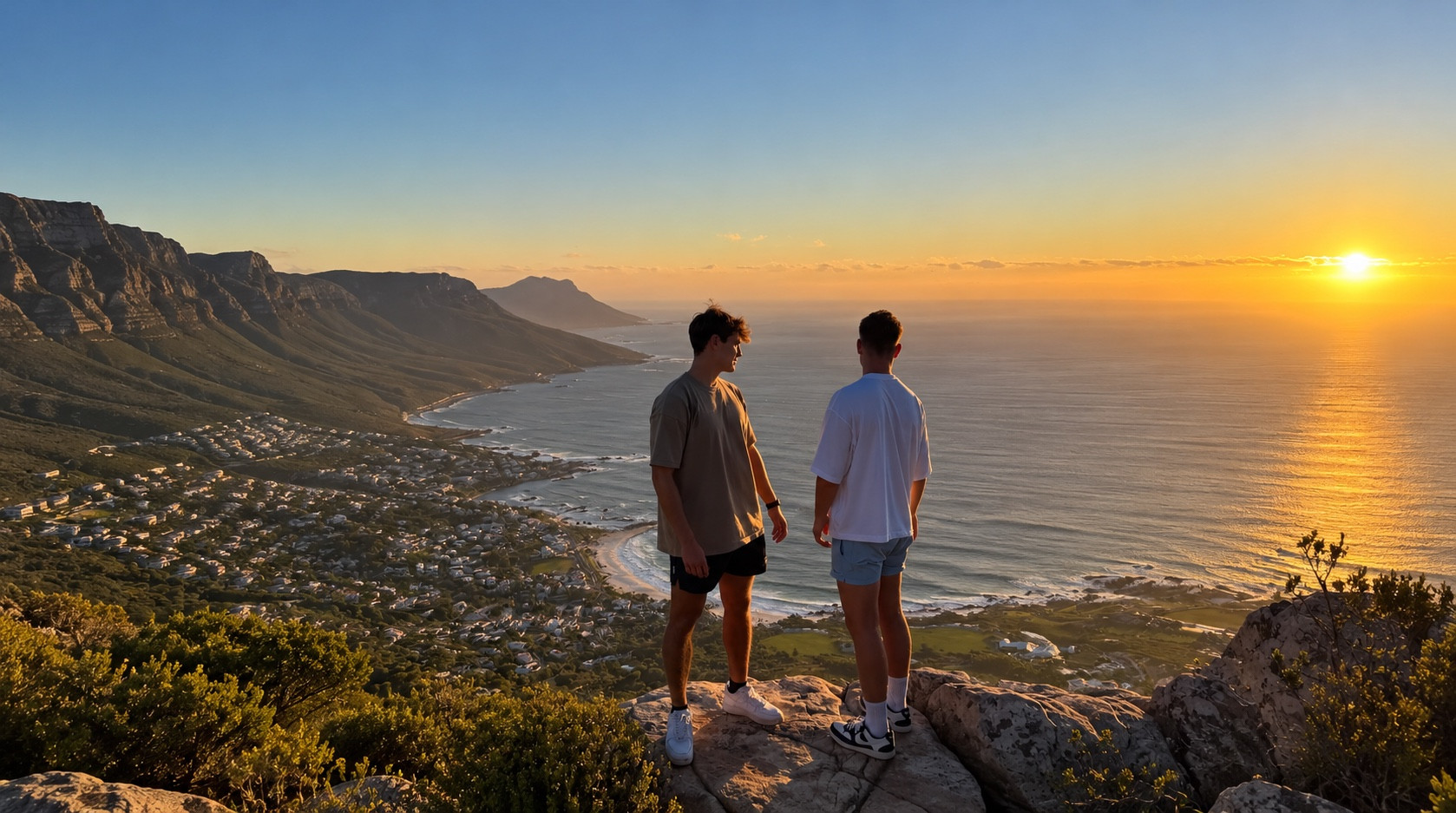
Two men overlooking Cape Town’s Atlantic coastline together at sunset.

South Africa · LGBTQ+ Travel Intelligence

LGBTQ+ Travel in South Africa

Cape Town, safari, the Winelands and what LGBTQ+ travellers should actually know before planning South Africa.

A considered starting point

South Africa is one of the strongest starting points for LGBTQ+ travellers considering Africa.

That does not mean every part of the country feels the same, nor does it mean travellers should mistake strong legal protections for uniform social attitudes. What South Africa offers is something more useful: a combination of legal recognition, sophisticated hospitality, extraordinary private safari, established LGBTQ+ life, excellent food and wine, and enough variety to design a journey around the way you actually want to travel.

For many first-time LGBTQ+ travellers to Africa, it is the destination Mason & Wild recommends first.

Last reviewed:

Reviewed by Zannon James, Founder of Mason & Wild

Legal status
Same-sex relationships are legal.
Legal recognition
Same-sex couples have legal recognition under the Civil Union Act.
Constitutional protection
Sexual orientation is expressly protected under South Africa’s Constitution.
WorldPride
Cape Town hosts WorldPride in 2028, the first African city to do so.
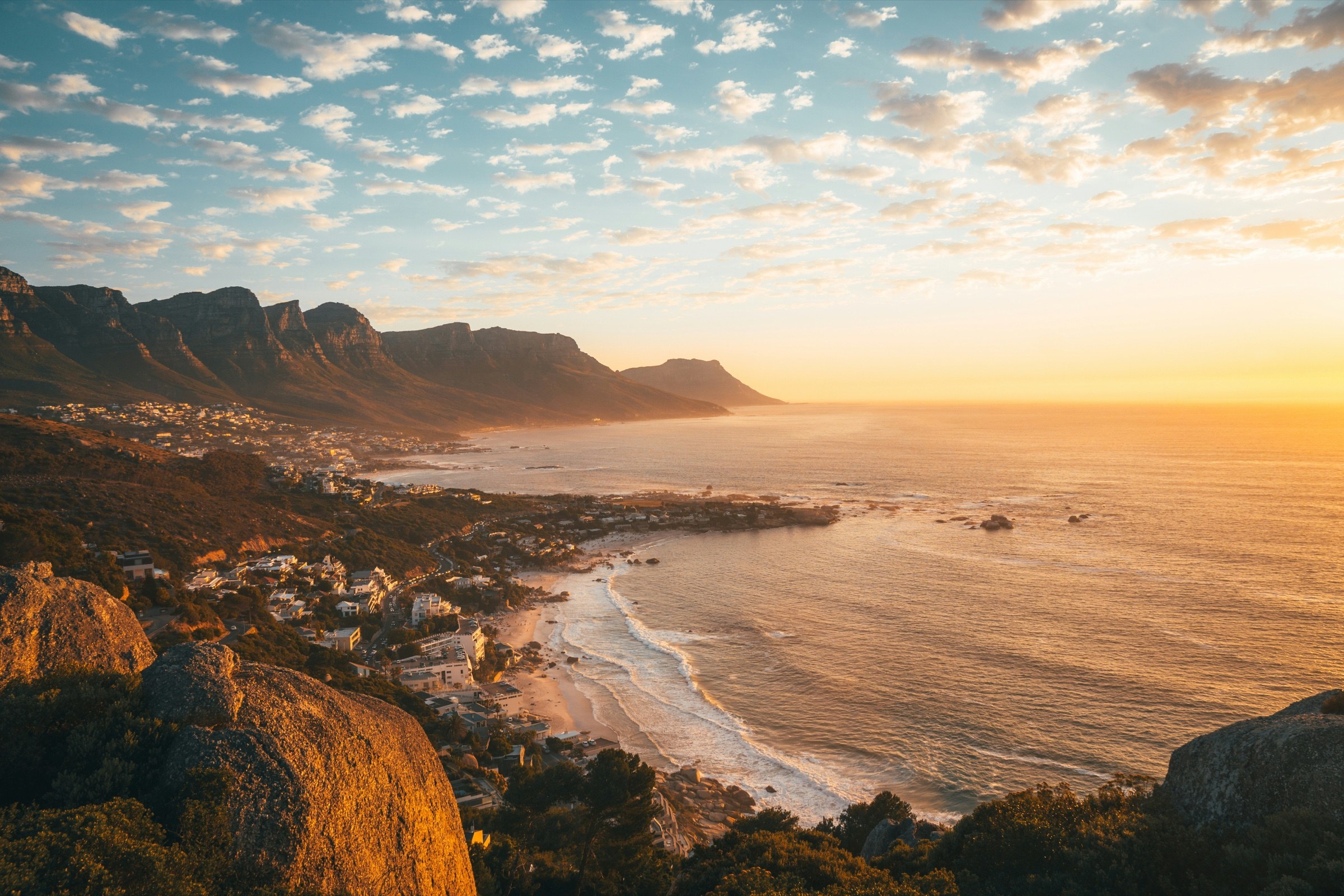
Atlantic coastline and the Twelve Apostles mountains in warm evening light.
Cape Town · Atlantic coastline

South Africa · Destination Intelligence

Is South Africa LGBTQ+ friendly?
For most LGBTQ+ international travellers, South Africa is one of the most straightforward destinations in Africa to visit.

Same-sex relationships are legal. Same-sex couples have legal recognition. Sexual orientation is expressly protected under South Africa's Constitution. Cape Town has an established LGBTQ+ community and a mature hospitality industry accustomed to welcoming same-sex couples.

That makes the country materially different from many African destinations.

It still needs nuance.

South Africa is socially and culturally diverse. The experience of being an LGBTQ+ traveller in central Cape Town is not necessarily the same as travelling through a small rural community. Urban environments, luxury hotels, established safari lodges and tourism regions generally offer a very different experience from places less exposed to international tourism.

A good journey therefore does not rely only on what is legal.

It considers where you stay, who hosts you, how you move, who guides you and how comfortable each part of the journey is likely to feel.

That distinction matters.

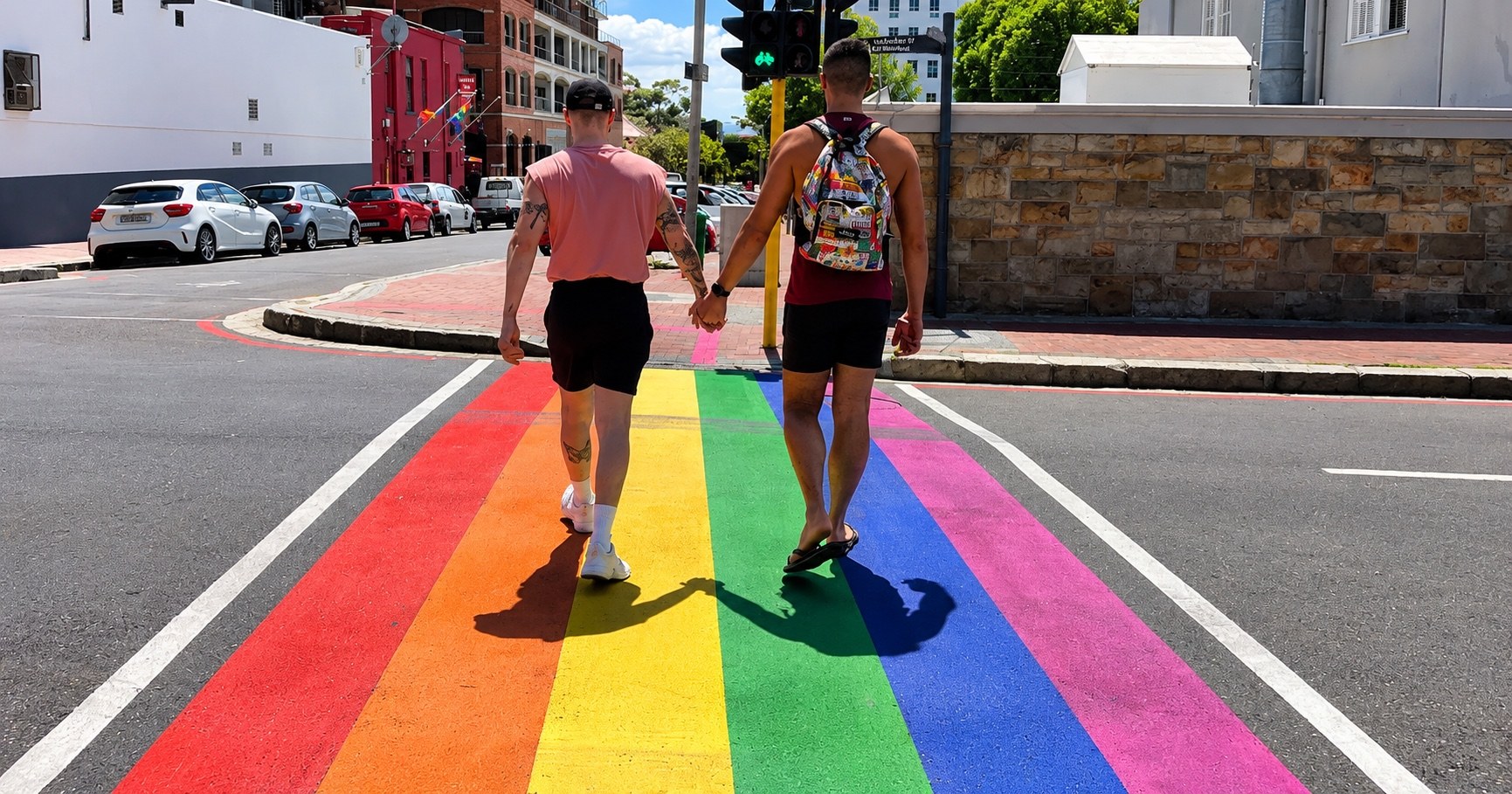
Two men walking hand in hand across a rainbow pedestrian crossing in Cape Town.
Cape Town · Public life

LGBTQ+ rights in South Africa

South Africa has one of the strongest legal frameworks for LGBTQ+ equality on the African continent.

The Constitution specifically prohibits unfair discrimination on the grounds of sexual orientation.

Same-sex couples have been able to enter legally recognised marriages through the Civil Union Act since 2006, making South Africa the first country in Africa to provide same-sex couples with equal legal recognition through this framework.

For travellers, the practical consequence is important.

There is no legal requirement for same-sex couples to conceal their relationship. Same-sex couples can book one room, travel as spouses or partners, celebrate honeymoons and anniversaries, and move through the country's tourism infrastructure without their relationship itself creating a legal issue.

But law and lived experience should never be treated as identical.

South Africa contains progressive urban communities, conservative communities and everything between them. LGBTQ+ travellers will therefore experience different levels of public ease depending on where they are.

This is why Mason & Wild evaluates journeys at a destination, property and operational level rather than labelling an entire country simply "gay-friendly".

Is South Africa safe for LGBTQ+ travellers?

The LGBTQ+ question and the general safety question need to be separated.

South Africa's principal travel safety considerations for international visitors are generally the same regardless of sexual orientation: crime, neighbourhood awareness, transport choices, personal security and understanding where not to walk independently.

For LGBTQ+ travellers specifically, same-sex activity is legal and discrimination on the basis of sexual orientation is prohibited.

That does not make every environment equally comfortable.

Our approach is therefore not to tell travellers that South Africa is universally safe or universally welcoming. No serious travel company should make that promise.

Instead, we design around environments we understand.

That can mean choosing the right neighbourhood in Cape Town, using trusted private transfers rather than expecting guests to navigate unfamiliar areas alone, selecting safari properties with mature hosting cultures and briefing guides and partners before arrival where appropriate.

Good travel design removes unnecessary uncertainty.

For the wider destination context, read our LGBTQ+ Africa travel guide.

Cape Town & the Winelands

Cape Town and LGBTQ+ travel
If South Africa is the strongest all-round LGBTQ+ destination on the continent, Cape Town sits at the centre of that argument.

The city has a visible LGBTQ+ community, established Pride culture, queer nightlife, LGBTQ+-owned and welcoming businesses, internationally experienced hotels and a level of public ease unusual in much of Africa.

Cape Town will host WorldPride in 2028, becoming the first African city to host the event.

That milestone matters.

But Cape Town's appeal goes beyond LGBTQ+ infrastructure.

It is simply an exceptional city.

The Atlantic coastline, Table Mountain, contemporary African design, galleries, excellent restaurants, beaches, neighbourhood culture, wine, architecture and access to the Cape Peninsula allow travellers to build very different versions of Cape Town.

For some couples, that means a quiet hotel overlooking the ocean, long lunches and private touring.

For others, it means restaurants, bars, nightlife and being around people.

For others still, Cape Town is the beginning or end of a safari journey and serves as the point where the trip feels more urban, social and spontaneous.

That flexibility is one of its greatest strengths.

Explore Cape Town’s queer culture in the Journal

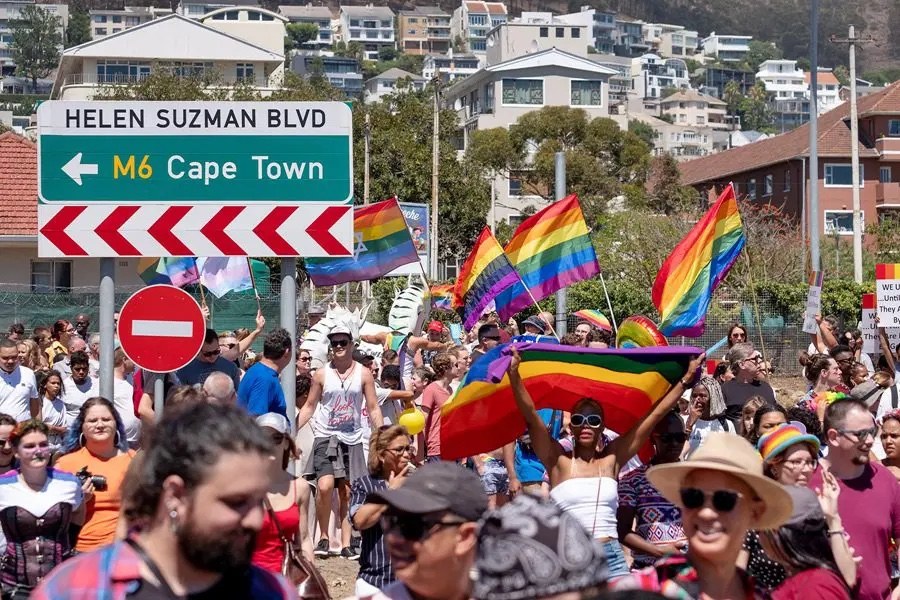
A crowd carrying rainbow flags at Cape Town Pride.
Cape Town · Pride culture

Cape Town & the Winelands

Where do LGBTQ+ travellers usually stay in Cape Town?
There is no single "gay neighbourhood" that every LGBTQ+ traveller should automatically choose.

De Waterkant has historically been associated with Cape Town's LGBTQ+ community and remains useful for travellers who want proximity to nightlife and central-city energy.

But many Mason & Wild clients are better suited to areas such as the Atlantic Seaboard, City Bowl, Oranjezicht, Higgovale, Camps Bay or selected parts of the central city.

The right choice depends on whether you value nightlife, walkability, privacy, views, design, restaurant access or residential calm.

We choose the hotel around the traveller rather than around a label.

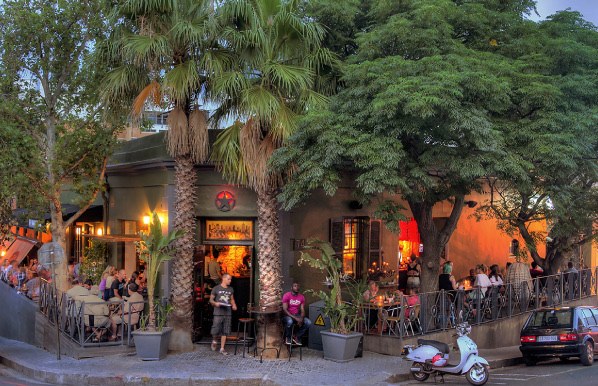
Guests on a restaurant terrace beneath trees in De Waterkant.
De Waterkant

Cape Town & the Winelands

Cape Town nightlife and queer social life
LGBTQ+ travellers who want social energy can find it in Cape Town, but the city should not be reduced to gay bars.

Queer life here sits inside a much larger ecosystem of restaurants, beaches, galleries, events, neighbourhoods, hospitality and nightlife.

That makes Cape Town particularly valuable for travellers who want to be openly themselves without having their entire trip organised around their sexuality.

You can spend the afternoon on the coast, have dinner at one of the city's strongest restaurants, go out afterwards if you want to, and wake the next morning to hike, sail, visit galleries or head into the Winelands.

For many travellers, that normality is the luxury.

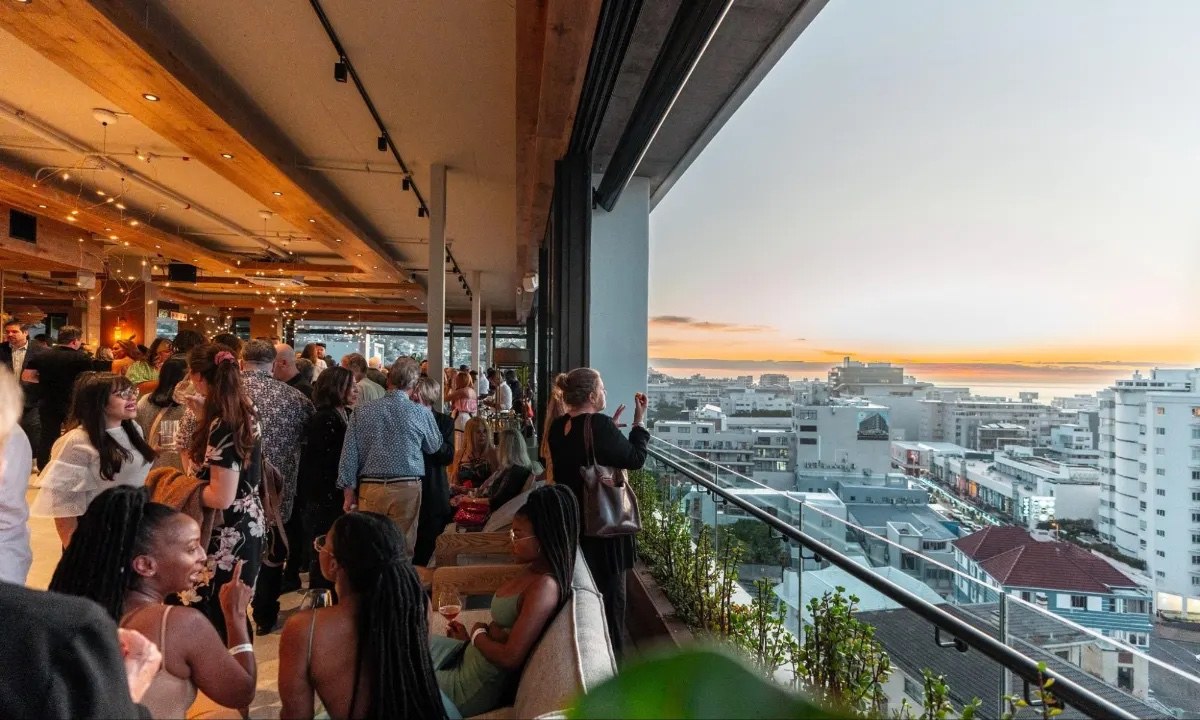
Guests gathering on a rooftop terrace overlooking Cape Town at sunset.
Cape Town · Above the city
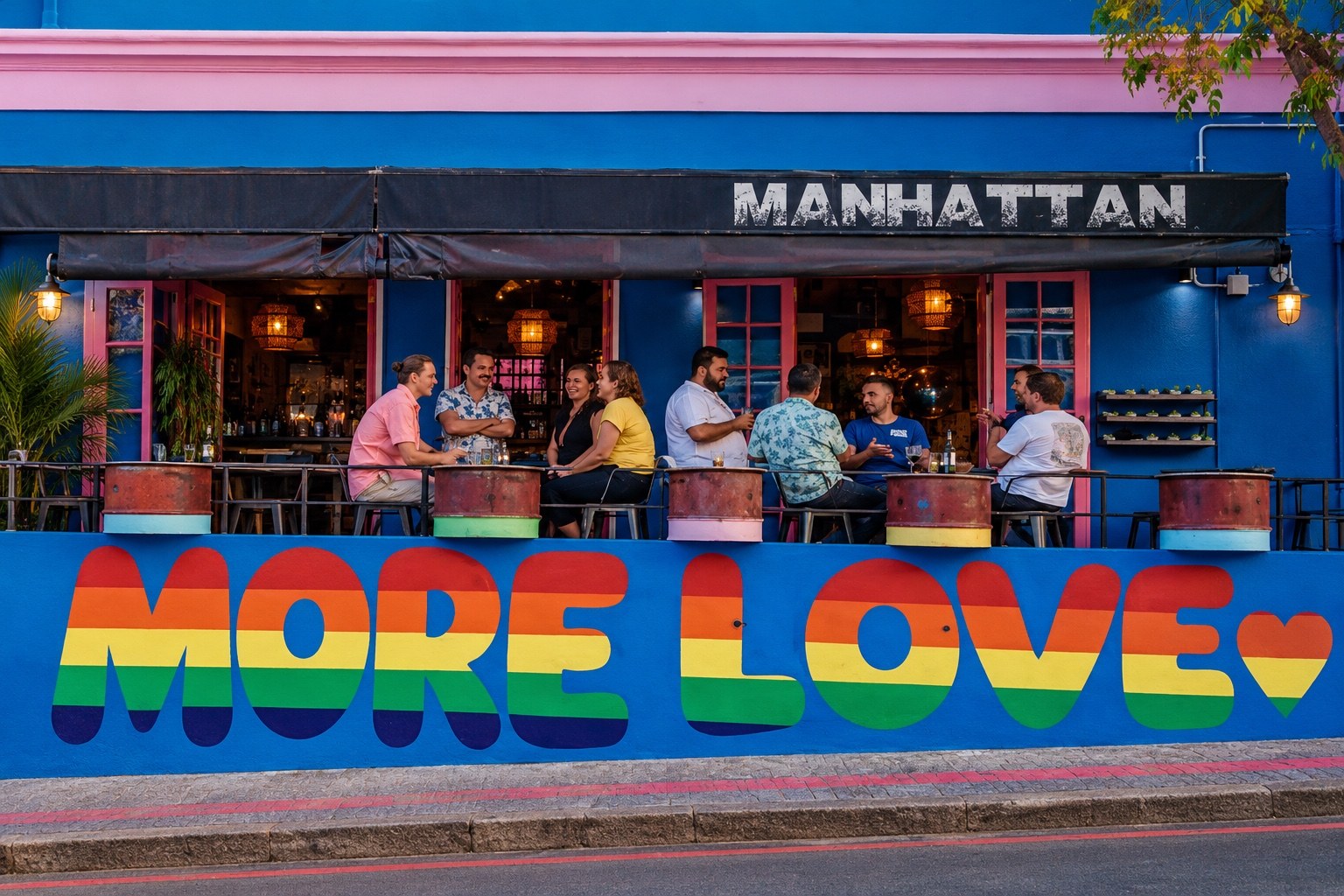
Guests seated outside Manhattan bar behind a colourful More Love mural.
Cape Town · Queer social life

Cape Town & the Winelands

The Cape Winelands for LGBTQ+ couples
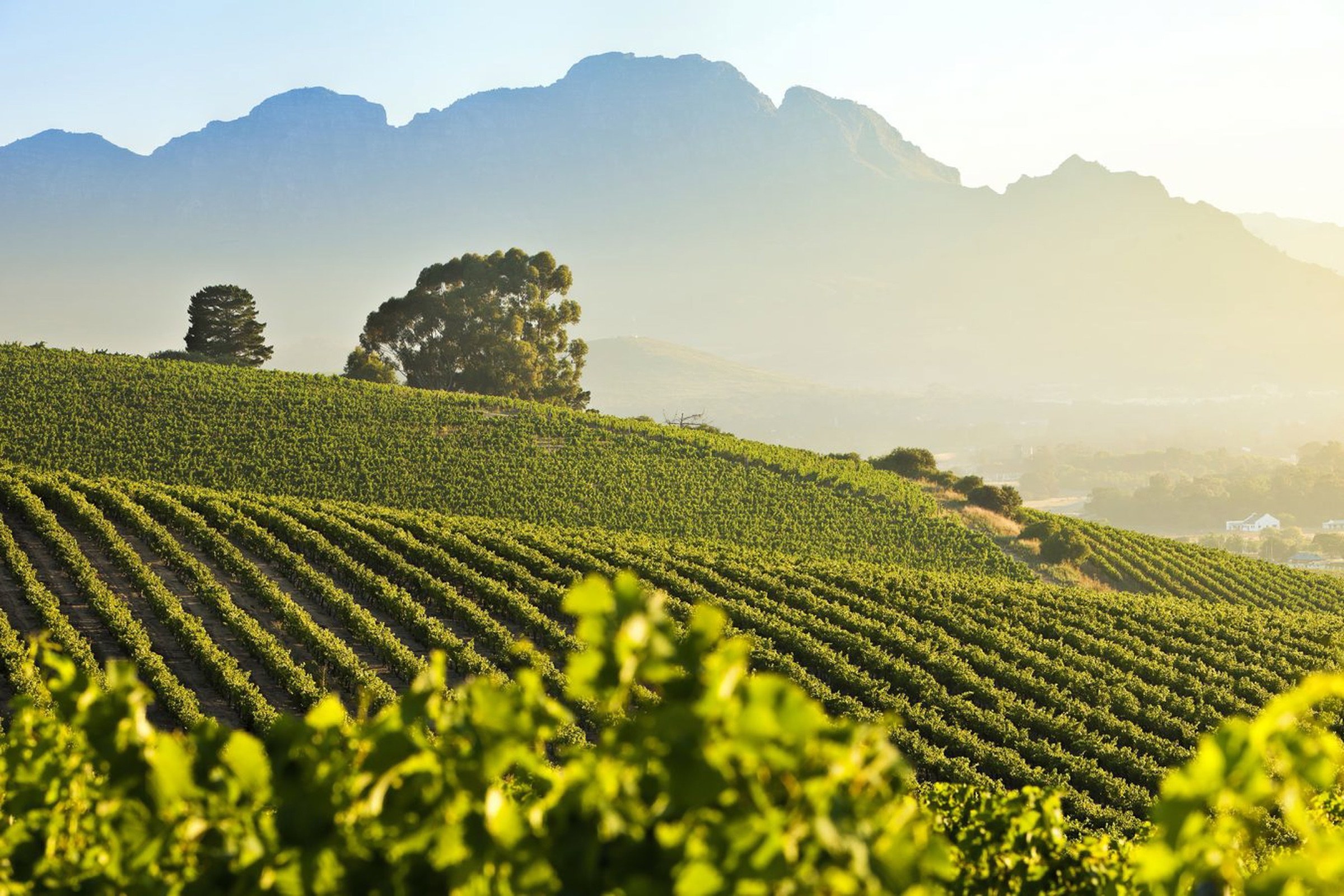
Franschhoek, Stellenbosch and the wider Cape Winelands make an easy addition to Cape Town.

The experience here is less about LGBTQ+ nightlife and more about restaurants, wine estates, architecture, wellness, scenery and exceptional hotels.

For couples, the Winelands can create a useful shift in pace after several days in Cape Town.

It works particularly well for honeymoons and anniversaries because privacy comes naturally. Days can be built around long lunches, private tastings, spa treatments, art, gardens and relatively little pressure to keep moving.

As everywhere, property selection matters.

A beautiful hotel is not automatically the right hotel.

Mason & Wild looks at service culture, rooming, privacy, atmosphere and how naturally a property hosts couples, not simply whether the property describes itself as inclusive.

Rows of vines beneath mountains in the Stellenbosch Winelands.
Cape Winelands · Stellenbosch
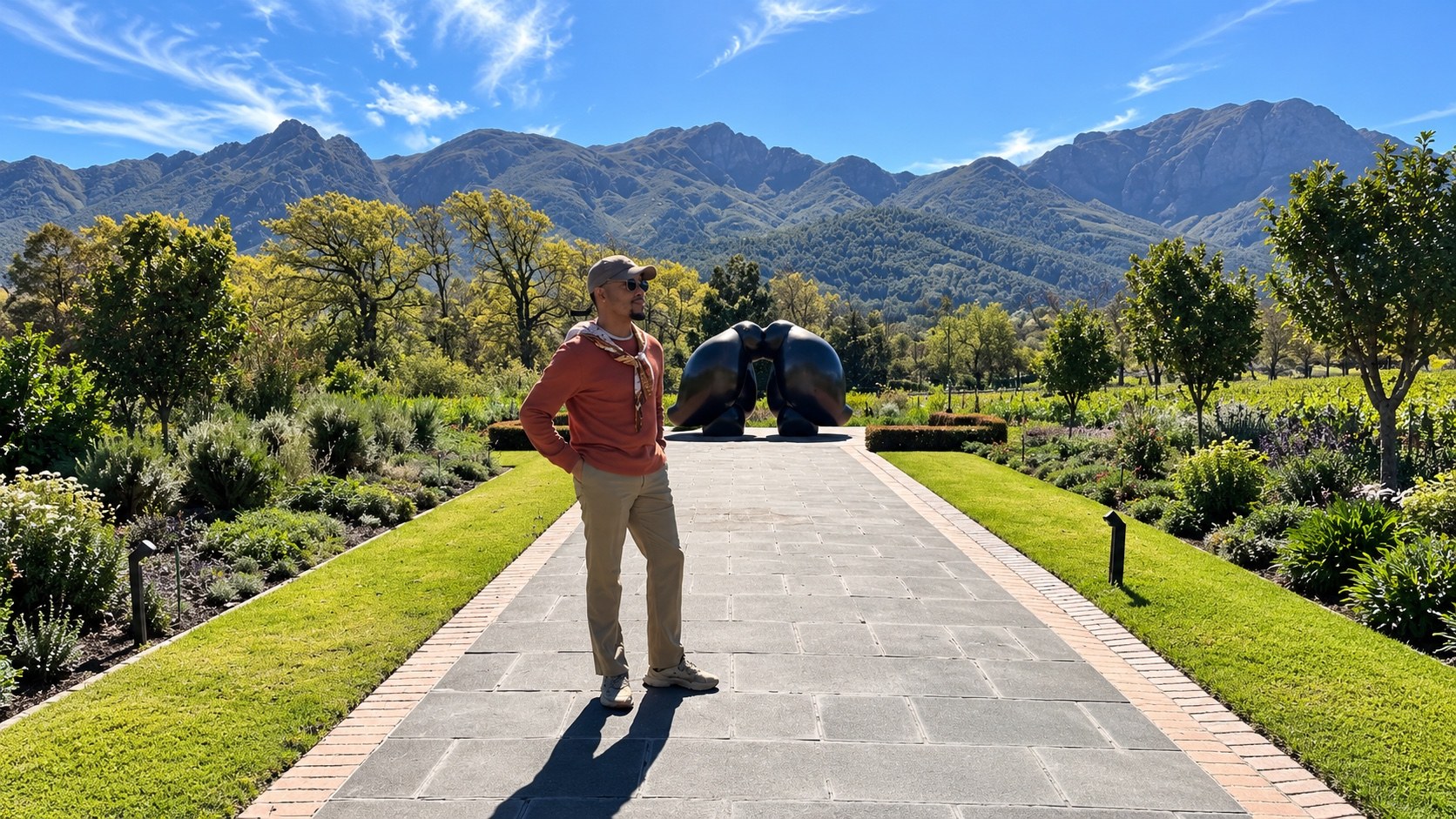
Zannon James in a landscaped garden beneath the Franschhoek mountains.
Zannon James · Franschhoek

South Africa · Destination Intelligence

Is safari LGBTQ+ friendly in South Africa?
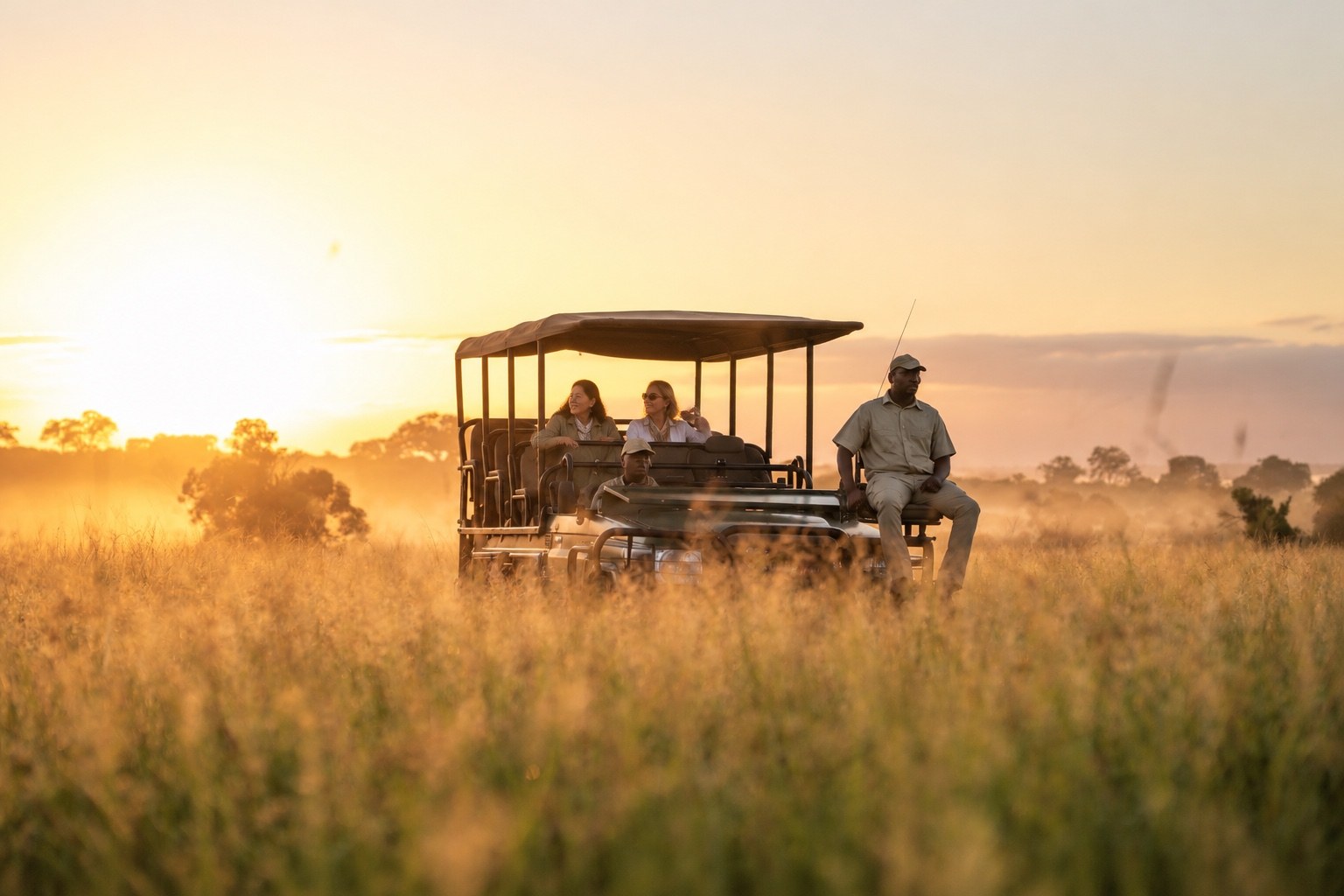
A well-selected South African safari can be one of the easiest safari experiences in Africa for LGBTQ+ travellers.

Most established luxury safari properties regularly host international couples from a wide range of backgrounds.

At good properties, a same-sex couple sharing a room should not become a discussion.

That sounds like a low standard.

It is.

But small operational moments matter.

How a couple is welcomed. Whether honeymoon arrangements are handled naturally. Whether staff make assumptions about room configurations. Whether a guide understands the guests. Whether service feels effortless rather than performatively accommodating.

These things determine whether someone feels hosted or merely tolerated.

For this reason, Mason & Wild prefers to work with properties and people we know or can properly assess.

Two women and their guides in an open safari vehicle in golden evening light.
South Africa · Private safari

South Africa · Destination Intelligence

Where should LGBTQ+ travellers safari in South Africa?
South Africa gives travellers an unusually broad choice of safari regions.

For first-time luxury safari travellers, the Greater Kruger region is often the strongest starting point.

Private reserves around the Kruger ecosystem can offer excellent wildlife, highly experienced guiding, beautiful camps, strong predator viewing and a level of service designed around international travellers.

Areas such as Sabi Sand, Timbavati, Klaserie, Thornybush and other private reserves each have different personalities.

The decision should not be made solely on which lodge photographs best.

The quality of guiding, land access, traversing arrangements, lodge size, vehicle density, camp culture, conservation model and privacy all affect the experience.

South Africa also offers safari options outside Greater Kruger.

Madikwe can work particularly well when malaria considerations or access from Johannesburg matter.

KwaZulu-Natal offers wildlife experiences that can combine naturally with other parts of the country.

The Eastern Cape can work within certain itineraries, particularly when travellers are already moving along the southern part of South Africa.

There is no universally "best" safari reserve.

There is a best fit for a particular traveller.

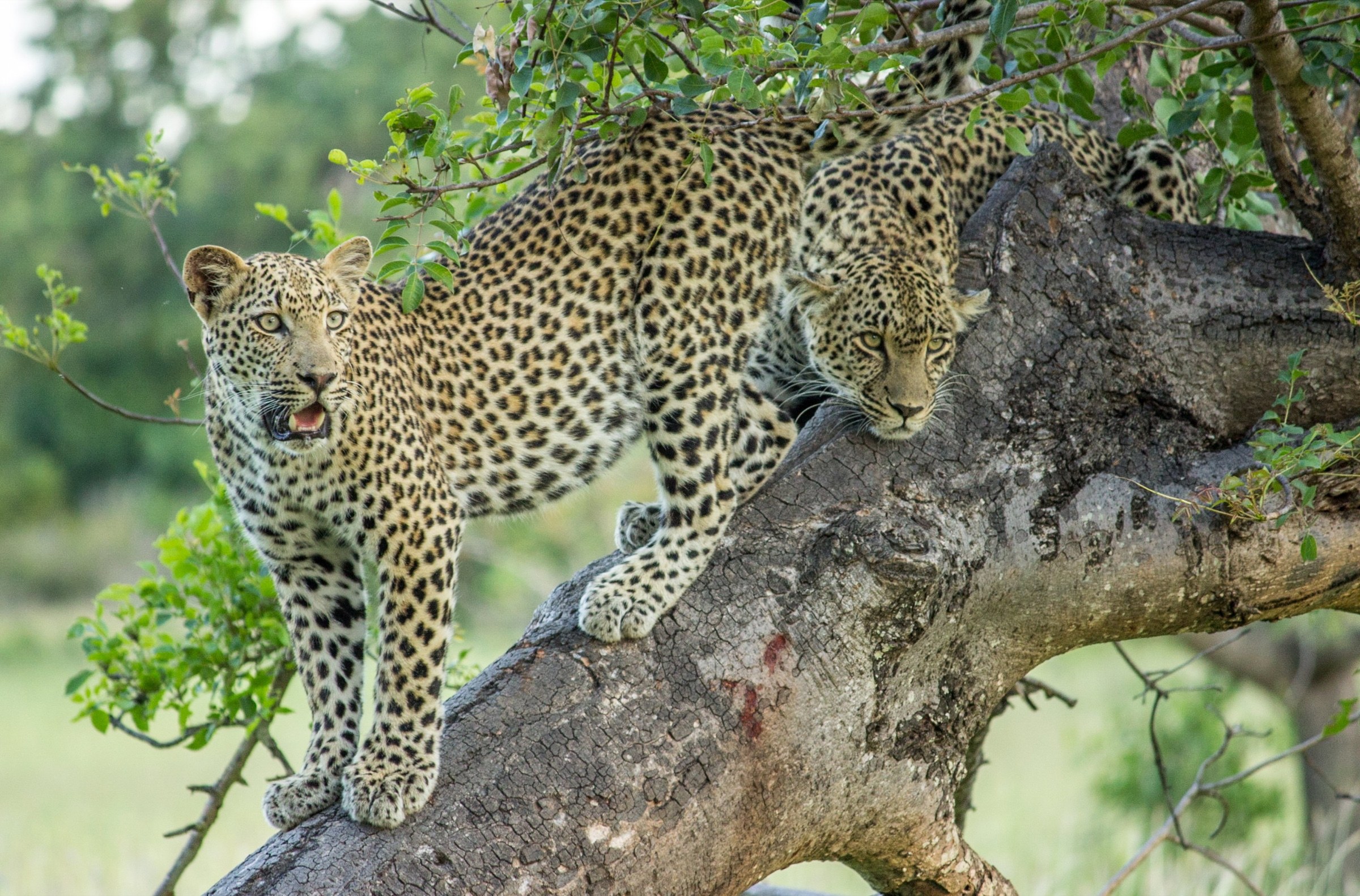
Two leopards resting on the branches of a tree.
An encounter in the bush
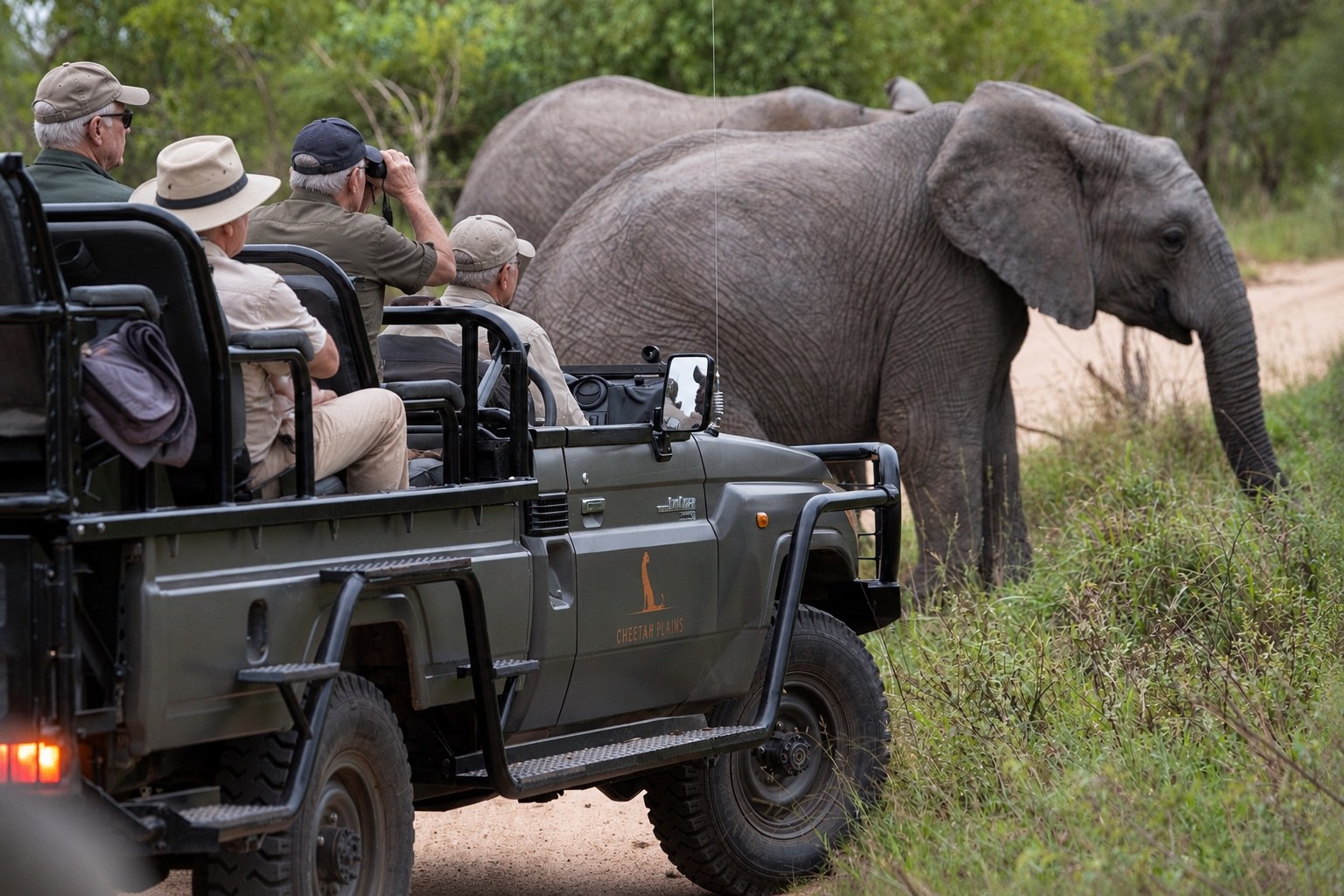
Guests watching elephants from an open safari vehicle in the Greater Kruger region.
Greater Kruger · Wildlife at its own pace

South Africa · Destination Intelligence

South Africa for gay and LGBTQ+ honeymoons
South Africa is one of Mason & Wild's strongest recommendations for LGBTQ+ honeymoons in Africa because it can create contrast without requiring complicated travel.

A honeymoon can move from Cape Town to Franschhoek and then into private safari while remaining within one country.

That gives a couple several completely different experiences:

  • city energy,
  • coast,
  • food and wine,
  • privacy,
  • and wilderness.

The legal recognition of same-sex relationships also removes a layer of uncertainty that exists in some other destinations.

But a successful honeymoon needs more than legality.

Properties should understand why the guests are travelling. Romantic touches should be handled naturally. One partner should not suddenly be referred to as the other's friend. A double room should not unexpectedly become twin beds. Honeymoon experiences should not require the couple to repeatedly explain themselves.

These are operational details.

They are also where good LGBTQ+ travel planning becomes visible.

Explore Mozambique’s islands, marine life and safari-to-ocean journeys

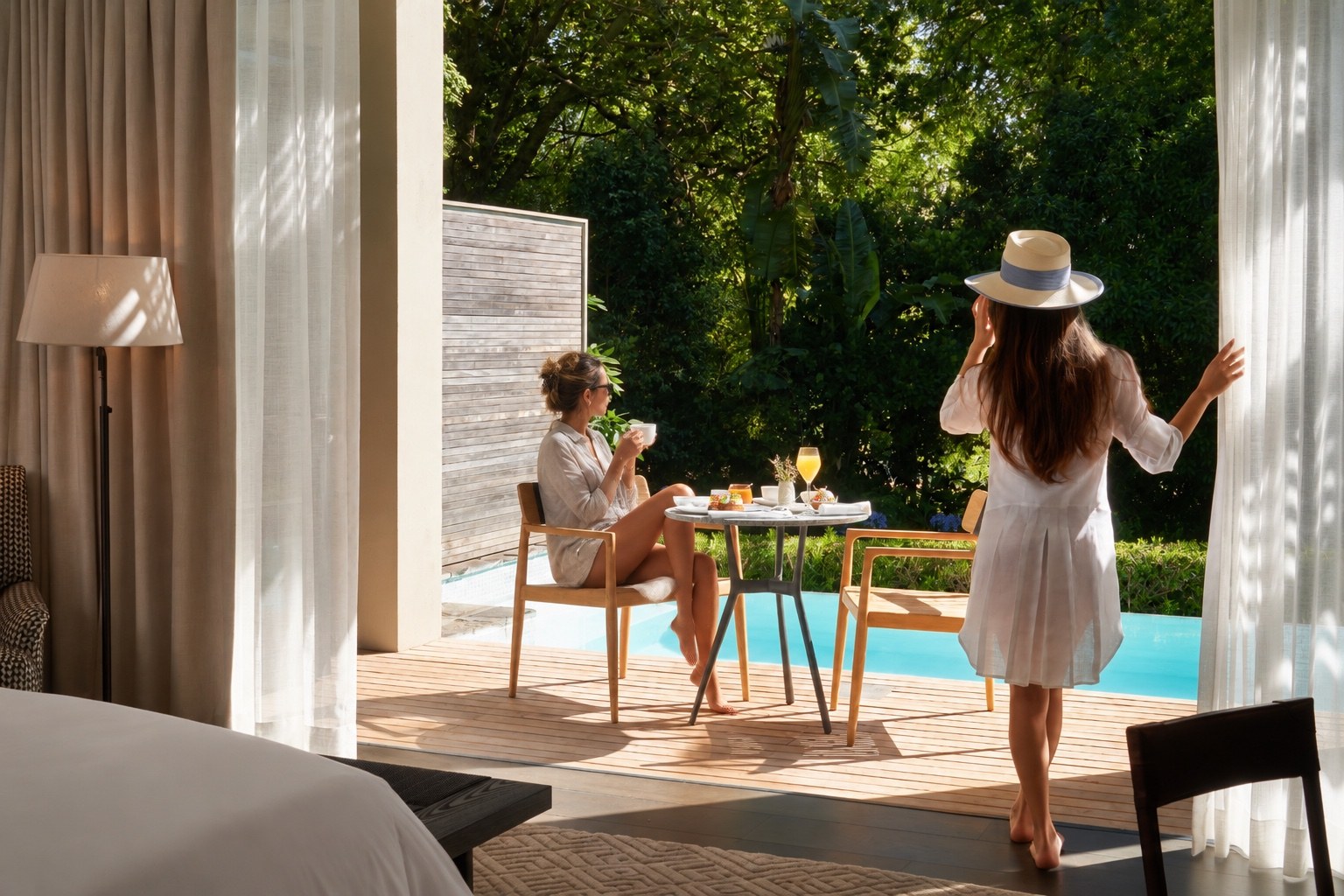
Two women enjoying breakfast beside a private pool outside their suite.
The Winelands · A quieter pace
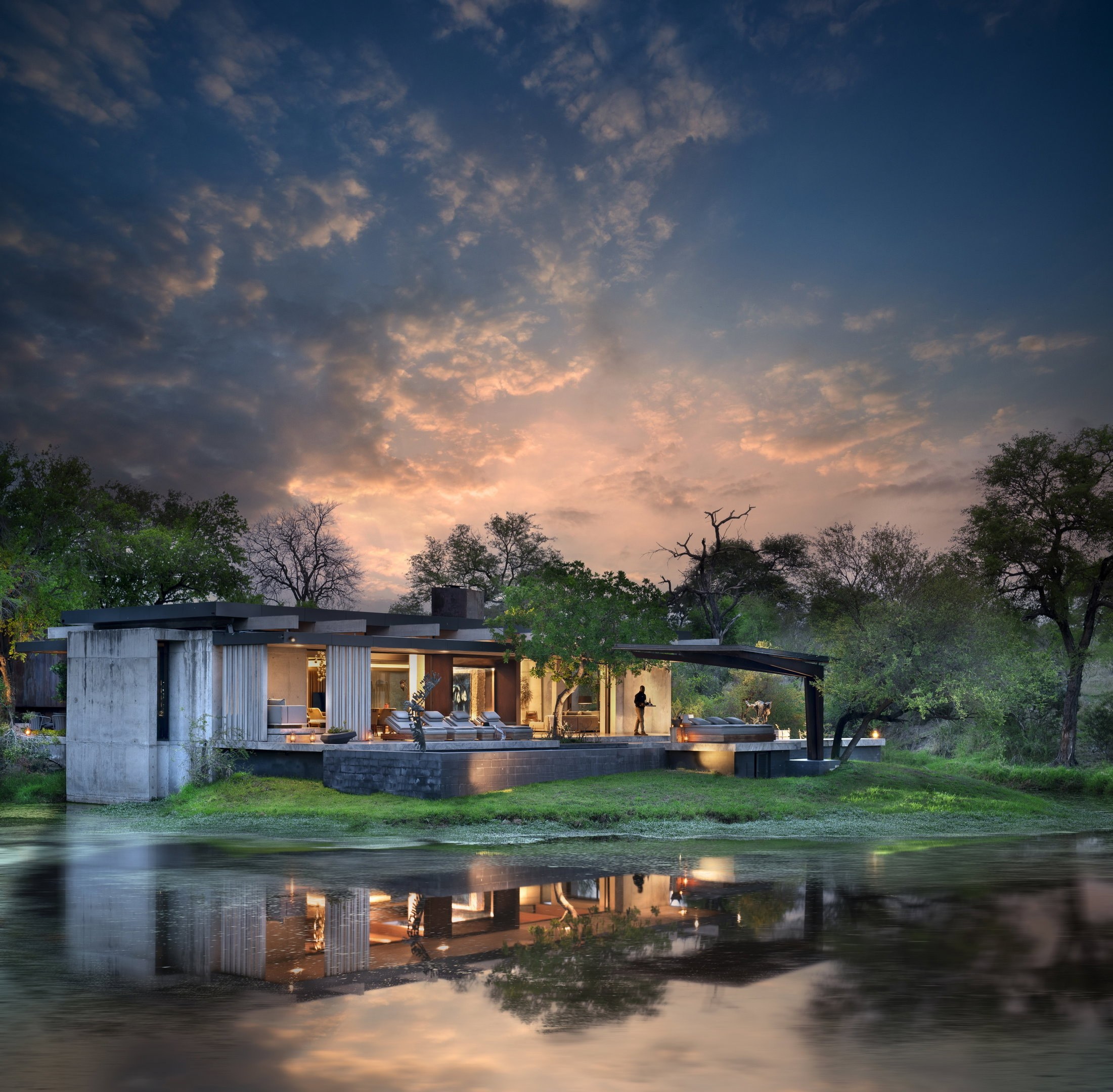
Private safari lodge beside a river at dusk in South Africa.
South Africa · Wilderness and privacy

South Africa · Destination Intelligence

Can same-sex couples show affection publicly in South Africa?
There is no law requiring LGBTQ+ couples to hide their relationship.

In parts of Cape Town and other cosmopolitan environments, same-sex couples are commonly visible.

However, social attitudes vary across South Africa.

We recommend the same situational awareness we would recommend to any traveller moving through unfamiliar environments. Behaviour that feels completely unremarkable in De Waterkant, Sea Point or a luxury hotel may attract more attention in a socially conservative rural environment.

The point is not that LGBTQ+ travellers should travel nervously.

It is that good destination intelligence should distinguish legal rights from local context.

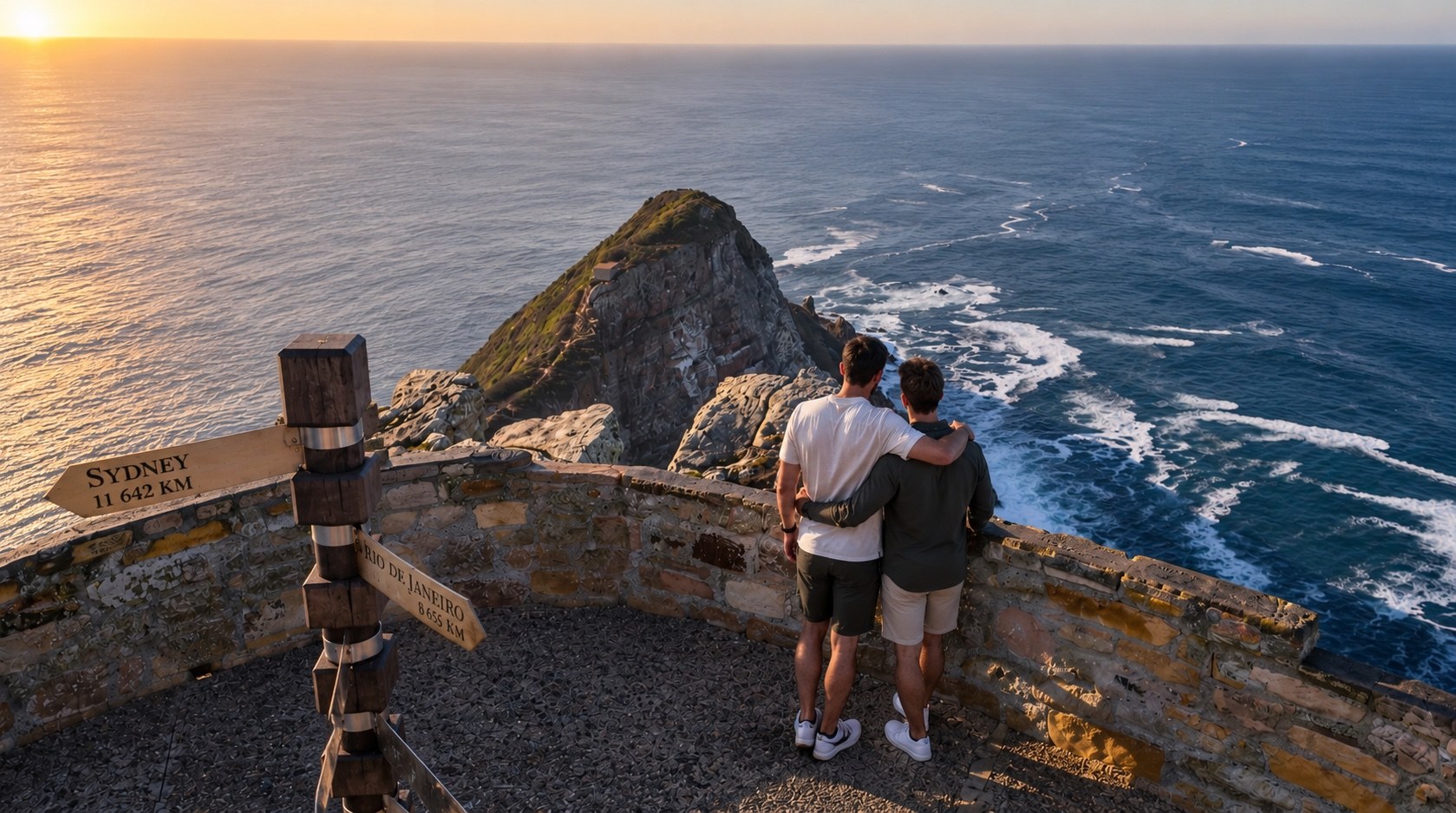
Two men standing with their arms around each other above the ocean at Cape Point.
Cape Peninsula · Cape Point

What is the best time to visit South Africa?

There is no single best month because South Africa combines very different climates.

For Cape Town and the Winelands, the warmer, drier months from roughly November through March are particularly popular.

Safari in the Greater Kruger region can be excellent throughout the year.

The drier winter period generally makes vegetation thinner and can concentrate wildlife around water sources, which often creates easier game viewing. The greener summer months bring dramatic landscapes, birdlife, newborn animals and a different photographic quality.

Combining Cape Town and safari therefore requires deciding what matters more to you.

  • Perfect beach weather?
  • Dry-season wildlife viewing?
  • Fewer travellers?
  • Green landscapes?
  • Food and wine?
  • A particular celebration or event?

There is no honest answer to "when is South Africa best?" without first answering "best for what?"

Explore the seasons of African safari

How long should an LGBTQ+ South Africa trip be?

For a first journey, around ten to fourteen nights works particularly well.

A classic structure might combine Cape Town, the Cape Winelands and private safari.

That gives enough time for each part of the country to feel distinct without turning the journey into a race between airports.

Travellers with more time can add Johannesburg, KwaZulu-Natal, the Whale Coast, another safari ecosystem or combine South Africa with Botswana, Victoria Falls, Zambia, Mozambique or another Southern African destination.

We generally prefer depth over accumulation.

Seeing seven places badly is not a better trip than experiencing three places properly.

Read our destination notes on South Africa

South Africa or Botswana for LGBTQ+ safari travellers?

Both can be exceptional, but they solve different problems.

South Africa offers greater variety, stronger urban LGBTQ+ visibility and an easier combination of city, food, wine and safari.

Botswana offers extraordinary wilderness, smaller camps and, in the right itinerary, an exceptional sense of privacy.

For someone taking their first LGBTQ+ journey to Africa, South Africa will often be the easier starting point.

For someone primarily seeking wilderness, remoteness and safari depth, Botswana may be stronger.

The two also combine beautifully.

Explore Botswana’s ecosystems, safari seasons and private camps

Weigh the alternatives in our four-country safari comparison.

South Africa or East Africa for a first LGBTQ+ safari?

Travellers often compare South Africa with Kenya or Tanzania because all three are major safari destinations.

The safari experiences are fundamentally different.

Tanzania and Kenya offer enormous landscapes, East African ecosystems and experiences such as the Serengeti, Maasai Mara and Great Migration.

South Africa offers highly developed private-reserve safari, excellent luxury infrastructure and the ability to combine wilderness with Cape Town and the Winelands very easily.

For LGBTQ+ travellers, South Africa also provides a clearer legal framework.

That does not automatically make South Africa the better safari destination.

It can make it the simpler first African journey for travellers who want both exceptional safari and greater confidence around the wider social and legal environment.

South Africa · Destination Intelligence

What does Mason & Wild actually check?

Calling a hotel "LGBTQ+ friendly" tells us very little.

We want to know what happens in practice.

  • How naturally does the property handle same-sex couples?
  • Are rooming preferences followed without awkward assumptions?
  • Does the service culture feel mature?
  • Who will guide the guests?
  • How private is the property?
  • What happens outside the lodge?
  • How does the next transfer work?
  • Does the itinerary move the traveller through places that make sense together?

Where we have stayed personally, we use that firsthand experience.

Where we have not, we rely on direct supplier relationships, detailed property knowledge and further checks before recommending something.

Our role is not to place an LGBTQ+ label on a map.

It is to design the journey so the guest does not have to spend the trip thinking about any of this.

How Mason & Wild designs a private journey

Before selecting properties, read our complete safari planning guide and how to think about safari costs. The Safari Planning hub brings these decisions together.
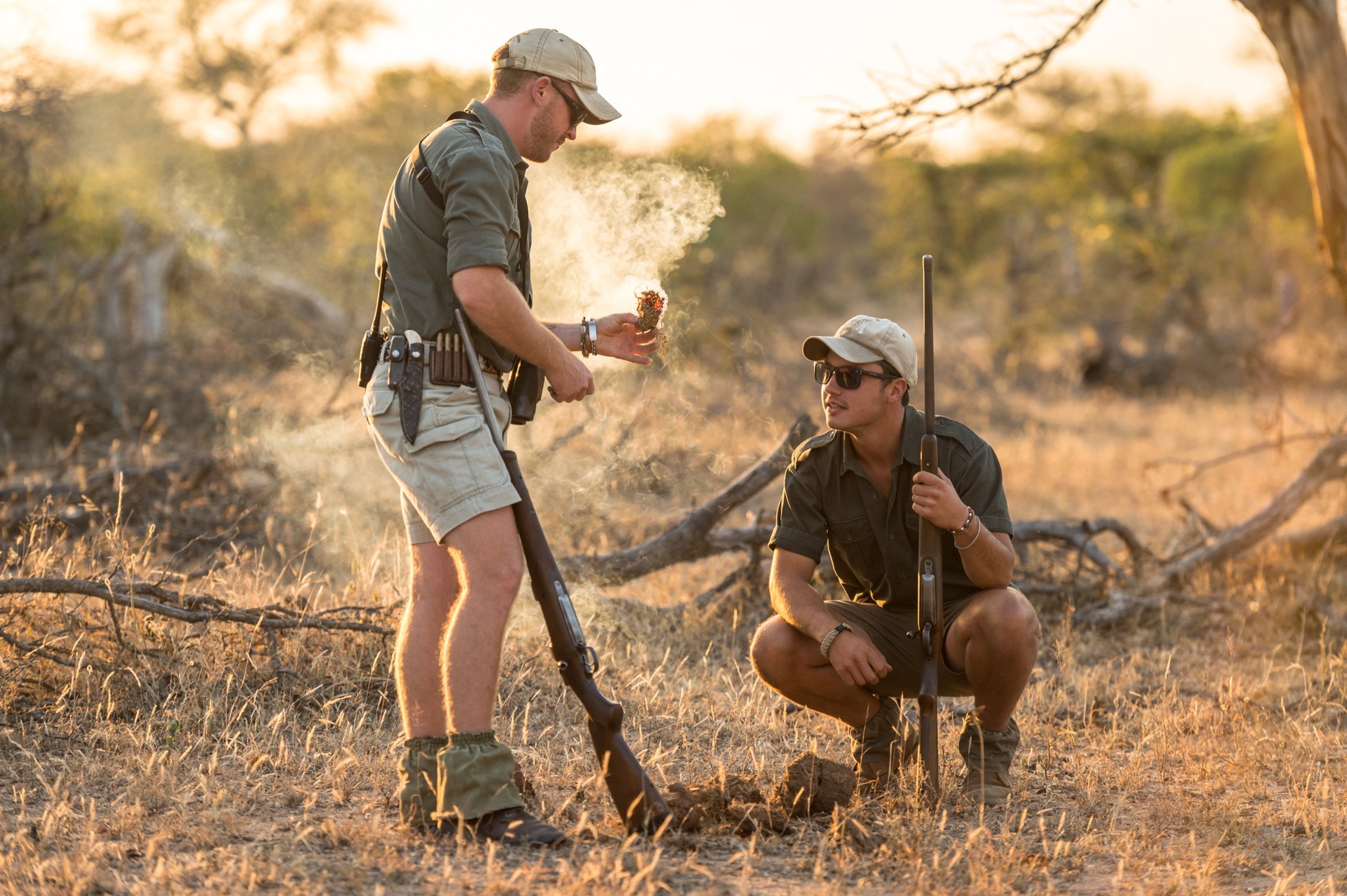
Two safari guides examining a smoking natural specimen in the bush.
On the ground · Guiding knowledge

A strong first LGBTQ+ journey through South Africa

For many first-time visitors, we would begin with three distinct chapters.

Cape Town gives the journey energy, culture, restaurants, coastline and public ease.

The Winelands slow everything down.

Safari changes the scale completely.

Together, they show why South Africa works so well.

You can feel part of a city and then disappear into wilderness a few days later.

You can have a long lunch overlooking vineyards and wake the following week to lions calling before sunrise.

You can travel as a couple without needing the entire journey to be defined by the fact that you are a couple.

That is the point.

Explore The Classic, our Cape Town, Winelands and safari journey

See how this destination fits your priorities in our first-safari destination guide.

Useful answers
Frequently asked questions

Is homosexuality legal in South Africa?

Yes. Same-sex sexual relationships are legal in South Africa, and the Constitution prohibits unfair discrimination on the basis of sexual orientation.

Is gay marriage legal in South Africa?

Yes. Same-sex couples have been able to enter legally recognised marriages through South Africa's Civil Union Act since 2006.

Is Cape Town LGBTQ+ friendly?

Cape Town has the strongest visible LGBTQ+ travel environment in South Africa and one of the most established on the African continent. It has LGBTQ+ nightlife, Pride events, queer-owned and queer-friendly businesses and a hospitality industry accustomed to welcoming international LGBTQ+ travellers.

Is Cape Town safe for gay couples?

Many LGBTQ+ couples travel comfortably and openly in Cape Town, particularly in established tourism areas. General city safety remains important, however, and visitors should use appropriate transport and neighbourhood awareness rather than treating LGBTQ+ legal protection as a substitute for normal travel precautions.

Can a gay couple go on safari in South Africa?

Yes. Same-sex couples regularly travel on safari in South Africa. Choosing the right lodge and travel partners remains important because service culture and social confidence vary between properties.

Can two men or two women book one room in South Africa?

Yes. There is no legal restriction preventing a same-sex couple from sharing accommodation.

Is South Africa good for an LGBTQ+ honeymoon?

Yes. South Africa is one of Mason & Wild's strongest honeymoon recommendations in Africa because it combines legal recognition of same-sex relationships with Cape Town, the Winelands, private safari and a mature luxury hospitality industry.

Does South Africa have gay nightlife?

Yes. Cape Town in particular has an established LGBTQ+ nightlife and social scene, with Johannesburg also having a long-standing queer community.

When is WorldPride coming to South Africa?

Cape Town will host WorldPride in 2028. It will be the first WorldPride hosted on the African continent.

Should I use an LGBTQ+ travel specialist for South Africa?

You do not need an LGBTQ+ specialist simply to enter or travel through South Africa. The value of specialist planning lies in supplier selection, neighbourhood knowledge, guide briefing, rooming, privacy and understanding how the wider journey will actually feel rather than simply whether it is legally possible.

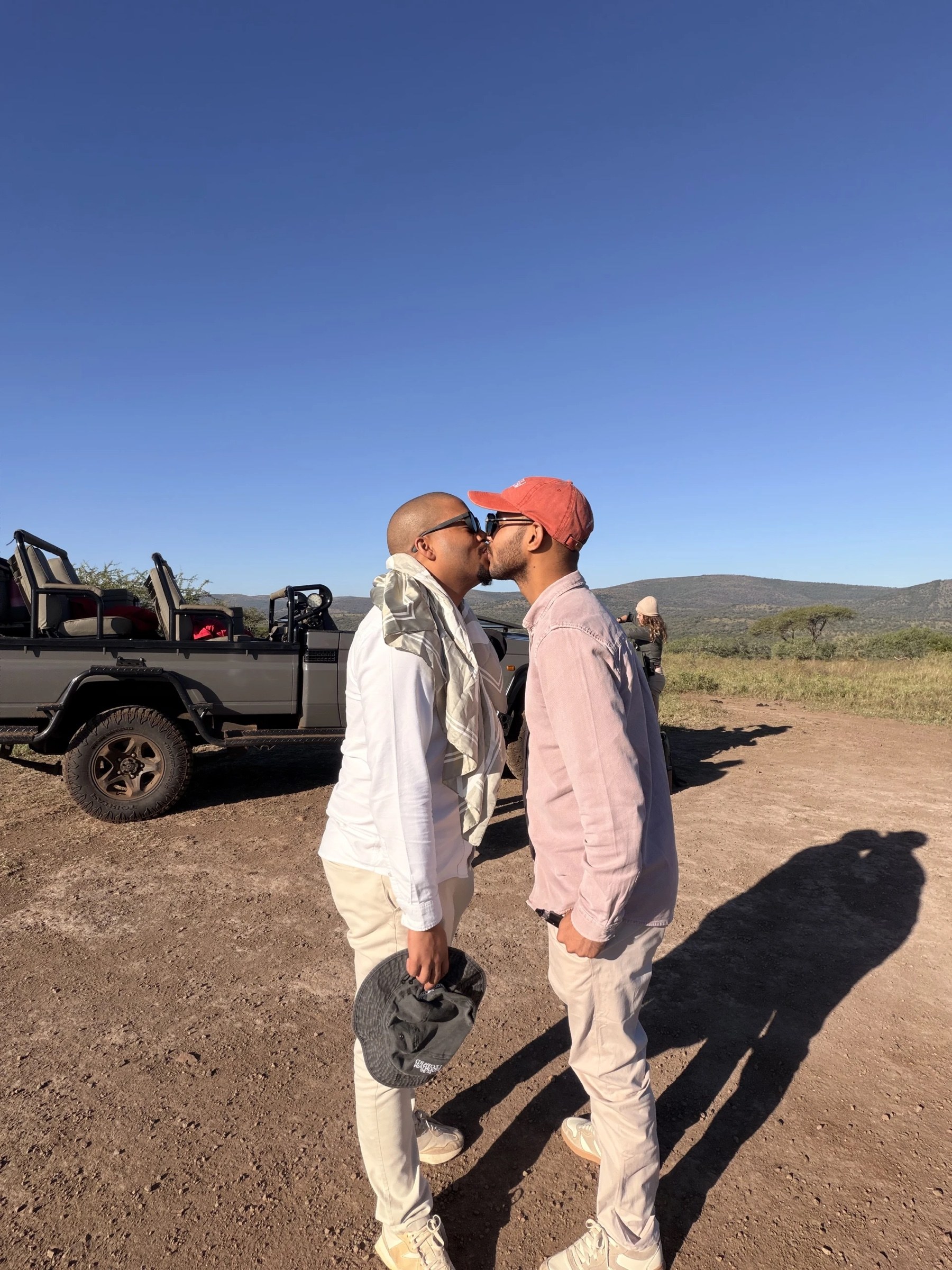
Zannon James and his partner kissing beside a safari vehicle.

Firsthand Knowledge

Reviewed by Zannon James

Zannon James is the founder of Mason & Wild and an African travel specialist with more than a decade of experience designing journeys across Southern and East Africa.

His work spans luxury safari, destination development, supplier relationships and firsthand property assessment across South Africa and the wider African continent.

Mason & Wild’s recommendations are shaped by lived destination experience, trusted relationships on the ground and further verification where required.

Information last reviewed: October 2026.

About Mason & Wild

Source and review standard

Legal and destination information on this page is reviewed against official South African Government information and current destination guidance. Social and hospitality observations reflect Mason & Wild’s professional destination experience and supplier knowledge.

Information last reviewed: October 2026.

Travel conditions, regulations and social environments can change. Mason & Wild reviews destination guidance as part of the planning process for each journey.

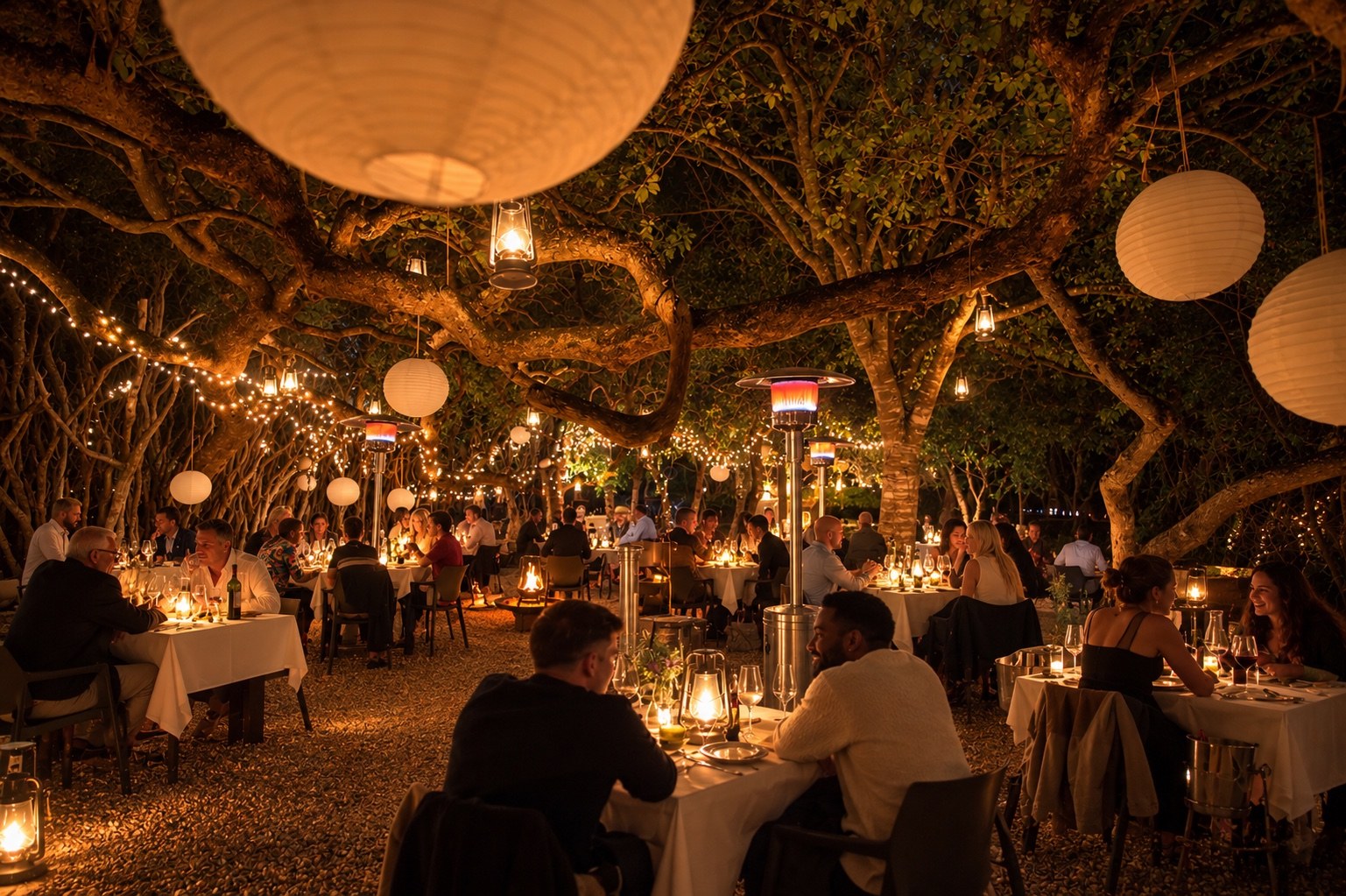
Guests dining beneath lanterns and trees at an outdoor evening gathering.

South Africa · Private Journey Design

An African journey where you can focus on the journey.

LGBTQ+ travel should not require constant calculation.

South Africa is one of the places in Africa where that becomes much easier.

Strong legal protections matter. Cape Town’s queer life matters. Good hotels and experienced safari lodges matter.

But what ultimately changes the experience is how intelligently those pieces are put together.

Privately Designed

Mason & Wild designs private journeys through South Africa for LGBTQ+ travellers who want the country handled with confidence, discretion and real destination knowledge.

Not an LGBTQ+ version of someone else’s safari.

A properly designed African journey that understands who is travelling from the beginning.

Start Your Private EnquiryExplore The Classic

Private enquiries are reviewed personally. Your details are handled with discretion and used only to understand whether Mason & Wild is the right fit for your journey.

The Quarterly Journal

Receive the next issue when it publishes.

By submitting this form, you agree that Mason & Wild may process your personal information to respond to your enquiry and manage related communications in accordance with our Privacy Policy.