
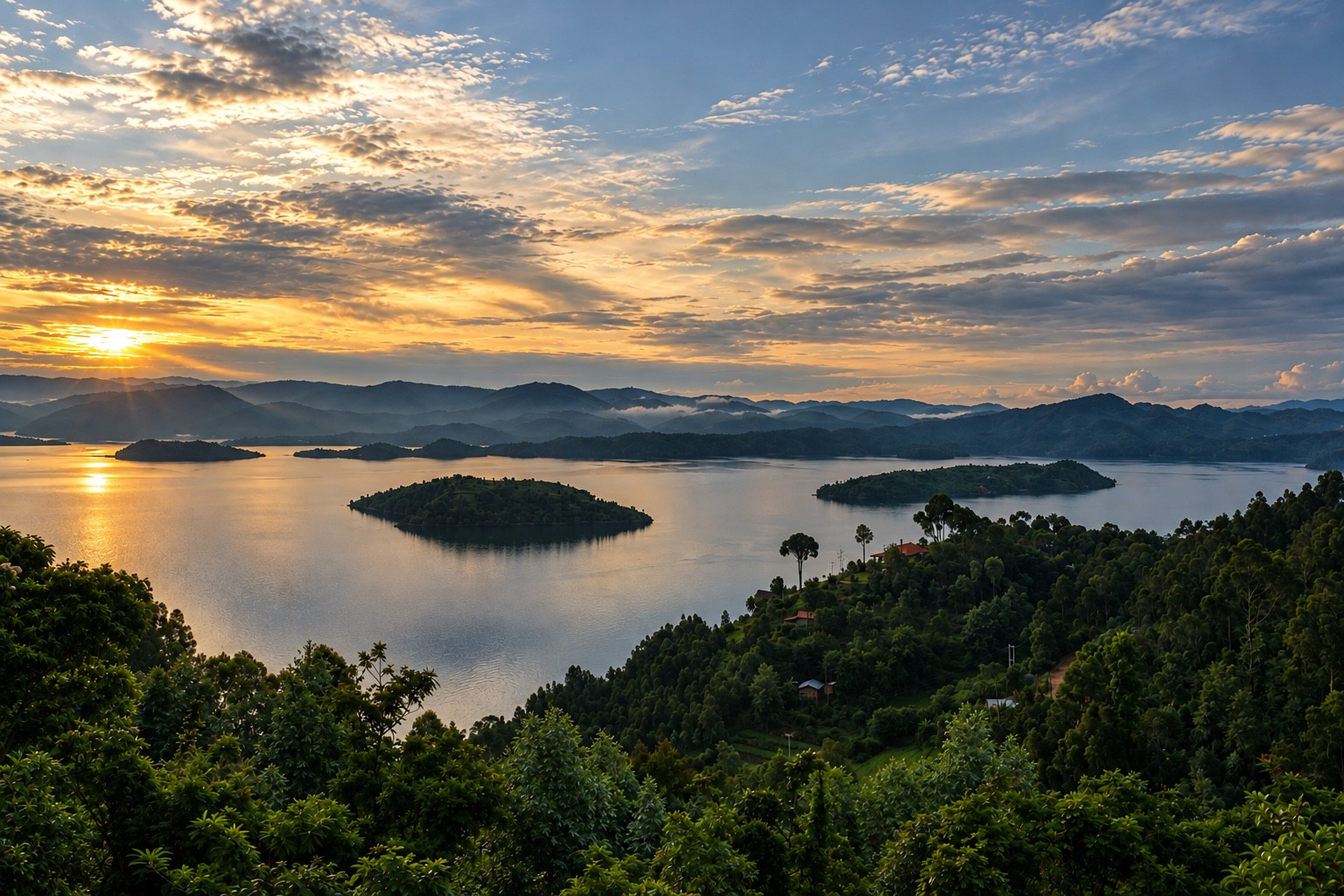
Lake, wooded islands and mountain landscape at sunset in Rwanda.

Rwanda

Rwanda Safaris & Gorilla Trekking

Rwanda brings together volcanic mountains, rainforest, savanna, lakes, primates, Big Five wildlife and one of Africa’s most compelling conservation stories within a remarkably compact country.

Rwanda · A complete journey

Gorilla trekking may be the reason many travellers first consider Rwanda, but it should not be the only reason they go.

Primates, savanna, forest, city and lake each add something different. The useful planning question is which combination will give you the journey you want, with enough space between demanding mornings to enjoy it.

Written / reviewed by Zannon James

African Travel Specialist and Founder, Mason & Wild

Based on client planning, supplier knowledge and destination research.

Last reviewed:

Rwanda · More than a gorilla extension

Why travel to Rwanda?

Rwanda is often reduced to a single experience: mountain gorilla trekking. That does the country a disservice.

Volcanoes National Park delivers one of Africa’s most sought-after primate experiences. Akagera National Park offers conventional savanna safari and a substantial wildlife recovery story. Nyungwe protects montane rainforest and offers chimpanzee trekking and varied primate life.

Kigali is contemporary and interesting in its own right, while Lake Kivu adds a slower rhythm between physically demanding trekking days. Together, they make it possible to move between forest, savanna, city and lake within a relatively compact journey.

The strength of Rwanda is the contrast. Every chapter does something different, and the best itinerary gives each one enough time. You do not need to include every region to understand the country.

Destination intelligence · The essentials

Rwanda at a glance

Best for
Gorilla trekking, primates, conservation, compact itineraries, savanna safari, rainforest, Kigali and Lake Kivu
Signature regions
Volcanoes National Park, Akagera National Park, Nyungwe National Park, Kigali and Lake Kivu
Ideal trip length
Seven to twelve nights for a broader journey; fewer for a focused gorilla stay
Possible combinations
Uganda, Tanzania, Kenya or a wider African journey, with current connections and border conditions checked
Safari style
Primate trekking, vehicle safari, boating, forest walks, city stays and lake experiences
Popular travel periods
June to September and December to February are often preferred. Seasonal patterns vary by region and activity.

Northwest Rwanda · The Virunga landscape

Volcanoes National Park
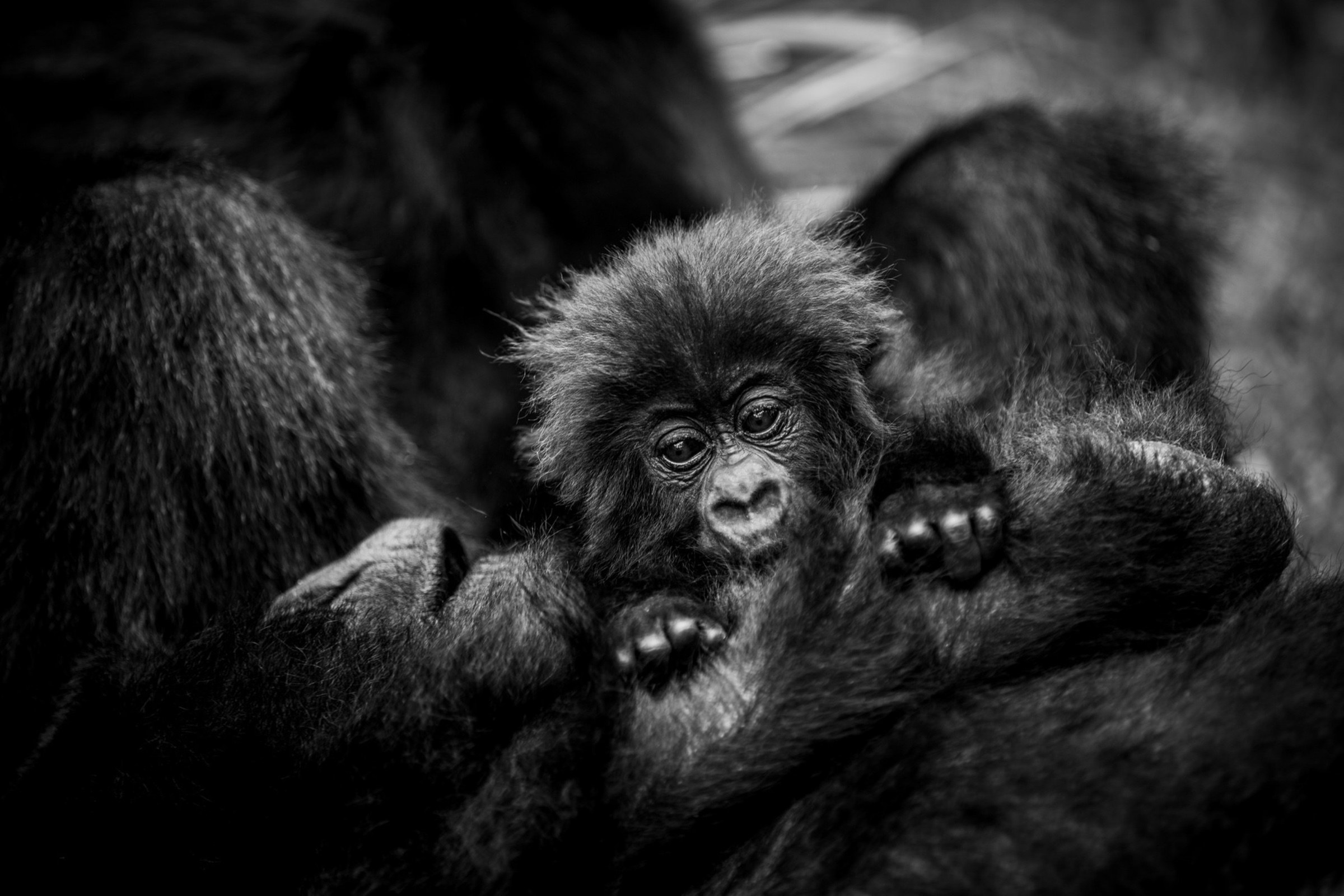
The heart of Rwanda’s gorilla experience

Volcanoes National Park sits in Rwanda’s northwest and forms part of the wider Virunga landscape. Its forested slopes are the centre of mountain gorilla trekking in the country.

Visits to habituated gorilla groups are carefully controlled. The point is to observe animals in their habitat while respecting the conditions that make this contact possible. A quiet encounter can be as compelling as an active one; the gorillas decide what happens.

The trek is part of the experience. Steep slopes, thick vegetation, mud, altitude and changing weather can all feature. Some walks are relatively straightforward, while others are physically demanding. The group’s location on the day determines the route, duration and difficulty.

A mountain gorilla infant resting between adult gorillas in Rwanda.
Volcanoes · Observe with care

Practical planning · Prepare for the forest

What is gorilla trekking in Rwanda actually like?

The day starts with an early briefing and allocation to a gorilla group. Trained guides and trackers lead the trek. Tell the team about relevant mobility or fitness concerns before allocation, but do not assume that a preferred difficulty can be guaranteed.

The walk can be steep or muddy, and its duration varies. Porters are strongly worth considering for carrying equipment and offering support on the route. A manageable backpack and suitable footwear make a more useful contribution than arriving with everything you might possibly need.

Time with the gorillas is strictly controlled. Follow ranger instructions, keep the required distance and observe the current photography and health protocols. Do not use flash or seek contact. If you feel unwell, tell your guide before the trek: gorillas are vulnerable to human disease.

Minimum ages, permit conditions, viewing rules and any health requirements must be confirmed at booking and again before travel. The park’s current requirements take precedence over a photograph or advice seen online.

Our planning note

We do not assume every traveller has the same mobility, fitness or comfort level. We discuss age, previous trekking experience, preferred pace, mobility, footwear and equipment. We also consider lodge location, the transfer to the briefing point and how many demanding days are scheduled together.

This is part of making the experience enjoyable, rather than simply achievable. Where additional assistance may be needed, we discuss the available arrangements with the local team before committing to the itinerary.

Confirm the current rules with Visit Rwanda’s official gorilla-trekking guidance. For disease prevention, see Gorilla Doctors’ visitor guidance.
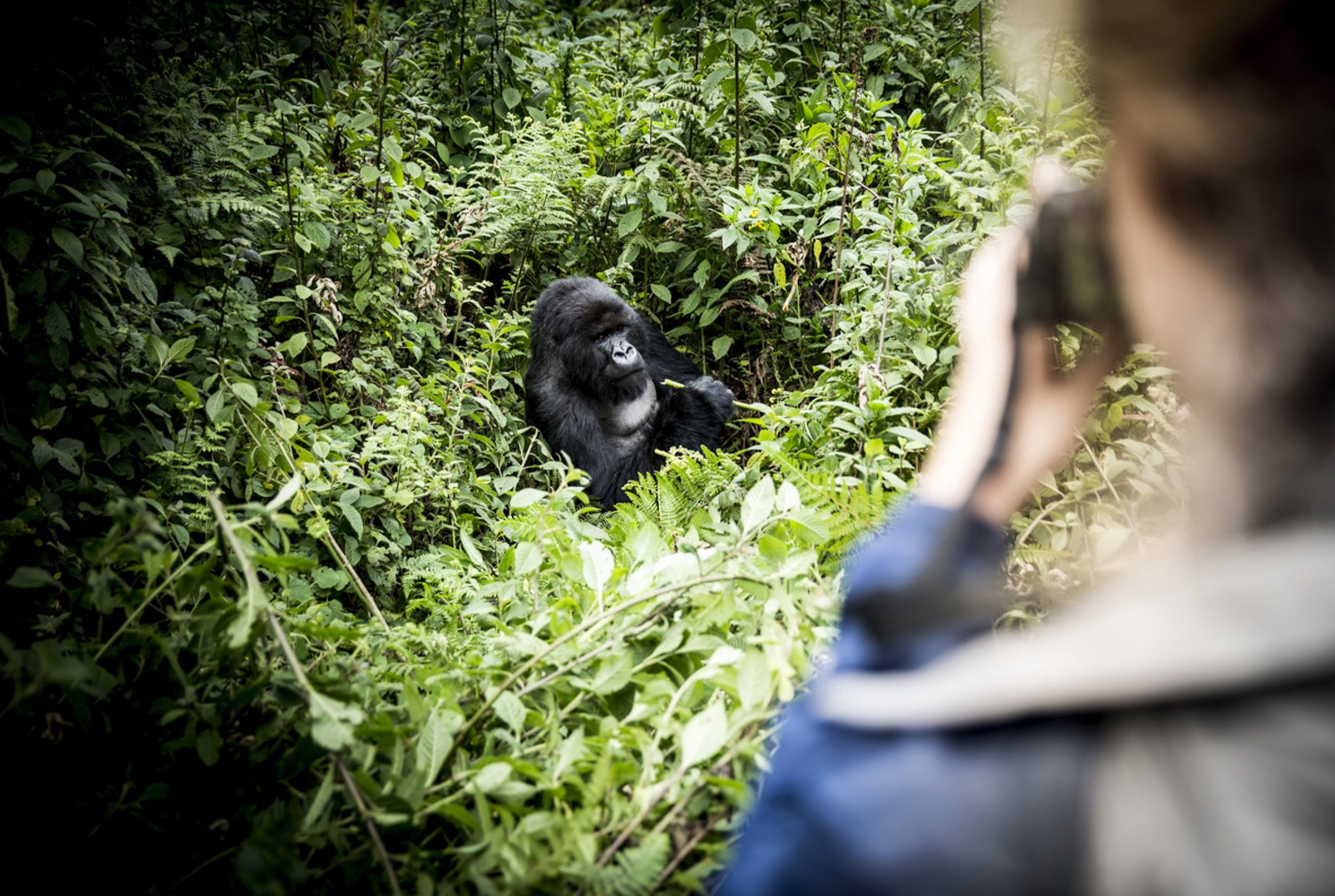
A traveller photographing a mountain gorilla amid forest vegetation in Rwanda.
Volcanoes · Time in the forest

Permit planning · Secure the experience first

Gorilla permits in Rwanda

A permit is required to take part in a gorilla trek in Volcanoes National Park. Gorilla permits are a significant part of the trip cost and should be secured early, particularly for peak travel periods.

Pricing, availability and conditions can change. We confirm the applicable permit and booking terms for your dates instead of publishing a rate that may no longer apply when you travel.

Mason & Wild can build permit planning into the wider itinerary. The trek date, lodge nights, arrival time and next transfer should work together. A room reservation on its own is not confirmation of a gorilla permit.

Confirm the current rules with Visit Rwanda’s official gorilla-trekking guidance. For disease prevention, see Gorilla Doctors’ visitor guidance.

Volcanoes · A different primate encounter

Golden monkey trekking
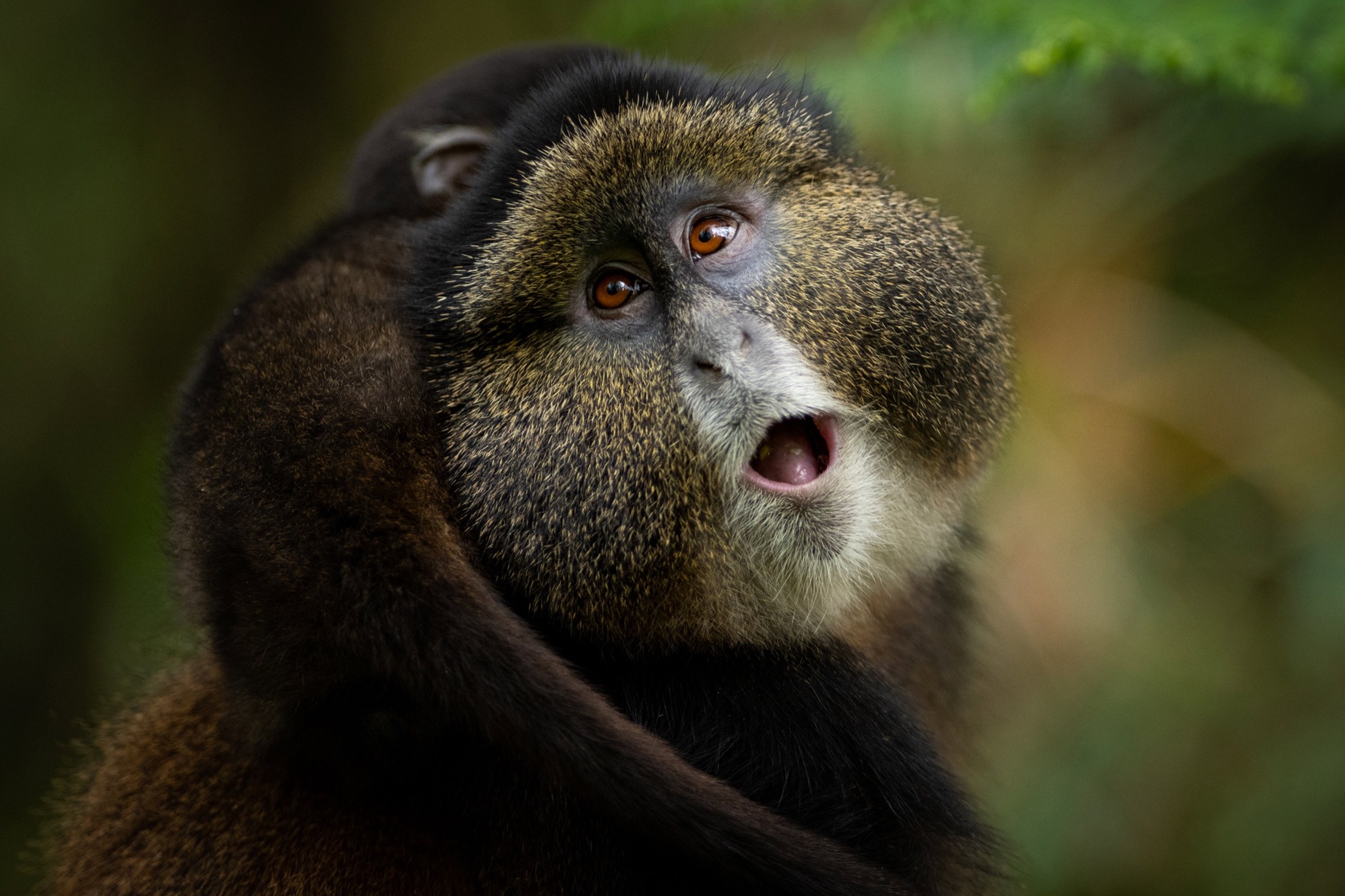
Mountain gorillas receive most of the attention in Volcanoes National Park, but they are not the only primate experience. Golden monkeys inhabit the bamboo forests of the Virunga landscape and offer a different kind of observation.

They are fast and active, moving between vegetation and branches. Photography can require patience and quick reactions. Allow the encounter to be interesting even when the animals do not pause where you would like them to.

A golden monkey trek works particularly well as a second forest activity for travellers interested in primates. It complements gorilla trekking rather than replacing it. Confirm its permit, age requirements and practical arrangements separately, and leave room to recover between active mornings.

A golden monkey looking through the forest in Rwanda.
Volcanoes · Golden monkeys

Eastern Rwanda · Savanna and wetland

Akagera National Park
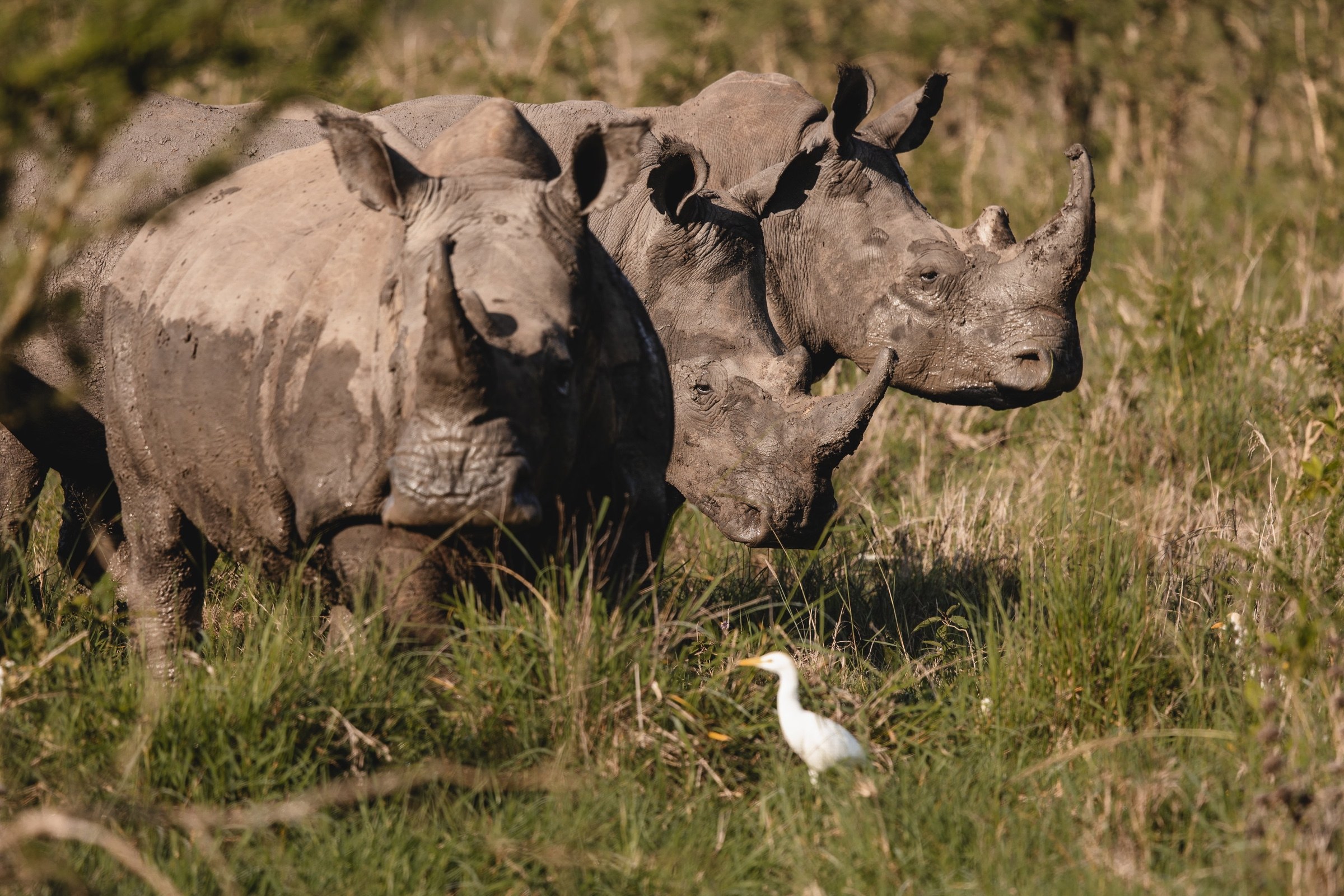
Rwanda’s savanna safari

Akagera changes the way many travellers think about Rwanda. Open savanna, woodland, wetlands, lakes and rolling hills create a safari landscape quite different from the volcanic forests.

The park supports lion, rhino, elephant, buffalo and leopard, as well as giraffe, zebra, hippo, crocodile, antelope and extensive birdlife. Game drives can be complemented by a boat experience, where available, giving a different view of the wetland habitats.

Akagera’s wildlife profile reflects years of restoration and protection, including the return of lions and black rhinos. It is a particularly useful contrast to primate trekking within a Rwanda itinerary.

Is Akagera a replacement for the Serengeti or Botswana?

Not necessarily. If your only objective is the highest possible density of classic big-game sightings, another destination may be a stronger standalone safari choice. Sightings in Akagera are never guaranteed, and the experience has its own scale and rhythm.

Akagera becomes especially compelling when paired with Rwanda’s primates, Kigali and lakes. You can add a proper savanna chapter without introducing another country. That contrast is the reason to include it.

Rhinos standing together in grassland in Akagera National Park, Rwanda.
Akagera · Wildlife restored

Akagera · Management over time

A conservation recovery story

Akagera’s modern identity is inseparable from conservation. The partnership between the Rwanda Development Board and African Parks combines park management, protection, monitoring and restoration. Lions and black rhinos were reintroduced as part of that sustained work.

Tourism revenue contributes to the model, alongside anti-poaching, habitat management, local employment and relationships with neighbouring communities. Describing this simply as tourism saving a park misses the professional work and long-term commitments behind the recovery.

For travellers, the value is in understanding how the landscape is managed, as well as seeing its wildlife. We favour partners who can explain their contribution in practical terms, with evidence beyond a sustainability slogan.

Read about the park’s management and recovery in African Parks’ Akagera account.
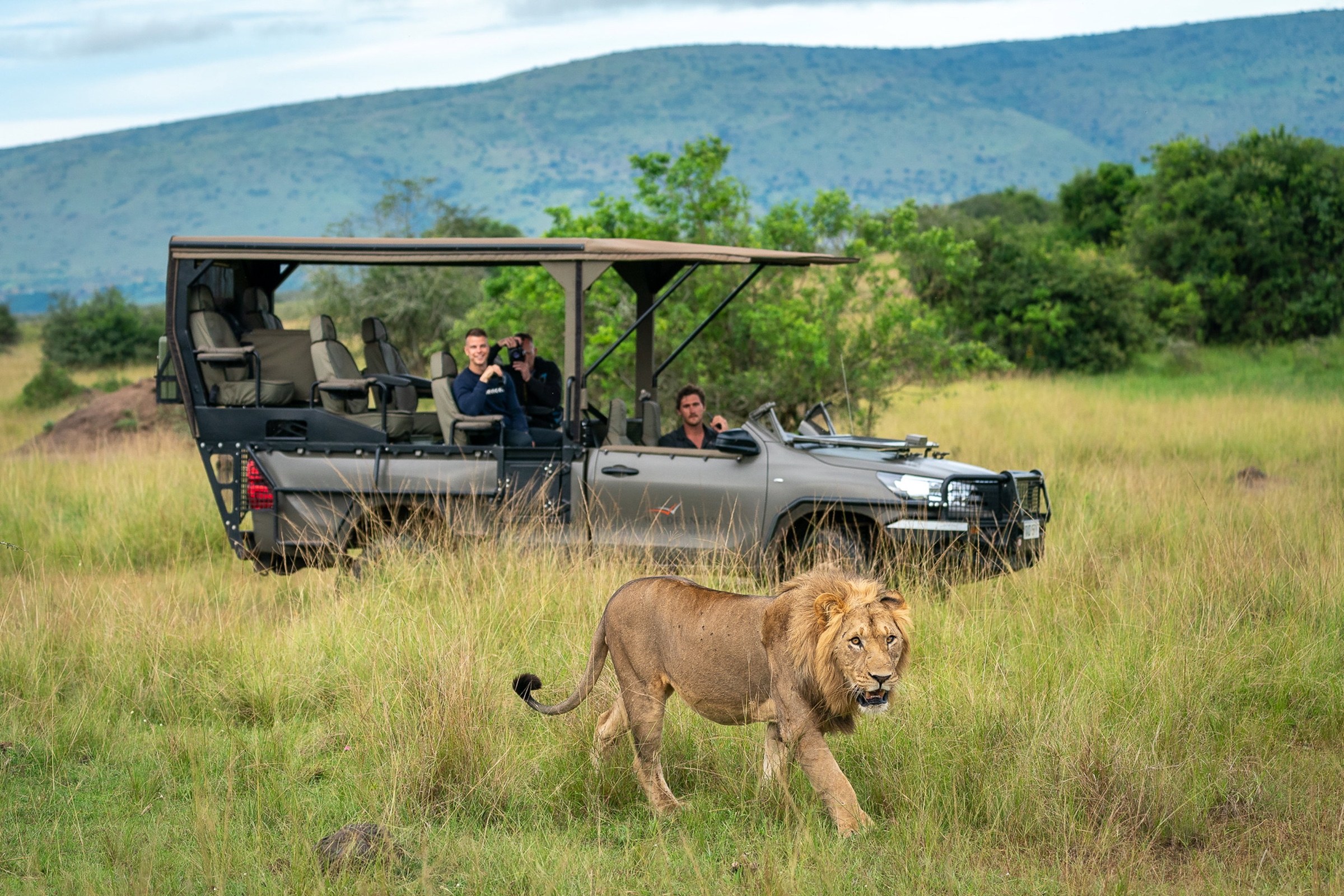
A lion walking beside a safari vehicle in Akagera National Park.
Akagera · Rwanda’s savanna safari

Southwest Rwanda · Montane rainforest

Nyungwe National Park

Rainforest, chimpanzees and primate diversity

Nyungwe protects a biodiverse montane rainforest ecosystem. It offers a different experience from both Volcanoes and Akagera, with chimpanzee trekking, other primates, birding, forest hikes and canopy experiences.

This is a forest stay, with time spent listening, walking and looking through vegetation. Rain is part of the environment. Trail choice, weather, fitness and the location of your lodge affect the day, so select activities rather than trying to fit every walk into a short visit.

Nyungwe adds another early start and potentially demanding trekking day to a journey. It suits travellers who actively want that forest chapter. It is less useful as a brief detour included merely because there is another national park on the map.

Gorilla trekking and chimpanzee trekking

Once a gorilla group is located, observation is often quieter and more still, within a tightly controlled viewing environment. Chimpanzees can move quickly through the canopy or forest, with vocal calls and less predictable viewing positions.

Neither experience should be sold as a guaranteed close sighting. Both reward patience, attentive guides and realistic expectations. If you enjoy primates, their differences make the combination more interesting than repeating the same type of encounter.

Explore the forest and current activities through Nyungwe’s official park website.

Contemporary Rwanda · A city in its own right

Kigali
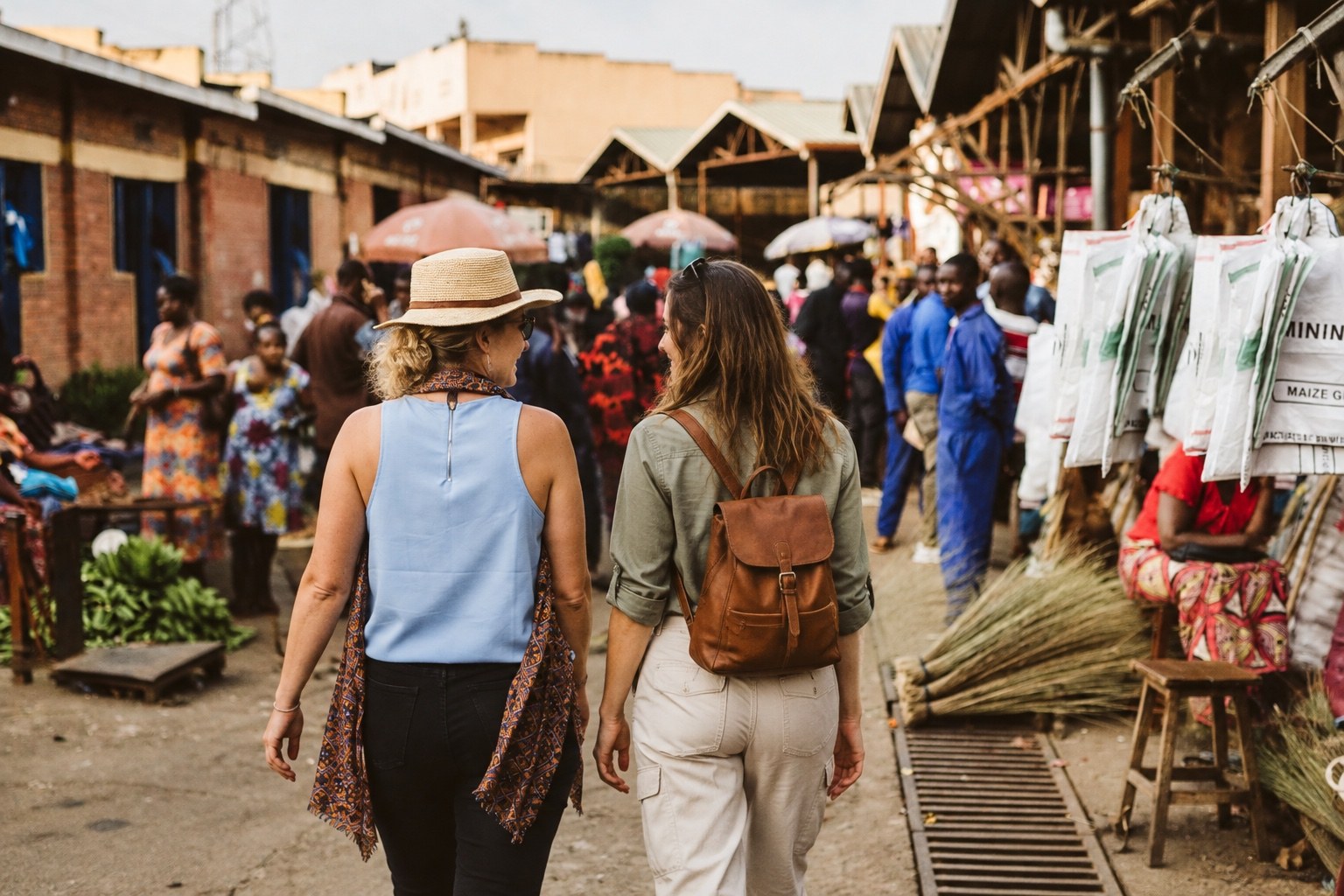
Do not treat it as an airport stop

Kigali deserves time beyond a bed between flights. Food, coffee, art, design and markets provide an introduction to contemporary Rwanda, while its hills and neighbourhoods give the city a distinct geography.

Build a day around your interests: a local guide can connect a market visit with crafts and enterprise, an artist’s work with the wider creative scene, or a meal with the ingredients and influences behind it. Coffee is a useful thread between the capital and the agricultural landscapes elsewhere in the country.

Restaurants, independent businesses and everyday city life give Kigali substance beyond descriptions of cleanliness or order. One or two considered nights can establish context before the journey moves into the parks. Arrive with room for a conversation, rather than a list of photo stops.

Two women walking through a market in Kigali.
Kigali · Everyday life and local enterprise
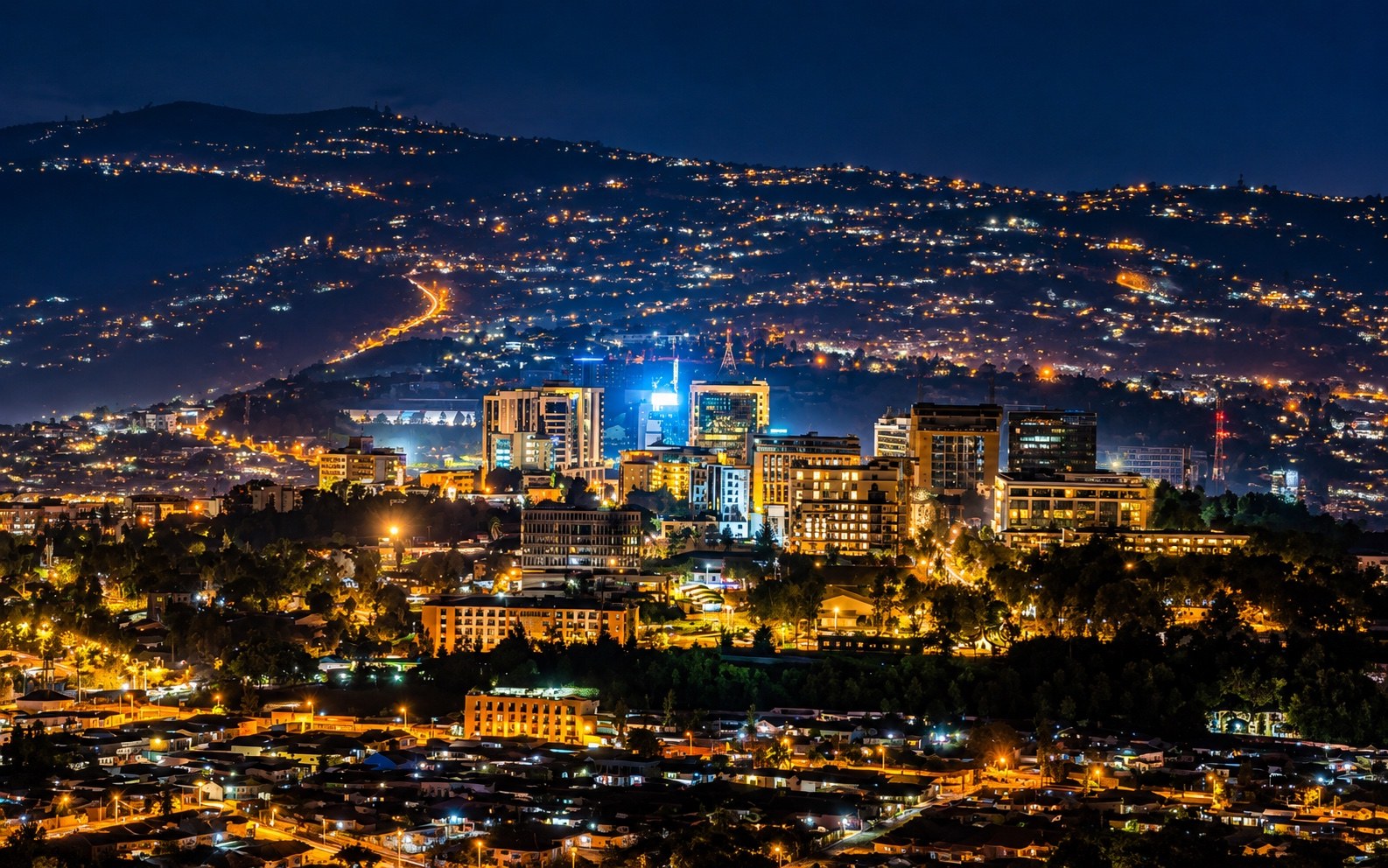
Kigali city buildings and hillside neighbourhoods lit up at night.
Kigali · A contemporary capital

Remembrance · Allow time and attention

Understanding Rwanda’s history

A thoughtful journey through Rwanda should acknowledge the 1994 genocide against the Tutsi. The Kigali Genocide Memorial is a place of remembrance and education, honouring lives lost and helping visitors understand what happened.

For many travellers, visiting the memorial provides essential context for understanding Rwanda’s recent history, its losses and the country’s subsequent rebuilding.

We allow appropriate time and avoid placing the visit inside a rushed sightseeing schedule. Follow the memorial’s guidance, approach the space respectfully and leave room afterwards to reflect. A visit should not be reduced to another item completed before a transfer.

Learn about the memorial’s work and visitor guidance from the Kigali Genocide Memorial.

Western Rwanda · Time beside the water

Lake Kivu

A slower rhythm

Lake Kivu changes the pace after trekking and safari. Towns, hills, small beaches and lakefront properties give this part of the journey a more settled rhythm, with fewer early starts and more time in one place.

Depending on the chosen location and local conditions, boating, kayaking, lakeside walks, cycling and coffee experiences can be included. Swimming needs local advice about the particular water and shore; a lake view is not a blanket assurance that every activity is suitable.

Why Lake Kivu can improve an itinerary

After physically active days, a pause can make the whole journey feel better balanced. You might use a lake stay after Volcanoes, or as part of a route towards Nyungwe, if the transfers and current travel advice support it.

Location matters here. We check the specific town, property, route and current border-area advice before recommending a stay. Lake Kivu is not one interchangeable destination, and a possible route is not a recommendation irrespective of conditions.

Current planning context · October 2026

UK advice recommends essential travel only in specified parts of Rusizi District near the DRC border, including Kamembe Airport and Rwandan islands in that area of Lake Kivu. Check the exact location, route and insurance implications in current official travel advice.
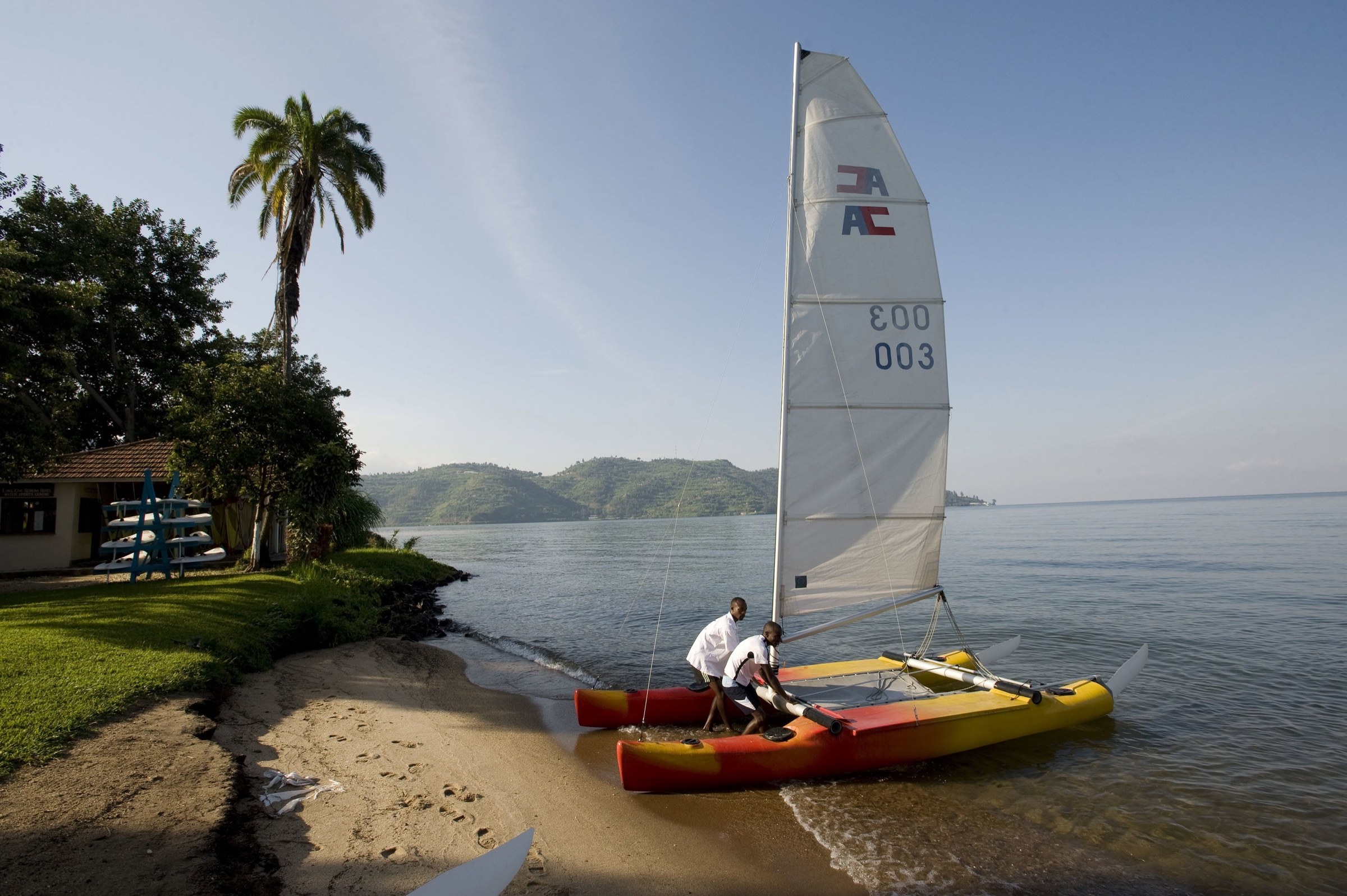
Two people preparing a sailing catamaran on the shore of Lake Kivu.
Lake Kivu · A slower rhythm

Rwanda · Look for practical outcomes

Conservation in Rwanda

Mountain gorilla conservation in the Virunga landscape and Akagera’s recovery are two important parts of Rwanda’s tourism identity. Habitat protection, professional management, research and monitoring sit behind the experiences travellers encounter.

Tourism contributes economically, but a luxury trip does not automatically create positive impact. Responsible choices consider park management, conservation outcomes, local employment, community benefit, supplier behaviour and the way wildlife is viewed.

Mason & Wild increasingly favours partners that can demonstrate practical conservation or community value. We look at how a stay operates and where benefits go, rather than treating a sustainability label as sufficient evidence.

Contemporary Rwanda · Enterprise and participation

Travel beyond wildlife
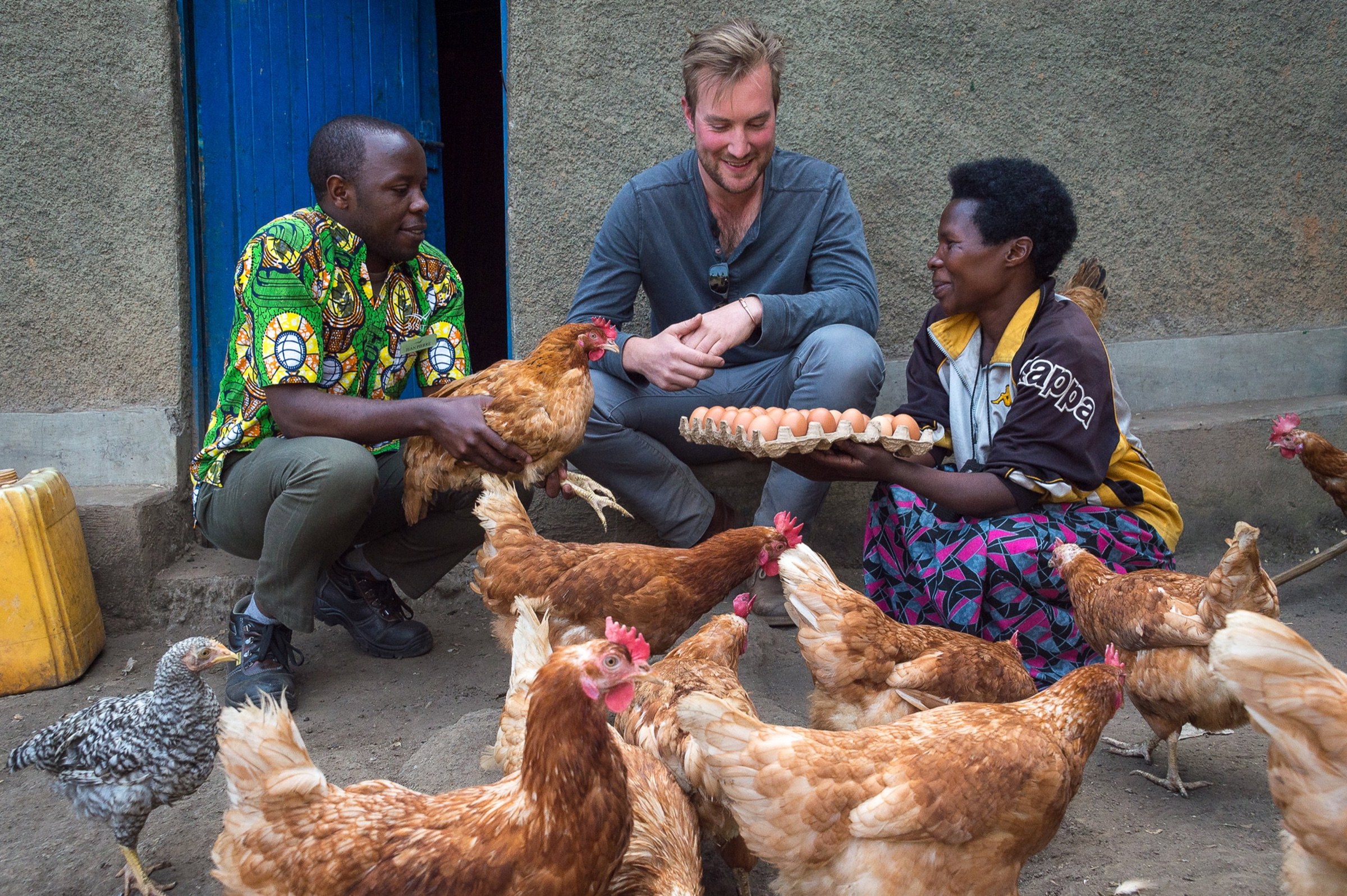
Rwanda has a contemporary identity shaped by cities, agriculture, enterprise, conservation, education and community life. It should not be presented as a set of wildlife parks separated by villages.

Coffee, food, craft, farming and local businesses can all contribute to a journey when the hosts want to share their work. The useful questions concern ownership, skills, employment, partnership and economic participation.

A visit should have a clear purpose and appropriate arrangements with the people involved. We do not assume all community-based tourism is positive. Consent, fair compensation, photography expectations and the benefit to hosts matter more than the visitor’s desire to feel helpful.

A visitor speaking with local hosts beside chickens and a tray of eggs in Rwanda.
Rwanda · Enterprise and shared knowledge

Language, craft, music and dance

Culture in Rwanda
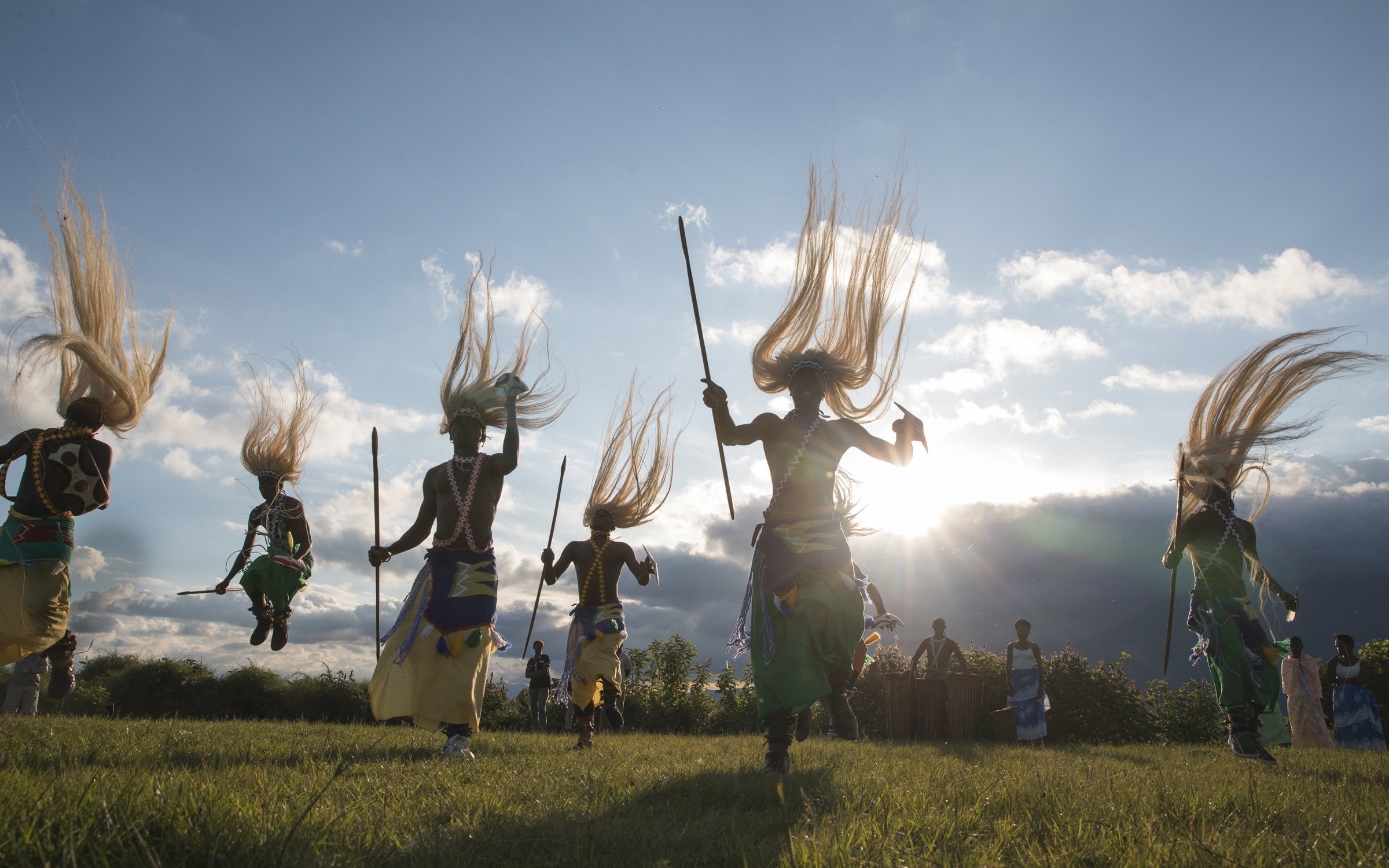
Rwanda’s cultural life is expressed through language, music, dance, food, craftsmanship and social traditions. It also belongs to the present: artists, designers and performers interpret their heritage in different ways.

Where a performance forms part of an itinerary, it deserves context. Let the hosts explain what they are sharing and how they want it understood. We avoid assigning a particular name or cultural group to a photograph without reliable source information.

Ask before taking photographs and allow the exchange to be led by the people hosting it. A respectful experience makes space for their perspective, rather than expecting them to fulfil a visitor’s idea of African culture.

Dancers in colourful dress performing outdoors in Rwanda at sunset.
Rwanda · Dance shared with context

Where to stay · The whole journey matters

What luxury means in Rwanda
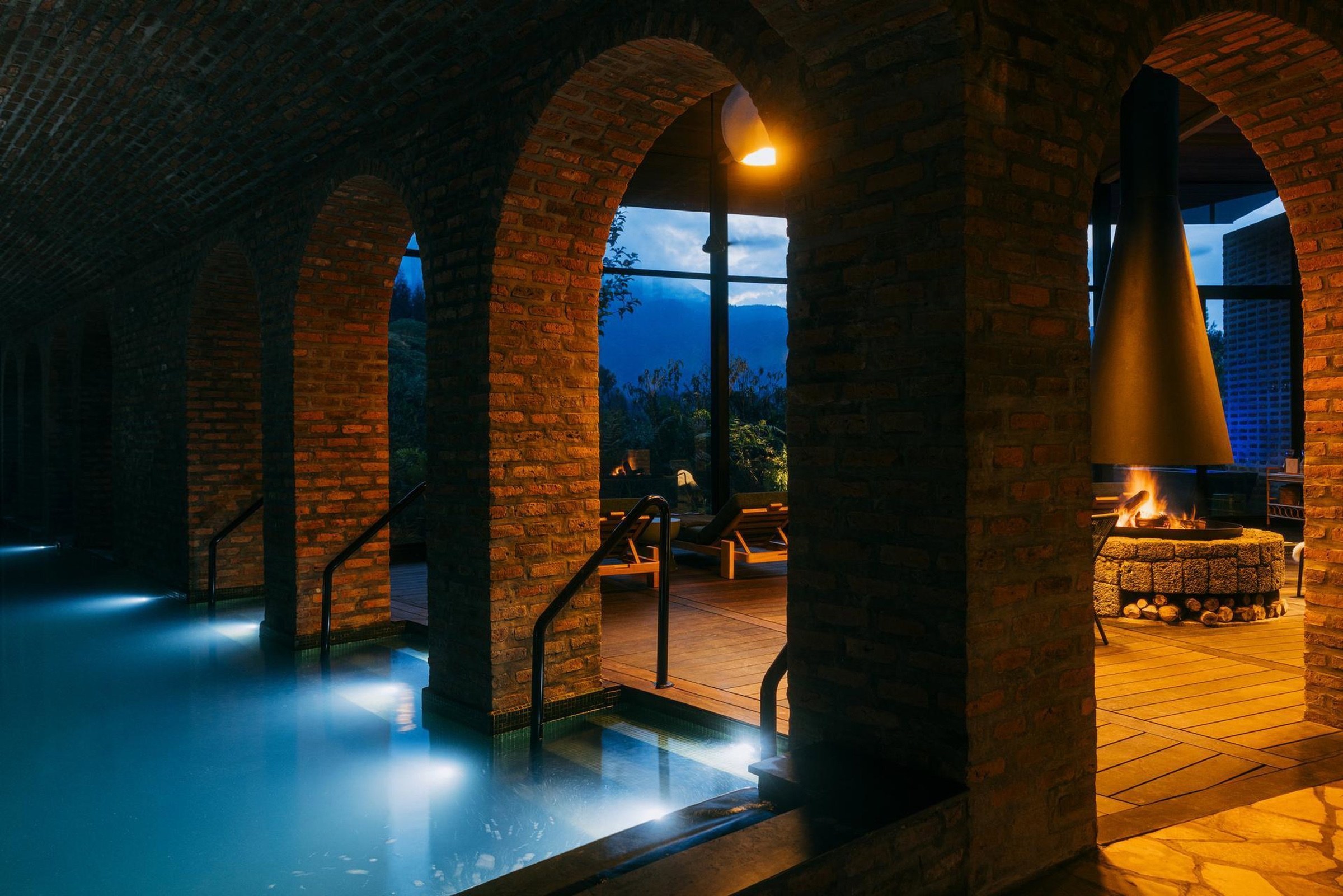
Rwanda has developed a strong high-end travel offering, particularly around Volcanoes National Park. Location, privacy, architecture, thoughtful service and a carefully designed stay can all make time around a trek more comfortable.

Guiding, access to the briefing point, conservation connections and small guest numbers matter alongside the room. A lodge should support the physical rhythm of your journey, including recovery after a demanding morning.

The most expensive lodge is not automatically the best lodge for every traveller. We consider transfer time, room layout, steps, comfort preferences and how much time you intend to spend at the property. A beautiful stay loses some of its value if every day begins with an unnecessarily long drive.

Mason & Wild plans around the complete itinerary, rather than treating accommodation as a ranking exercise. City, safari, forest and lake stays each have a different job to do.

An illuminated lodge pool beside brick arches and a fireplace in Rwanda.
Rwanda · Comfort after an active day
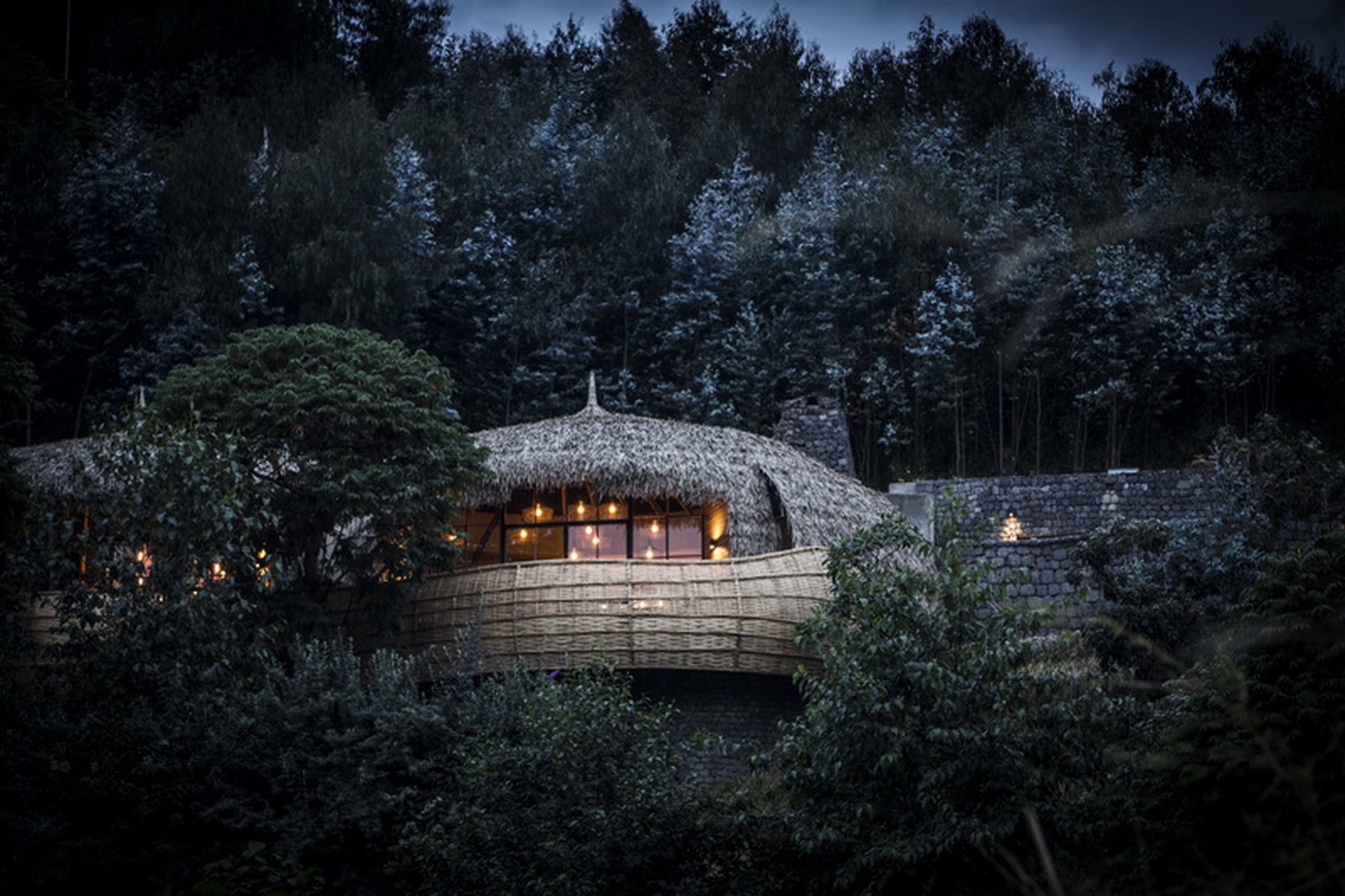
A warmly lit thatched lodge surrounded by forest in Rwanda at dusk.
Rwanda · Architecture within the landscape

Seasonal planning · Forest weather is variable

When is the best time to visit Rwanda?

Rwanda can be visited year-round. Relatively drier periods are often preferred for trekking comfort, but forest weather remains changeable. The right month depends on your activities, wider routing, budget and tolerance for rain.

June to September

A popular period for gorilla trekking and general travel, with conditions often drier and footing more manageable. It can also work well alongside an East African safari. Rain remains possible, particularly in the forests.

December to February

Another relatively drier planning window for primates and general travel. The season’s edges are variable, so do not treat an entire calendar month as a guarantee of dry trails.

March to May

Longer rains can bring wetter, more demanding trails and affect transfers. The landscape is lush. Flexible travellers may appreciate lower seasonal pressure, but comfort and access should be considered before any potential price advantage.

October to November

The shorter-rain period remains workable for travel with appropriate expectations. Wet conditions can begin earlier or continue later than these broad headings suggest. Leave flexibility around walks and lake activities.

Photography priorities and a Tanzania or Kenya safari extension may point to different dates from a trip focused only on Rwanda. We work through the whole journey rather than selecting a month for one activity in isolation.

Seasonal boundaries are approximate. See Visit Rwanda’s climate guidance.

Travel style · A useful fit

Who should travel to Rwanda?

First-time Africa travellers

A compact journey with contrasting experiences can be a rewarding introduction. Good pacing and realistic expectations about trekking are essential.

Primate enthusiasts

Gorillas, golden monkeys and chimpanzees offer different encounters. Allow enough time and recovery if you want to combine several treks.

Safari travellers who want variety

Akagera adds a savanna chapter within the same country. It works best when that contrast is part of your reason for choosing Rwanda.

Couples and honeymooners

Private stays, forest landscapes and time beside a lake can make a considered journey for two. Select activities and partners around the couple’s comfort.

Repeat safari travellers

Forest and primate experiences offer a different rhythm from vehicle safari. Rwanda can add a new dimension without another long sequence of game drives.

Active travellers

Trekking, forest walks, hiking and cycling can shape the route. Match the activity sequence to your fitness and preferred pace.

Families

A family journey is possible, but primate age restrictions are important. Confirm each activity’s rules and select accommodation for the children’s ages and interests.

See how this destination fits your priorities in our first-safari destination guide.

Destination context · Informed and supported

LGBTQ+ travel in Rwanda

Mason & Wild specialises in LGBTQ+ travel across Africa, which means planning with both enthusiasm and realism. LGBTQ+ travellers do visit Rwanda successfully, including on professionally planned journeys using established hotels, lodges and tourism partners.

Consensual same-sex sexual activity is not illegal in Rwanda. That does not mean public attitudes, social norms or the experience of travelling openly as a couple are the same as in South Africa. Legal status and social acceptance are different considerations.

We select appropriate accommodation partners, discuss room configuration and couple preferences, brief suppliers where useful and work with trusted guides and drivers. Destination-specific advice comes before departure, rather than leaving you to interpret the context on arrival.

We do not assume how openly anyone wishes to present their relationship. Our aim is for travellers to be informed and supported, with their privacy and preferences understood. Thoughtful planning is valuable, but it is not a guarantee of every interaction.

Legal context checked October 2026 against current official LGBTQ+ travel advice for Rwanda. Recheck before departure.

For the wider destination context, read our LGBTQ+ Africa travel guide.

Mason & Wild · Planning knowledge

How we plan Rwanda

Mason & Wild has planned Rwanda journeys for numerous clients over the years, particularly combining gorilla trekking with Kigali, Akagera, Lake Kivu and wider East African itineraries.

Client feedback helps shape how we plan Rwanda in practice, including the time allowed around trekking, the balance between demanding activities and slower days, and where a short itinerary risks becoming overloaded.

Our Rwanda knowledge draws on that planning experience, supplier knowledge and destination research. Zannon James has not personally travelled to Rwanda. We distinguish that knowledge from first-hand experience rather than presenting one as the other.

  • Avoiding too many physically demanding days in sequence
  • Transfer times and lodge positioning
  • Permit availability and the timing of gorilla trekking
  • Whether a full savanna safari is actually wanted
  • How much downtime will improve the journey
  • Connections to a wider East African itinerary

Compact does not mean rushed.

The biggest planning mistake is assuming that a small country should be fitted into one short trip. Choosing fewer regions can give you a fuller experience of the places you do visit.

Before selecting properties, read our complete safari planning guide. The Safari Planning hub brings these decisions together.

Planning frameworks · Adapted to you

How to combine Rwanda

These are starting points, not fixed packages. Permit availability, road transfers, flight schedules, season, budget, fitness and available nights determine the final route. The sequence is adjusted to make the geography and current conditions work.

Kigali and Volcanoes National Park

For a short gorilla-focused journey, consider one or two nights in Kigali and two or three around Volcanoes. Allow an arrival buffer and time to settle before the trekking morning.

Kigali, Volcanoes and Akagera

For gorillas plus safari, a useful starting rhythm is one or two nights Kigali, three nights Volcanoes and three nights Akagera. The order depends on permits, arrival and departure plans.

Kigali, Volcanoes and Lake Kivu

For primates and slower travel, consider one or two nights Kigali, three nights Volcanoes and two or three beside Lake Kivu. The particular lakeside location and current travel advice must support the route.

A wider Rwanda journey

Kigali, Volcanoes, Lake Kivu, Nyungwe and Akagera can reveal the country’s range, but this requires more time. Do not force all five into a seven-night circuit. Nyungwe and Akagera lie in different directions, so transfers deserve careful planning.

Rwanda within a wider African journey

Tanzania, Kenya or Uganda can be considered where your interests and connections justify the additional country. South Africa offers another kind of contrast through city, Winelands and private safari. Confirm schedules and entry requirements for the actual route.

Logistics · Read the route, not just the map

Getting around Rwanda

Many Rwanda journeys can be planned largely by road. Transfers introduce you to changing landscapes, towns and agricultural areas between destinations, while retaining continuity with a guide and driver.

Mountain roads, traffic and the position of a lodge still affect travel time. Nyungwe is not a brief detour from Volcanoes, and adding Akagera to a western route requires a considered transfer plan.

Some journeys may use flights or helicopter transfers according to access, availability and budget. We confirm the actual service and timings for your dates. A shorter map distance is not sufficient evidence of an easy travel day.

Pace · Time where it matters

How many nights do you need in Rwanda?

Four to five nights can work for a short Kigali and gorilla-trekking journey. Seven to ten nights allows a broader experience with carefully chosen regions. Ten to twelve nights can balance primates, safari, the capital and a lake stay without turning every day into a transfer.

A useful framework is one or two nights Kigali, two or three Volcanoes, two or three Akagera and two or three at Lake Kivu or Nyungwe. These are alternatives to adapt, not a requirement to book every place.

Including both Nyungwe and Akagera, as well as the lake and Volcanoes, may call for more time. Flight connections and permit dates can also change the ideal length. We would rather use your nights well in fewer places than compress the country’s full range into an exhausting circuit.

Rwanda · Confirm the details

Practical planning before you travel

Entry, health and insurance

Check Rwanda’s current entry requirements for your passport and any onward countries. Discuss vaccinations, malaria prevention and personal health needs with a travel-health professional. Confirm that insurance covers the intended trekking and any required evacuation arrangements.

Current regional advice

Travel conditions near the Democratic Republic of the Congo border can affect western routing and particular Lake Kivu locations. Check current official advice and insurance implications before booking, and again before departure. Conditions in one border area should not be assumed to describe the whole country.

Trekking preparation

Prepare sturdy hiking footwear, long trousers, long sleeves, light waterproof protection and suitable gloves. Confirm the current park health and photography rules, activity ages and any assistance arrangements with the local team. Illness should be disclosed before a primate trek.

Use Rwanda Immigration’s visa information and current official travel advice for the actual route.

Consult a qualified travel-health professional and CDC’s Rwanda health guidance before departure.

Useful answers

Frequently asked questions about Rwanda

Is Rwanda worth visiting beyond gorilla trekking?

Yes. Rwanda can combine gorilla trekking with Akagera’s savanna safari, chimpanzees and rainforest in Nyungwe, Kigali, Lake Kivu, golden monkeys and conservation-focused travel. Choose the regions that suit your interests and give them enough time.

How many days do you need in Rwanda?

Four to five nights can work for a short gorilla-focused journey. Seven to ten nights allows a broader itinerary, while ten to twelve nights is a useful starting point for combining several regions. A route including both Nyungwe and Akagera may need more time, depending on transfers and pace.

Is Akagera National Park worth visiting?

Yes, particularly if you want gorillas and conventional safari within the same country. Akagera supports lion, rhino, elephant, buffalo, leopard, giraffe, zebra, hippo and extensive birdlife. Its lakes and wetlands add another dimension. Wildlife sightings remain unpredictable.

Can you see the Big Five in Rwanda?

Akagera National Park supports the Big Five: lion, leopard, elephant, buffalo and rhino. Sightings are never guaranteed, and its safari experience differs from larger ecosystems such as the Serengeti or Botswana. It is especially rewarding as a contrast to Rwanda’s primates.

Is gorilla trekking in Rwanda difficult?

It can be. Some treks are relatively straightforward, while others involve steep slopes, mud, dense vegetation and altitude. Difficulty depends on where the gorilla group is located on the day. Discuss your fitness and mobility beforehand, consider a porter and avoid assuming that a shorter trek is guaranteed.

What should I wear for gorilla trekking?

Sturdy hiking footwear, long trousers, long sleeves, lightweight rain protection and suitable gloves are commonly recommended. Keep your bag manageable and confirm current park guidance before travel. Your guide’s instructions on health, distance and photography take precedence on the day.

Confirm current official trekking guidance

Are gorilla permits included in a Rwanda safari?

This depends on the itinerary and its confirmed inclusions. Mason & Wild can arrange permit planning as part of the wider journey. Check that your quotation explicitly accounts for the permit and its booking conditions. A lodge booking alone does not secure a trekking permit.

Is Nyungwe worth visiting?

Yes, especially if you are interested in chimpanzees, other primates, rainforest, hiking, birdlife and biodiversity. Allow enough time for the forest and its early starts. Chimpanzees can move quickly and viewing positions vary; close sightings are not guaranteed.

Is Kigali worth staying in?

Yes. Kigali offers food, coffee, art, markets, design and contemporary city life. The Kigali Genocide Memorial provides important historical context as a place of remembrance and education. A considered city stay can give the rest of the journey more depth.

Is Rwanda suitable for LGBTQ+ travellers?

LGBTQ+ travellers do visit Rwanda successfully. Consensual same-sex sexual activity is not illegal, but social attitudes can be conservative. Mason & Wild considers accommodation, room configuration, guides, logistics and your personal comfort with the destination context. We provide practical advice without assuming how openly you wish to present your relationship.

Read current official advice on the legal and social context

Sources and planning knowledge

This guide combines Mason & Wild’s client planning and supplier knowledge with destination research. It does not claim first-hand Rwanda travel by Zannon James or present individual client stories as testimonials.

Park, conservation and practical context is checked against Visit Rwanda, African Parks, Nyungwe’s official park information, Gorilla Doctors, the Kigali Genocide Memorial and official travel guidance. Relevant references are linked beside the corresponding sections.

Seasonal patterns are approximate. Permit rules, park protocols, access, border-area advice and operating arrangements are checked for the dates and route of each journey.

Rwanda · Private journey design

Plan Rwanda as a complete journey

Gorilla trekking may be the experience that brings you to Rwanda. It does not have to be the only experience that defines the trip.

The strongest journeys balance primates, safari, city, conservation and time to slow down. Tell us what matters most to you and we will build the route around it.

Start Planning Your Rwanda SafariExplore The Explorer

Mason & Wild Luxury Safaris
Private African travel, thoughtfully designed.

Private enquiries are reviewed personally. Your details are handled with discretion and used only to understand whether Mason & Wild is the right fit for your journey.

The Quarterly Journal

Receive the next issue when it publishes.

By submitting this form, you agree that Mason & Wild may process your personal information to respond to your enquiry and manage related communications in accordance with our Privacy Policy.