


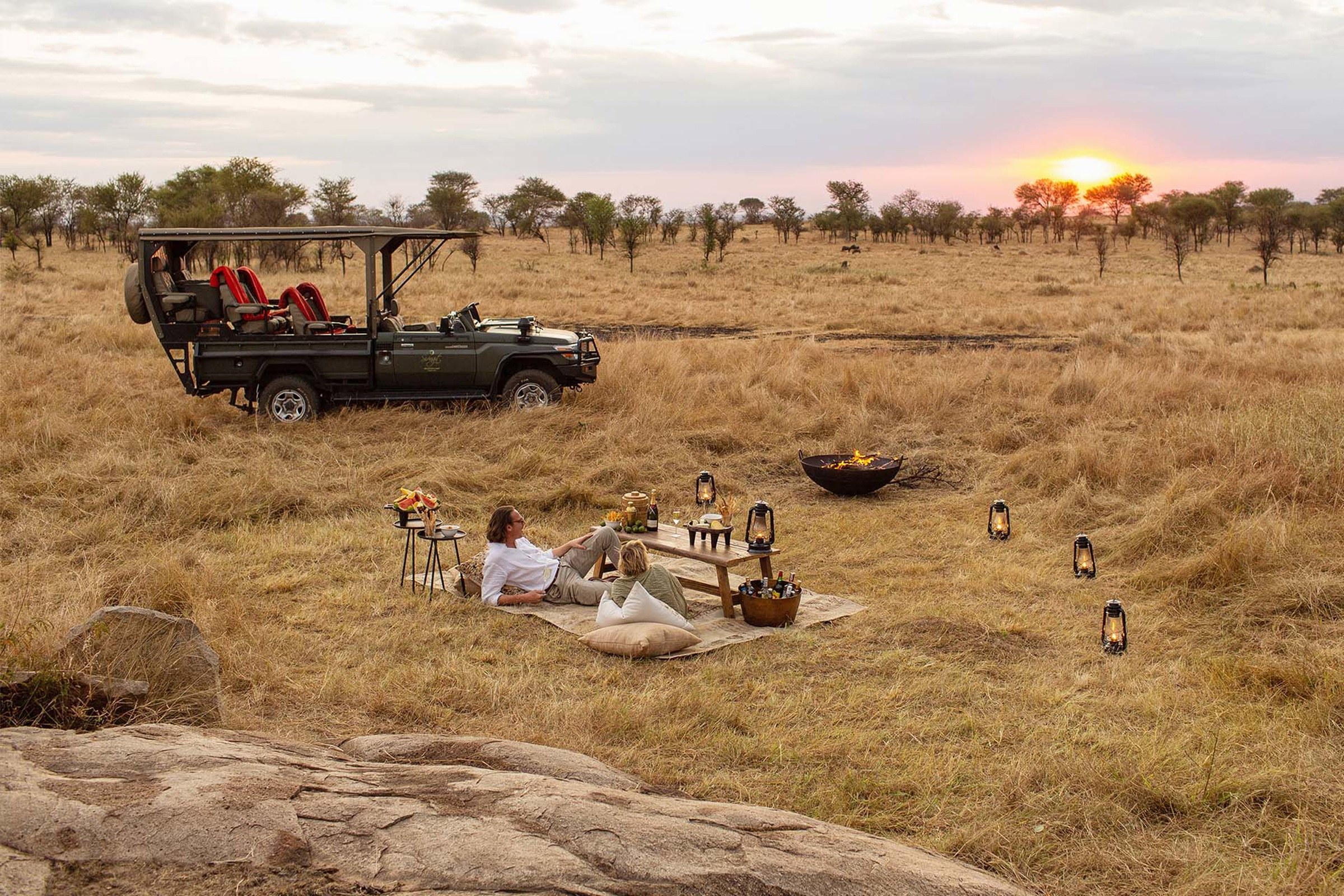
Planning your first African safari can become overwhelming very quickly.
You start with a simple idea.
“I want to go on safari.”
Then suddenly you are comparing South Africa with Botswana, Tanzania with Zambia, private reserves with national parks, lodges with tented camps, green season with peak season, charter flights with road transfers, and somebody is asking whether you want a plunge pool.
None of those decisions should come first.
For a closer look at the main options, compare South Africa, Botswana, Tanzania and Zambia.
The best African safaris begin with a much simpler question:
“What do you actually want Africa to feel like?”
Once we understand that, the geography, lodge choice, season and routing become much easier.
This guide explains how we approach safari planning from the beginning, including the decisions that genuinely matter and the ones travellers often spend too much time worrying about.
1. Start with why you want to go to Africa
Before choosing a lodge, choose the reason.
This sounds obvious, but it is where a surprising number of safari itineraries go wrong.
Some travellers have dreamed about the Serengeti since childhood.
Some want to see elephants.
Some want leopards.
Some want the Okavango Delta.
Some want to walk through the bush.
Some want safari followed by a beach.
Some want Cape Town and wine with four nights of wildlife in the middle.
Some want nothing more than silence, wilderness and no schedule.
Those are not the same trip.
One of our favourite questions to ask is:
“What made you think of Africa?”
The answer usually tells us much more than asking which lodge somebody likes.
2. Decide how important safari is within the whole journey
Not every African holiday needs to be fourteen nights of safari.
For many first-time travellers, it should not be.
A first journey might look like:
Cape Town + Winelands + safari
or:
Serengeti + Zanzibar
or:
Victoria Falls + Botswana
or:
South Africa + Mozambique
Safari may be the centrepiece without being the entire trip.
This also changes your budget considerably.
A four-night safari at an expensive lodge does not mean every night of your twelve-night journey needs to cost the same amount.
The trip should be designed as a whole.
3. Choose the right country before choosing the lodge
This is one of the most important rules in safari planning.
Do not fall in love with a hotel before you know whether the destination itself is right for you.
A beautiful lodge cannot compensate for the wrong ecosystem, poor routing or travelling at the wrong time for what you want to experience.
A simple starting point:
South Africa
Best for travellers who want a versatile first trip combining safari with Cape Town, food, wine and other experiences. Explore South Africa
Botswana
Best for wilderness, privacy, low guest density and the Okavango Delta. Explore Botswana
Tanzania
Best for the Serengeti, Great Migration and huge wildlife landscapes. Explore Tanzania
Zambia
Best for walking safari, exceptional guiding and smaller bush camps. Explore Zambia
Zimbabwe
Best for guiding, Hwange, Mana Pools and Victoria Falls combinations. Explore Zimbabwe
Namibia
Best for landscapes, road trips, photography and desert wildlife. Explore Namibia
Mozambique
Best as a safari and beach combination, particularly for travellers interested in the Indian Ocean and conservation.
Rwanda
Best for gorilla and primate experiences. Explore Rwanda
The question is not which country wins.
It is which country matches you.
4. Work out when you can travel
Safari seasonality matters.
But “best time to go” is often oversimplified.
Peak season may offer excellent wildlife conditions.
It may also mean:
- Higher prices
- More vehicles
- Busier camps
- Less availability
Green season may mean:
- Lower rates
- Dramatic skies
- Lush landscapes
- Excellent photography
- Fewer travellers
- Young animals
- Different wildlife movements
It can also mean rain, heat or temporary camp closures depending on the destination.
The right season depends on what you want.
If you are travelling for the Great Migration, timing matters enormously.
If you simply want an excellent first safari in South Africa, you may have considerably more flexibility.
Do not choose travel dates based only on a generic “best time for Africa” article.
Africa is too large for that advice to be useful.
5. Be realistic about your budget
Safari can be expensive.
But one of the biggest mistakes travellers make is deciding that every night must be at the same luxury level.
It does not.
We might spend heavily on a remote Botswana safari camp and choose a more modest hotel in Johannesburg.
We might prioritise a private vehicle in Tanzania rather than the largest suite.
We might stay longer in one excellent safari area instead of paying for unnecessary internal flights between three camps.
Spend where it changes the experience.
Save where it does not.
The most expensive version of an itinerary is not automatically the best version.
6. Decide how many safari nights you actually need
For a first safari, three to five nights in one good wildlife area can work extremely well.
Four nights is often a sweet spot.
It gives you enough time to settle into the rhythm of safari and gives wildlife time to behave like wildlife.
Your leopard does not know you leave tomorrow.
If you want two contrasting safari areas, something like:
3 nights + 3 nights
or:
3 nights + 4 nights
can work beautifully.
What we generally dislike is:
2 nights + 2 nights + 2 nights + 2 nights
unless there is a specific reason.
You spend too much time packing, transferring, waiting for aircraft and checking in.
Safari should not become airport tourism.
7. Understand what a safari day actually looks like
A first-time traveller may imagine safari as sitting in a vehicle from breakfast until sunset.
That is not usually how lodge-based safari works.
A typical day might begin before sunrise.
Coffee.
Morning game drive.
Stop somewhere in the bush.
Return for breakfast.
Then several hours at the lodge.
Lunch.
Rest.
Swim.
Spa.
Read.
Watch elephants from the deck.
Then afternoon tea.
Another game drive.
Sundowners.
Potentially a night drive.
Dinner.
Bed.
The rhythm matters because it influences lodge choice.
If you know you are going to spend your afternoons at the lodge, then perhaps the pool and room matter more to you.
If you intend to spend every available hour on safari, paying thousands more for a larger suite may make no sense.
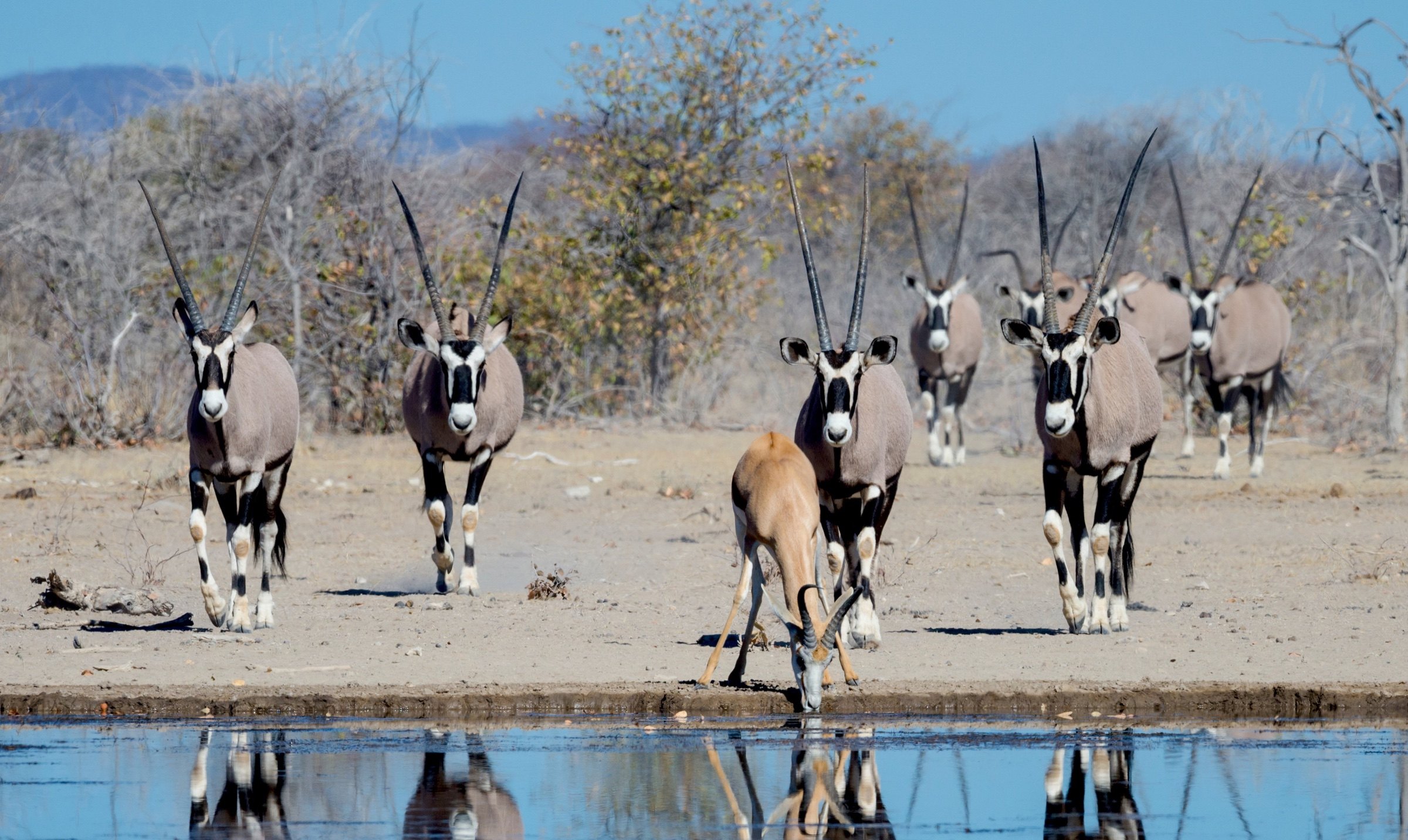
8. Choose the ecosystem before the bedroom
Luxury travel marketing naturally focuses on rooms.
Outdoor baths.
Plunge pools.
Views.
Wine cellars.
Spa treatments.
Those things are wonderful.
But the safari happens outside.
Before choosing a lodge, ask:
Where is it located?
What wildlife is common there?
Is it in a national park or private reserve?
How many other lodges use the area?
Can vehicles go off-road?
Are night drives permitted?
Are walking safaris available?
How good is the guiding?
How large are the vehicles?
How many guests per vehicle?
Does the camp have access to water activities?
What happens there during the month you are travelling?
Those questions tell us far more about the safari than the size of the bathtub.
9. Understand private reserves versus national parks
Neither is automatically better.
But they operate differently.
Private reserves often allow more flexibility.
Depending on the reserve, this can include:
- Off-road driving for certain sightings
- Night drives
- Controlled vehicle numbers
- Walking safari
- More flexible activity times
National parks can offer enormous scale, famous ecosystems and exceptional wildlife.
The Serengeti, Kruger, South Luangwa, Hwange and many other great safari environments are national parks or protected areas with their own operating rules.
A strong itinerary may use both.
What matters is understanding the experience you are buying.
10. Decide whether you need a private safari vehicle
Most lodge-based safaris use shared vehicles.
For many travellers, this is completely fine.
But a private vehicle can be worth paying for if you are:
- Travelling with young children
- A serious photographer
- Particularly interested in birds
- Travelling with mobility requirements
- On honeymoon and strongly value privacy
- Returning to safari and want to focus on specific wildlife
- Travelling as a family or small group
A private vehicle gives you control over pace.
You do not have to leave the leopard because somebody else wants breakfast.
That flexibility can be more valuable than upgrading your room.
11. Do not underestimate the guide
A guide can completely change your safari.
You can stay in a beautiful room and have an average safari.
Or you can stay in a relatively simple camp with an exceptional guide and talk about the trip for years.
Good guiding is not just knowing animal names.
It is understanding behaviour.
Tracking.
Ecology.
Reading the landscape.
Knowing when to move.
Knowing when not to move.
Positioning the vehicle without disturbing an animal.
Helping you understand why something is happening rather than simply pointing at it.
In destinations such as Zambia and Zimbabwe in particular, guiding tradition is one of the reasons travellers return.
Do not judge safari only by the lodge.
12. Think about vehicle density
This matters more than many first-time safari travellers realise.
Imagine finding a leopard.
Now imagine seeing that leopard with:
two vehicles
versus:
fifteen vehicles.
Same leopard.
Completely different safari.
Some reserves carefully regulate how many vehicles can approach a sighting.
Some private concessions naturally have very low guest numbers.
Some famous public areas can become busy, particularly during major wildlife events.
This does not automatically mean busy areas should be avoided.
But travellers who strongly value privacy need to design around this.
13. Fly or drive?
The answer depends entirely on the destination.
South Africa
Road transfers can make excellent sense between certain reserves and airports.
Domestic flights connect major cities efficiently.
Botswana
Light aircraft are fundamental to many itineraries.
Some camps simply cannot be reached sensibly by road.
Tanzania
You may combine road safari with light aircraft depending on the routing.
A well-designed fly-in or fly-out section can save huge amounts of time.
Zambia
Light aircraft connect several important safari areas and seasonal camps.
Do not automatically choose the cheapest transfer.
Saving money on transport can cost you an entire day of your holiday.
14. Do not visit too many countries
Africa looks deceptively compact on a map.
It is not.
A common first-time itinerary request might include:
Cape Town.
Kruger.
Victoria Falls.
Botswana.
Serengeti.
Zanzibar.
All in two weeks.
Technically possible.
Usually not a good idea.
Every international border creates logistics.
Every flight uses time.
Every camp move requires packing.
More destinations do not automatically create more value.
Sometimes the best thing we can do to an itinerary is remove something.
15. Build contrast into the journey
You do not always need more safari.
Sometimes you need a different experience.
Four nights in the bush can feel even more powerful after several days in Cape Town.
The Serengeti feels different when followed by Zanzibar.
Botswana becomes a striking contrast after the Winelands.
Victoria Falls creates another rhythm entirely.
A good African itinerary should have pacing.
Not every day needs to compete with the day before it.
16. Understand luggage restrictions
Safari flights often use smaller aircraft.
That can mean stricter baggage limits than international flights and, in many cases, a preference or requirement for soft-sided luggage.
This catches first-time travellers regularly.
Do not arrive for a bush flight with two enormous hard-shell suitcases because your international airline allowed them.
Your final travel documents should clearly explain the luggage rules for every flight in your itinerary.
This is one of those details that feels minor until it becomes a problem.
17. Pack less than you think
Safari clothing does not need to become a costume.
You do not need to arrive dressed like a nineteenth-century explorer.
Neutral, practical clothes work well.
Layers matter because mornings can be cold and afternoons warm.
Comfortable footwear is usually sufficient for conventional vehicle safari.
A hat.
Sun protection.
A light jacket.
Binoculars if you enjoy using your own.
And considerably fewer clothes than most people initially pack.
Many luxury safari lodges offer laundry, which makes travelling light much easier.
Always check restrictions on items that cannot be laundered at particular camps.
18. Think about health before the final week
Health considerations vary dramatically by destination.
Malaria risk is not uniform across Africa.
Vaccination requirements can depend on where you are travelling from and where you have recently been.
Yellow fever rules can change depending on routing.
Medication requirements are personal.
This should not be handled through generic internet advice.
Once your routing is confirmed, speak with an appropriately qualified travel health professional and check the latest official entry requirements for every country involved.
The important part is doing it early enough.
19. Travel insurance is not optional in our view
Safari itineraries can involve expensive deposits, remote locations and multiple flights.
Travel insurance should be arranged as soon as possible after significant trip payments are made.
The policy should be appropriate for your itinerary and circumstances.
Pay particular attention to:
- Medical coverage
- Emergency evacuation
- Trip cancellation
- Trip interruption
- Lost or delayed luggage
- Existing medical conditions
- Adventure activities if applicable
Do not assume the cheapest policy is suitable simply because it is labelled “travel insurance”.
20. Understand conservation and community impact
Safari is not only tourism.
The decisions travellers make can support wildlife habitat, employment, conservation, anti-poaching operations and community initiatives.
But sustainability language is also used very loosely.
A lodge describing itself as “eco” tells you very little on its own.
Useful questions include:
Who owns or leases the land?
Where do conservation fees go?
How many local people are employed?
What community partnerships exist?
How is water managed?
How is energy generated?
How is waste handled?
How does tourism contribute to maintaining the wildlife area?
Conservation should be part of the product, not an afterthought added to the marketing page.
21. LGBTQ+ travellers should plan destination by destination
Africa is not one legal or social environment.
South Africa, Botswana, Tanzania and Zambia, for example, have very different laws and social contexts.
The correct approach is not to label an entire continent either “safe” or “unsafe”.
Understand:
- The law
- Local attitudes
- The tourism environment
- The properties you are staying at
- The practical realities of travelling there
Your safari specialist should also be checking operational details such as room configuration, honeymoon recognition, guides and relevant guest preferences.
22. Families need a safari designed around the children
Do not simply book a family suite and assume you have created a family safari.
Ask:
How old are the children?
How long can they comfortably sit in a vehicle?
Does the lodge have minimum ages for game drives?
Can younger children join walking safari?
Can the family book a private vehicle?
Are meals flexible?
Is there a pool?
What happens during the midday break?
Are interconnecting rooms available?
Can guides adapt the safari to younger guests?
The safari needs to work for the children without turning the adults' holiday into childcare logistics.
23. Honeymoon safari is not automatically about the fanciest room
For some couples, privacy matters enormously.
For others, it is the wildlife.
Or the food.
Or a private vehicle.
Or combining safari with Zanzibar.
Or Cape Town.
Or ending on a remote island.
Do not let the word “honeymoon” automatically push the budget into the most expensive suite category.
Spend on the parts of the journey that will actually feel romantic to you.
24. Your itinerary should make geographical sense
This sounds obvious.
It frequently does not happen.
A poorly designed itinerary can have you:
Flying backwards across a country.
Repeating an airport.
Driving six hours to avoid a slightly more expensive flight.
Leaving a camp before breakfast to catch a connection.
Spending one night somewhere purely because the routing does not work.
This is where destination knowledge matters.
Africa itineraries should be designed from a map first, not from a collection of pretty hotels.
25. Leave some space
Not every minute of an African journey needs to be programmed.
This is particularly important in Cape Town, the Winelands and resort destinations.
Travellers sometimes arrive with breakfast, tour, lunch, activity, dinner and drinks scheduled every day.
By day four they are exhausted.
Luxury is sometimes having nowhere you need to be.
Safari already creates its own schedule.
The rest of the journey does not need to become a military operation.
26. Know when to use a safari specialist
You can book parts of Africa yourself.
The question is not whether it is technically possible.
The question is whether expertise adds value to your particular trip.
A good African safari specialist should understand:
- Geography
- Seasonality
- Lodge positioning
- Safari areas
- Guiding
- Flight schedules
- Road transfers
- Park fees
- Room configurations
- Family restrictions
- Conservation areas
- Visa and entry considerations
- How individual suppliers actually operate
More importantly, they should be willing to tell you when your original idea is not the best one.
If every request receives “great idea”, you are not getting advice.
You are getting order taking.
27. The questions we would ask before designing your safari
Before we start choosing properties, we want to understand:
Who is travelling?
Why Africa?
Have you travelled in Africa before?
What made you think of safari?
What wildlife or experiences matter most?
How long do you have?
When can you travel?
What sort of hotels do you normally love?
Do you prefer privacy or social camps?
Are you comfortable flying in small aircraft?
Do you want city, wine, beach or other experiences alongside safari?
Are there any mobility, dietary or health considerations we should design around?
What budget range are we working with?
Once we know those things, the itinerary starts designing itself.
Common first-safari mistakes
Choosing the lodge before the destination
Beautiful rooms do not fix bad geography.
Moving every two nights
You will remember the airports.
Trying to see everything
Africa will still be here for the second trip.
Choosing peak season automatically
Higher price does not always mean better experience.
Ignoring transfer times
A six-hour drive is still six hours of your holiday.
Spending everything on accommodation
A private vehicle or better routing might improve the trip more.
Treating all safari areas as interchangeable
They are not.
Assuming the Big Five determines safari quality
Some of Africa's greatest safari experiences have nothing to do with ticking five animals off a list.
Overpacking
You need less than you think.
Planning from Instagram
The lodge with the best social media team is not automatically the lodge with the best safari.
A simple first-safari framework
If all of this still feels complicated, start here.
- Decide how many days you have.
- Decide whether safari is the whole trip or one part of it.
- Tell us what you most want to experience.
- Choose the country based on that experience.
- Choose the safari area.
- Choose the lodge.
- Build the routing.
- Check the season.
- Check the complete price.
- Remove anything that does not improve the trip.
That last step matters.
Editing an itinerary is often as important as building it.
Our approach at Mason & Wild
We do not start with a brochure.
We do not start with the most famous lodge.
And we do not believe every client should follow the same route.
We start with the traveller.
Because two people can have exactly the same budget and need completely different safaris.
One should be in Botswana.
The other should be in South Africa.
One needs a private vehicle.
The other would rather spend that money on two additional nights.
One wants the Great Migration.
The other wants to sit beside a waterhole and not see another vehicle for three hours.
Safari planning becomes much easier once we stop asking:
“What is the best safari?”
and start asking:
“What is the best safari for you?”
Frequently Asked Questions
For high-demand lodges, migration periods, festive-season travel and family accommodation, planning well in advance is sensible. More flexible travel dates and shoulder-season trips may be possible closer to departure. Availability varies substantially by destination.