
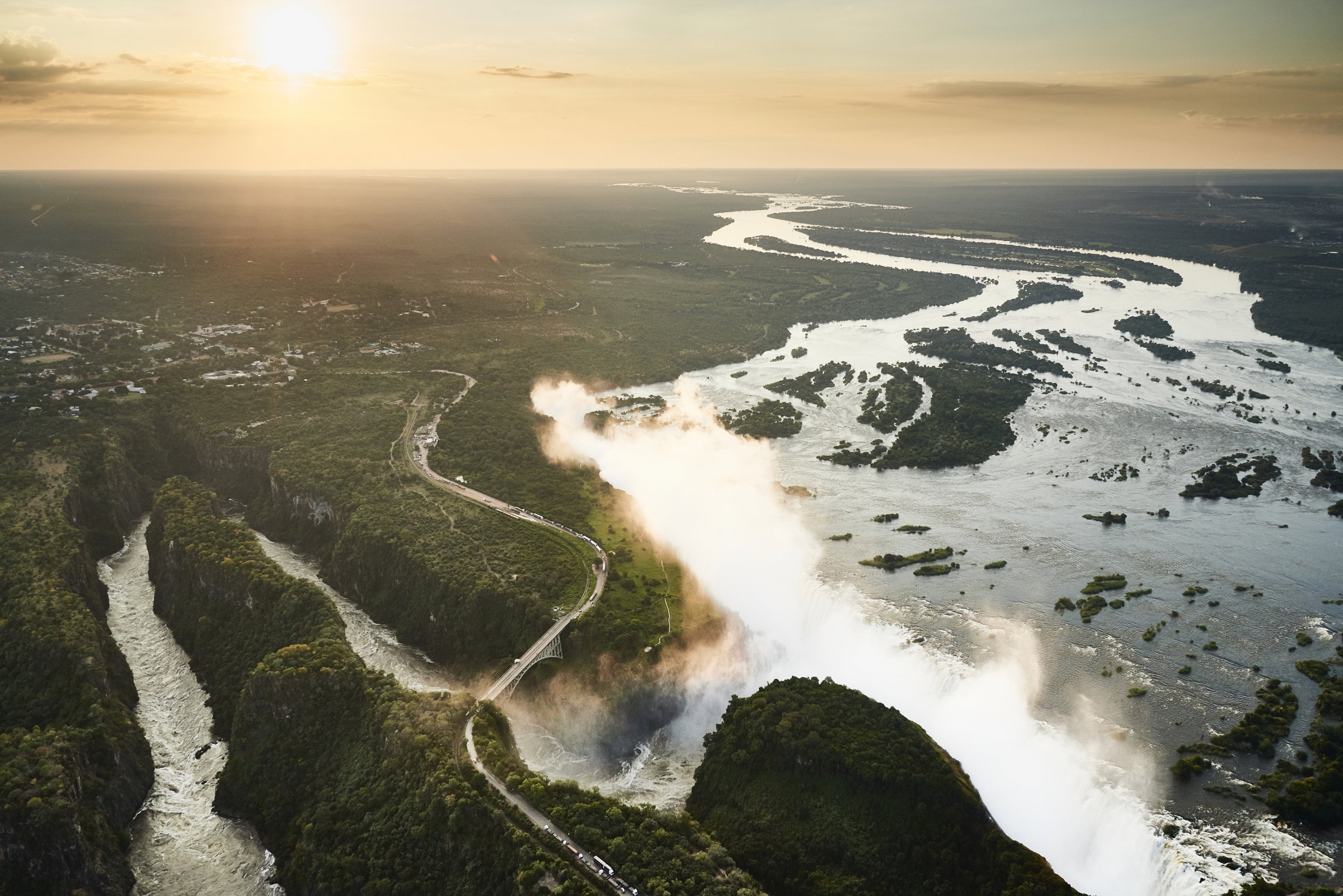
Aerial view of Victoria Falls, the Zambezi River and the bridge between Zimbabwe and Zambia

Zimbabwe

Zimbabwe Safaris & Luxury Travel

Victoria Falls, elephant country and wilderness explored with exceptional guides.

Written / reviewed by Zannon James, Founder and African Travel Specialist, Mason & Wild.

First-hand Mana Pools experience and current destination research.

Last reviewed:

The destination

Why travel to Zimbabwe?

Zimbabwe is one of Southern Africa’s great safari destinations, combining respected guiding, varied wildlife, extensive wilderness and Victoria Falls. From the elephant country of Hwange and the walking safaris of Mana Pools to Lake Kariba and Gonarezhou, it rewards travellers who want time to understand a landscape.

Zimbabwe is sometimes treated as an extension to Botswana, Zambia or South Africa. It can support a complete safari journey in its own right. Hwange offers classic wildlife viewing across woodland and open country. Mana Pools brings the Zambezi floodplain and time on foot. Kariba changes the rhythm with water and shoreline wilderness, while Gonarezhou adds the southeastern lowveld.

Then there is Victoria Falls. Known as Mosi-oa-Tunya, “The Smoke That Thunders”, it is a natural gateway into the country. Allow it to introduce the journey, with enough nights beyond the falls for the safari regions to stand on their own.

Zimbabwe’s people are central to that journey. Professional guiding, thoughtful hosting and knowledge of the local landscape shape what you notice and how much you understand. For walking safaris in particular, choosing the guide matters as much as choosing the camp.

At a glance

Zimbabwe safari overview

Best for
Wildlife, walking safaris, Victoria Falls, elephants, predators, wilderness and river experiences
Signature regions
Victoria Falls, Hwange, Mana Pools, Lake Kariba, Matusadona and Gonarezhou
Ideal trip length
8 to 14 nights, adjusted for the regions and connections you choose
Best combined with
Botswana, Zambia, South Africa or a wider Zimbabwe circuit
Safari style
Guided vehicle and walking safaris, with boating, canoeing and river activities where available
Wildlife period
Generally June to October; region, rainfall and heat tolerance matter
Green season
Approximately November to March; rain can extend into April and remote access varies

See how this destination fits your priorities in our first-safari destination guide.

Choosing your route

Where to go on safari in Zimbabwe
Victoria Falls and Hwange

A practical first Zimbabwe combination. The falls and Zambezi provide a different experience from Hwange’s game drives, waterholes and elephant viewing. Choose your camp area carefully, rather than treating the whole park as one safari setting.

Mana Pools

Prioritise Mana Pools for the Zambezi landscape, natural history and professionally guided walking. It works best when you have time to adapt to the guide’s decisions, the season and your own comfort on foot.

Lake Kariba and Matusadona

Consider the lake for water-based activities and a slower pace within a wildlife journey. Matusadona’s shoreline and inland habitats differ from other parts of Kariba; the exact lodge location determines the balance of land and water experiences.

Gonarezhou

Add the southeastern wilderness when remoteness is a priority and the itinerary has room for the connections. It suits a considered, longer circuit rather than a hurried extra stop.

The Zambezi gateway

Victoria Falls

More than a stopover

Victoria Falls lies on the Zambezi River at the border between Zimbabwe and Zambia. On the Zimbabwean side, a series of viewpoints gives different perspectives on the falling water, rainforest and gorge.

The experience changes with water levels. Higher flows create a broad wall of water and heavy spray, which can obscure some views. Lower flows expose more rock and gorge. Neither is simply better: choose according to whether scale, visibility, photography or a particular activity matters most.

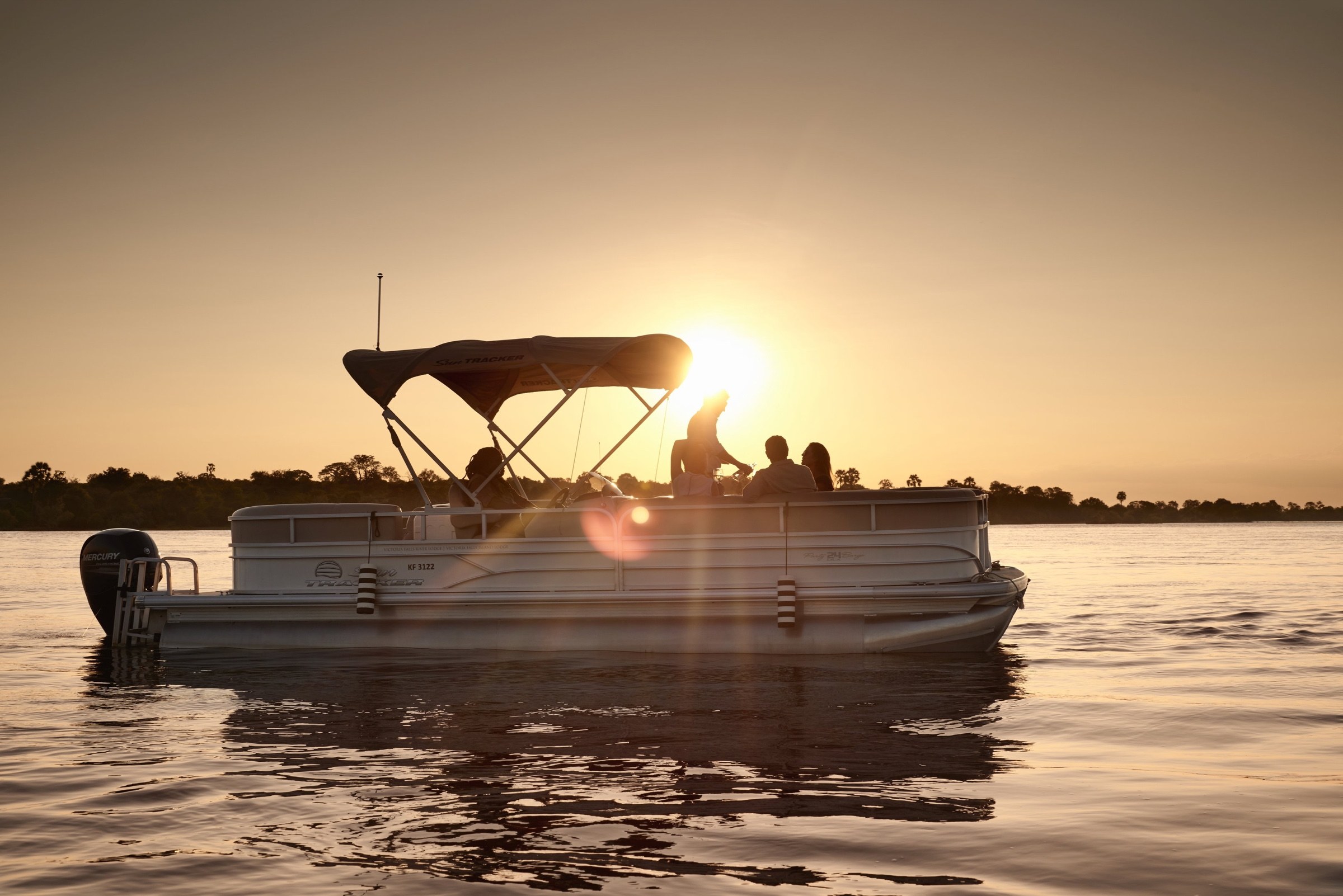
The town and river also support a wider stay. Guided falls visits, sunset cruises, helicopter flights, white-water rafting, locally hosted visits and nearby wildlife excursions may be possible. Availability depends on the operator, river conditions, season and your interests; these are options to plan, not automatic lodge inclusions.

Mason & Wild planning note

Victoria Falls works well at the beginning or end of a safari. We usually allow at least two nights, and often three when travellers want time for both the falls and the Zambezi without rushing between activities.

Boat carrying guests on the Zambezi River at sunset
Victoria Falls · Evenings on the Zambezi

Classic wildlife country

Hwange National Park

Zimbabwe’s great elephant wilderness

Hwange is Zimbabwe’s largest national park, in the northwest of the country. Its scale holds contrasting safari environments: teak woodland, mopane, grassland and areas shaped by seasonal water and maintained waterholes.

Elephants are a defining part of Hwange. During dry periods, herds gather at waterholes, often sharing the surroundings with buffalo, zebra and antelope. Lion, leopard, cheetah, African wild dog and spotted hyena also occur here. Their presence creates potential, rather than a promise of any particular sighting.

Where you stay changes the safari. Some camps centre on game drives, while others can combine drives with hides, walking and patient observation near water. Confirm what the selected camp actually offers, where it operates and whether activities run during your dates.

Why we like Hwange

  • Strong elephant viewing potential
  • A varied predator community
  • Dry-season wildlife concentrations around water
  • A range of camp and lodge styles
  • A logical combination with Victoria Falls
  • Contrasting areas that can support a multi-camp safari

Choosing one camp or two

Two camps in different parts of Hwange can add more contrast than simply extending one stay. That only works when the areas, activity mix and transfers justify the move. With fewer nights, a well-chosen single camp can give you more time in the field.

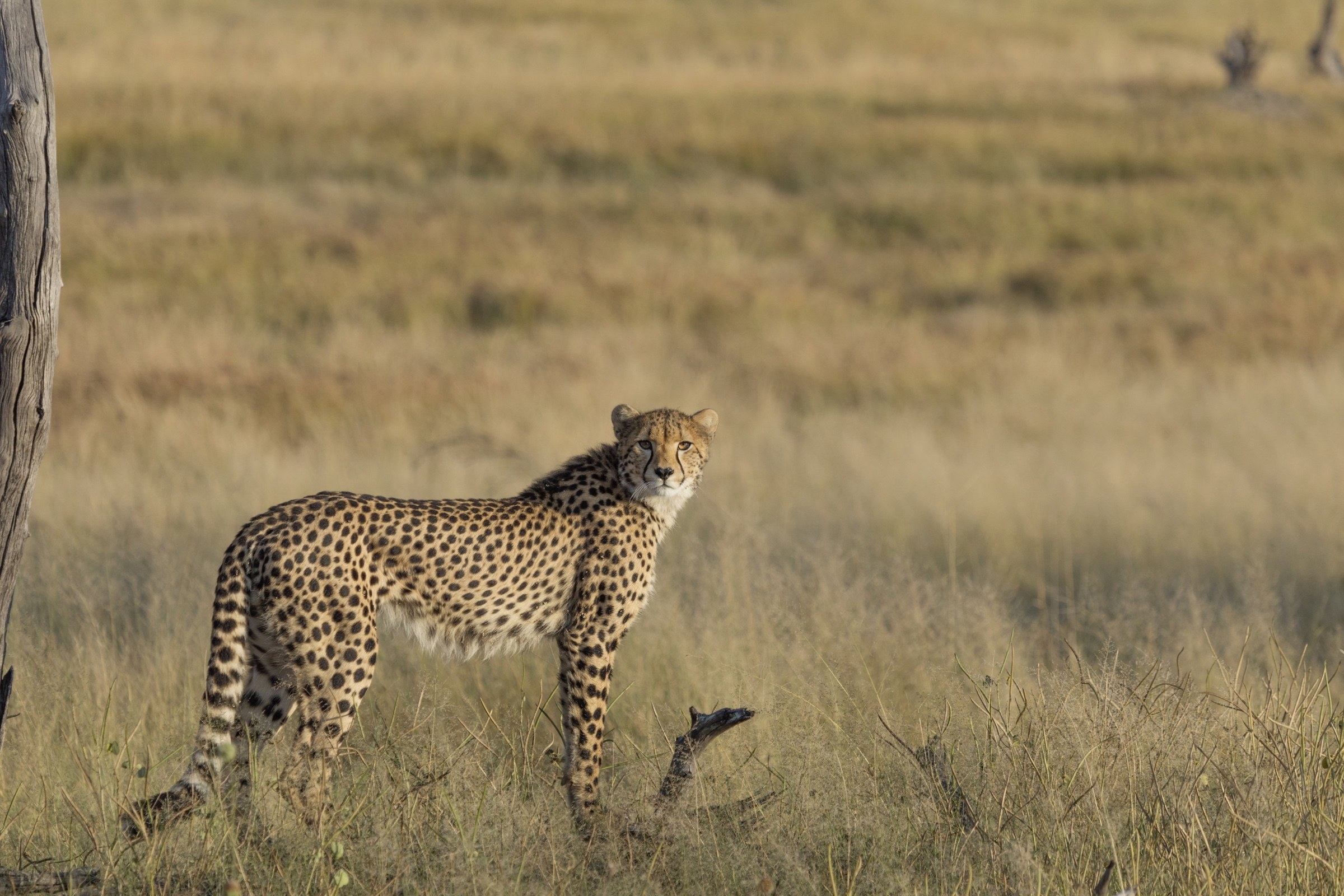
Cheetah standing in dry grass in Hwange National Park
Hwange · Predator country
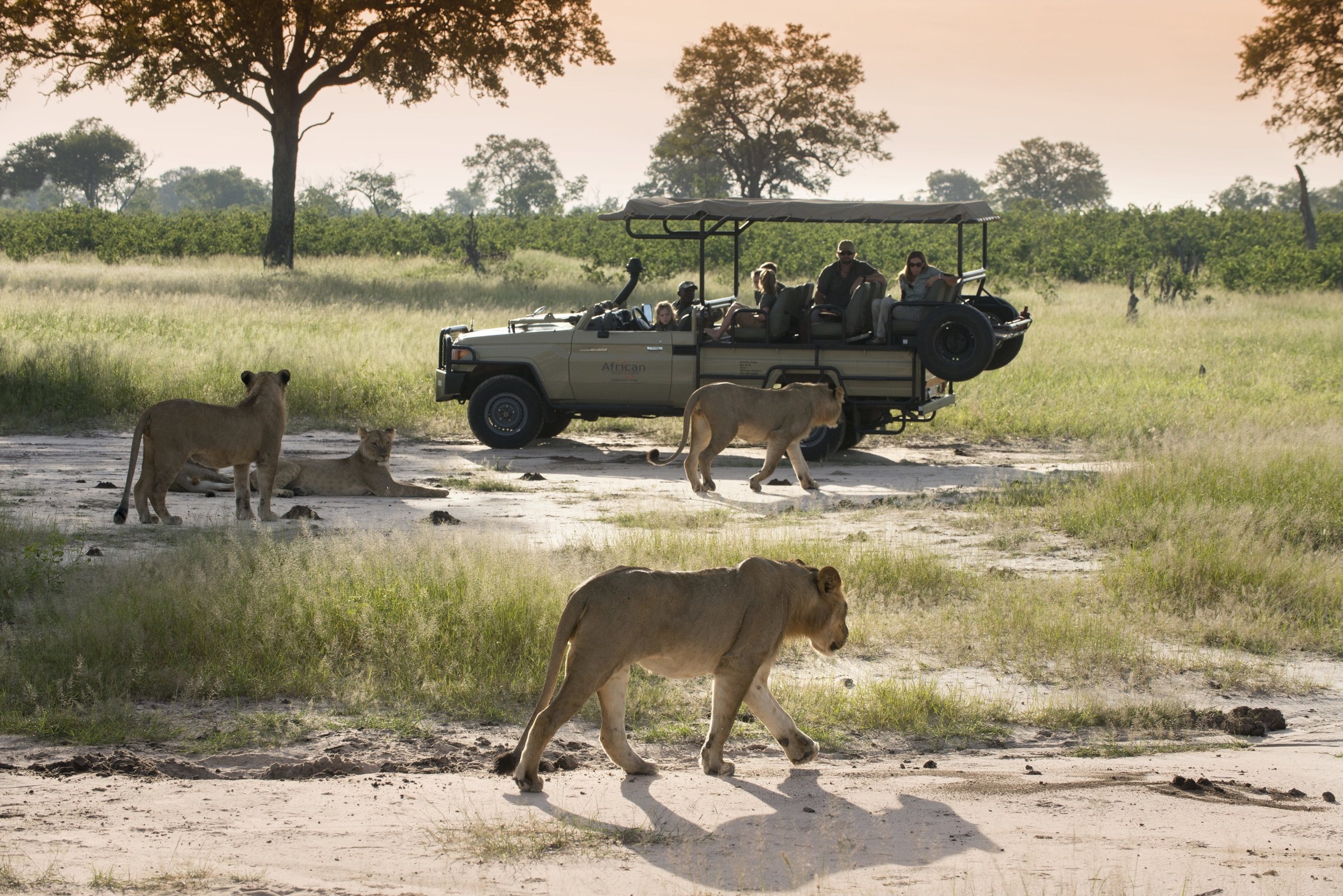
Lionesses around an open safari vehicle in Hwange
Hwange · Time in the field

The northern floodplain

Mana Pools National Park

One of Africa’s defining walking safari landscapes

Mana Pools lies beside the Zambezi River in northern Zimbabwe. Floodplains, channels, albida woodland and an escarpment backdrop create a setting markedly different from Hwange. The national park forms part of the Mana Pools, Sapi and Chewore UNESCO World Heritage property.

Walking changes the scale of the safari. Tracks, wind, ecology and animal behaviour become part of the experience, alongside the decisions made by a professional guide. Mana Pools suits travellers who value natural history and time outside the vehicle, without making walking a requirement for every guest.

Elephants are central to the landscape. Some individuals have become known for rising onto their hind legs to reach food in trees, but this is an occasional behaviour, not an encounter to expect from every elephant. African wild dog, lion, buffalo and hippo are also part of the park’s wildlife.

Guided canoeing and other river activities may complement land-based safari, depending on the camp, water levels, season and operating permissions. The chosen camp’s location and programme matter as much as the destination name.

Why Mana Pools is different

Give the landscape time. A guide’s interpretation of the floodplain, its trees and animal movements can be as valuable as another sighting. The strongest itinerary leaves room for that slower attention.

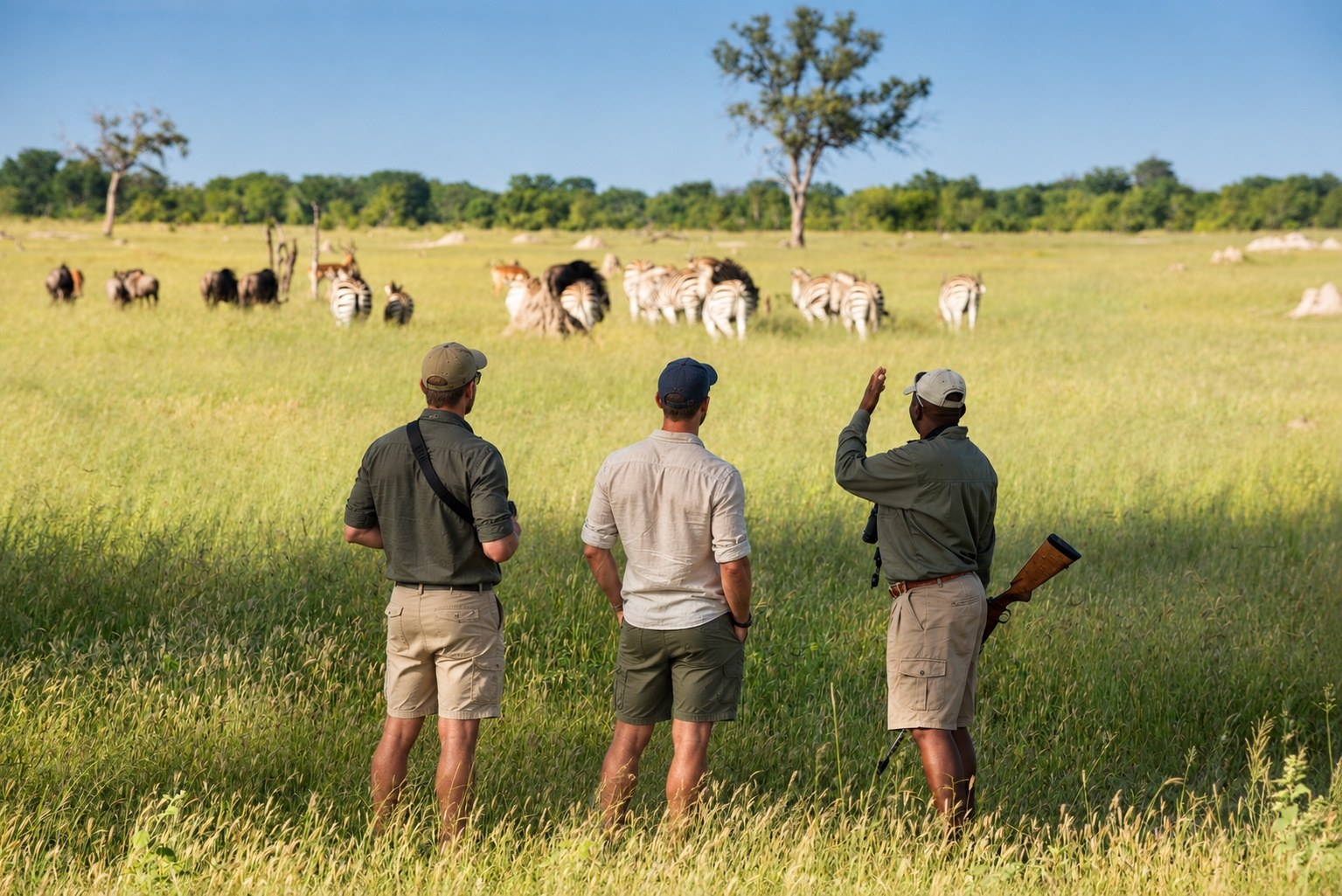
Travellers and a professional guide watching zebra and wildebeest on a Mana Pools walking safari
Mana Pools · A landscape explored on foot

Guiding on foot

Walking safaris in Zimbabwe
Mana Pools is especially associated with walking, and guided walks may also be available in other safari areas, including Hwange. The activity should be matched to the camp, qualified guide, terrain and traveller, rather than treated as an identical experience everywhere.

A walk depends on guide assessment, wildlife behaviour, local conditions and park regulations. Individual comfort, fitness and mobility matter too. Discuss these before choosing a camp, and expect the guide to alter a route, keep distance or return to a vehicle when circumstances require it.

Walking is not a promise of close encounters with dangerous animals. It is an opportunity to read tracks, understand habitat and watch behaviour with professional judgement directing the experience. Canoe safaris also require suitable guiding, conditions and insurance cover.

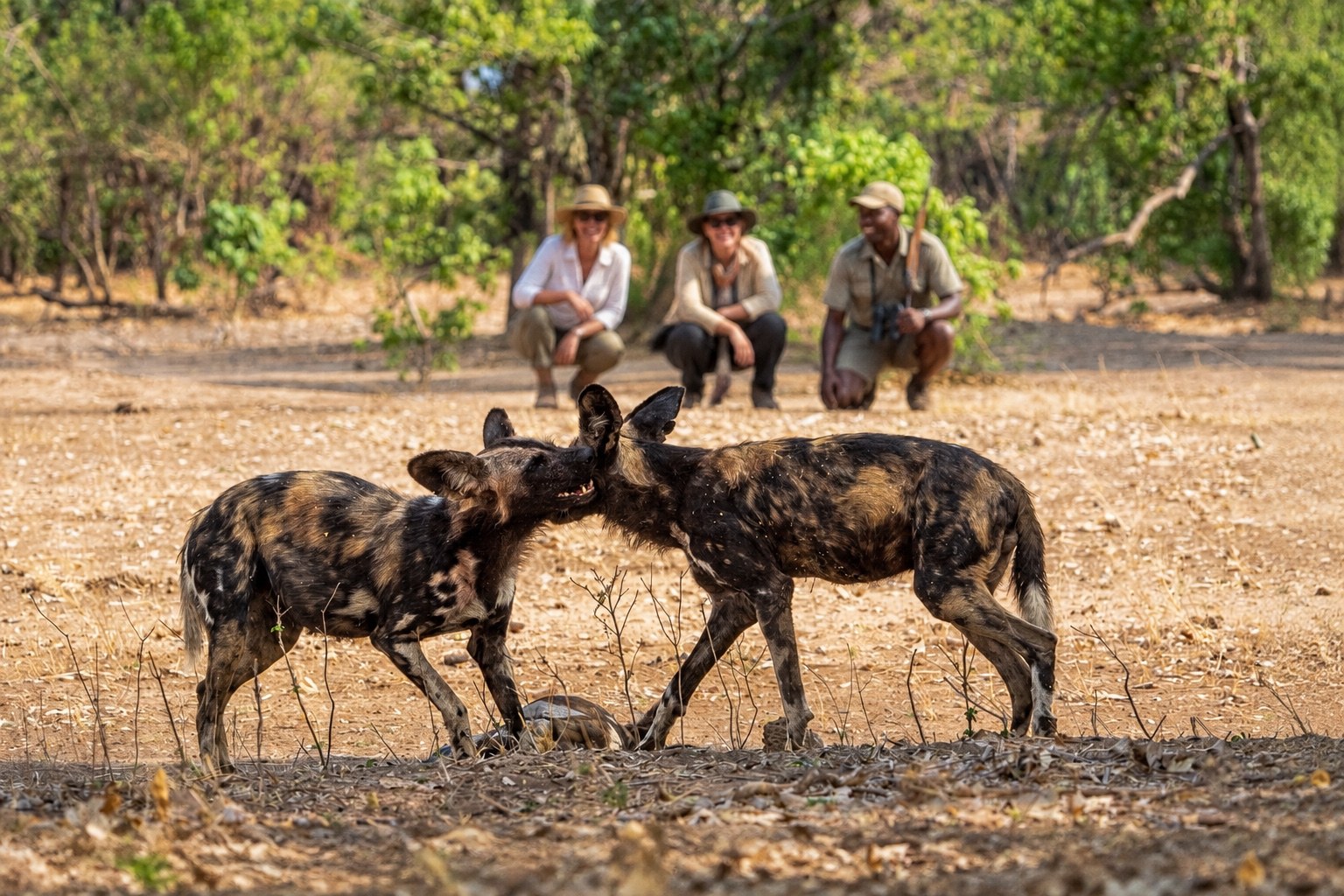
The photograph records one moment in Mana Pools. Every wildlife encounter requires its own assessment; a previous encounter does not establish a safe distance for another.

African wild dogs in the foreground with travellers and their guide behind them in Mana Pools
Mana Pools · Wildlife behaviour and professional guiding

Mason & Wild in the field

First-hand: Mana Pools

Mason & Wild founder Zannon James has travelled in Mana Pools personally. That first-hand experience helps inform planning for a destination whose character is difficult to understand from a lodge brochure alone.

The experience is shaped by movement, guiding, season, wildlife behaviour and the amount of time you want to spend outside a vehicle. On foot, tracks, wind direction, distance and a guide’s decisions become part of how you understand the landscape.

For planning, that means asking practical questions: how much walking appeals to you, what conditions suit your dates, which camp offers the right activity balance and how many nights let you settle into the floodplain. Mana Pools is strongest when the journey reflects the traveller as well as the place.

Zannon James
Founder, Mason & Wild

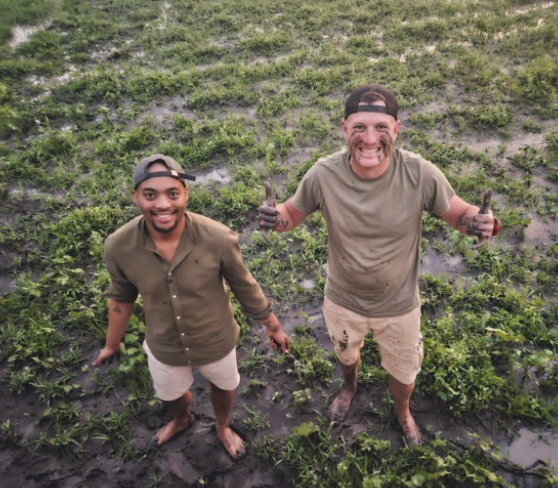
Zannon James and a fellow traveller standing on muddy ground in Mana Pools
Zannon James in Mana Pools, Zimbabwe

Safari at the water’s edge

Lake Kariba & Matusadona

Lake Kariba sits between Zimbabwe and Zambia. Its broad water, shoreline and surrounding wilderness bring a different rhythm to a safari, particularly after several days of intensive game drives.

Matusadona National Park borders the lake on the Zimbabwean side. Depending on the lodge, location and conditions, a stay can combine wildlife viewing with boating, fishing, shoreline exploration and evenings overlooking the water. Each activity needs to be confirmed for the specific stay.

Elephant, buffalo, lion, hippo, crocodile and plains game can occur in these landscapes. A lakeside lodge elsewhere on Kariba does not automatically offer the same safari access as a lodge serving Matusadona. Choose the setting according to the balance of wildlife, water and rest you want.

Who Kariba suits

Couples, honeymooners and repeat safari travellers often appreciate the change of pace. It also adds contrast to a longer Zimbabwe circuit for people who enjoy water-based experiences and want wilderness without a programme dominated by game drives.

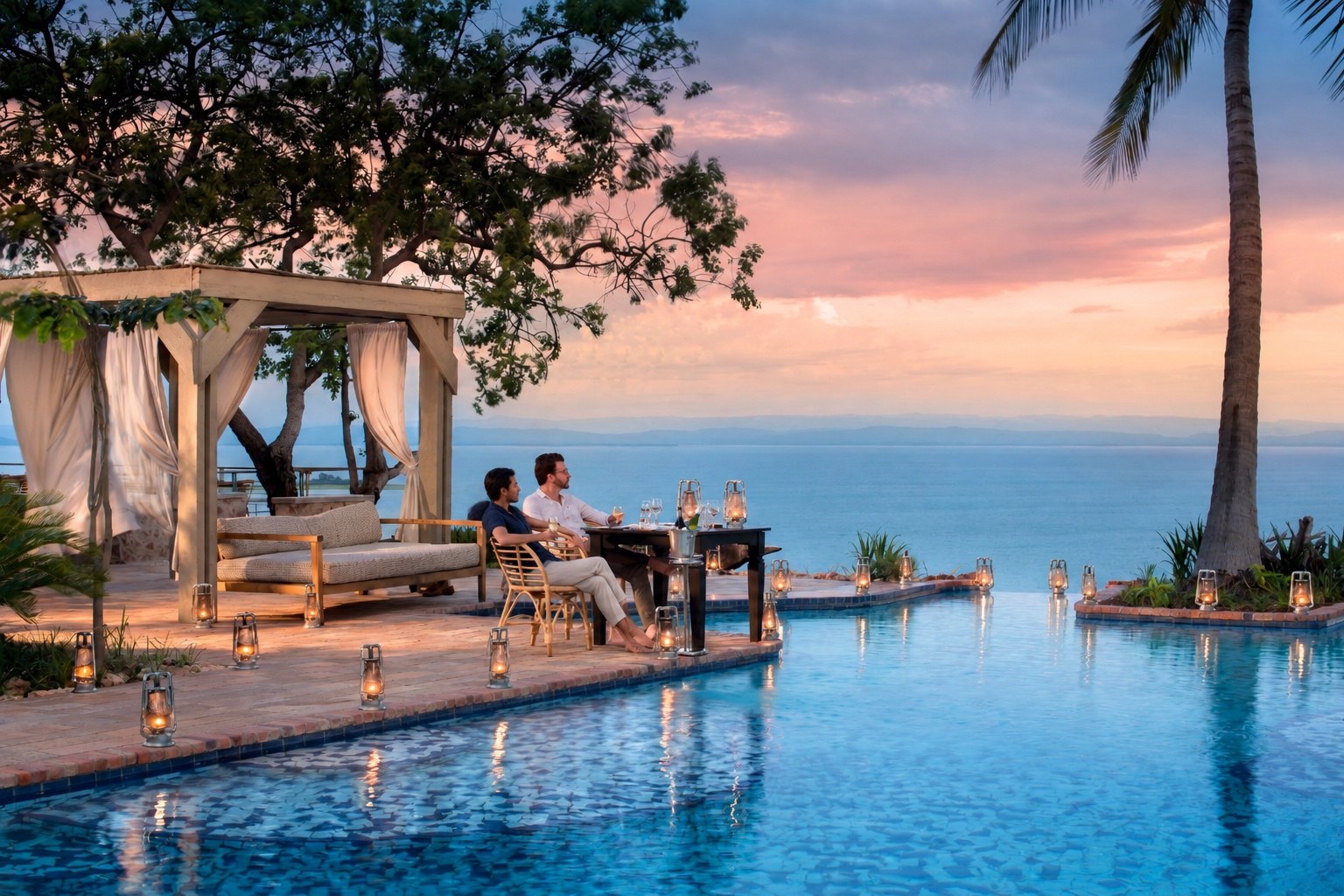
Guests dining beside a swimming pool overlooking Lake Kariba at sunset
Lake Kariba · A slower safari rhythm
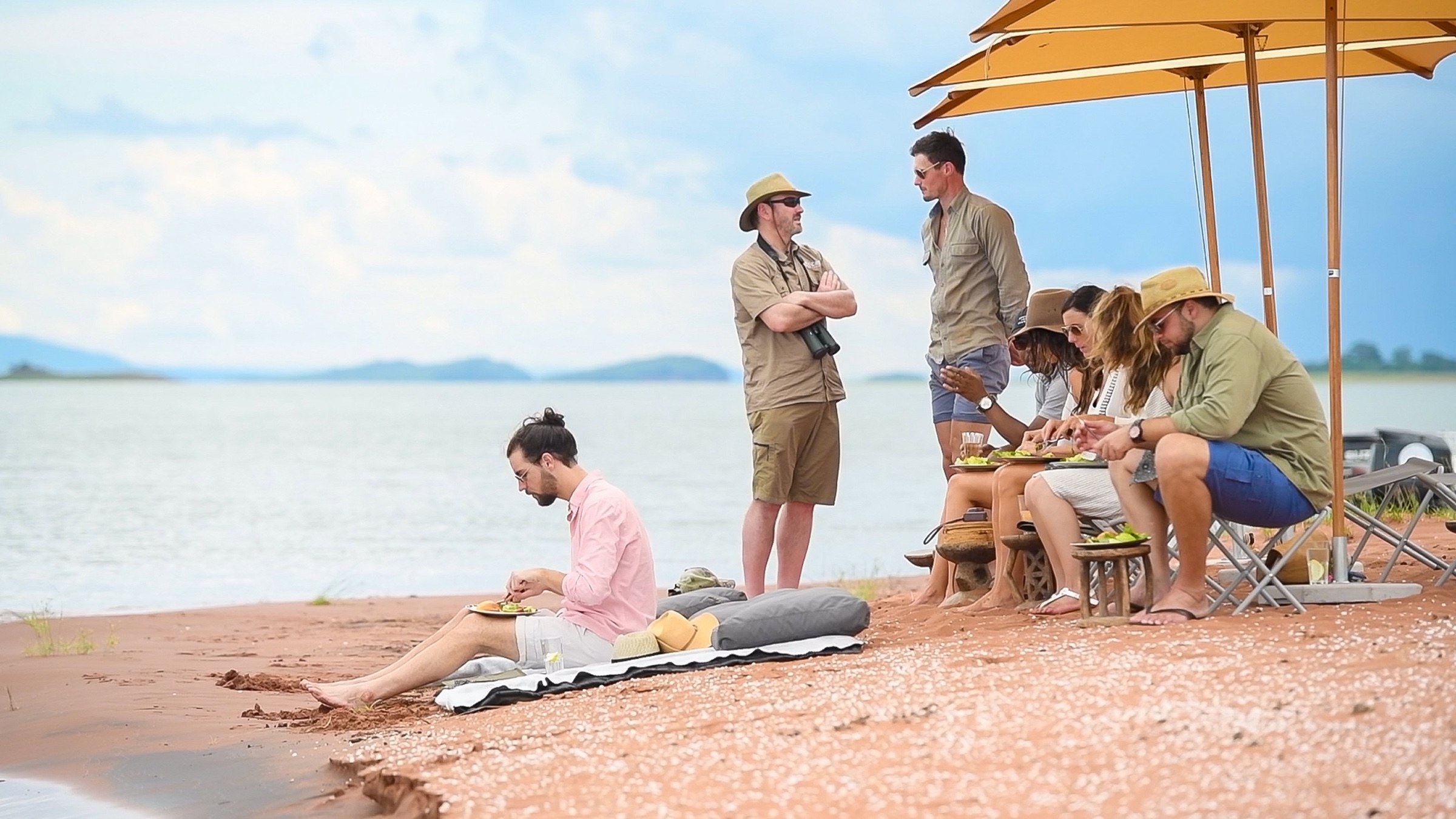
Guests and a guide enjoying a picnic beside Lake Kariba
Lake Kariba · Time at the water’s edge

Southeastern Zimbabwe

Gonarezhou National Park

Lowveld wilderness and the Chilojo Cliffs

Gonarezhou means “Place of Elephants”. In Zimbabwe’s southeast, the park forms part of the wider Great Limpopo conservation landscape. Elephant country, river systems and sandstone formations give it a distinct identity within a Zimbabwe journey.

The Chilojo Cliffs rise above the Runde River in bands of red sandstone. Their setting is a reason to allow time for the landscape, rather than judge each day solely by wildlife sightings.

Gonarezhou appeals to experienced safari travellers seeking space and remoteness. Its location calls for deliberate routing and realistic transfer time. Camp choice, road conditions and season should guide the visit.

The Gonarezhou Conservation Trust, a partnership between ZimParks and Frankfurt Zoological Society, provides a concrete conservation story to explore. Protection, management and relationships with neighbouring communities are ongoing work, not a reason to assume every tourism operation has the same impact.

Knowledge in the field

Why Zimbabwe’s guides matter

A safari destination is only partly defined by wildlife. Guiding determines how much a traveller understands: why an animal is moving, what a track reveals and how water, vegetation and season connect.

Zimbabwe has a respected professional guiding tradition, with training, field experience and assessment forming part of the route to professional qualification. Areas of preparation can include wildlife identification, behaviour, tracking, ecology, interpretation, first aid, safety and firearms competency where required.

That depth matters particularly when guiding on foot. We consider the guide’s qualifications and experience alongside the camp’s programme, and match the style of guiding to your interests. A good guide explains the landscape as well as locating animals.

Across contrasting ecosystems

Wildlife in Zimbabwe
Zimbabwe supports a broad range of Southern African wildlife. Depending on region and season, species may include elephant, lion, leopard, cheetah, African wild dog, buffalo, spotted hyena, hippo and crocodile. Giraffe, zebra, sable, kudu, eland, impala and waterbuck add to the picture, alongside smaller mammals and varied birdlife.

Those species are not evenly distributed across every park. Choose regions around habitat and interests: Hwange’s woodland and waterholes, Mana Pools’ floodplain, Kariba’s shore and Gonarezhou’s lowveld create different viewing conditions.

Elephants deserve particular attention. Hwange, Mana Pools, Gonarezhou and parts of the Zambezi Valley offer different contexts in which to watch them. Herds gathering at water are a different experience from observing an individual moving through floodplain woodland.

Safari reality: wildlife is wild. No ethical safari can guarantee specific sightings.

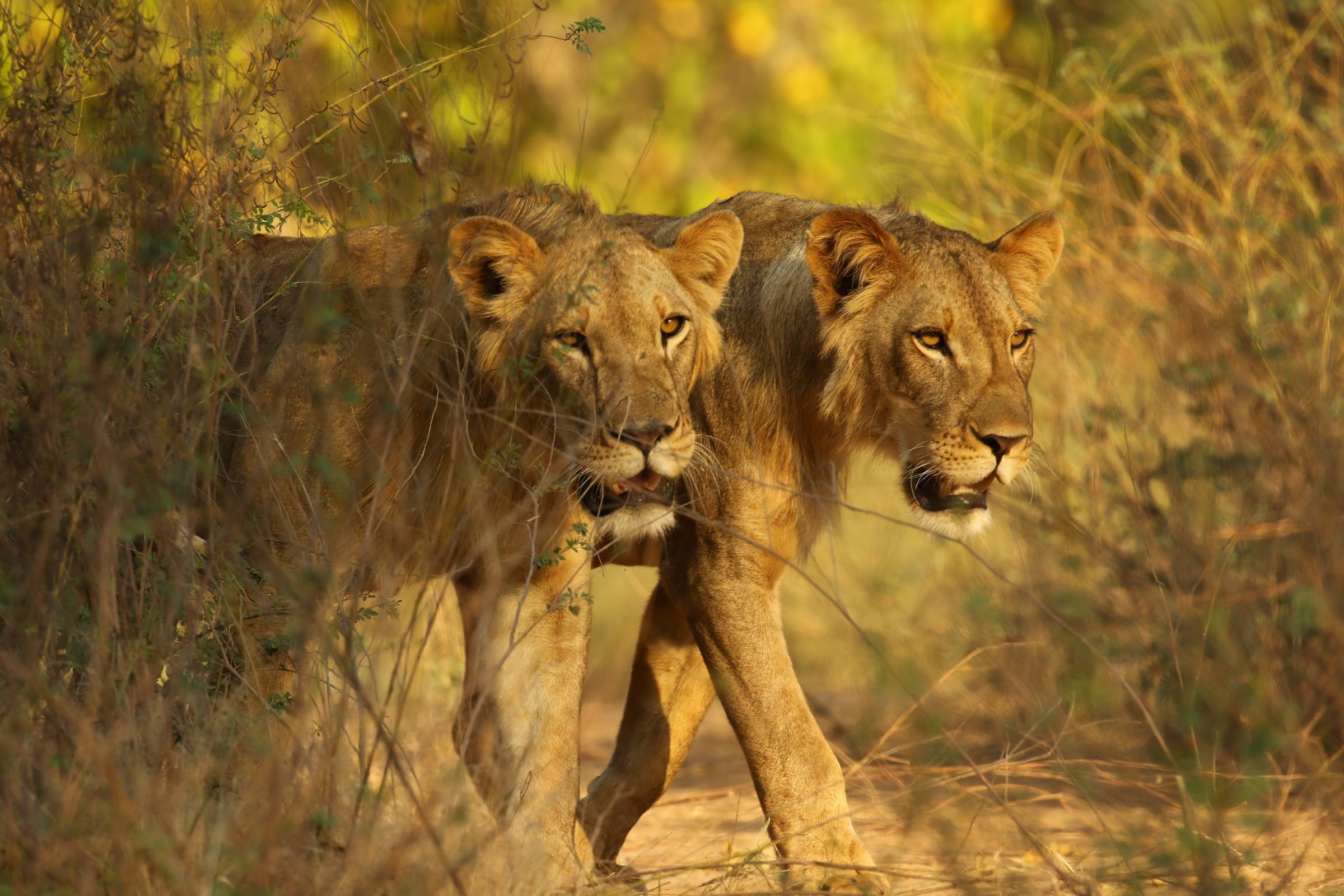
Two young lions moving through golden vegetation in Mana Pools
Mana Pools · Wildlife in the Zambezi Valley

Seasonal planning

When is the best time to visit Zimbabwe?

The best month depends on what you are travelling to Zimbabwe to experience. June to October is generally a strong wildlife period as dry conditions concentrate animals around water. Rainfall, region and the selected camp still matter; the whole country does not follow one identical calendar.

April to May

The landscape is often greener after the rains and temperatures begin to moderate. This can be a rewarding shoulder period, but rain may persist into April and remote access or camp openings should be checked.

June to August

Dry-season conditions develop, with cooler mornings and evenings. Wildlife becomes progressively more concentrated around available water. Hwange and Mana Pools can work particularly well, with warm layers useful for early starts.

September to October

Conditions are often hot and very dry, with strong wildlife concentration at water sources. Midday heat can be intense. Plan around your heat tolerance, shaded rest, activity timing and the specific camp setting.

November to March

Summer rain changes the landscape. Migratory birds, new growth and births among many species give a different safari character. Some remote camps close or adjust their programmes, and roads can become difficult. Rain can extend beyond this broad green-season window.

Victoria Falls has its own water cycle. Match the river experience separately from the safari season.

A separate seasonal decision

When is Victoria Falls at its fullest?

The Zambezi’s flow generally builds following rain across its wider catchment, with a high-water period often around March to May. Exact timing and volume vary by year; local rainfall at Victoria Falls alone does not determine the result.

Higher water creates extensive spray and the scale of a broad curtain of falling water. Lower water reveals more of the gorge and rock formations and changes the visibility from different viewpoints. River activities can have separate operating windows and may be suspended when conditions are unsuitable.

Choose your priorities before choosing the month. There is no fixed promise that April is always best, and the preferred safari month may differ from the preferred falls experience.

Matching the traveller

Who should travel to Zimbabwe?

Safari first-timers

Victoria Falls and Hwange make a strong introduction, with a manageable regional pairing and a clear contrast between river and wildlife.

Experienced safari travellers

Mana Pools, Gonarezhou and Kariba add walking, remote lowveld and water-based safari to a journey. Choose the contrast that interests you rather than adding every region.

Couples and honeymooners

Small camps, river settings and time in wilderness can suit a private journey. The room arrangement, hosting style and activity pace should reflect the couple.

Photographers

Waterholes, floodplains, changing light and the falls offer different photographic possibilities. Discuss vehicle space, equipment, subject interests and time at sightings before selecting camps.

Walking safari enthusiasts

Consider Zimbabwe when professional guiding and wilderness on foot are central interests. Match the walk to your comfort, mobility and conditions.

Multi-generational families

Family journeys are possible, but camp choice matters. Age restrictions on walking and other activities, room layouts, transfer lengths and individual needs must be checked before confirming a route.

Informed private travel

LGBTQ+ travel in Zimbabwe

Mason & Wild specialises in LGBTQ+ travel across Africa and approaches Zimbabwe with both interest and realism. LGBTQ+ travellers do visit on privately planned safari itineraries, but welcoming hosting does not remove the destination’s legal and social constraints.

Current UK government advice states that sexual activity between men and same-sex marriage are illegal in Zimbabwe. It also describes conservative attitudes towards same-sex relationships and warns that public displays of affection can attract unwanted attention. These considerations deserve a direct conversation before choosing the destination.

We consider appropriate accommodation partners, trusted guides and transfers, room configurations and couple preferences. Supplier briefings, where useful, should respect your consent and privacy. We do not assume how openly every traveller wishes to present a relationship.

Destination-specific advice helps you make an informed decision. Private arrangements are not a guarantee of safety or an exemption from local law. Review current official advice before booking and again before departure, including any needs relating to gender expression or identity.

Read our LGBTQ+ travel intelligence for Africa

Current official LGBTQ+ travel advice for Zimbabwe. Legal context checked 11 October 2026. Recheck before departure.

For the wider destination context, read our LGBTQ+ Africa travel guide.

Landscape and local impact

Conservation in Zimbabwe
Zimbabwe’s safari landscapes face continuing conservation challenges. Wildlife protection, habitat management and relationships with neighbouring communities require sustained work. Gonarezhou’s conservation partnership and the management of Matusadona by African Parks with ZimParks provide specific examples to research.

Depending on the organisation and location, work may include anti-poaching, monitoring, habitat protection, community employment, education, water infrastructure, coexistence and local enterprise. These contributions differ; a lodge should be able to explain what it supports and what evidence is available.

Ask who benefits, how support reaches the project and whether outcomes are reported. Mason & Wild favours partners able to demonstrate conservation or community value. A sustainability label alone does not establish that every tourism operation is conservation-positive.

Local impact should be specific: ask about the people, infrastructure and long-term relationships behind a contribution.

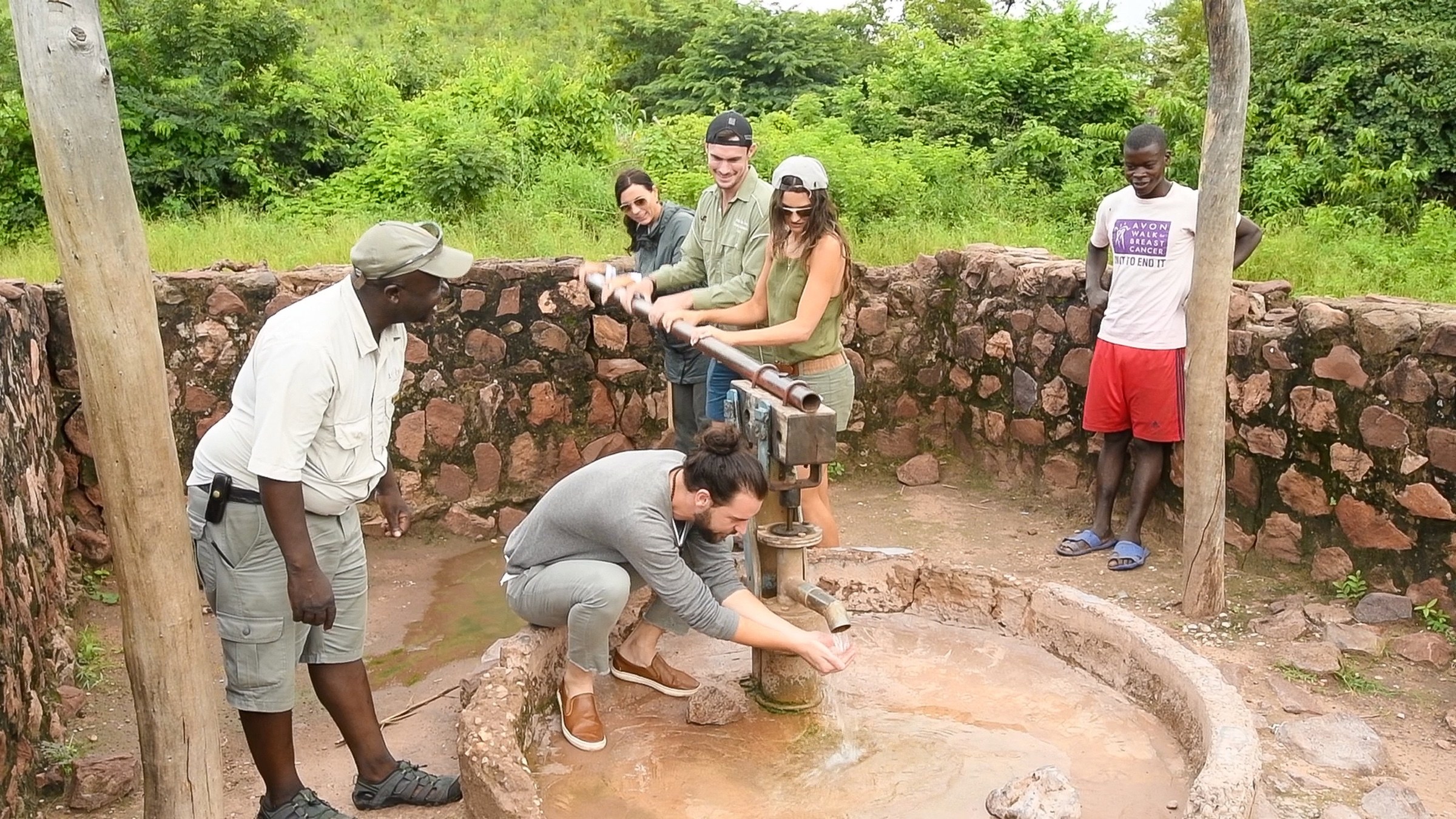
Visitors and local hosts using a hand-operated water pump in Zimbabwe
Zimbabwe · People and water infrastructure

Camp choice

What luxury means in Zimbabwe

Luxury in Zimbabwe often rests on space, expertise and time. A small camp with attentive hosting and a knowledgeable guide can offer more for the right traveller than a larger property with a longer list of facilities.

Consider guest numbers, guide quality, location, food, service and views over rivers, floodplains, waterholes or the lake. Flexible schedules or private guiding should be confirmed for the actual booking, rather than assumed from a luxury label.

Some properties operate in private concessions, while others serve public national parks. A private camp does not make the surrounding national park exclusive. Check the operating area, activity permissions and how those arrangements affect the experience.

The best camp allows the journey to follow your interests: patient wildlife viewing, time on foot or a quiet afternoon overlooking the water. Deliberately understated accommodation can be the right choice.

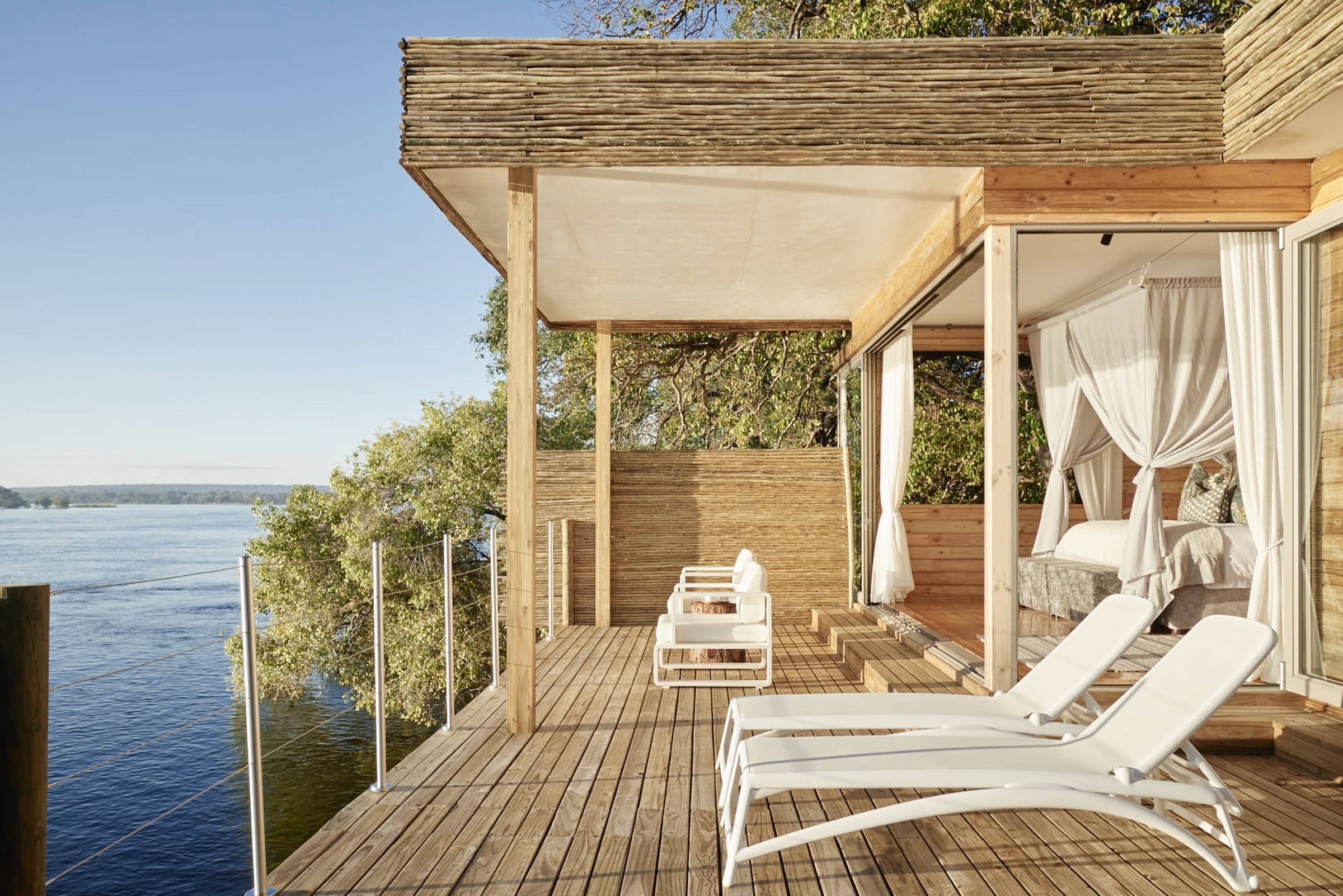
Wooden safari suite and deck with white loungers overlooking a river
Zimbabwe · Space, hosting and a river view

Journey frameworks

How to combine Zimbabwe

These are planning frameworks, not fixed packages. Season, camp opening dates, flight availability, budget, interests, mobility and available nights determine the final route.

Victoria Falls + Hwange

For a first Zimbabwe journey, consider 2 to 3 nights at Victoria Falls and 4 to 5 nights in Hwange. Allow time for both the falls and river, then settle into the safari rather than making several short camp moves.

Victoria Falls + Hwange + Mana Pools

For greater contrast, consider 2 nights at Victoria Falls, 3 to 4 in Hwange and 3 to 4 in Mana Pools. The change from woodland and waterholes to the northern floodplain adds meaning when the connections and season work.

Victoria Falls + Hwange + Lake Kariba

For safari followed by a water-based change of pace, consider 2 nights at Victoria Falls, 4 in Hwange and 3 at Lake Kariba or Matusadona. Choose the lakeside setting around the activities you want, not the view alone.

Grand Zimbabwe

Victoria Falls, Hwange, Mana Pools, Lake Kariba or Matusadona, and Gonarezhou can form a wider circuit for experienced travellers. Including all of them needs substantially more time and careful logistics. It is a possible framework to assess, not a default two-week route.

Combining neighbouring countries

Botswana works well with Victoria Falls, particularly through Chobe and onward to the Okavango Delta. Zambia offers the other side of the falls and potential combinations with South Luangwa or the Lower Zambezi. South Africa can add a different travel chapter. Border formalities and current connections must be checked for the individual journey.

Connections and preparation

Getting around Zimbabwe

Zimbabwe’s safari areas are widely separated. Depending on the route, a well-designed itinerary may combine scheduled flights, light-aircraft charters and road transfers. We check current operating carriers, connections and transfer arrangements for your dates.

Victoria Falls is a major international tourism gateway in the northwest. Hwange pairs relatively easily with it, though onward access depends on the camp. Mana Pools and more remote regions often involve light-aircraft access; season and camp location determine whether road options are practical.

Allow for connection buffers and time at each destination. Light-aircraft luggage rules, mobility requirements and operating conditions need checking with the actual carrier. Exact flight schedules should be confirmed during planning rather than inferred from a sample route.

Before departure

Check entry requirements for your passport and route, current official travel advice and payment arrangements with your suppliers. Obtain personalised health advice and appropriate insurance for the activities planned, including walking, canoeing or rafting where relevant.

Planning principle: spend less time chasing dots on a map and more time creating a logical route.

Before selecting properties, read our complete safari planning guide. The Safari Planning hub brings these decisions together.

Pacing the journey

How many nights do you need in Zimbabwe?

For a meaningful Zimbabwe journey, we generally recommend at least seven or eight nights. Ten to fourteen nights gives more room to combine contrasting safari regions without constant travel.

A useful starting point is 2 nights at Victoria Falls, 3 to 4 in Hwange and 3 to 4 in Mana Pools or Kariba. The actual balance depends on connections, interests and whether you prefer depth at one camp or a change of landscape.

With two weeks or more, assess whether another wilderness region adds enough contrast to justify the journey. Longer is not automatically better if the extra nights are spent transferring.

Useful answers

Frequently asked questions about Zimbabwe

Is Zimbabwe good for safari?

Yes. Zimbabwe offers major wildlife areas including Hwange, Mana Pools, Gonarezhou and Matusadona. It is particularly rewarding for elephants, predators, professional guiding and walking safaris. Choose regions and camps according to your interests and season.

How many days do you need in Zimbabwe?

Seven to ten nights can support a strong Victoria Falls and safari combination. Ten to fourteen nights allows more time for contrasting regions such as Hwange, Mana Pools and Lake Kariba. Connections and camp locations determine the practical balance.

What is the best safari park in Zimbabwe?

There is no single best park. Hwange suits classic wildlife safari and elephant viewing; Mana Pools is especially associated with walking and the Zambezi floodplain. Gonarezhou offers remote lowveld landscapes, while Matusadona combines wildlife with Lake Kariba.

Is Mana Pools worth visiting?

Yes, particularly for travellers interested in professional guiding, walking, elephants, African wild dog and the Zambezi Valley landscape. Walking is subject to guide assessment, conditions and individual comfort; wildlife sightings are never guaranteed.

Can you combine Zimbabwe and Botswana?

Yes. Victoria Falls pairs well with Chobe and can connect to a wider Botswana journey including the Okavango Delta. Route design depends on current connections, border requirements and the time available.

Can you combine Zimbabwe and Zambia?

Yes. Victoria Falls lies on the Zimbabwe–Zambia border. Wider journeys may combine Zimbabwe with South Luangwa or the Lower Zambezi, subject to current flight connections, border formalities and sensible pacing.

Is Zimbabwe suitable for first-time safari travellers?

Yes. Victoria Falls and Hwange provide a strong introduction, combining the falls and river with a substantial wildlife stay. Thoughtful camp choice, guiding and transfers make the journey easier to follow.

Is Zimbabwe good for walking safaris?

Yes. Zimbabwe has a respected professional guiding tradition, and Mana Pools is particularly well known for guided walking. The activity depends on qualified guiding, park rules, wildlife behaviour, local conditions and your comfort and mobility.

When is the best time to visit Zimbabwe for wildlife?

Approximately June to October is generally strong for wildlife viewing as dry conditions concentrate animals around water. Regions differ, late dry-season heat can be intense and green-season travel has its own appeal. Victoria Falls water levels should be considered separately.

Is Zimbabwe suitable for LGBTQ+ travellers?

LGBTQ+ travellers do visit Zimbabwe on professionally planned safari itineraries. Sexual activity between men and same-sex marriage are illegal, and social attitudes are conservative. Mason & Wild considers partners, guides, logistics and traveller preferences alongside current official advice. Private hosting does not remove local legal restrictions or guarantee safety.

Read current official advice on the legal and social context

Zimbabwe · Private journey design

Plan Zimbabwe properly

Zimbabwe deserves more than a two-night stop at Victoria Falls. The strongest journeys combine contrasting landscapes, experienced guides and enough time to understand the country’s safari character. Tell us how you like to travel and we will design the route around you.

Start Planning Your Zimbabwe SafariMeet Mason & Wild

Mason & Wild Luxury Safaris
Private African travel, thoughtfully designed.

Private enquiries are reviewed personally. Your details are handled with discretion and used only to understand whether Mason & Wild is the right fit for your journey.

The Quarterly Journal

Receive the next issue when it publishes.

By submitting this form, you agree that Mason & Wild may process your personal information to respond to your enquiry and manage related communications in accordance with our Privacy Policy.