
Botswana · Wilderness, considered
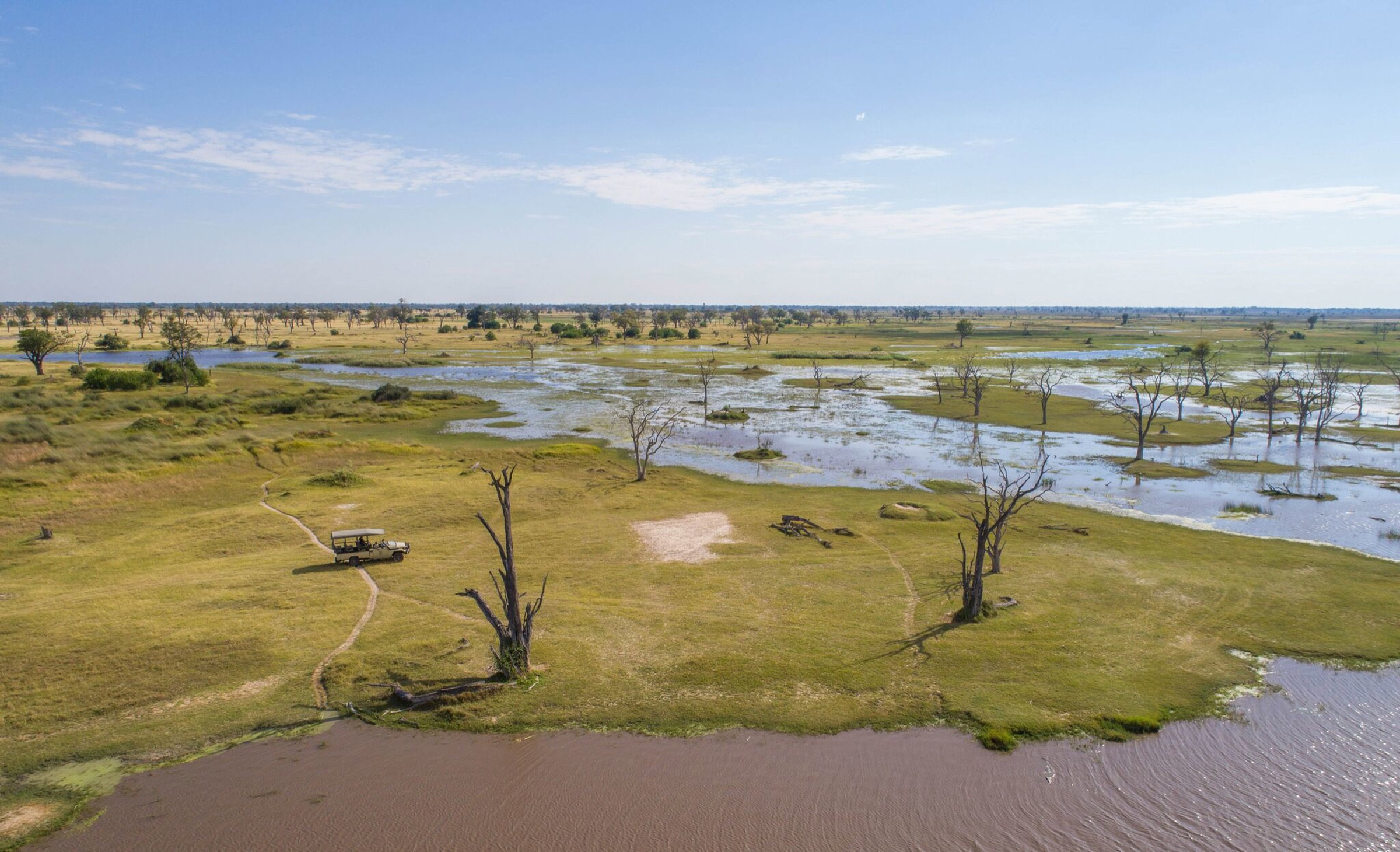
There are places where wildlife exists alongside towns, roads and settlements. Botswana feels different. Vast areas remain wild, unfenced and sparsely populated, creating a safari experience defined by space, silence and the freedom of wildlife to move across enormous ecosystems.
In the north, the Okavango River spills into the sands of the Kalahari to form the extraordinary Okavango Delta. Further east, elephants gather along the Chobe River. South of the Delta, the landscape opens into the immense salt pans of Makgadikgadi and the grasslands of Nxai Pan. Beyond them lies the seemingly endless Central Kalahari.
Botswana is not about rushing between attractions.
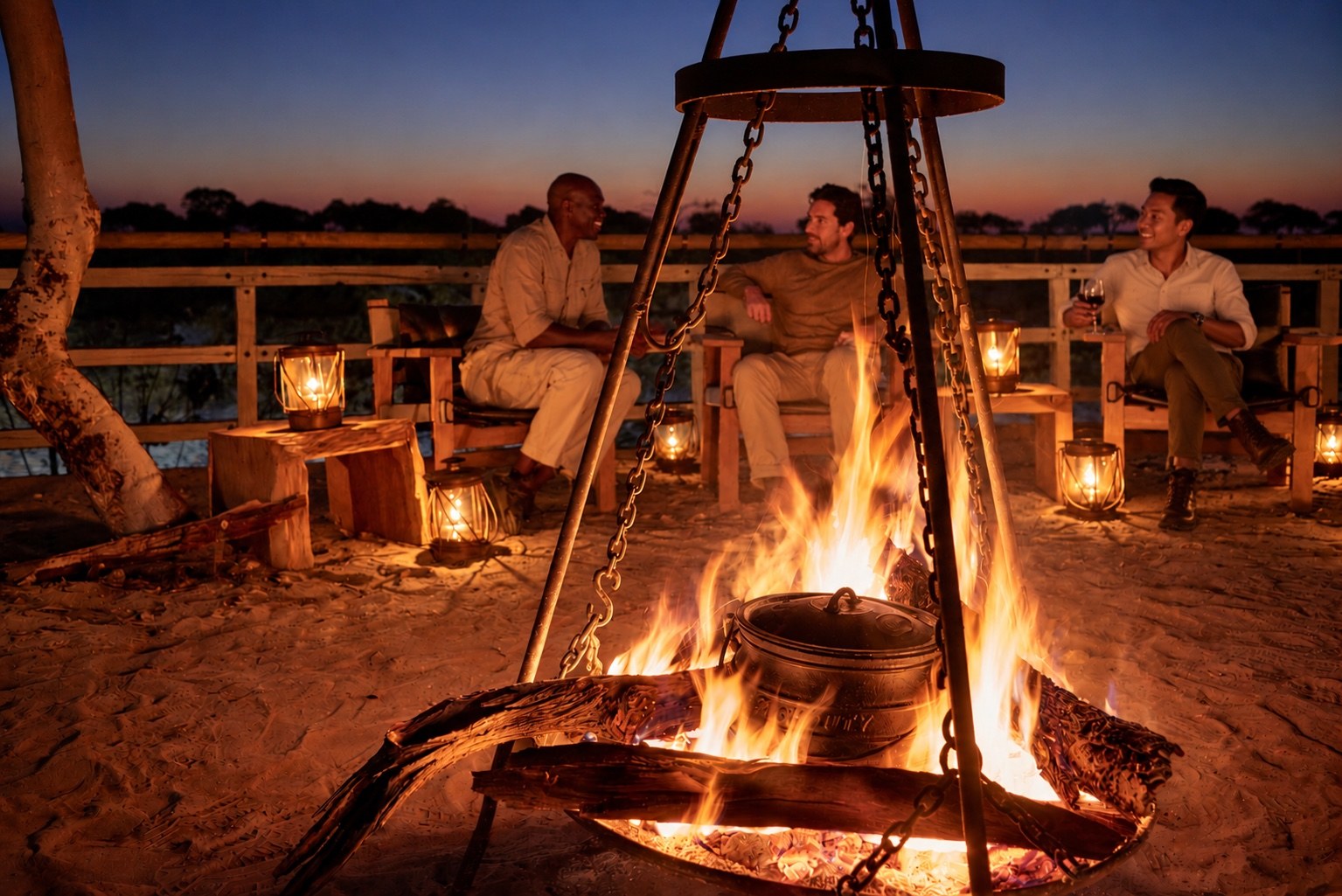
It is about flying into a remote camp, watching elephants cross beneath your aircraft, travelling through reed-lined channels by mokoro, tracking predators across open floodplains and sitting beside a fire at night with almost no artificial light between you and the stars.
For travellers looking for a sophisticated, wildlife-focused African safari, Botswana remains one of the continent’s benchmark destinations.
At Mason & Wild, we design private Botswana journeys around the ecosystems themselves, choosing camps, regions and seasons deliberately rather than simply linking together the best-known lodge names.
Last reviewed:
Reviewed by Zannon James, Founder of Mason & Wild
Botswana · Destination Intelligence
Why Travel to Botswana?
Botswana’s strength is not one single attraction.
It is the extraordinary variety of wilderness concentrated within one country.
The Okavango Delta
A vast inland wetland where channels, floodplains, islands and woodland create one of Africa’s most distinctive wildlife environments.
Exceptional Wildlife
Botswana supports significant populations of elephant, buffalo, lion, leopard, wild dog, cheetah, hippo, giraffe and many other species, with particularly strong wildlife concentrations across northern Botswana.
Low-Density Safari Experiences
Many of Botswana’s best safari areas are reached by light aircraft and contain relatively small camps spread across large wilderness concessions.
Land and Water Safaris
Depending on where you stay and seasonal water levels, a Botswana safari can combine traditional game drives with boating and mokoro excursions.
Remarkable Landscape Diversity
Wetlands give way to woodland, river systems, open grassland, desert, salt pans and Kalahari wilderness.
Easy Safari Combinations
Botswana combines exceptionally well with Victoria Falls, South Africa, Namibia and Zambia, making it ideal for longer Southern African journeys.
Botswana · Destination Intelligence
The Okavango Delta
Where the Desert Meets the Water
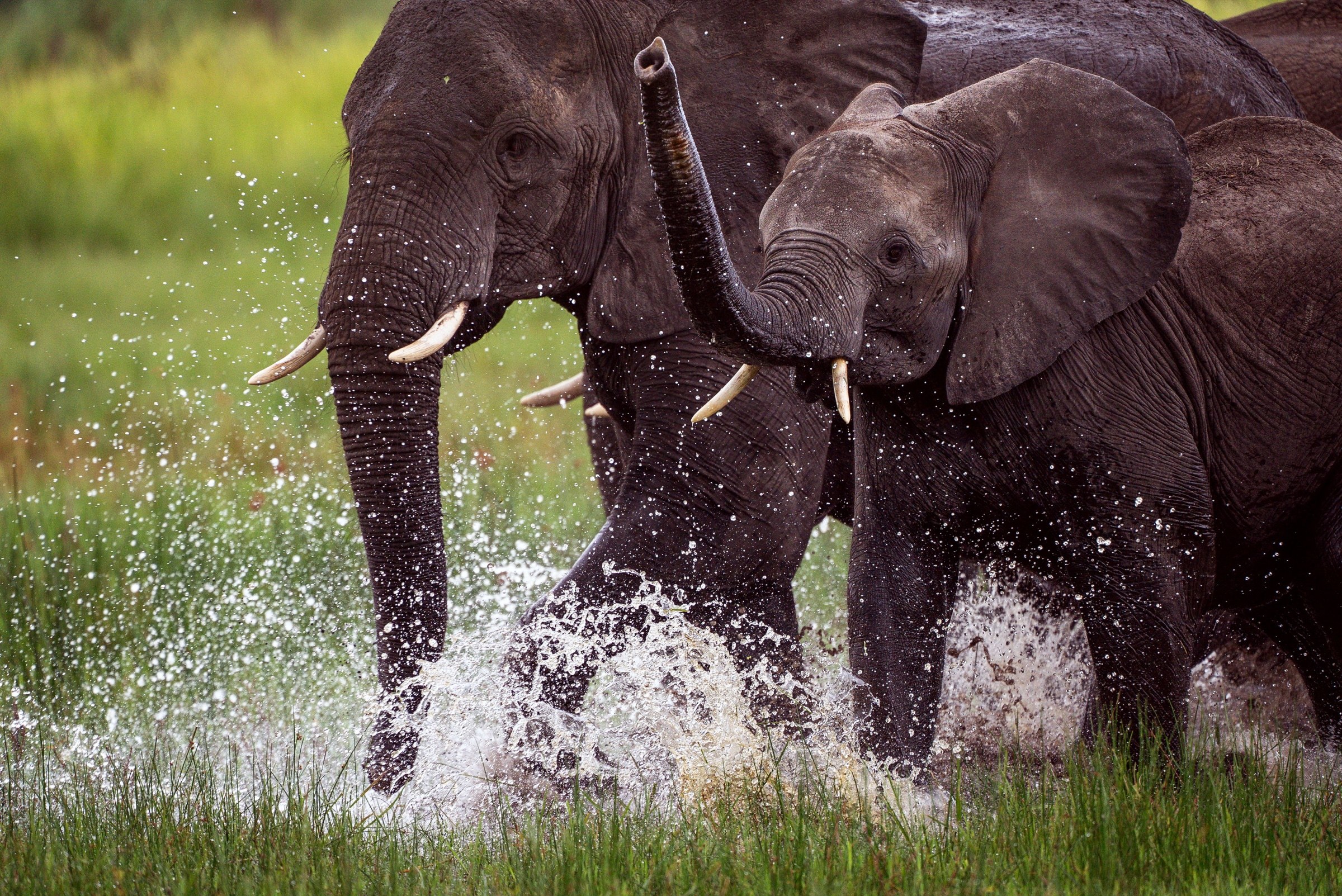
The Okavango Delta is the heart of Botswana’s safari experience and one of Africa’s most remarkable natural environments.
Instead of reaching the ocean, water from the Angolan Highlands flows southeast into Botswana and disperses across the sands of the Kalahari Basin.
The result is an immense network of channels, lagoons, reed beds, floodplains, islands and woodland.
The Okavango is not one uniform destination.
This distinction matters when choosing a safari camp.
Some areas are predominantly permanent water environments. Others are seasonal floodplains. Some offer exceptional vehicle-based predator viewing, while others are better suited to boating, mokoro excursions and a slower exploration of the Delta.
A good Botswana itinerary therefore rarely asks simply:
“Which is the best lodge?”
The better question is:
“Which ecosystem and camp combination will give you the safari experience you actually want?”
What You Can Experience in the Okavango Delta
Depending on the camp and location:
- Game drives
- Mokoro excursions
- Motorboat safaris
- Walking safaris
- Birding
- Photography
- Private guiding
- Sleep-outs and seasonal specialist experiences
The Delta is especially powerful when different environments are combined.
We will often pair a camp with strong land-based game viewing with a second property offering a more water-oriented Delta experience.
That way, you experience the Okavango rather than simply staying in it.
Botswana · Destination Intelligence
Moremi Game Reserve
The Wildlife Heart of the Okavango
Moremi Game Reserve protects part of the eastern and central Okavango Delta and is one of Botswana’s most celebrated wildlife areas.
The reserve brings together floodplains, woodland, lagoons, grasslands and waterways, creating exceptionally varied habitats.
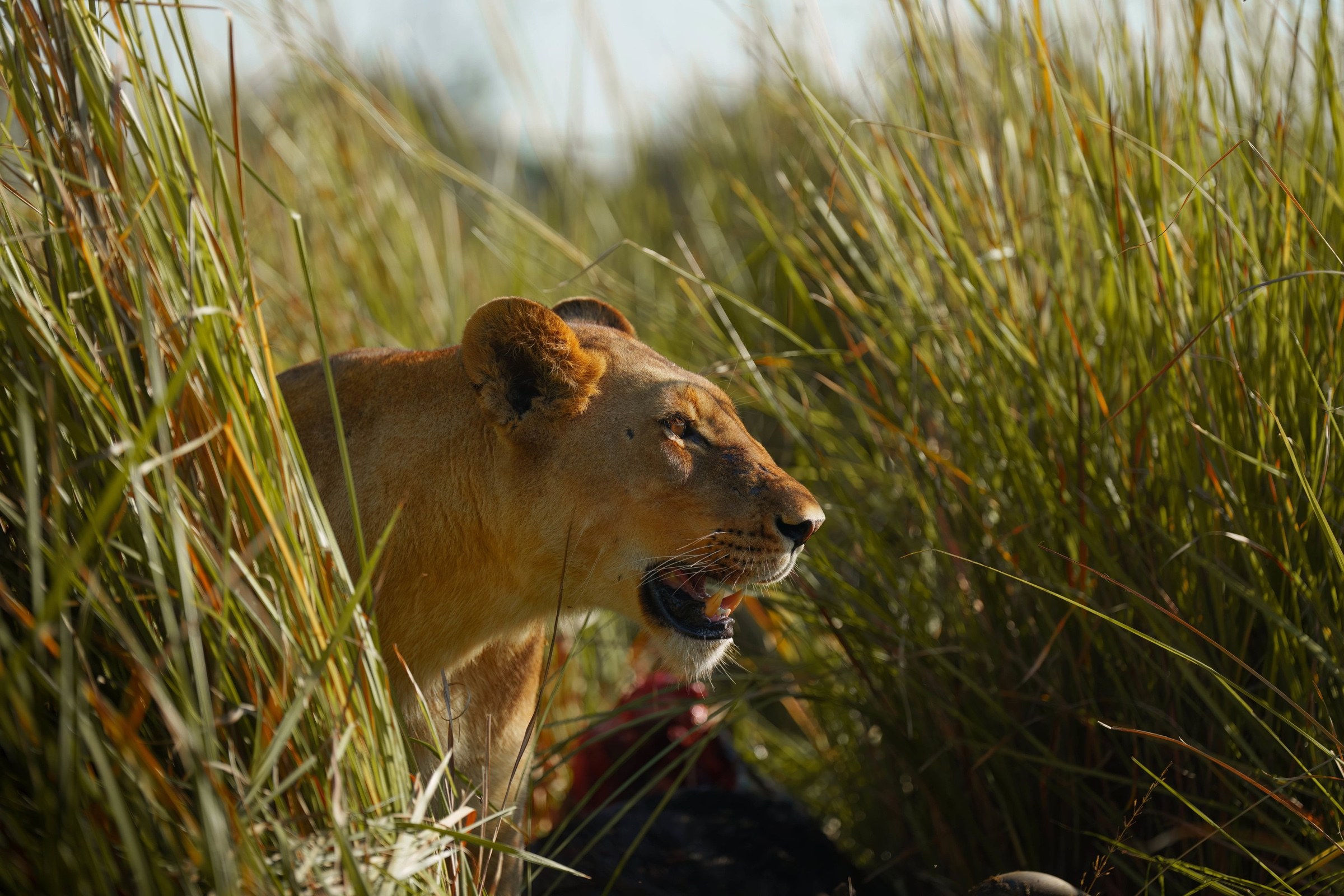
Predators are one of Moremi’s major attractions.
Lion, leopard and African wild dog can all occur here, while large herbivores move through the broader ecosystem.
Moremi also has considerable conservation significance. It was established in 1963 following an initiative by the Batawana people to protect wildlife within their ancestral lands.
Areas around Moremi, including the surrounding private concessions, form part of the broader ecosystem we consider when designing a Delta safari.
For serious safari travellers, photographers and guests who prioritise wildlife viewing, this part of Botswana deserves particular attention.
Firsthand Knowledge
Our Experience in Botswana
Mason & Wild’s recommendations are shaped by first-hand travel across the destinations we sell.
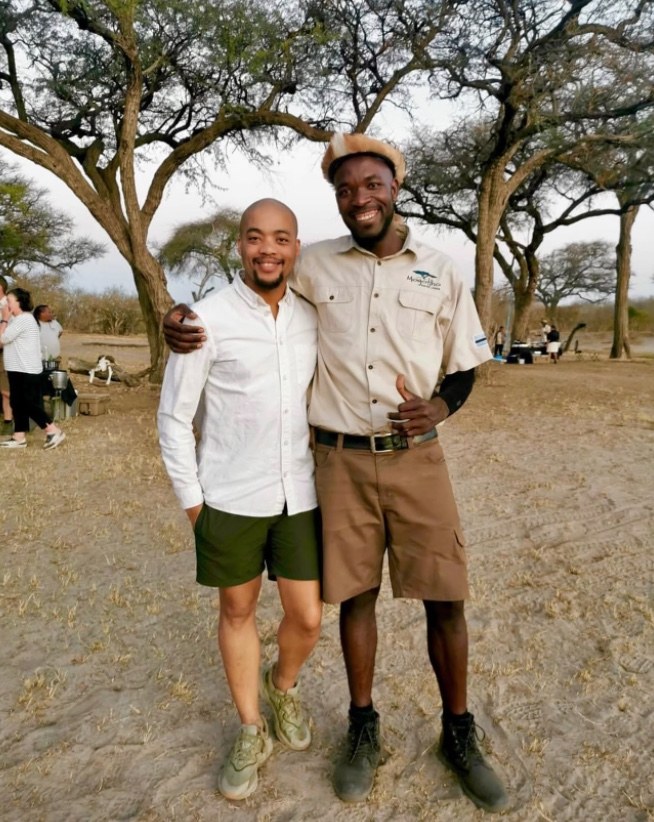
Founder Zannon James has travelled in Botswana, including the Khwai area, experiencing the region’s safari operations and wilderness environment directly.
That on-the-ground experience helps us make better decisions about camp locations, routing, guiding and how different parts of Botswana actually feel in practice.
Botswana · Destination Intelligence
Chobe
Elephants, River Safaris and Big Wildlife
Northern Botswana changes character again around Chobe.
The Chobe River creates a permanent source of water along the country’s northern frontier and supports extraordinary concentrations of wildlife.
The region is particularly famous for elephants.
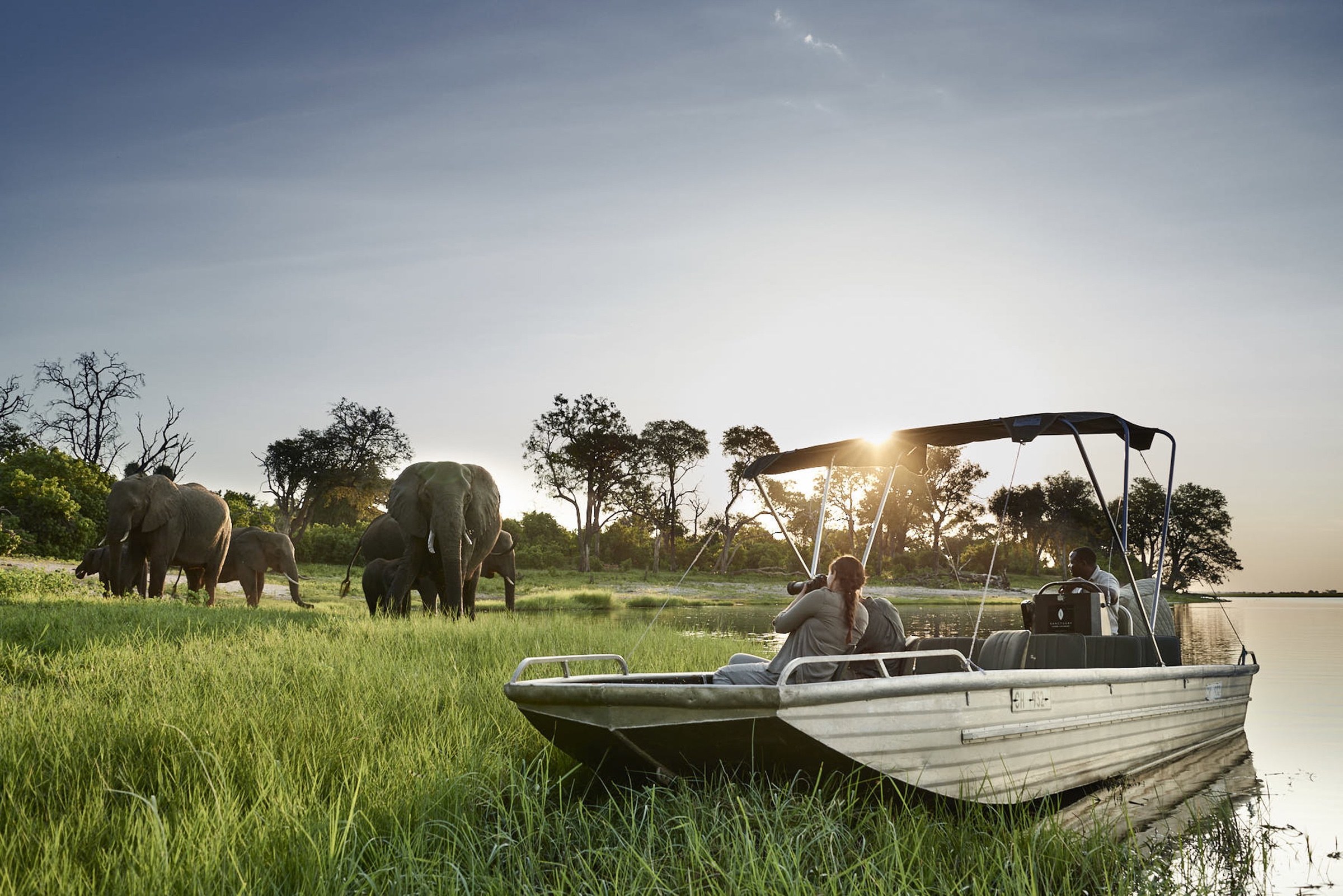
Watching elephants approach the river to drink, swim and interact from the perspective of a boat can be one of the defining experiences of a Botswana safari.
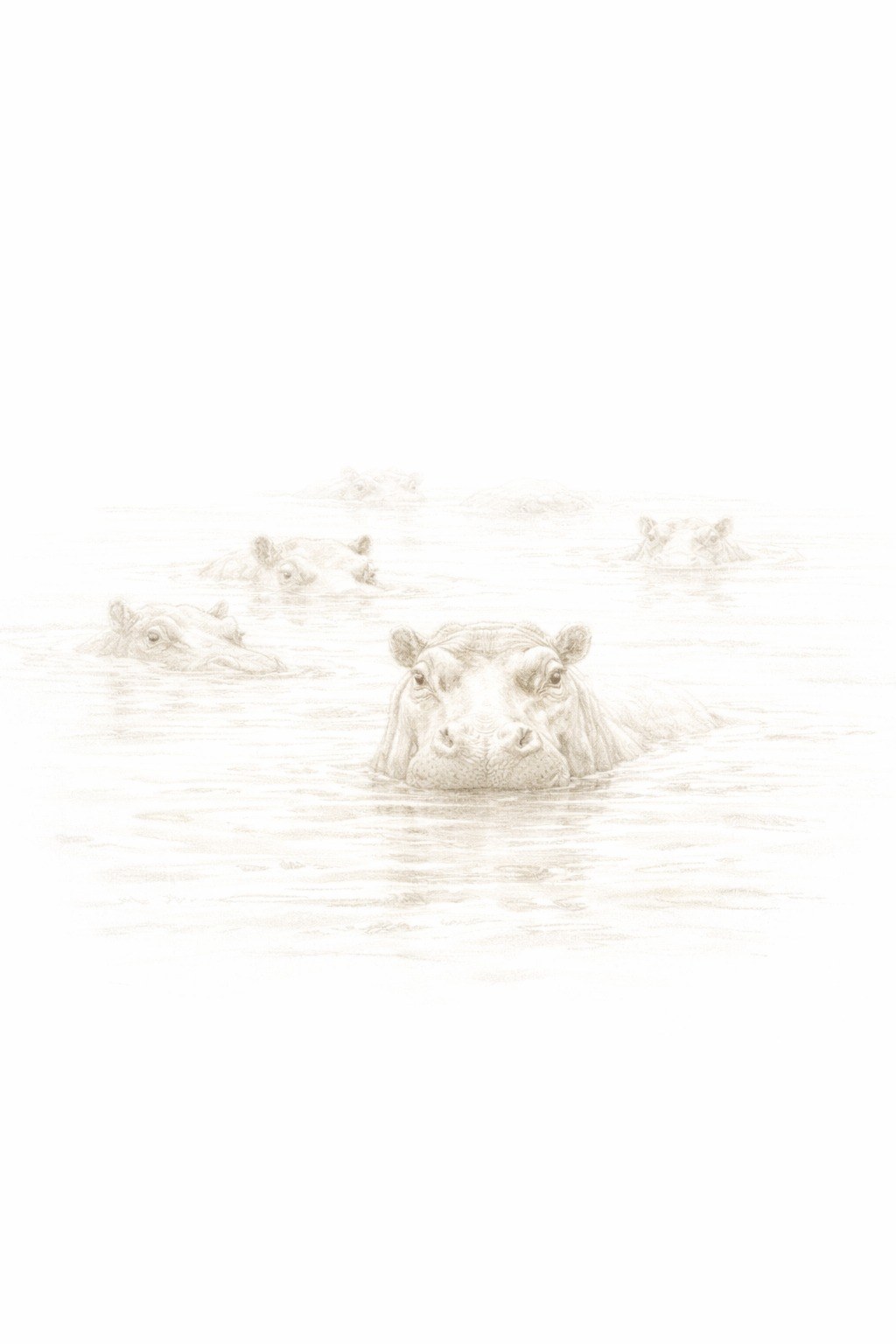
Chobe also supports buffalo, hippo, crocodile, giraffe and numerous antelope species, along with lion, leopard and other predators.
The Chobe Riverfront
The riverfront is the most accessible part of the region and combines vehicle-based wildlife viewing with boat safaris.
Its accessibility is both a strength and something that should be understood when planning.
Wildlife can be superb, but certain parts of the riverfront can become busier than remote private concessions elsewhere in Botswana.
For some travellers, Chobe is the perfect introduction to Botswana.
For others seeking maximum exclusivity, we may instead focus on more remote areas such as Linyanti, Selinda or private Okavango concessions.
There is no universally correct answer.
It depends on how you want to travel.
Botswana · Destination Intelligence
Savuti, Linyanti and Botswana’s Northern Wilderness
For travellers looking for predator-rich wilderness and a more remote safari experience, Botswana’s northern ecosystems deserve serious consideration.
Savuti is famous for its dramatic wildlife interactions and changing relationship with water.
The broader Linyanti region contains woodland, floodplains, river systems and wildlife corridors connecting Botswana with neighbouring ecosystems.
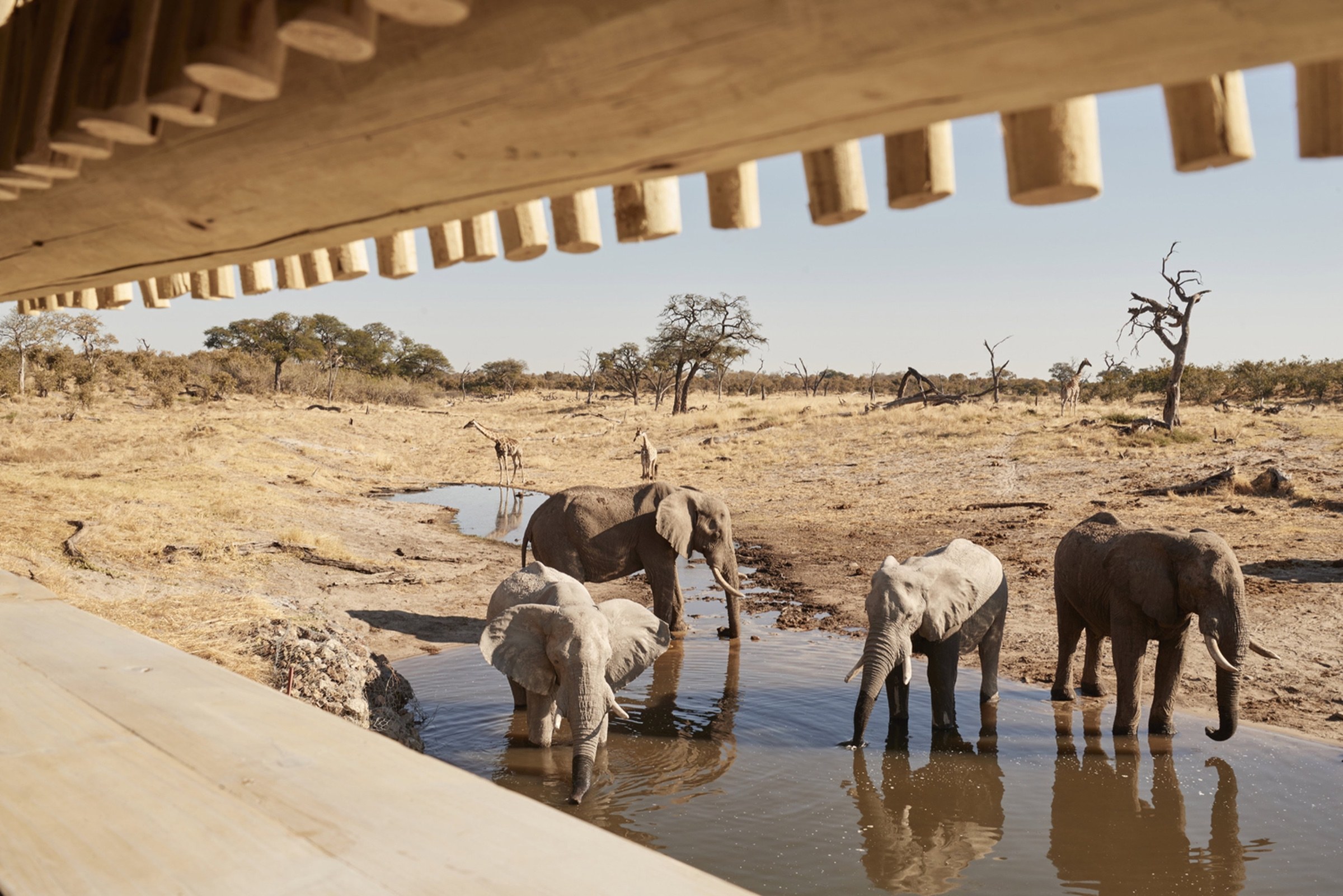
These landscapes can deliver exceptional sightings of elephant, buffalo, lion, leopard and African wild dog.
They also work particularly well when combined with the Okavango Delta because they introduce a noticeably different ecosystem into the journey.
Rather than spending your entire safari within similar Delta environments, combining regions allows Botswana to reveal more of its ecological diversity.
Botswana · The ecosystems
Makgadikgadi Pans
Botswana Beyond the Traditional Safari
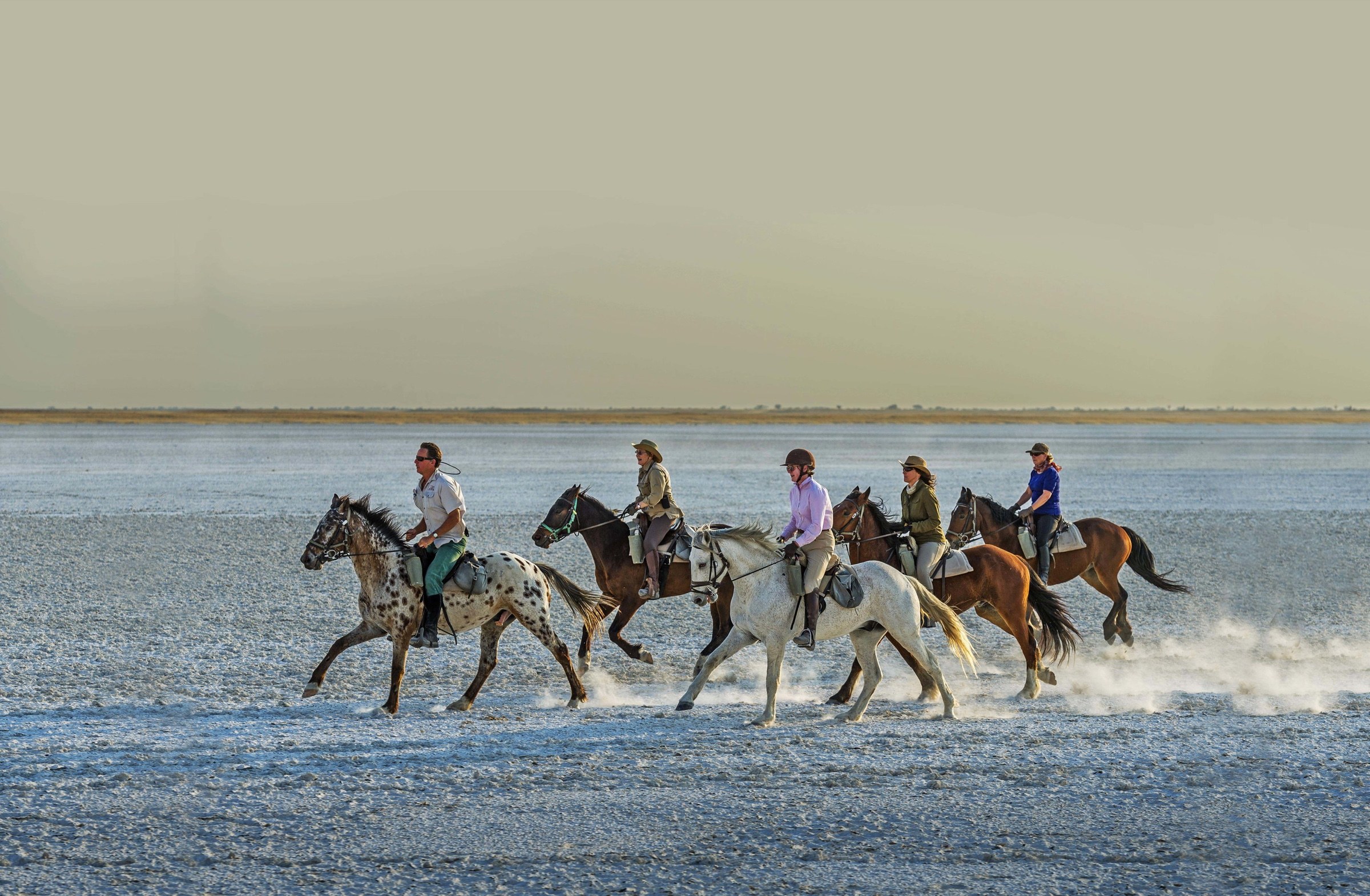
The Makgadikgadi is one of the most surreal landscapes in Southern Africa.
Vast salt pans stretch towards seemingly endless horizons, remnants of an enormous prehistoric lake that once covered much of this region.
During the dry season, the landscape can feel stark, silent and almost extraterrestrial.
After summer rains, everything changes.
Water and fresh grazing transform parts of the ecosystem, drawing wildlife onto the surrounding grasslands.
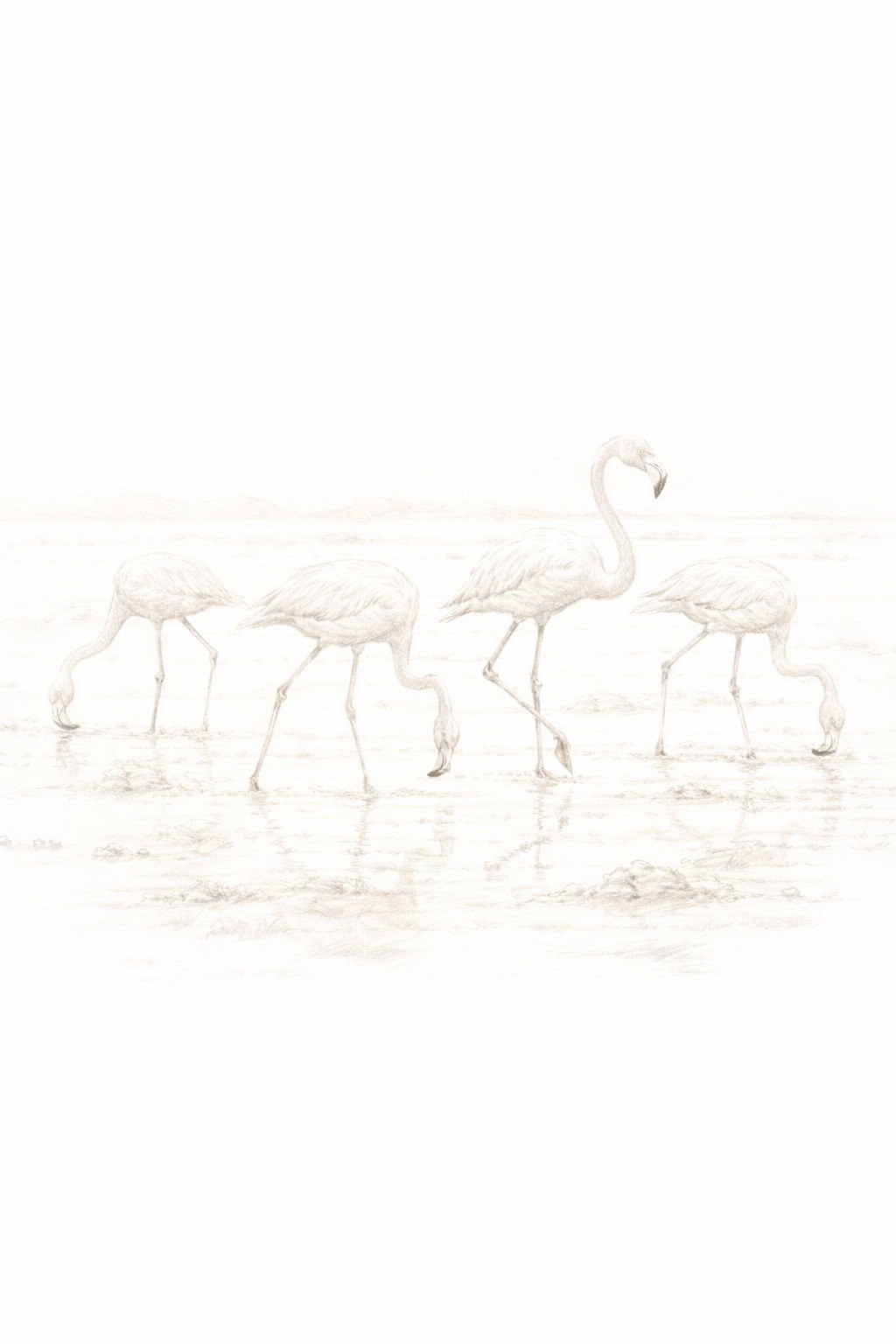
Zebra and wildebeest move through the broader Makgadikgadi system, while seasonal conditions can attract large numbers of flamingos to flooded pan environments.
But wildlife is only part of the reason to visit.
The Makgadikgadi offers something increasingly rare in luxury travel:
space.
The horizon becomes part of the experience.
This is where Botswana moves beyond traditional game viewing into landscape, adventure and a genuine sense of isolation.
Depending on the property and season, experiences may include:
- Quad biking across dry salt pans
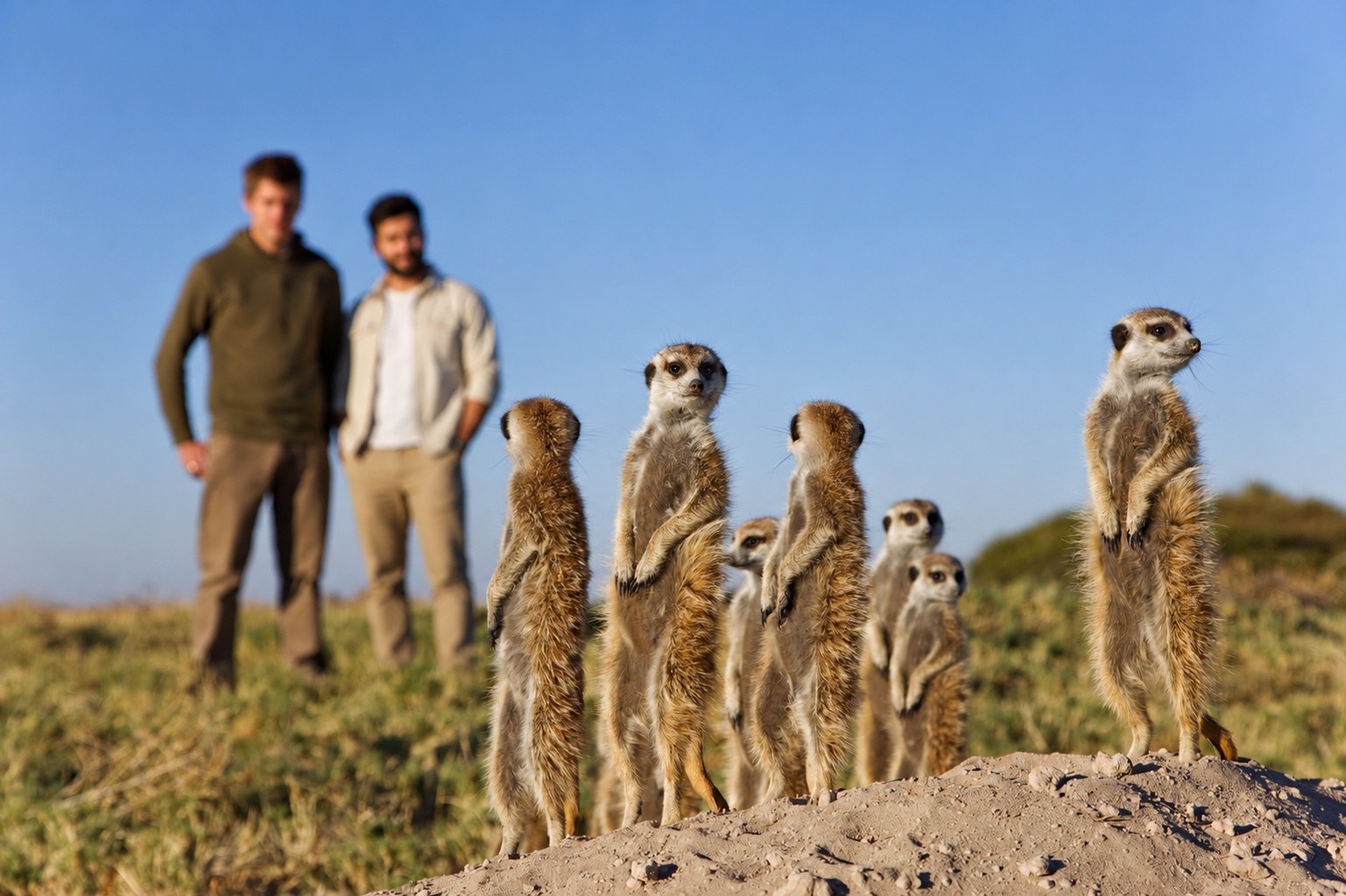
- Meerkat encounters
- Bush walks
- Wildlife drives
- Sleep-outs beneath extraordinary night skies
- Cultural experiences
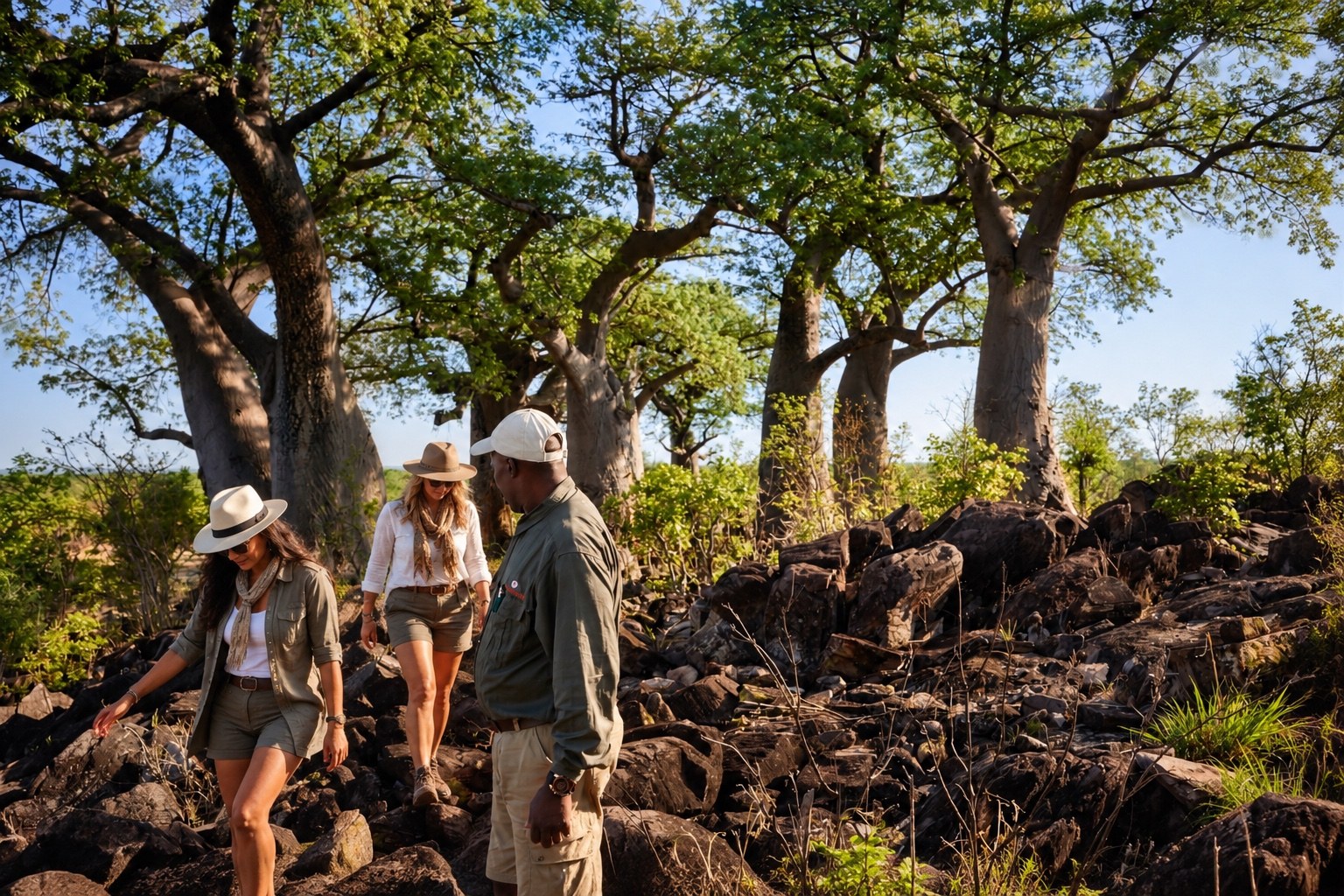
- Visits to ancient baobab landscapes
Makgadikgadi works particularly well as a contrast to the waterways and wildlife density of northern Botswana.
Botswana · Destination Intelligence
Nxai Pan
Nxai Pan offers another side of Botswana’s Kalahari environment.
Open grasslands, fossil pans and clusters of acacia create a completely different atmosphere from the Okavango Delta.
During the green season, summer rainfall transforms the landscape.
Fresh grass attracts herbivores and creates opportunities for predator sightings, while the scenery becomes unexpectedly lush.
The region is also associated with Baines’ Baobabs, a striking group of ancient baobab trees immortalised by the artist and explorer Thomas Baines in the nineteenth century.
For travellers returning to Botswana or building a longer itinerary, Nxai Pan adds another layer to the country’s ecological story.
Botswana · The ecosystems
Central Kalahari
Silence on an Extraordinary Scale
The Central Kalahari Game Reserve represents Botswana at its most immense.
This is not a safari destination built around permanent rivers or classic Delta channels.
It is a landscape of grasslands, fossil river valleys, scrub and enormous skies.
The scale can be difficult to understand until you are inside it.
During Botswana’s green season, rainfall transforms parts of the Kalahari and attracts wildlife onto the plains.
Predators follow.
The experience here is less about ticking off species and more about wilderness in its broadest sense.
For travellers who value remoteness, landscapes, photography and the emotional impact of genuinely open space, the Kalahari can be extraordinary.
Botswana · Safari planning
When Is the Best Time to Visit Botswana?
There is no single best month for every Botswana safari.
The right season depends on what you want to see, where you are travelling and how important water activities, wildlife density, photography, birding or value are to you.
May to October
The Dry Season
This is Botswana’s traditional peak safari period.
Rainfall is limited, vegetation gradually becomes drier and wildlife increasingly concentrates around permanent water sources.
Days are generally dry and clear, while winter mornings and evenings can become surprisingly cold, particularly on open safari vehicles.
July, August and September are especially popular.
Demand for Botswana’s smaller safari camps can be extremely high during this period, so early planning is important.
November to March
The Green Season
Summer brings warmer temperatures, dramatic skies and seasonal rainfall.
The landscape changes rapidly.
Vegetation becomes green, many animals give birth and migratory birds arrive.
The Kalahari and Makgadikgadi regions can be particularly rewarding during this period.
Rain usually occurs in storms rather than continuous days of rainfall, although weather patterns are never completely predictable.
For photographers, returning safari travellers and guests interested in birding or seasonal wildlife behaviour, the green season should not be dismissed.
It can be one of Botswana’s most beautiful periods.
April and November
These shoulder periods can offer interesting combinations of seasonal change, availability and value, although conditions vary from year to year.
Botswana · Safari planning
Understanding the Okavango Flood
One of the most misunderstood aspects of Botswana travel is the timing of the Okavango flood.
The Delta’s major floodwaters do not simply arrive during Botswana’s summer rains.
Water begins its journey much further north in the Angolan Highlands before slowly travelling through the Okavango river system and eventually spreading across the Delta.
This means the annual flood can reach parts of the Delta during Botswana’s dry winter months.
Different concessions receive water at different times and to different degrees.
Flood levels also vary between years.
This is why statements such as “visit in July for the Delta” are not enough when planning a high-quality Botswana safari.
Camp location matters.
Water levels matter.
The activities available at that specific camp matter.
We consider all three.
Botswana · Safari planning
Botswana’s Green Season
Botswana’s green season deserves far more attention than it often receives.
From roughly November through March, summer rains begin transforming the landscape.
The Kalahari changes colour.
Young animals appear.
Migratory birds arrive.
Predators take advantage of concentrations of vulnerable prey.
Storm clouds create dramatic light for photography.
And in some regions, seasonal wildlife movements create experiences unavailable during the dry winter months.
The green season is not simply Botswana’s “cheap season”.
It is a different safari.
For the right traveller, it can be the better one.
Botswana · Safari planning
What Is a Mokoro Safari?
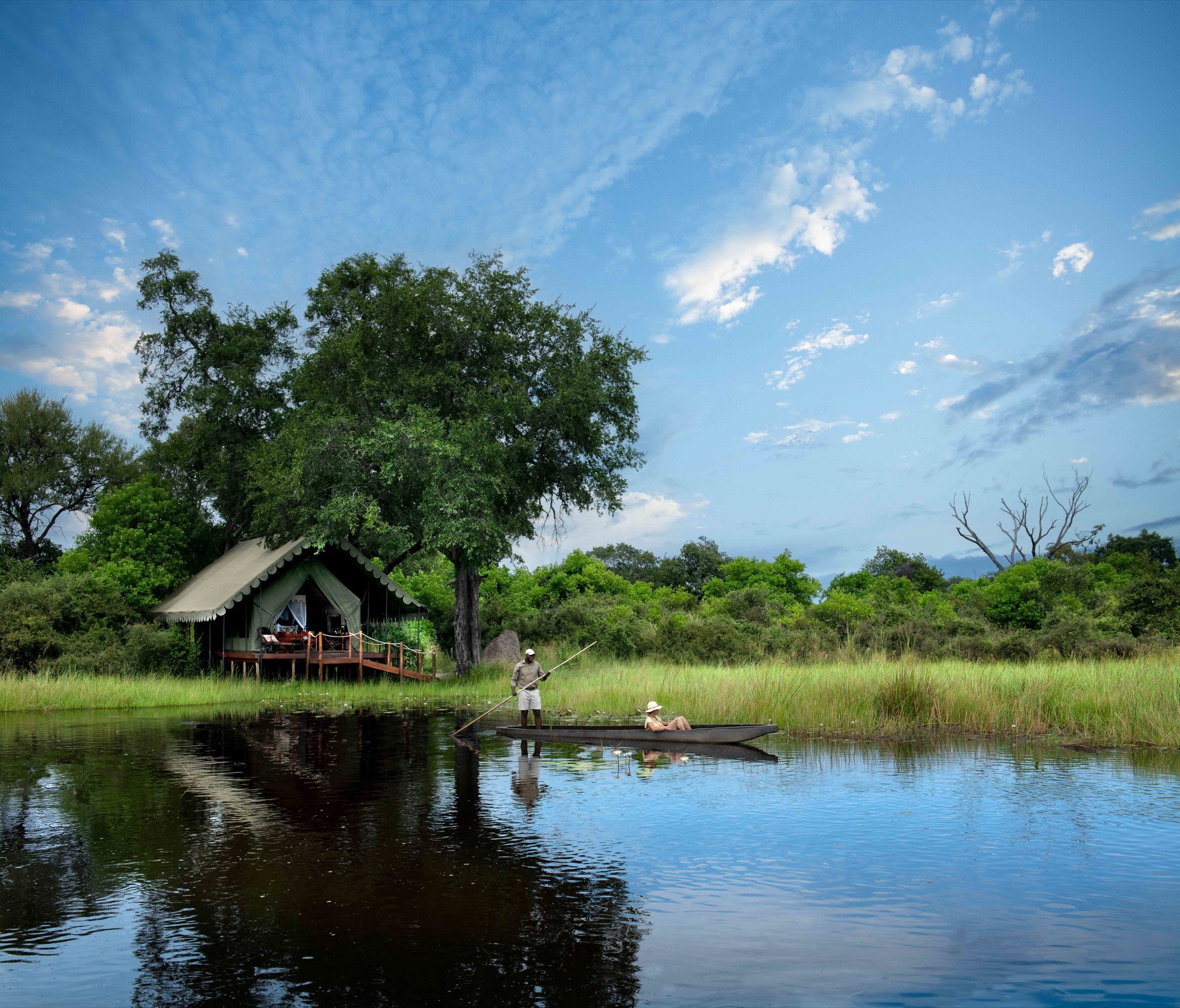
A mokoro is a traditional canoe-like craft used to move through the shallow waterways of the Okavango Delta.
Today, many safari camps use modern versions designed to reduce reliance on timber from indigenous trees.
A mokoro excursion is very different from a game drive.
It is quiet.
You sit close to the water while a trained poler guides the mokoro through channels and reed beds.
The focus shifts from covering distance to observing detail.
Water lilies.
Reeds moving in the breeze.
Tiny painted reed frogs.
Dragonflies.
Birdlife.
The occasional elephant in the distance.
A mokoro safari should not be understood primarily as a way to search for big game.
Its value lies in experiencing the Okavango at the pace of the water.
Botswana · Safari planning
Private Concessions vs National Parks
This is one of the most important distinctions when choosing where to stay in Botswana.
Different safari areas operate under different rules.
Public national parks and reserves offer extraordinary wildlife experiences, but activities are generally governed by park regulations.
Private concessions may provide additional flexibility depending on the specific concession and operator.
This can include activities such as:
- Night drives
- Walking safaris
- Off-road driving where permitted
- Boating
- Mokoro excursions
- More flexible safari schedules
Not every private concession offers every activity.
Likewise, being inside a national park is not automatically better or worse.
The correct choice depends on wildlife movements, habitat, season, camp style and what matters most to you.
This is precisely why Botswana rewards careful itinerary design.
Understand the difference between private conservancies and national parks
Botswana · Safari planning
How Many Nights Do You Need in Botswana?
For most first-time travellers, we recommend approximately six to ten nights in Botswana itself.
A strong first safari might include:
3 nights in a land-focused Okavango camp
3 nights in a water-oriented Delta camp or northern concession
2 to 3 nights in Chobe, Linyanti, Makgadikgadi or another contrasting ecosystem
Travellers with limited time can still experience Botswana in four or five nights, but camp selection becomes much more important.
For deeper journeys, ten to fourteen nights can incorporate several completely different ecosystems without the trip feeling repetitive.
The biggest mistake is trying to visit too many camps.
Every camp move involves packing, transfers, flying and settling into a new environment.
We would rather give you enough time to understand three exceptional places than rush you through five.
Botswana · Destination Intelligence
How Do You Travel Around Botswana?
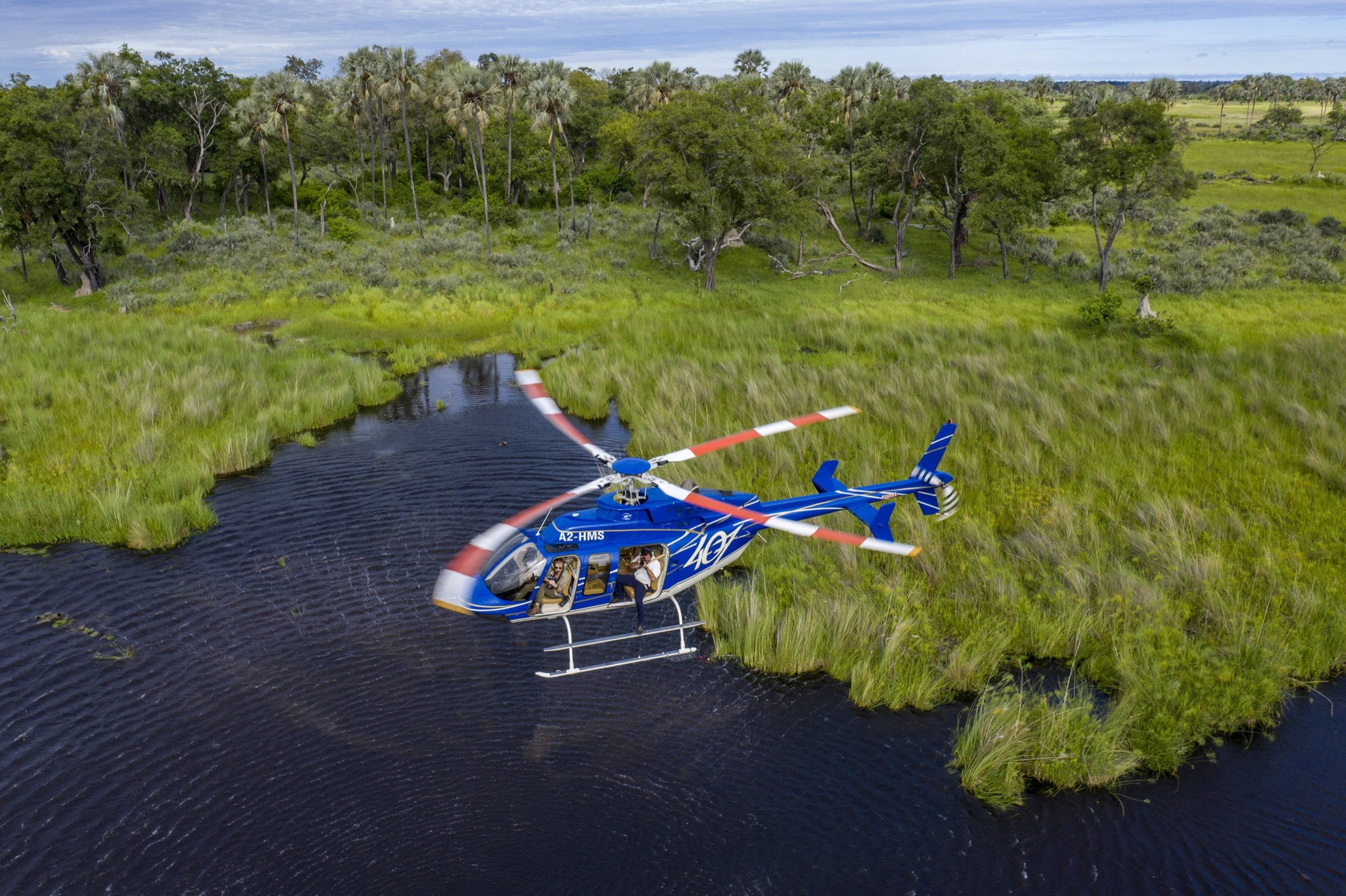
Botswana’s most remote safari regions are commonly linked by light aircraft.
Maun acts as the principal gateway to the Okavango Delta, while Kasane provides access to Chobe and connections with the Victoria Falls region.
Small aircraft then connect travellers with safari airstrips across the country.
Flying is part of the Botswana experience.
Flights can provide extraordinary aerial views of channels, elephant trails, floodplains and vast wilderness.
Aircraft are small, however, and luggage restrictions are important.
Soft-sided bags are generally required and weight allowances vary according to the operator and aircraft.
We provide exact luggage requirements before travel based on the flights included in your itinerary.
Botswana · Safari planning
Botswana + Victoria Falls
Botswana and Victoria Falls form one of Southern Africa’s most natural combinations.
Chobe lies relatively close to the Victoria Falls region, allowing travellers to combine Botswana’s wildlife areas with one of Africa’s great natural landmarks.
A typical journey might include:
- Okavango Delta
- Chobe or Linyanti
- Victoria Falls
Or:
- Cape Town
- Okavango Delta
- Victoria Falls
For first-time visitors to Southern Africa, this creates an exceptionally varied journey without trying to cover too many countries.
Botswana · Safari planning
Botswana + South Africa
South Africa and Botswana work exceptionally well together.
South Africa introduces cities, food, wine, culture and another style of safari.
Botswana then takes the journey deeper into wilderness.
A particularly strong combination is:
- Cape Town
- Cape Winelands
- Okavango Delta
- Northern Botswana
Alternatively, travellers can combine Botswana with a private reserve in Greater Kruger for two contrasting safari ecosystems.
Botswana · Destination Intelligence
Luxury Safaris in Botswana
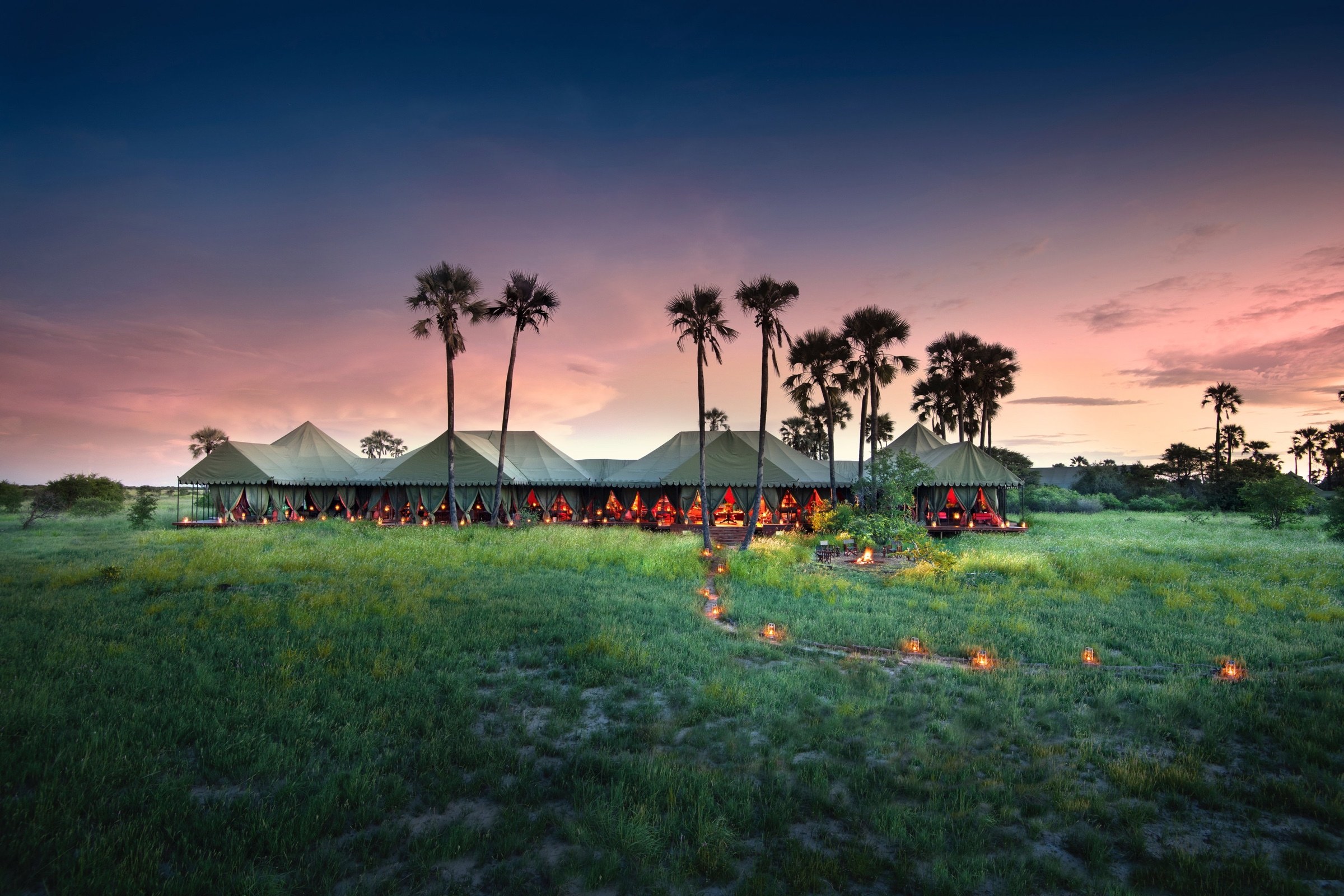
Botswana has developed one of Africa’s strongest collections of remote safari camps.
Luxury here does not necessarily mean marble bathrooms and enormous suites.
The real luxury is often access.
A camp may accommodate only a small number of guests in a wilderness area covering tens of thousands of hectares.
Your morning might begin with elephants outside your tent.
Lunch may overlook a floodplain.
Your afternoon could be spent following wild dogs before returning to dinner beneath an unobstructed night sky.
The best Botswana camps combine:
- Exceptional guiding
- Remote locations
- Thoughtful hospitality
- Strong conservation practices
- Comfort without disconnecting guests from the wilderness
- Access to meaningful safari activities
We choose properties based on the complete safari experience rather than how photogenic the room looks online.
Botswana · Safari planning
Is Botswana Good for a Honeymoon?
Yes.
Botswana is particularly well suited to couples who want privacy and meaningful experiences rather than a resort-style honeymoon.
Small safari camps, remote settings, private decks, candlelit dinners and extraordinary landscapes create natural romance without needing to manufacture it.
For honeymoon journeys, we pay particular attention to:
- Camp atmosphere
- Room privacy
- Private plunge pools where important
- Sleep-outs
- Private dining possibilities
- Flight logistics
- Pacing
- Special honeymoon inclusions
- Combining safari with Cape Town, the Winelands, Victoria Falls or an Indian Ocean beach
A Botswana honeymoon should feel effortless even when the places themselves are extremely remote.
Explore The Romantic, our privately designed journey for couples
Botswana · Safari planning
LGBTQ+ Travel in Botswana
What LGBTQ+ Travellers Should Know
Botswana has made important legal progress for LGBTQ+ people.
In 2019, Botswana’s High Court ruled that laws criminalising consensual same-sex intimacy were unconstitutional. The country’s Court of Appeal upheld that decision in 2021.
In March 2026, the government also formally removed the relevant criminalising provisions from the Penal Code.
Same-sex sexual activity is therefore legal in Botswana.
However, legal progress does not mean social attitudes are identical to those in countries with long-established LGBTQ+ protections and highly visible queer communities.
Public attitudes can be more conservative, and LGBTQ+ travellers may prefer to exercise discretion with public displays of affection, particularly outside tourism environments.
Within Botswana’s international safari industry, our focus is on selecting partners that understand our travellers and treat couples as couples.
You should not have to navigate awkward assumptions throughout your holiday.
That includes seemingly small details such as:
- A double bed rather than automatically separating a same-sex couple into twin beds
- A honeymoon welcome offered to every honeymoon couple
- Staff who interact naturally and respectfully
- Properties where you can relax without feeling that your relationship requires explanation
For us, LGBTQ+ travel is not about attaching a rainbow flag to an itinerary.
It is about knowing where you are going, who will look after you and making sure the experience feels comfortable from the beginning.
Read our wider LGBTQ+ travel intelligence for Southern Africa
For the wider destination context, read our LGBTQ+ Africa travel guide.
Botswana · Safari planning
Is Botswana Safe for LGBTQ+ Travellers?
For most LGBTQ+ travellers visiting Botswana’s established safari circuit, Botswana can be travelled comfortably with sensible awareness of local culture.
Same-sex intimacy is legal, but social attitudes can be more conservative than in countries such as South Africa.
We therefore distinguish between legal status, social acceptance and the actual guest experience.
They are not the same thing.
Our role is to understand all three.
When we design Botswana itineraries for LGBTQ+ travellers, we work with established tourism partners and communicate relevant guest preferences before arrival so that travellers do not need to repeatedly explain themselves.
Botswana · Safari planning
Who Is Botswana Best For?
Serious Safari Travellers
If wildlife and wilderness are the primary reasons you are travelling to Africa, Botswana belongs high on the list.
Couples and Honeymooners
The small scale of many camps creates privacy naturally.
Photographers
Wildlife, landscapes, water, changing light and relatively low-density safari environments create outstanding photographic possibilities.
Returning Africa Travellers
If you have already experienced safari elsewhere in Southern or East Africa, Botswana provides something genuinely different.
Travellers Who Value Exclusivity
Much of the premium Botswana safari model is built around small camps and large wilderness areas.
Travellers Comfortable With Remote Places
Botswana is not a destination where everything is immediately accessible.
That is precisely the point.
Botswana · Safari planning
Who Might Prefer Another Destination?
Botswana is exceptional, but it is not automatically the right safari destination for everyone.
You might prefer South Africa if you want extensive dining, wine, cities and safari within one country.
You might prefer Kenya or Tanzania if seeing the Great Migration is your priority.
You might prefer Zambia if walking safaris are central to your trip.
You might prefer Zimbabwe if you want particularly strong safari value alongside excellent guiding.
And if your budget is limited, Botswana’s most exclusive camps can make alternatives elsewhere in Southern Africa significantly more accessible.
We do not sell Botswana because it is fashionable.
We recommend it when it is right.
Explore South Africa’s city, Winelands and safari experiences
Weigh the alternatives in our four-country safari comparison.
Botswana · Safari planning
Botswana for First-Time Safari Travellers
Botswana can be extraordinary for a first safari, but camp selection is critical.
A beautiful water camp with limited vehicle-based game viewing may disappoint someone expecting constant lion, leopard and elephant encounters.
Conversely, placing every night in predator-focused land camps misses the quiet waterways that make the Okavango unique.
For a first Botswana journey, balance matters.
We typically want you to experience at least two contrasting environments.
That is where Botswana begins to make sense.
See how this destination fits your priorities in our first-safari destination guide.
Botswana · Safari planning
Botswana for Repeat Safari Travellers
Repeat safari travellers can go much deeper.
Rather than focusing on famous names, we can design journeys around particular ecosystems, species, seasons or activities.
Examples include:
- African wild dog
- Predator photography
- Birding
- The Kalahari green season
- Zebra movements
- Remote walking
- Water-focused safaris
- Private guiding
- Specialist photographic vehicles
- Longer stays in a single wilderness concession
Botswana rewards curiosity.
The more specific the reason for travelling becomes, the more interesting the itinerary can become.
Explore The Intimate, our Botswana and Victoria Falls journey
Botswana · Safari planning
Responsible Travel and Conservation
Safari tourism plays an important role in Botswana’s wilderness economy.
The country’s tourism model has historically placed significant emphasis on protected areas, wildlife management and lower-density tourism.
Approximately 38 percent of Botswana’s land is devoted to national parks, reserves and wildlife management areas.
But conservation is more complicated than simply staying at a lodge labelled “eco”.
When evaluating properties and partners, we look beyond marketing language.
We are interested in:
- How camps interact with neighbouring communities
- How conservation programmes are funded
- How water and energy are managed
- How waste is handled
- Whether local people have meaningful employment and development opportunities
- How tourism contributes to keeping wilderness economically viable
Responsible tourism is not a separate experience added to your itinerary.
It should be part of how the trip operates.
Botswana · Safari planning
Planning a Botswana Safari
Botswana is one of those destinations where expert planning materially changes the quality of the journey.
Two camps can appear almost identical online while delivering completely different safari experiences.
A property’s location can affect:
- Wildlife density
- Water availability
- Game-drive access
- Boating
- Mokoro activities
- Walking
- Night drives
- Off-road driving
- Seasonality
- Travel time
- Price
That is why we do not begin by sending you a catalogue of luxury lodges.
We begin with you.
What have you already seen in Africa?
What kind of wildlife experience matters most?
How important is privacy?
Do you want water activities?
Are you interested in photography?
Do you want intense game viewing or time to slow down?
Are you combining Botswana with somewhere else?
Then we build the journey around the answers.
Before selecting properties, read our complete safari planning guide and how to think about safari costs. The Safari Planning hub brings these decisions together.
Useful answers
Frequently Asked Questions About Botswana
Is Botswana expensive?
Botswana can be one of Africa’s more expensive safari destinations, particularly in remote private concessions where access is by light aircraft and camps accommodate relatively few guests.
However, pricing varies considerably by season, camp and itinerary design.
Higher cost does not automatically mean a better safari.
The objective is to spend money where it changes the experience.
How long should I spend in the Okavango Delta?
For most travellers, we recommend at least four to six nights across two complementary Delta environments if the Okavango is the main focus of the trip.
Can I see the Big Five in Botswana?
Botswana supports the traditional Big Five species, but the country should not be approached primarily as a checklist safari.
Species distribution varies significantly by region.
Botswana’s real strength is the quality of its ecosystems and wildlife interactions.
Can I do a mokoro safari year-round?
Not necessarily.
Mokoro availability depends on the location of the camp and local water conditions.
Some camps operate in permanent-water areas, while others rely on seasonal flooding.
When is the Okavango Delta flooded?
Flood timing varies across the Delta and from year to year.
Water travelling from Angola generally reaches Botswana months after the rainfall that generated it, meaning high water can coincide with Botswana’s dry winter season.
Do I need malaria medication for Botswana?
Malaria risk exists in parts of Botswana, particularly northern regions.
Medical advice should be obtained from a qualified travel-health professional before travel because recommendations depend on your itinerary, season and individual medical circumstances.
Can children go on safari in Botswana?
Yes, although age restrictions can apply to specific camps and activities such as walking or mokoro excursions.
For families, we select camps according to children’s ages, room configurations, guiding arrangements and the type of activities offered.
Can Botswana be combined with Victoria Falls?
Yes.
Botswana and Victoria Falls are one of Southern Africa’s strongest safari combinations, particularly when Chobe is included.
Can Botswana be combined with Cape Town?
Absolutely.
Cape Town followed by Botswana creates one of the most compelling first journeys to Southern Africa because it combines food, culture and city experiences with remote wilderness.
Is Botswana LGBTQ+ friendly?
Same-sex intimacy is legal following landmark court decisions in 2019 and 2021.
Social attitudes can nevertheless be conservative.
We select and brief our partners carefully so LGBTQ+ travellers can experience Botswana comfortably and confidently.