
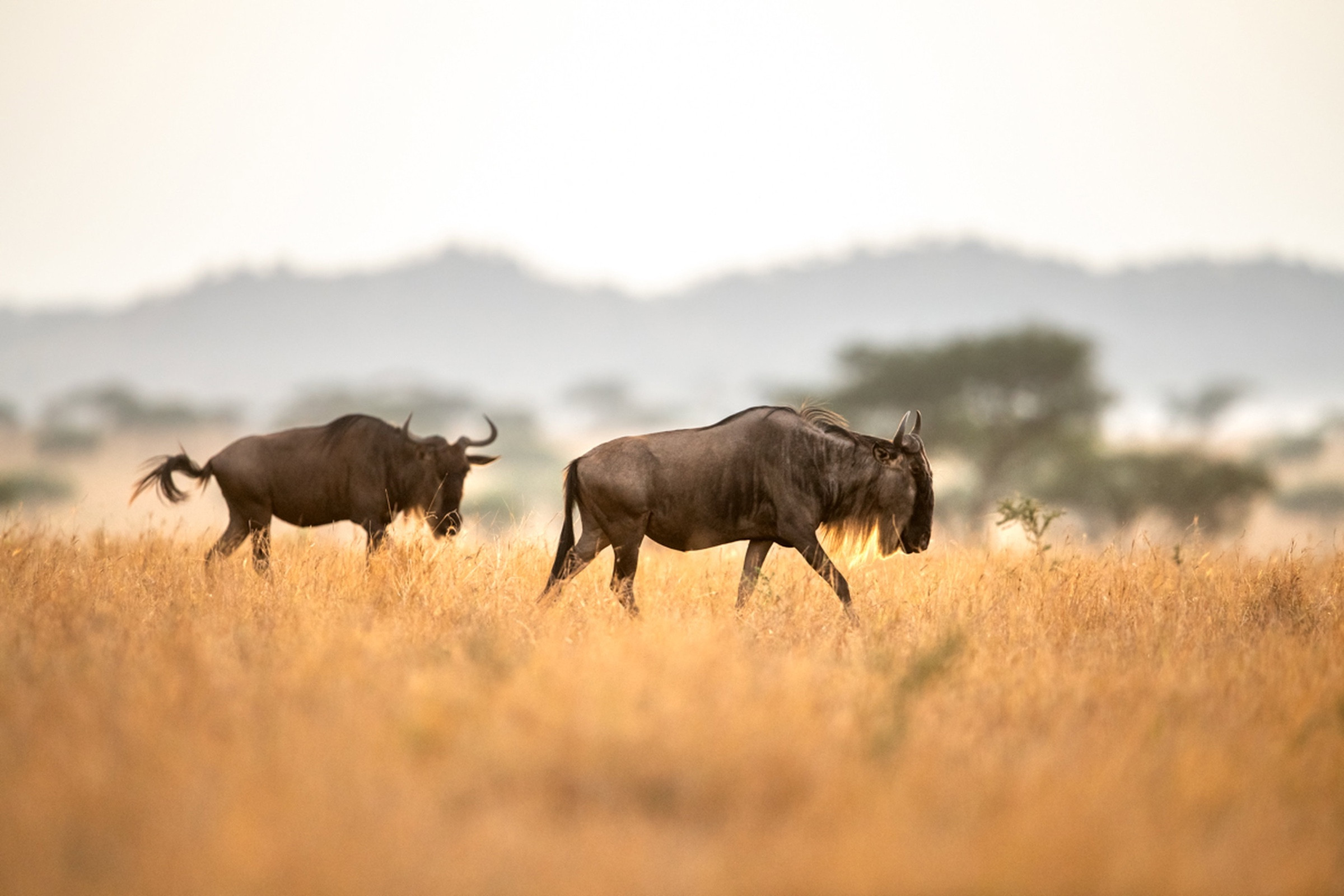
Wildebeest walking through golden grass in the Serengeti, Tanzania.

East Africa · A considered safari

Tanzania

The Serengeti is only the beginning.

Tanzania · A field guide

Big landscapes, extraordinary wildlife and one of Africa’s most rewarding safari circuits.

Tanzania is one of Africa’s great safari countries, but the best journeys here depend on understanding how its landscapes change across the year. Tarangire, Ngorongoro, Ndutu, the central Serengeti, Grumeti and the northern Serengeti each offer something different. The point is not simply to ‘see the migration’. It is to be in the right place for the kind of safari you actually want.

Written / reviewed by Zannon James

African Travel Specialist and Founder, Mason & Wild

Last reviewed:

Tanzania · A country of contrasts

Why Tanzania works so well

A well-routed Tanzania safari gives you contrast without losing its thread: elephants beneath baobabs, cool crater highlands, open plains and river country, then the Indian Ocean. Exceptional guiding connects those landscapes to the wildlife and people within them. The same country can support a moving safari circuit or a much slower journey based in only two camps.

The wildlife

The Serengeti’s predators and migratory herds are part of a much wider story. Tarangire brings elephants into focus; Ngorongoro concentrates wildlife within a volcanic caldera. Each deserves time on its own terms.

The landscapes

Baobab country, soda lakes, forested highlands, short-grass plains, kopjes and riverine woodland change both the scenery and the way you spend your days.

The movement

The Great Migration follows water and grazing through the Serengeti–Mara ecosystem. It changes where a safari should be based, rather than providing one fixed event to book around.

The range

Seasonal tented camps, permanent camps, carefully designed lodges, private villas and beach retreats offer very different kinds of comfort. Cultural depth and good hospitality give the journey substance beyond its wildlife.

See how this destination fits your priorities in our first-safari destination guide.

Firsthand knowledge

We know this route because we travel it.

Zannon James has travelled extensively through Tanzania’s Northern Circuit, from Arusha, Tarangire, Lake Manyara and Ngorongoro to Ndutu and the southern, central, western and northern Serengeti. That experience includes stays and property inspections across very different safari settings.

Siringit Villa, Siringit Serengeti Camp, andBeyond Grumeti River Lodge and One Nature Mara River are among the properties personally experienced or inspected. They represent different parts of a route, rather than a list of interchangeable recommendations.

Being on the ground helps us judge the decisions that a lodge photograph cannot answer: how a transfer feels, whether a camp’s location suits your dates, how much movement to build in and where a longer stay will reward you.

“The question is rarely just ‘Which Serengeti camp is best?’ The real question is which part of the Serengeti makes sense for your month, your interests and the way you like to travel.”
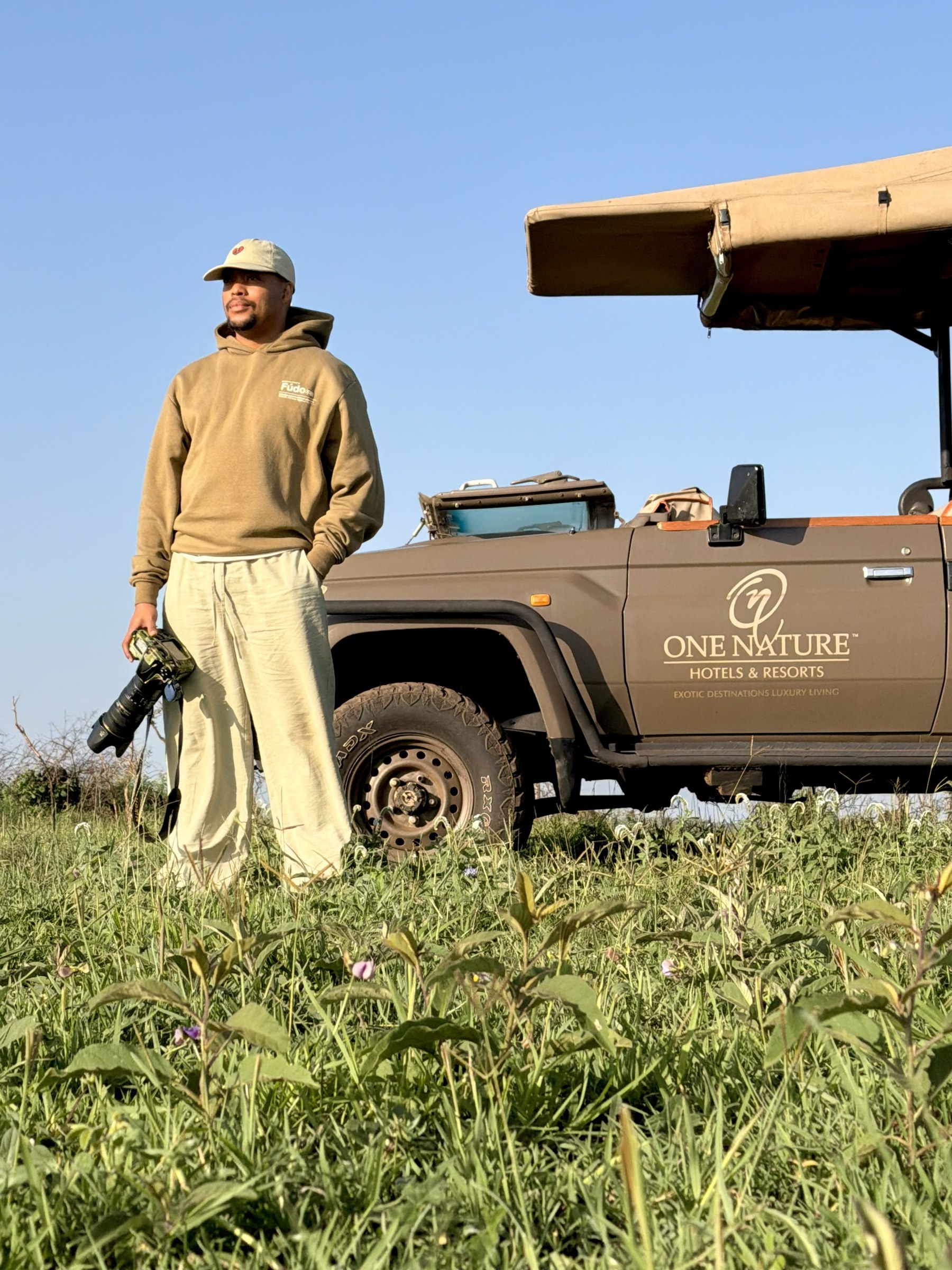
Zannon James · Founder, Mason & Wild
Zannon James holding a camera beside a safari vehicle in the Serengeti, Tanzania.
Zannon James · On the ground in the Serengeti

Routing · Make the geography work

Understanding Tanzania’s Northern Circuit

Arusha is a useful starting point for northern safari country. From there, a journey may include Tarangire, Lake Manyara and the Ngorongoro highlands before continuing into the Serengeti ecosystem. Lake Manyara’s woodland and lakeshore can add a different habitat when the timing and route justify it.

This is a set of possibilities, not an instruction to visit every stop. Ndutu, central Serengeti, Grumeti and the north are alternatives or carefully chosen combinations. Trying to fit all four into a short trip usually creates more packing and transferring than wildlife time.

We start with your month, available nights, budget and wildlife priorities. Then we decide which legs to drive, which to fly and how often you actually want to move. A road circuit can preserve continuity with one guide; a flight can spare you a long transfer to the northern Serengeti. Both can belong in the same itinerary.

Possible route chapters · Select, rather than collect

Arusha → Tarangire → Lake Manyara → Ngorongoro → Ndutu / Southern Serengeti → Central Serengeti → Western Serengeti / Grumeti → Northern Serengeti → Zanzibar, if desired

Northern Circuit · Elephant country

Tarangire
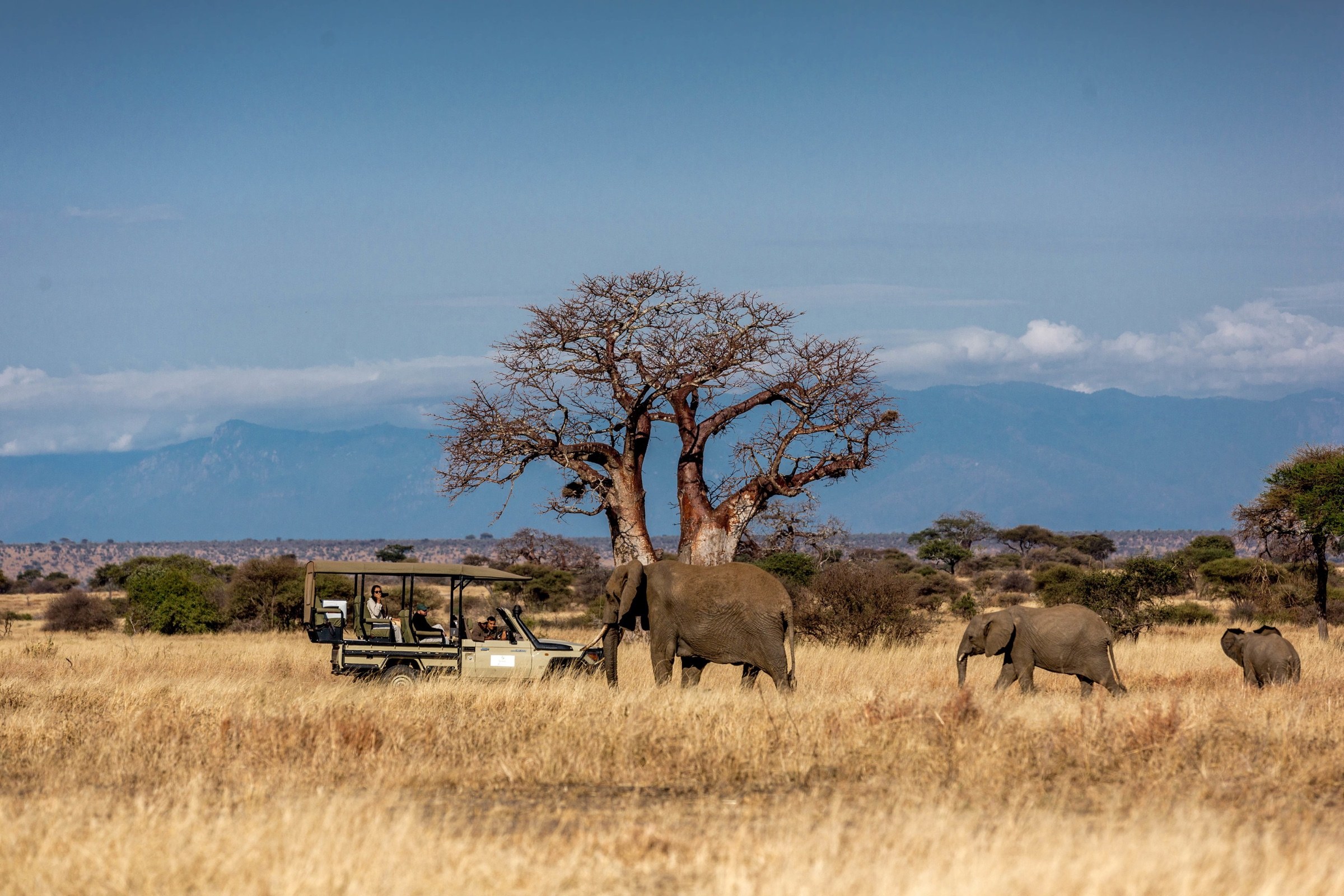
Elephants, baobabs and a slower start to safari.

Tarangire has its own character: large baobabs, open woodland and the Tarangire River. As the dry season deepens, the river draws wildlife towards a shrinking supply of water, and elephant viewing becomes a compelling reason to spend time here.

June to October is a useful broad window for that concentration, although conditions vary. In greener months wildlife can disperse over a larger area; the park’s appeal then includes birdlife, fresh colour and a different atmosphere.

Tarangire can feel quieter than the busiest Serengeti hubs, especially when the camp and game-drive area are chosen carefully. Give it more than a rushed drive en route to the crater. A couple of nights allows you to settle into the landscape and start learning from your guide.

Elephants beside a safari vehicle and a baobab tree in Tarangire National Park.
Tarangire · Elephants and baobabs

Northern Circuit · Crater and highlands

Ngorongoro
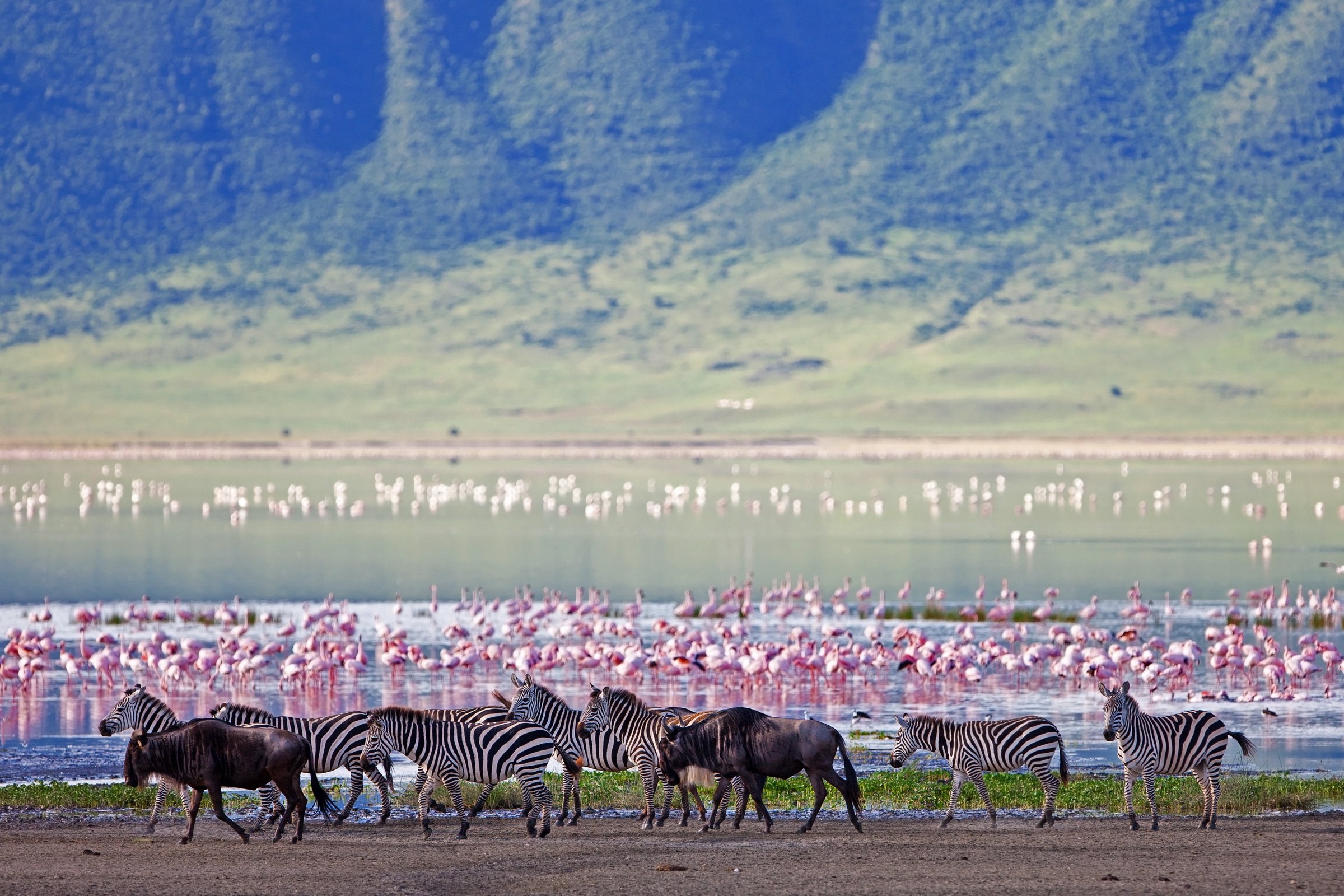
Descending from cool highlands onto the crater floor changes the scale of safari. Wildlife, grassland, wetlands and the lake sit within the walls of a volcanic caldera. The concentration of animals makes Ngorongoro especially rewarding on a first visit to Tanzania.

It can also be busy. Peak periods and popular sightings bring vehicles together, so an early start and a realistic expectation of sharing the experience matter. This is a remarkable ecosystem, with a different rhythm from the Serengeti’s open expanses.

A crater-rim stay offers atmosphere and can help with an early descent, but the actual access route still matters. Karatu and the surrounding highlands offer different lodge settings and usually a longer morning approach. We weigh that trade-off against comfort, cost and the next leg of your journey.

Zebra and wildebeest walking beside flamingos on the Ngorongoro Crater floor.
Ngorongoro · Wildlife within the crater

Serengeti · Location before reputation

There is no single Serengeti experience

Treat the Serengeti as several distinct safari regions. A camp in the north cannot serve as a convenient base for the southern calving plains. The same room standard in a different region can produce a completely different trip.

Southern plains and Ndutu

Short-grass country, seasonal herds and calving draw attention south during the early part of the year. Ndutu belongs to the wider ecosystem and includes areas outside Serengeti National Park.

Central Serengeti and Seronera

Resident predators, varied habitats and useful air access give the centre a role well beyond migration season.

Western Serengeti and Grumeti

River systems, woodland and more spacious routing possibilities give the west a distinct atmosphere. National-park locations and private reserves offer different access and activities.

Northern Serengeti and the Mara River

Kogatende and the surrounding north provide a base for river country when the herds are present, alongside resident wildlife and rolling landscapes.

Southern ecosystem · The green season

Ndutu and the southern plains
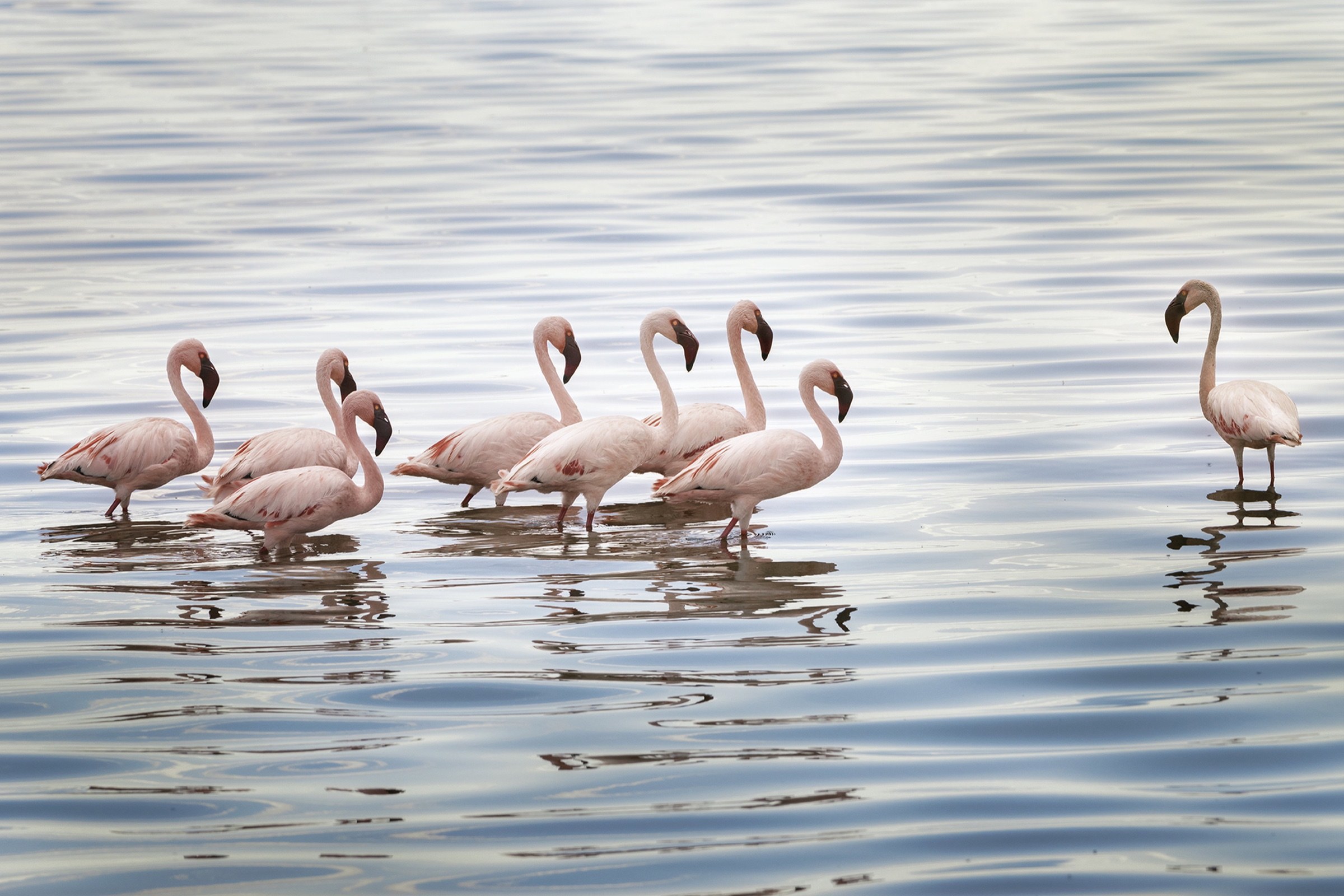
In the early months of the year, the short-grass plains can hold large concentrations of wildebeest and zebra. January to March is the main planning window for calving country, with rainfall determining how long the herds remain and where they spread. April can still be relevant, but should not be sold as a fixed extension of the same conditions.

Calving brings young animals and intense predator activity into a landscape of enormous skies. For a photographer, the interest is in behaviour, light and the scale of the herds as much as any individual sighting. Flamingos and the lakes add another subject entirely.

Ndutu is centred around lakes and plains in the Ngorongoro Conservation Area, adjoining the southern Serengeti. Park boundaries, permits and camp position affect where your guide can take you. Seasonal camps follow the useful wildlife windows; their exact operating dates and location need checking for your journey.

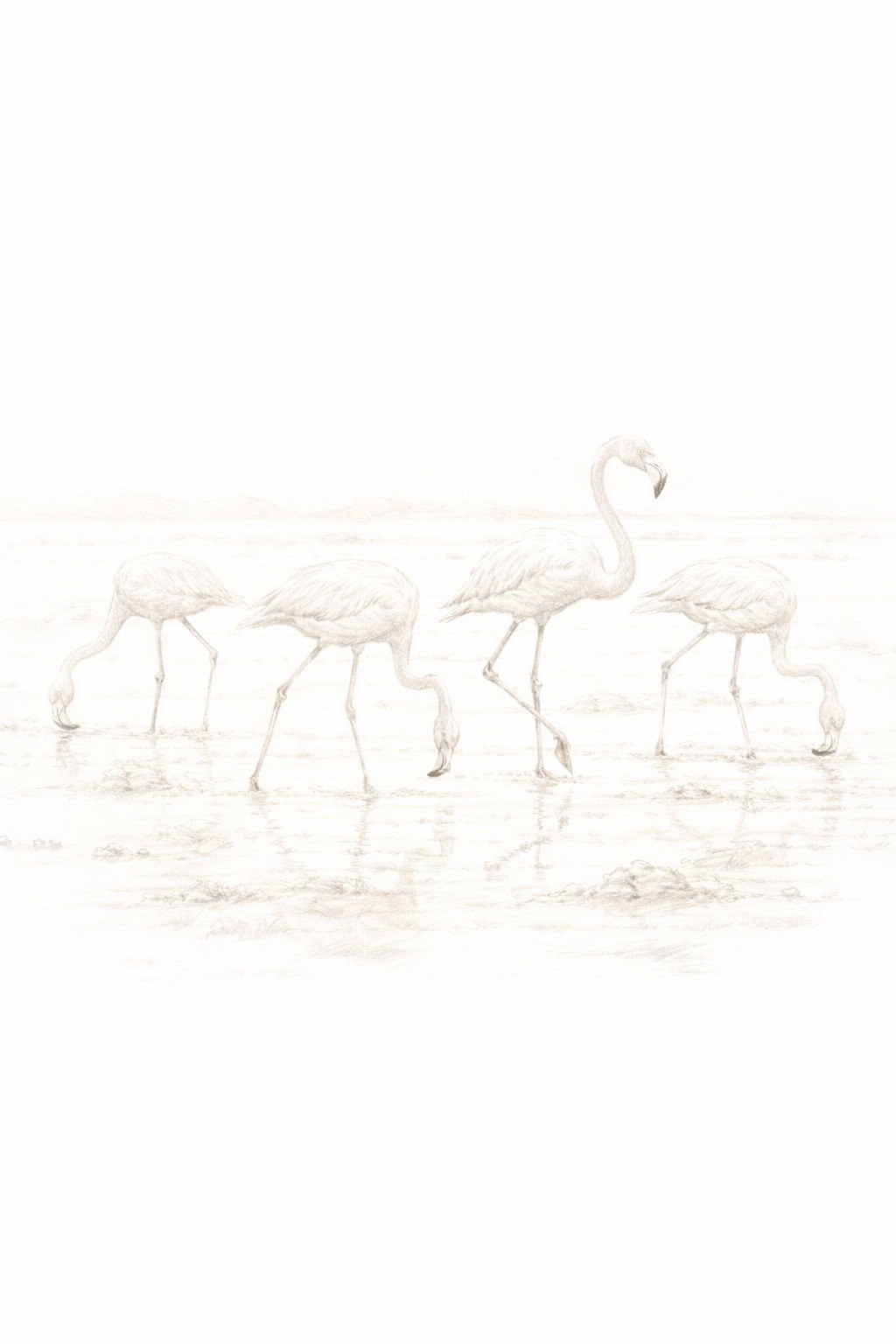
Pink flamingos standing in shallow lake water in the Ndutu area.
Ndutu · Life around the lakes
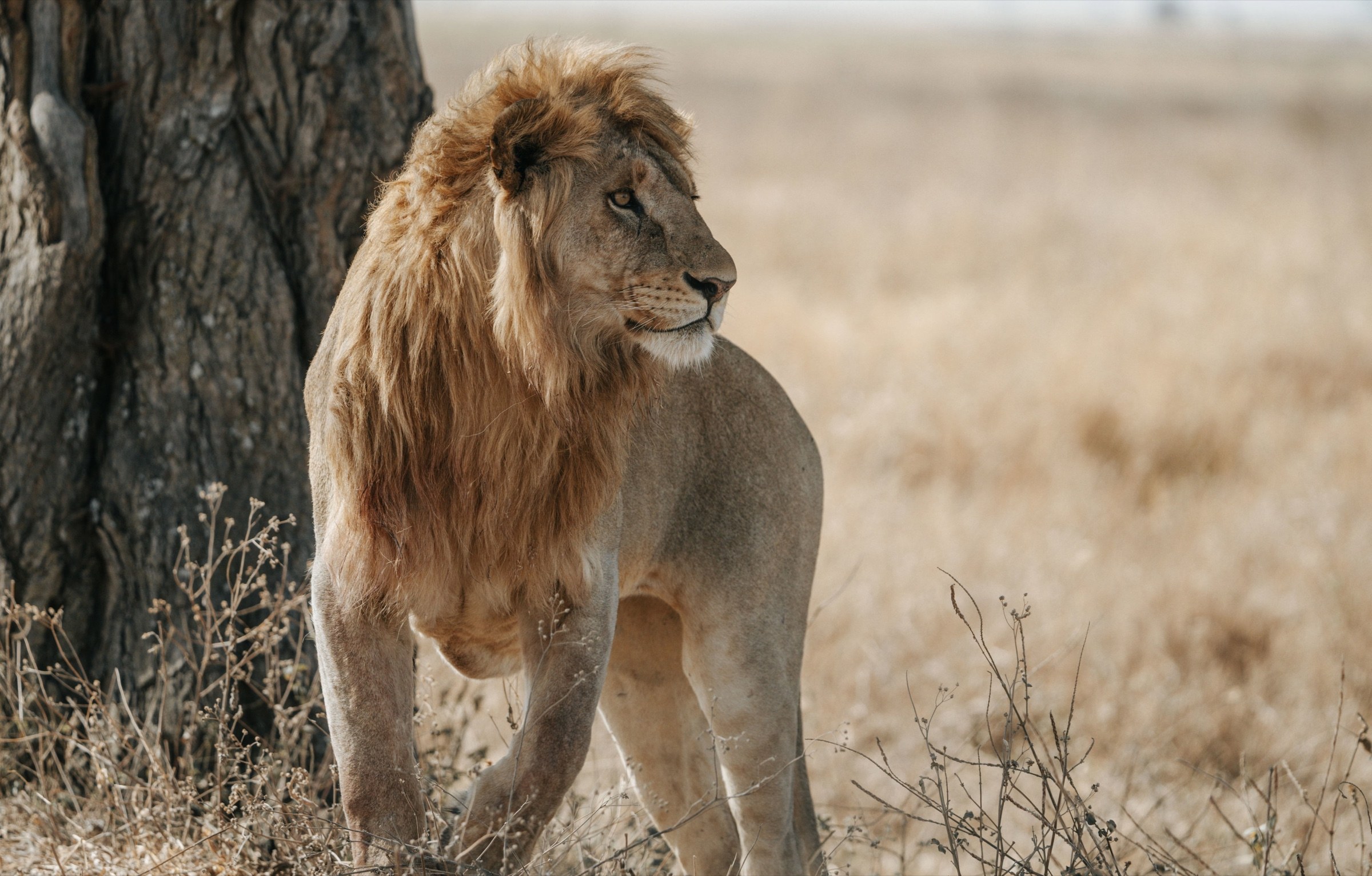
A male lion standing beside a tree in the southern Serengeti ecosystem.
Southern plains · Predator country

The plains from above

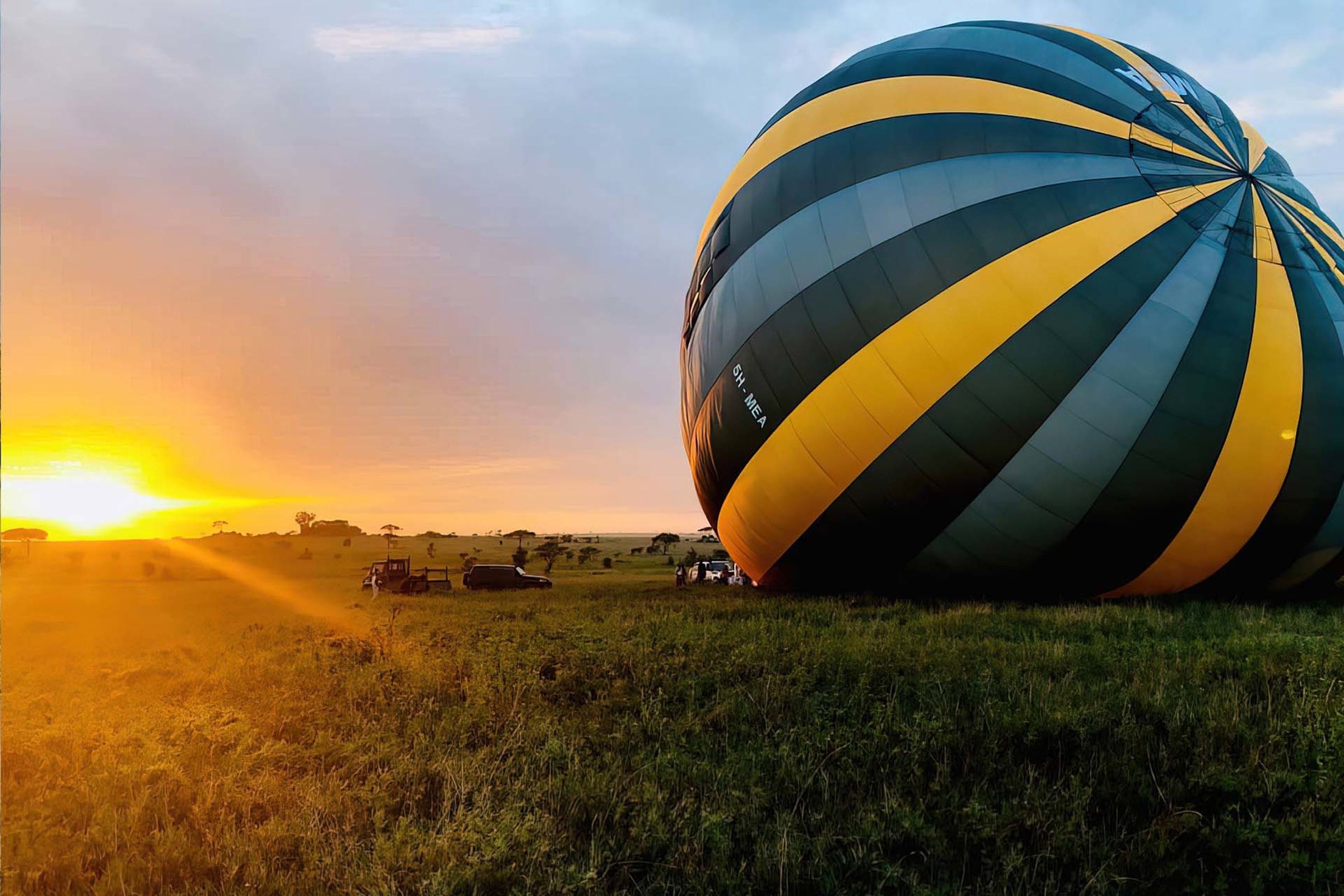
A dawn balloon flight changes your view of the landscape. It is an optional experience, not a way to guarantee wildlife sightings. Operating area, season, weather and suitability need confirming, particularly when planning around a seasonal camp.

A hot-air balloon being inflated on the Ndutu plains at sunrise.
Ndutu · A different perspective at dawn

Seronera · Wildlife through the year

Central Serengeti
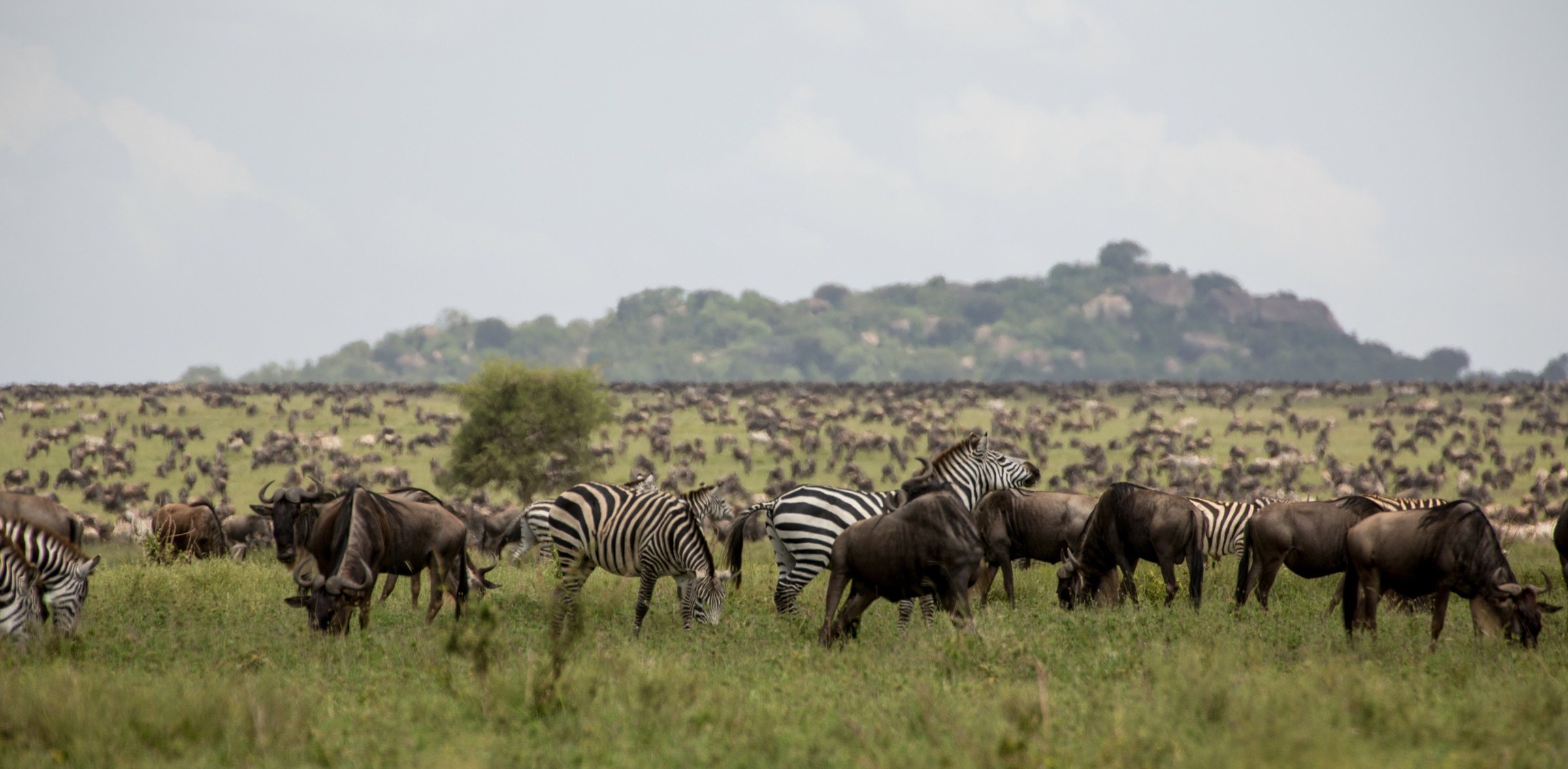
The Seronera area combines watercourses, woodland, grassland and rocky kopjes. Resident lions, leopards and other wildlife make central Serengeti a strong year-round safari base, even when the main migratory herds are elsewhere. Reliability means a productive ecosystem, never a promise of a particular animal.

Air access and a broad choice of camps make the centre a useful routing hub and a rewarding introduction for first-time safari travellers. It deserves proper game-drive time, rather than being treated as the place you pass through on the way to a crossing.

Its popularity comes with vehicles around some sightings. Camp positioning, quieter drive areas and a guide willing to stay with an unfolding scene can change the experience. Central Serengeti can complement a seasonal region without requiring you to change camp every other night.

Zebra and wildebeest grazing across the central Serengeti plains.
Central Serengeti · The scale of the herds
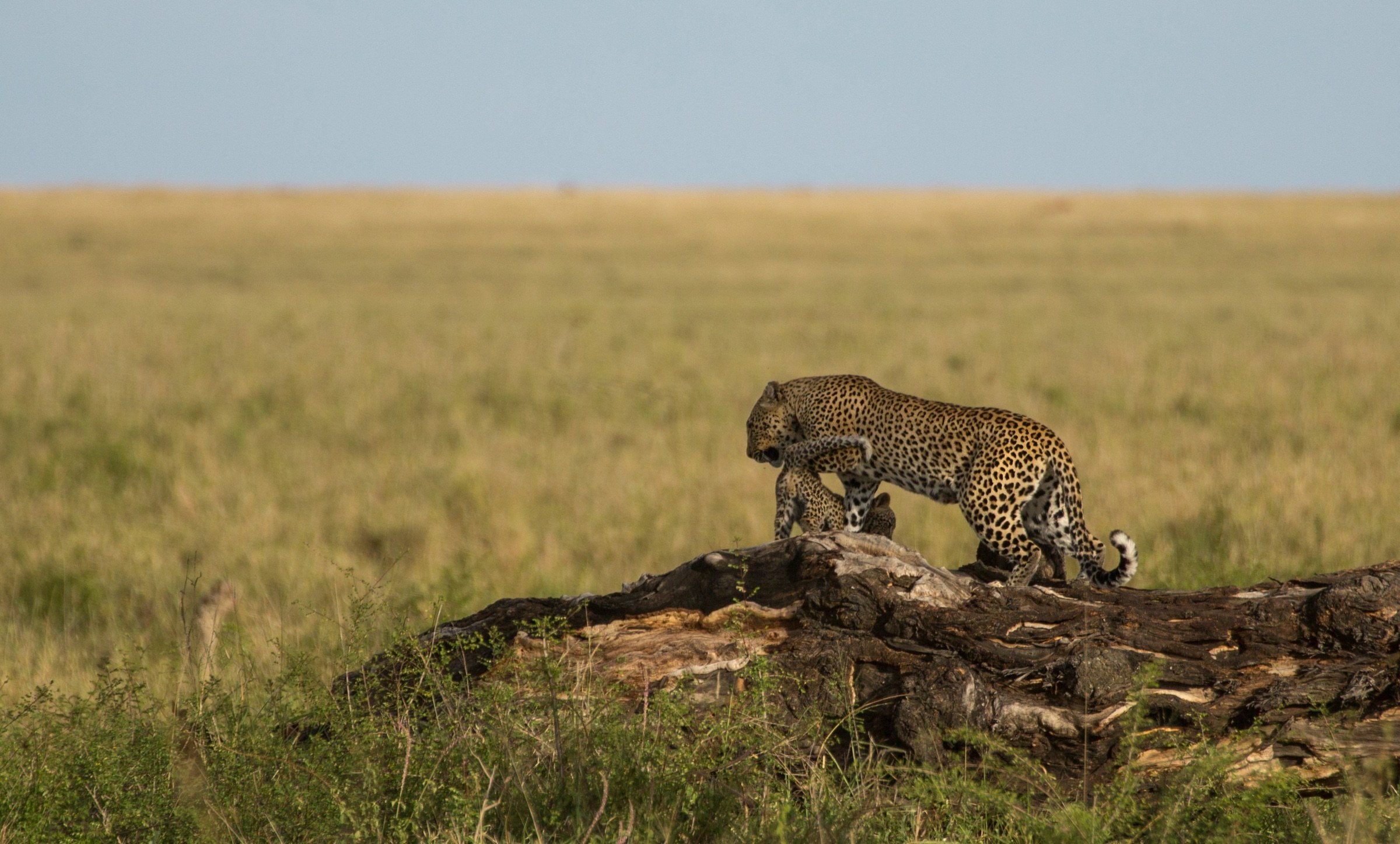
A leopard with a cub on a fallen tree in the central Serengeti.
Central Serengeti · Resident wildlife

Western ecosystem · River and woodland

Western Serengeti and Grumeti
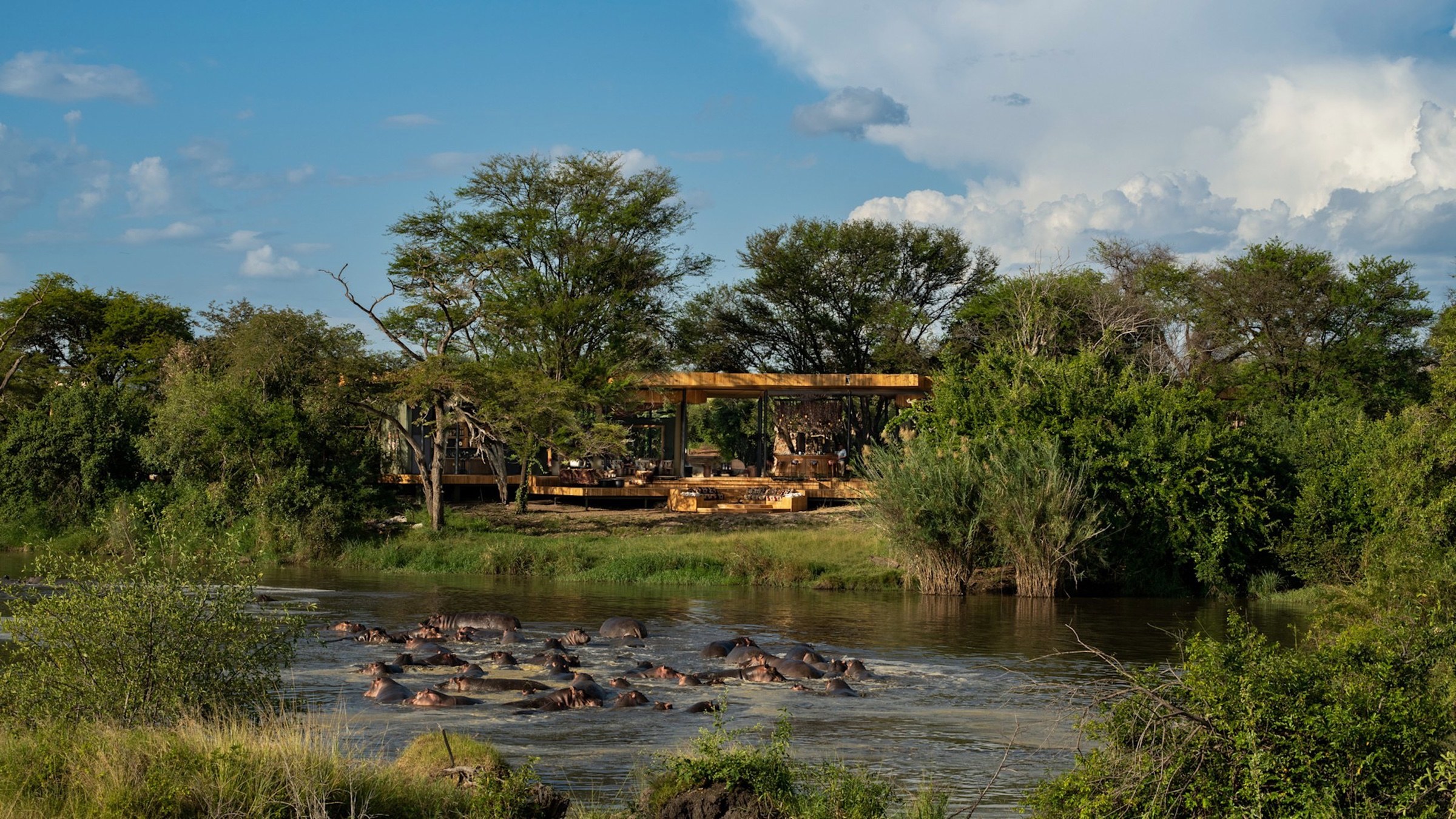
The western corridor brings the Grumeti River, wooded landscapes and a different sense of space. Migratory herds often move through the west around May and June, with the timing shaped by conditions. Hippos, resident wildlife and the river landscape give a stay here interest beyond a passing herd.

Be precise about the word Grumeti. A lodge in the national park’s western corridor and a lodge in a neighbouring private reserve do not offer the same access, activity rules or experience. We check where you will actually stay and where you can drive.

This region has some sophisticated accommodation and quieter safari possibilities, but choosing it solely because a lodge looks impressive misses the larger decision. The question is how its location, guiding and pace fit the rest of your trip.

Hippos in a river pool with a lodge among trees in the Grumeti region.
Grumeti · River country and a different rhythm

Mara River · Give wildlife time

Northern Serengeti
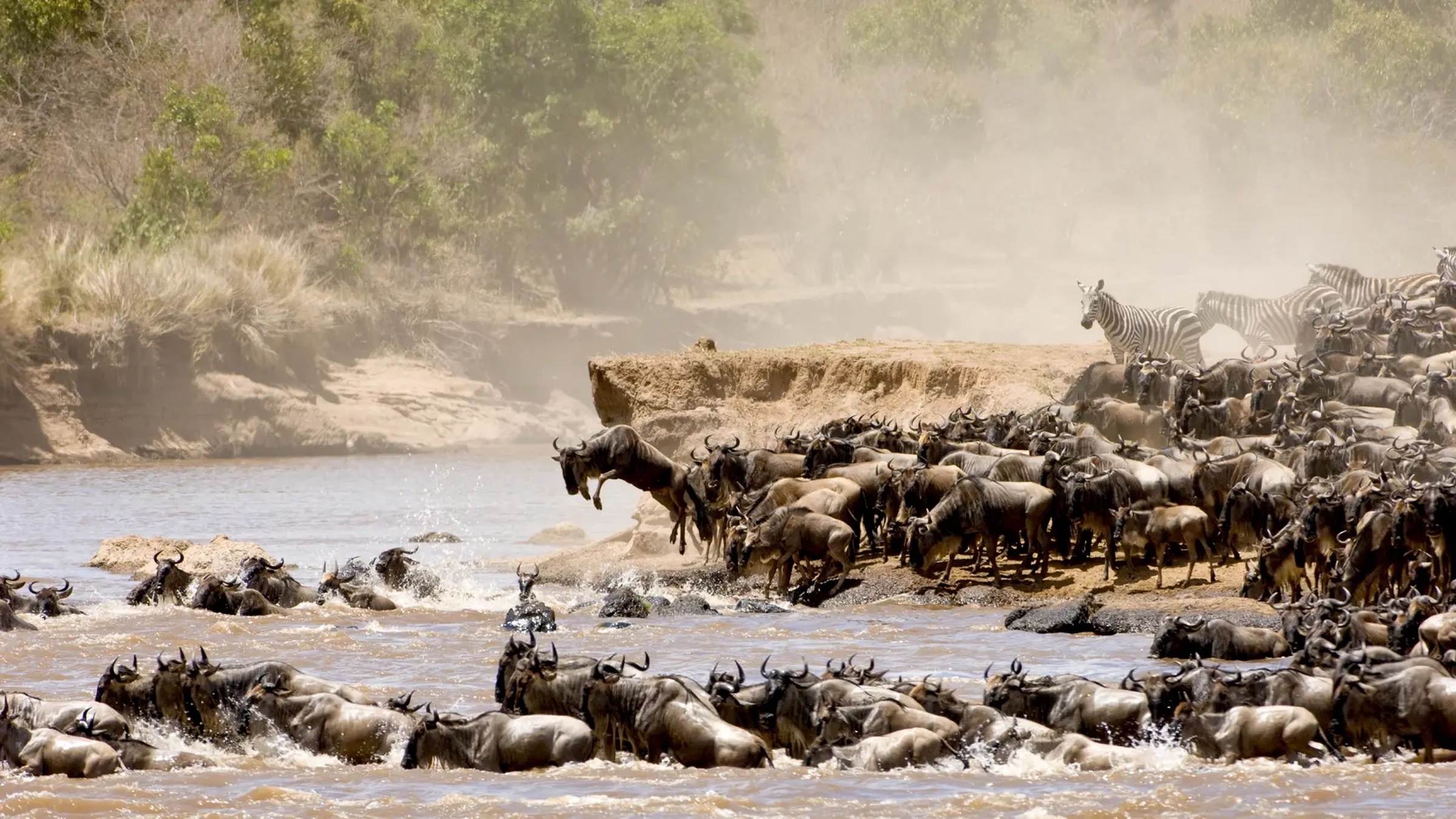
River crossings are extraordinary. They are also unpredictable.

July to October is the broad planning window for the northern Serengeti and Mara River when migratory herds are in this part of the ecosystem. Their arrival, distribution and movements vary. They may cross more than once, in either direction, or spend hours at a riverbank and turn away.

We never guarantee a Mara River crossing. Spending several nights here gives your guide time to respond to conditions and gives you more than one opportunity, without making the whole safari depend on a single moment.

There is excellent wildlife country away from the river as well. A thoughtful northern stay includes time for resident animals, quieter drives and the landscape. Around a crossing, patient observation and keeping a clear route for the herds matter more than pushing into position.

Large herds of wildebeest crossing the Mara River with zebra gathered on the bank.
Mara River · An extraordinary, unpredictable moment

Seasonal guide · A moving ecosystem

The Great Migration is a year-round cycle

Wildebeest and zebra move through the Serengeti–Mara ecosystem in search of grazing and water. The cycle includes the southern plains, central and western areas, northern Tanzania and Kenya’s Maasai Mara. Herds spread out; they do not all follow one neat line.

Use the guide below to choose an initial region, then refine it with current local knowledge. Calving, movement across the plains and river crossings are different expressions of the same cycle.

This is wildlife, not a timetable. Rainfall and grazing conditions move the migration; a calendar cannot fix it in place.

For further destination context, see andBeyond’s Serengeti guide. For responsible viewing, see TANAPA’s river-crossing guidelines.

Typical migration pattern · An approximate planning guide
SeasonWhere to look and what it means
December–March

Southern Serengeti and Ndutu

Fresh grazing draws herds south; early-year calving and predators are a major focus.

April–May

Movement north and west

Long rains and changing grazing shape the route. Herds can be dispersed.

June

Western corridor; transition north

The Grumeti region can be relevant, with onward movement varying by year.

July–October

Northern Serengeti and Maasai Mara

Mara River country is a focus when herds are present. Crossings remain unpredictable.

November

Return towards southern plains

Short rains encourage southward movement; location depends on where rain falls.

Tanzania · Match the season to the journey

When should you travel?

There is no single best month for every Tanzania safari. January to March can favour southern calving country; July to October generally suits dry-season travel and the northern migration. Those are different reasons to travel, rather than a ranking of good and bad months.

January–March

Look south for green plains, calving and predators. Some days bring rain; the mix of fresh colour and wildlife behaviour can reward photographers. Choose camps for their seasonal location.

April–May

The long rains can affect roads and plans, and some camps close. Fewer visitors and dramatic skies can appeal to flexible travellers. Check operating dates and access before treating a lower rate as better value.

June

A transition towards drier conditions and northward herd movement. Western or central locations may make sense; do not assume the Mara River will already be the focus.

July–October

A strong general safari window, with dry-season concentration in Tarangire and migration interest in the north. Popular camps and river areas can be busy; booking ahead helps with location and choice.

November–December

Short rains can bring fresh grazing and southward movement. Timing varies, especially at the beginning of the return to southern plains. Resident wildlife still gives the safari substance while the herds are in transition.

And Zanzibar?

July to October and the hotter January–February period are common beach-planning windows. April and May tend to be wetter, with short rains possible later in the year. Sea conditions, winds and tides affect diving and swimming separately from safari conditions inland.

Choose around what matters to you

Migration
Choose calving country early in the year or northern river country broadly July–October. Match the base to the season.
Fewer crowds
Consider quieter camp areas throughout the year, or rain-season travel if you can accept weather and access constraints.
Photography
Green-season behaviour and skies, or dry-season visibility. Decide which subjects matter before choosing dates.
Families
Plan around ages, school dates, camp policies and realistic drive lengths. A private vehicle and fewer moves can help.
Honeymoon
Choose privacy and pace first, then align safari wildlife with a suitable Zanzibar season.
Value
Compare the whole route and operating dates. A lower room rate loses its benefit if the camp is poorly placed for your interests.
Beach
Check the particular Zanzibar coast, tides and sea conditions, especially when diving or daily swimming is a priority.

Wildlife · Look beyond one event

Tanzania is bigger than the migration

A safari built only around a hoped-for crossing can overlook resident predators, Tarangire’s elephants, Ngorongoro’s crater ecosystem and rewarding birding. You do not need the main herds outside your tent to have a worthwhile Serengeti stay.

Selected private concessions offer a different level of space and, where permitted, a wider range of activities. Guided walking is available in particular areas with the required arrangements; it is not something every camp or park location can offer. Cultural experiences and Zanzibar add further dimensions.

This guide concentrates on the Northern Circuit. For a return visit, Nyerere and Ruaha in southern Tanzania deserve a separate routing conversation, rather than being squeezed into a northern itinerary simply to add more names.

On safari · Time, patience and a good guide

What a Tanzania safari actually feels like
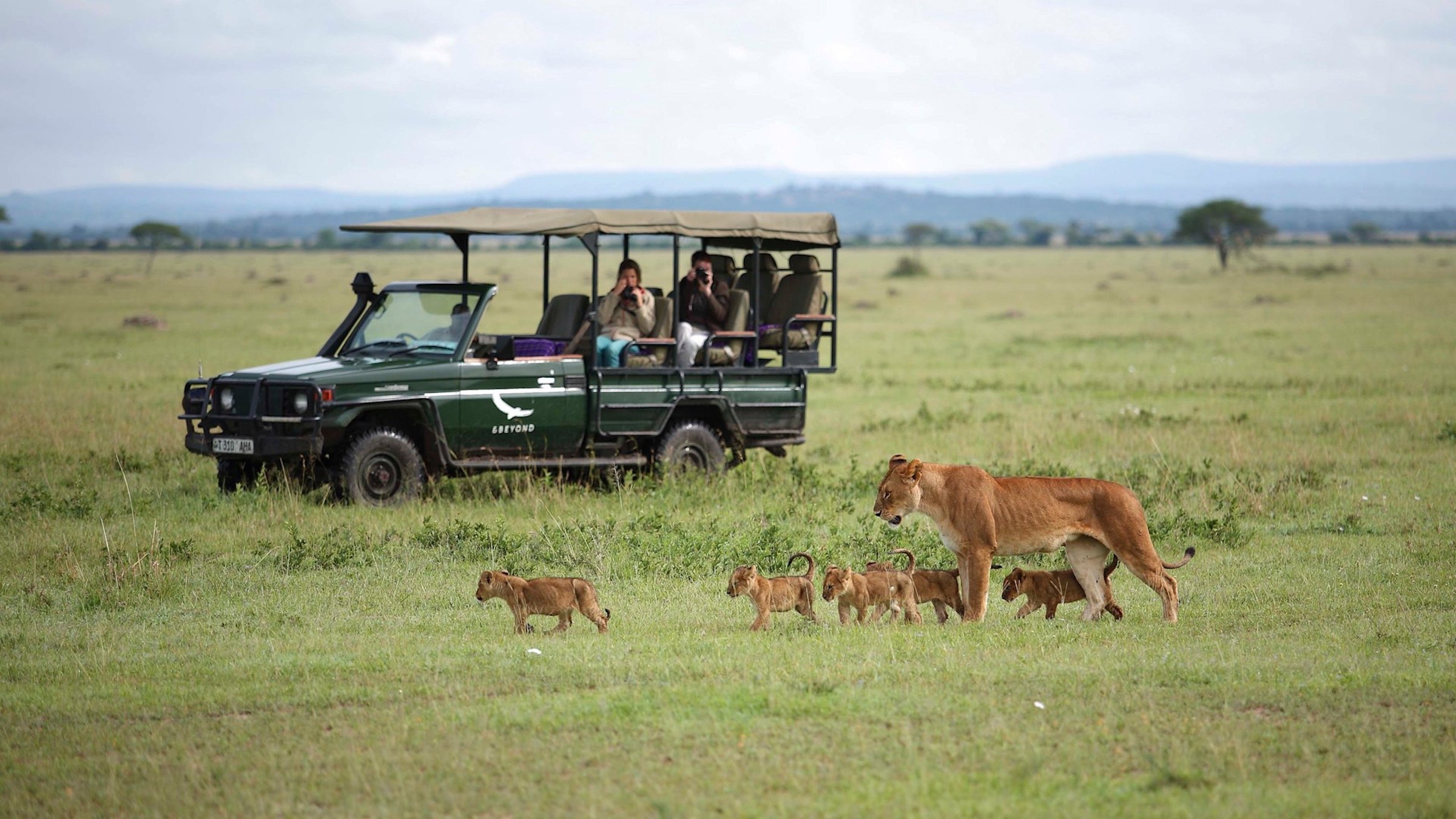
Days often begin before sunrise. Coffee, a cool morning drive and a picnic breakfast can lead to a long session with wildlife, or a return to camp for lunch and a rest. Other days suit a packed lunch and time further from base. An excellent guide judges the day rather than following a rigid checklist.

A private vehicle gives you more say over pace, photography and how long to stay with a sighting. Shared drives can work well when guests’ interests align. We confirm which arrangement is included, along with the vehicle style and whether the same guide stays with you through the road circuit.

There will be dust, uneven roads, early starts and waiting. Small aircraft shorten some transfers, but flights can involve intermediate stops and luggage limits. These details matter as much as the room when choosing a comfortable route.

The quieter hours

Sundowners, bush meals and campfire conversations give the day room to settle. They depend on the camp, permissions and conditions, and should fit naturally around the safari rather than become another schedule to race through.

Safari guests watching a lioness and her cubs walk through Serengeti grassland.
Serengeti · Let the sighting unfold
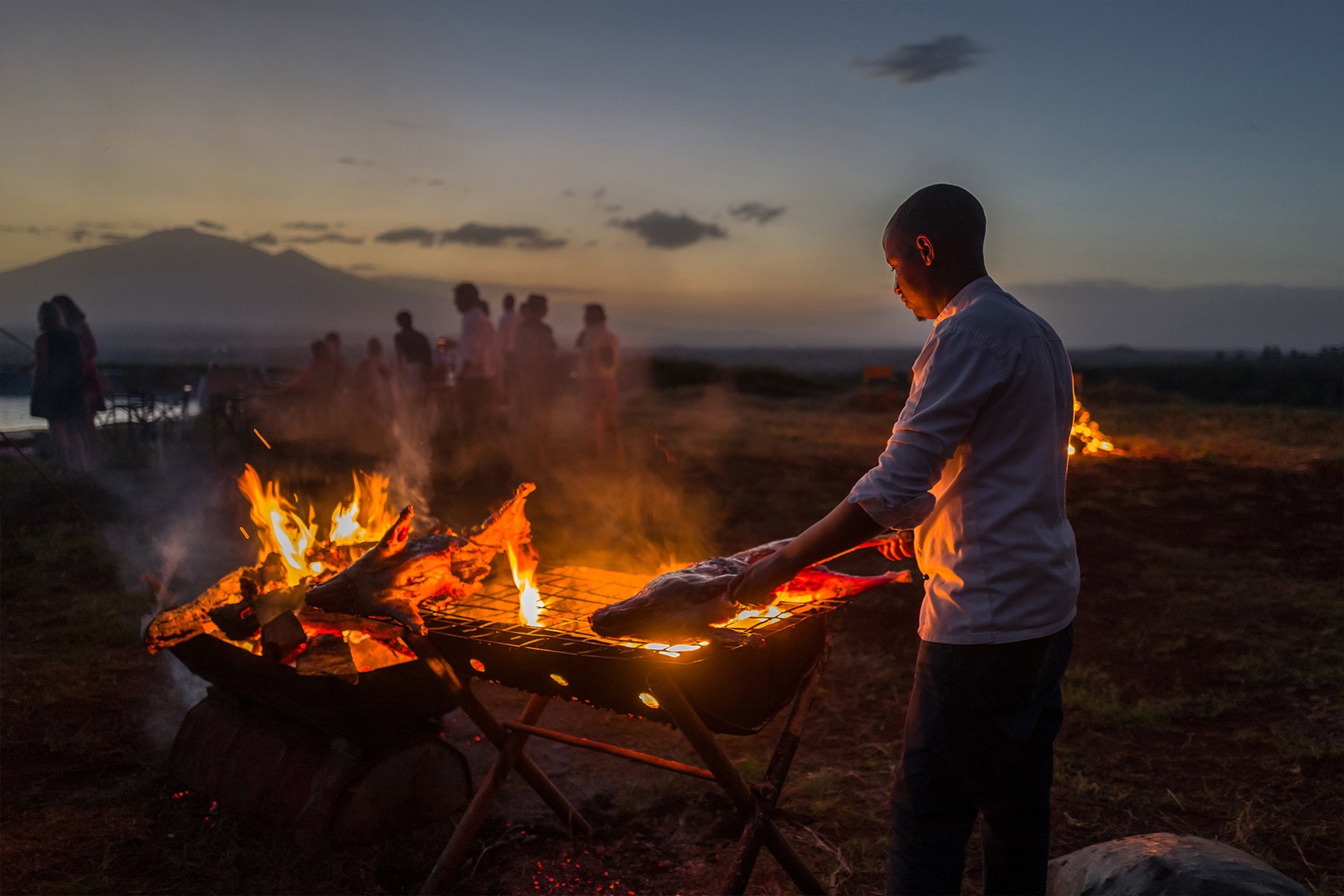
A chef cooking over an open fire with safari guests gathered at sunset.
Tanzania · An evening meal in the bush

Where to stay · Comfort in the right place

Luxury in Tanzania is not one thing

A seasonal tented camp can put you close to the herds with a small footprint and an intimate atmosphere. A permanent camp may offer more established facilities. A highly designed lodge can bring a pool, generous rooms and a different pace between drives. These are choices about how you want to live on safari.

Crater-rim properties, highland lodges, private villas and exclusive-use arrangements add other possibilities. Family room layouts, walking distances, steps, power, cooling and the amount of time spent in vehicles deserve attention before choosing on appearance alone.

Location and guiding usually matter more than choosing the most expensive room. We would rather place you in a suitable camp within reach of your wildlife priorities than in a famous suite requiring a long daily drive to reach them. Zanzibar then offers its own range of small beach retreats, villas and larger resorts.

Before selecting properties, read our complete safari planning guide and how to think about safari costs. The Safari Planning hub brings these decisions together.
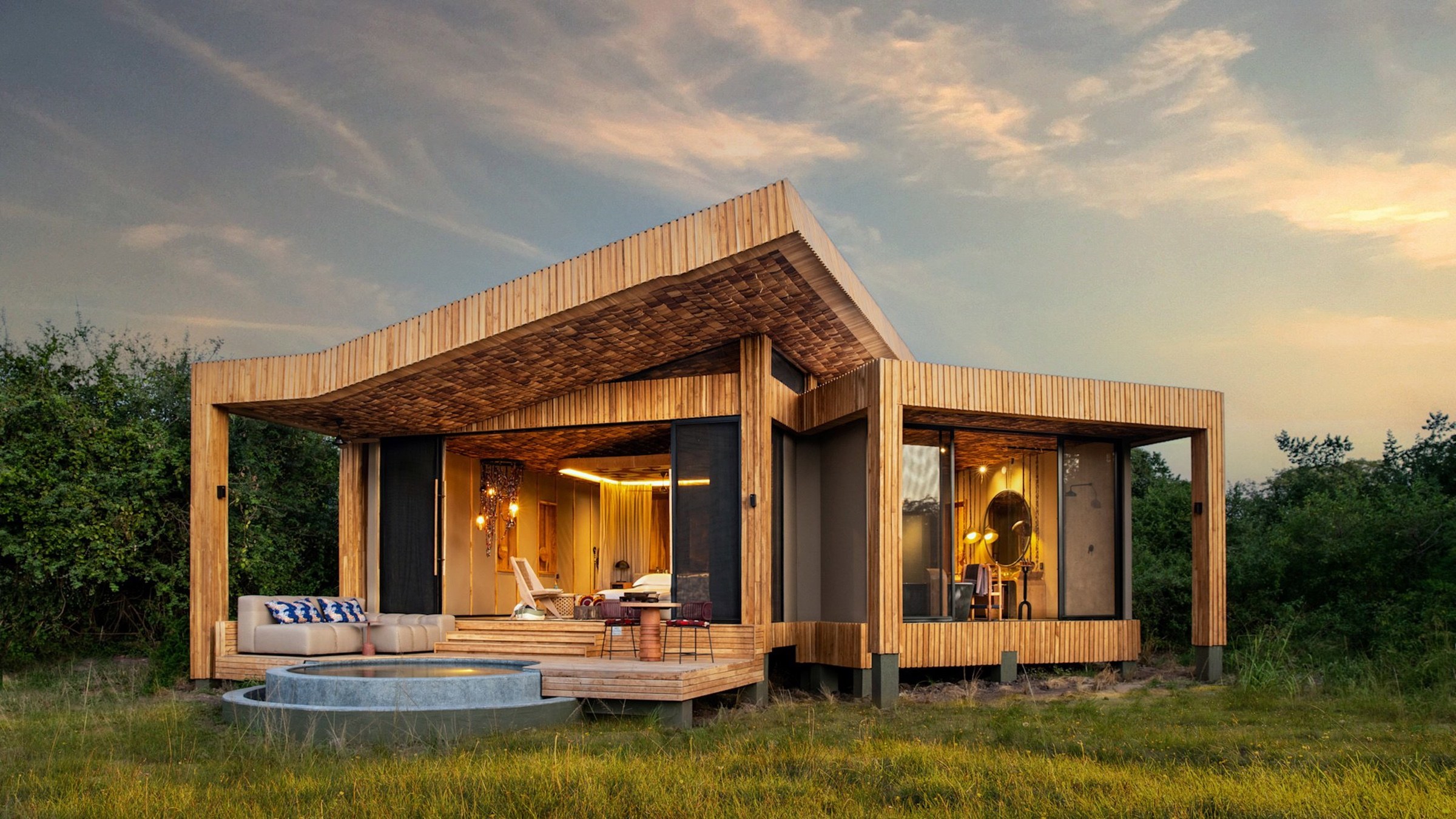
A timber safari villa with a private plunge pool and warm interior lighting at dusk.
Tanzania · A considered place to stay
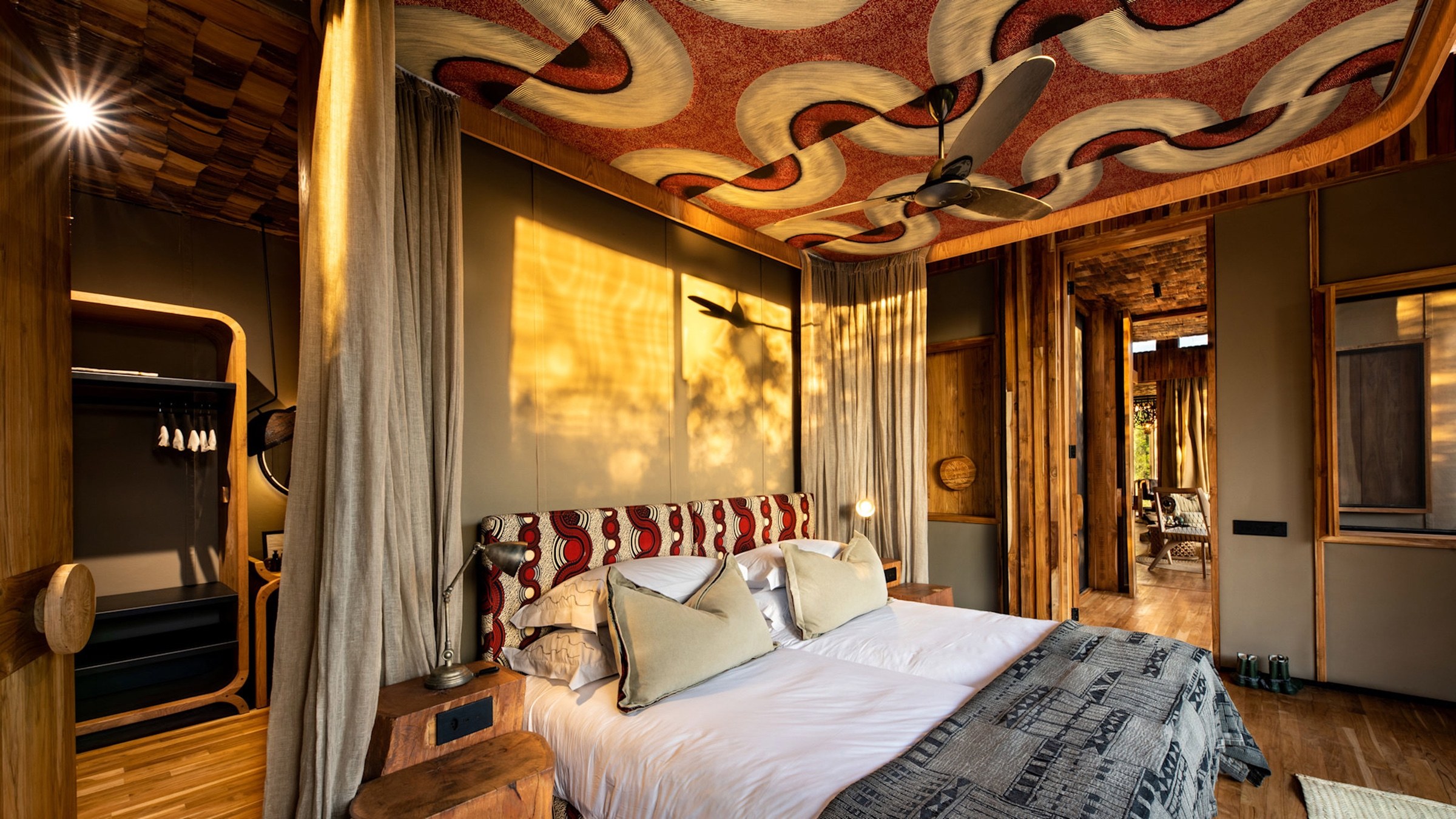
A safari lodge bedroom with timber finishes and a patterned ceiling in warm evening light.
Tanzania · Design within the landscape

Tanzania · Knowledge, hospitality and respect

People are part of the journey
Guides, camp teams, hosts and communities shape a safari as much as its wildlife. The person explaining an animal’s behaviour, remembering how you take your coffee or sharing a story about home often becomes part of what you remember most clearly.

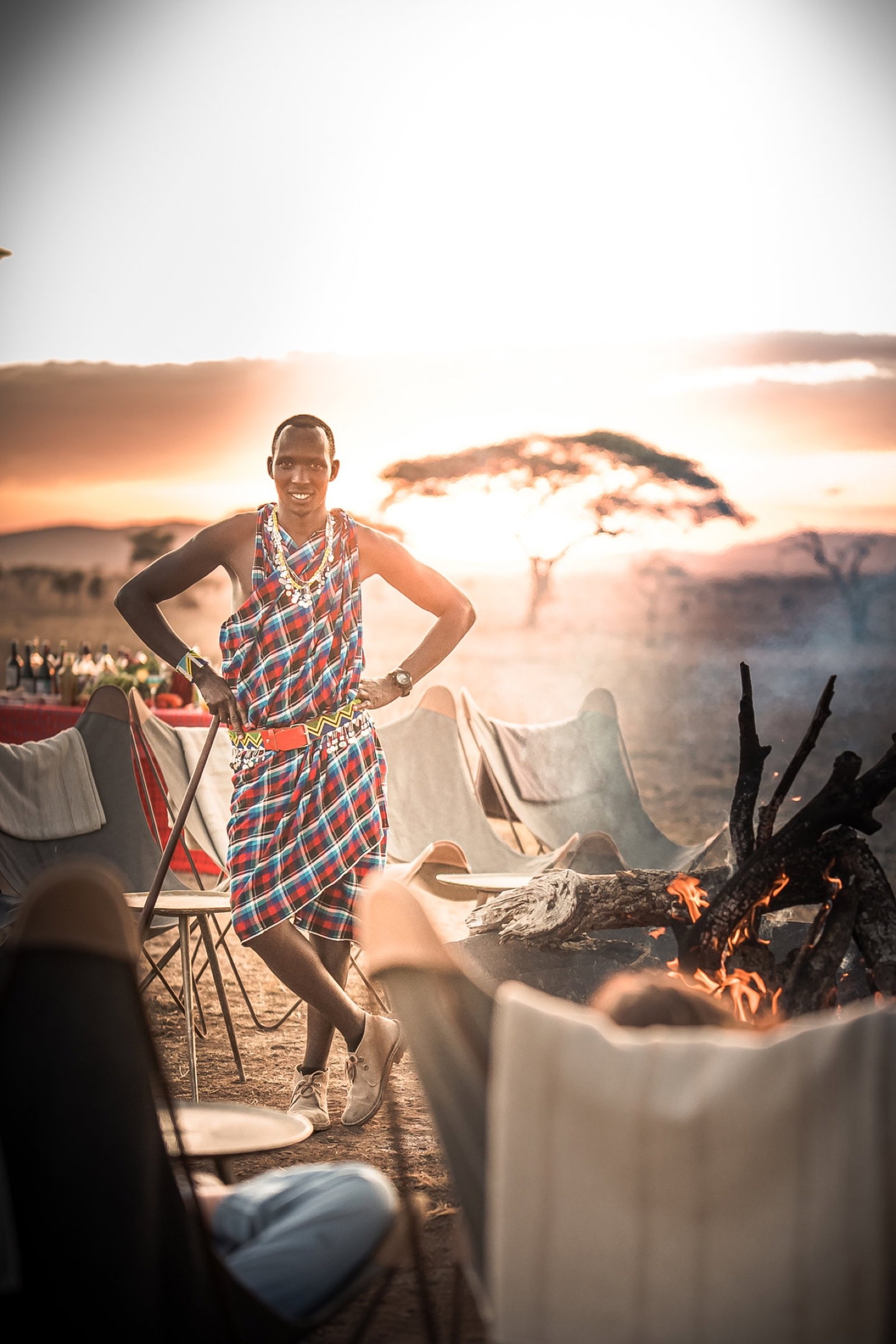
Maasai storytelling can offer insight when it is led by people who choose what they want to share. Maasai culture is living culture, with contemporary lives and different perspectives; it does not exist to provide visitors with a performance.

We look for respectful experiences with clear consent and appropriate arrangements for the hosts. Ask before taking photographs, follow local guidance and allow a conversation to be a conversation. Curiosity works better than arriving with an expected scene to collect.

A Maasai host beside a campfire at sunset in Tanzania.
Tanzania · Stories shared with respect
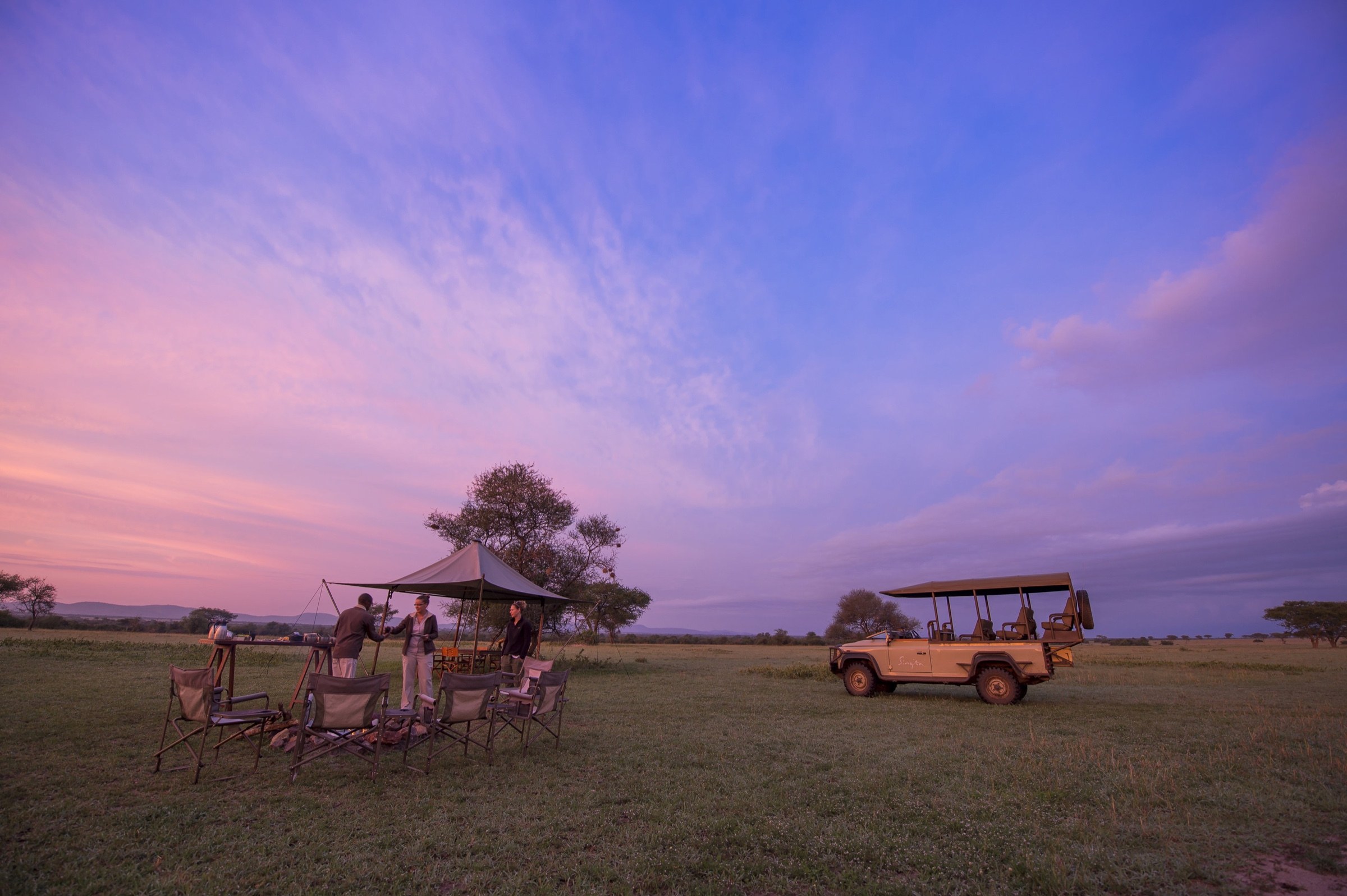
Guests and a camp host at a sundowner setup beside a safari vehicle under a pink sky.
Tanzania · The people behind the experience
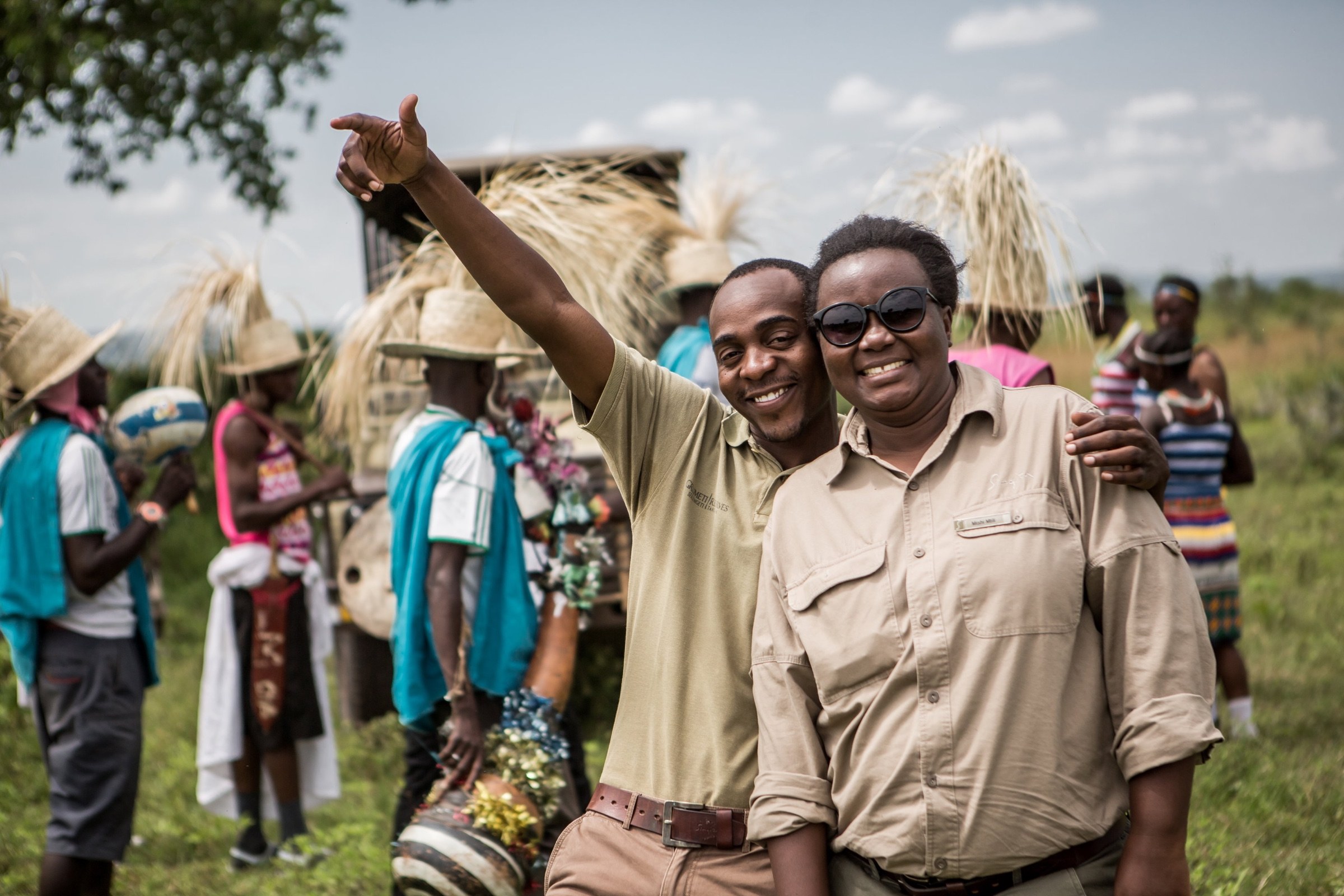
Two smiling members of a safari team together at a gathering with other people behind them.
Tanzania · Shared knowledge and hospitality

Zanzibar · Another part of Tanzania

Safari, then the Indian Ocean
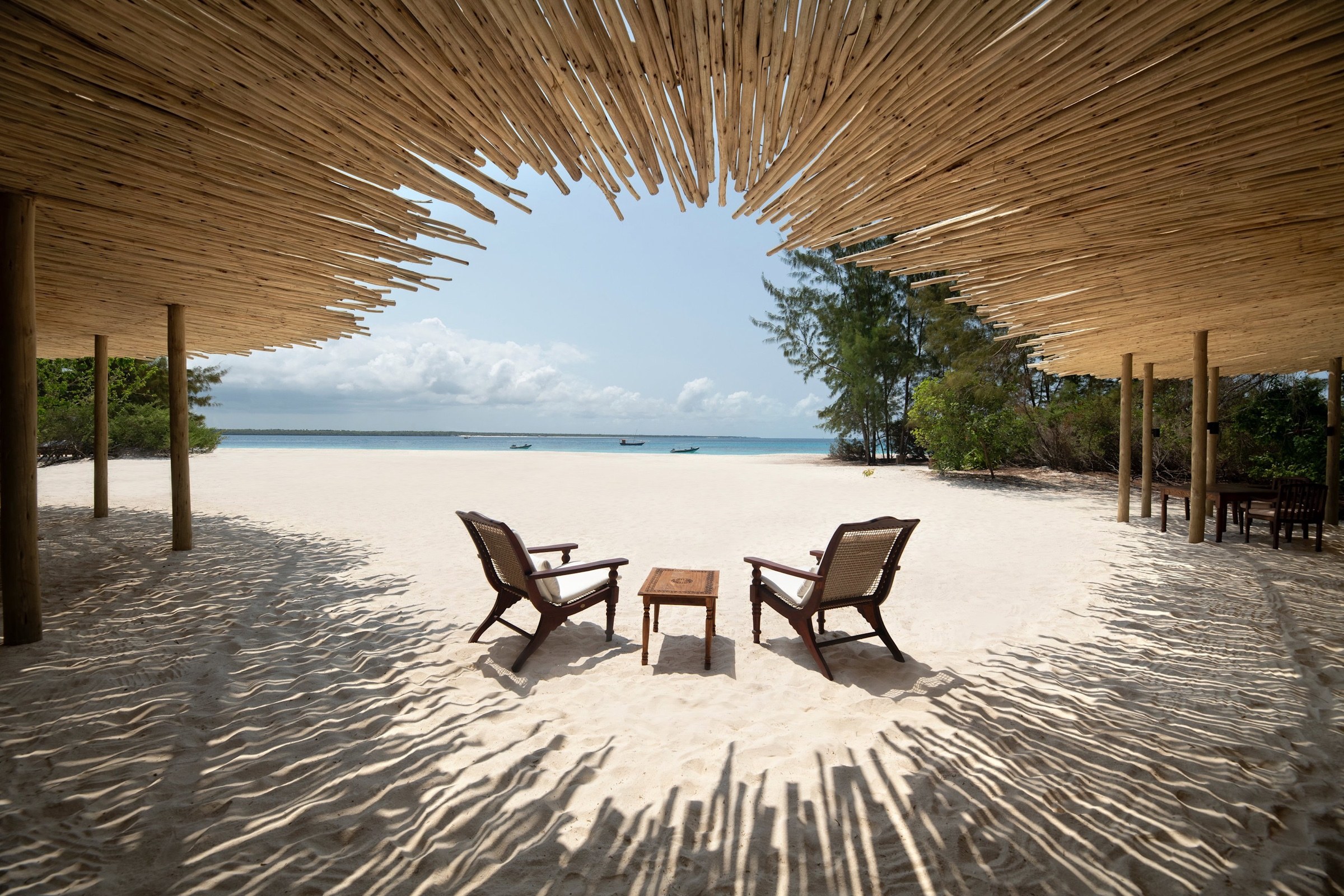
After early starts and days on safari, Zanzibar changes the pace. White-sand beaches, time in the water and dinners beside the ocean can make a satisfying ending, particularly for a honeymoon or a journey with several safari regions.

The island has its own identity. Stone Town’s Swahili history, architecture and trading connections, local food and everyday life deserve attention. A guided stay there can add depth before you continue to the coast.

Different coastlines produce different beach stays. Reef-fringed eastern beaches can have marked tidal changes; some northern beaches offer a different swimming rhythm. Choose around the actual beach, privacy, atmosphere and access to the activities you want, rather than treating all Zanzibar hotels as equivalent.

Below the surface

Diving and snorkelling can add another kind of wildlife experience. Operators, dive sites and sea conditions vary. We check suitability, travel time and the season, and leave enough days for a beach stay to feel restful. Divers should plan their interval before flying with their qualified operator.

Safari-to-Zanzibar flights make the combination practical, but schedules, intermediate stops and airport transfers must be built into the day. Four or five nights at the coast is often a better ending than a brief stop consumed by travel.

Two chairs beneath a woven beach canopy overlooking white sand and the ocean in Zanzibar.
Zanzibar · Space to settle
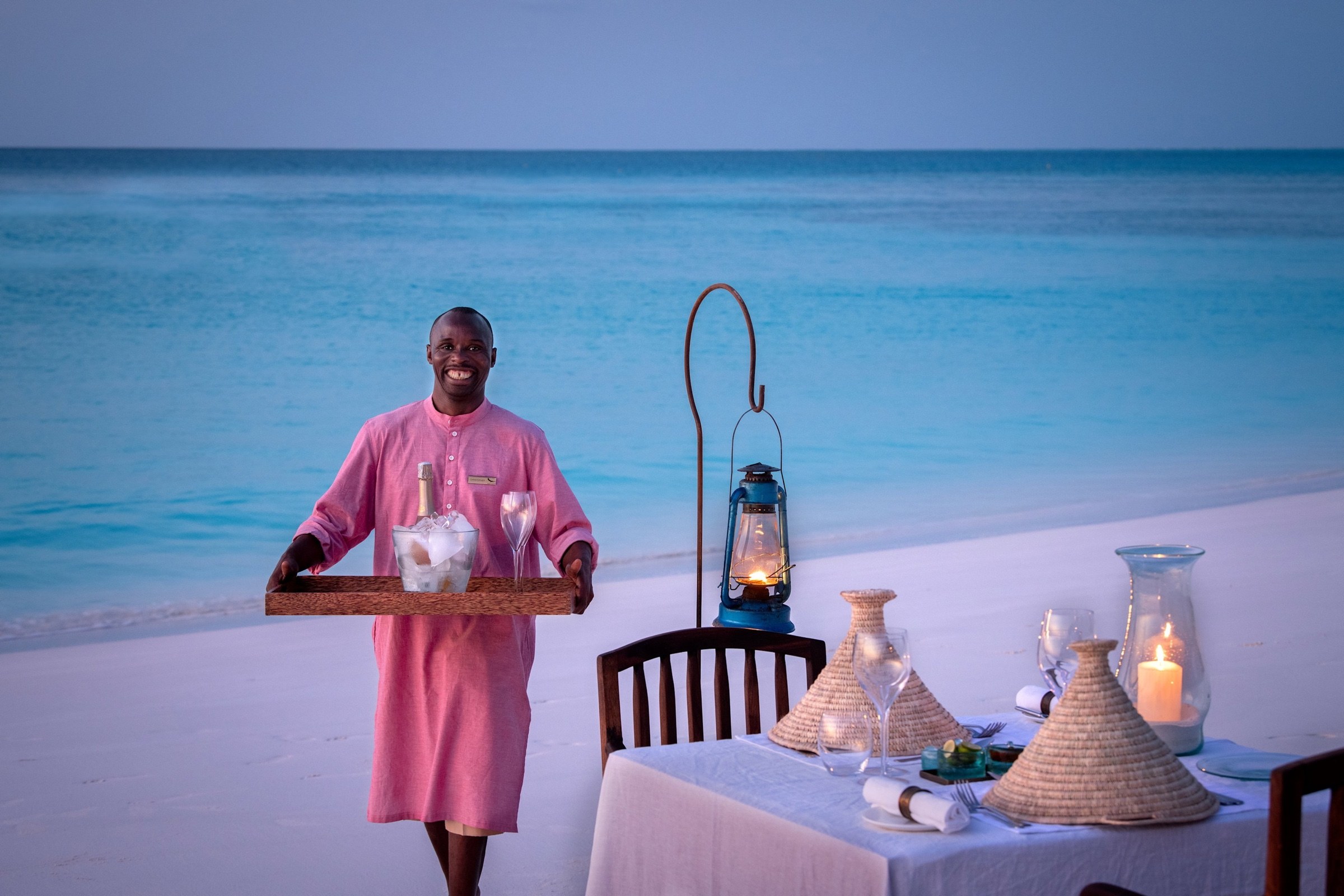
A host carrying drinks towards a candlelit dinner on a Zanzibar beach.
Zanzibar · Hospitality beside the ocean
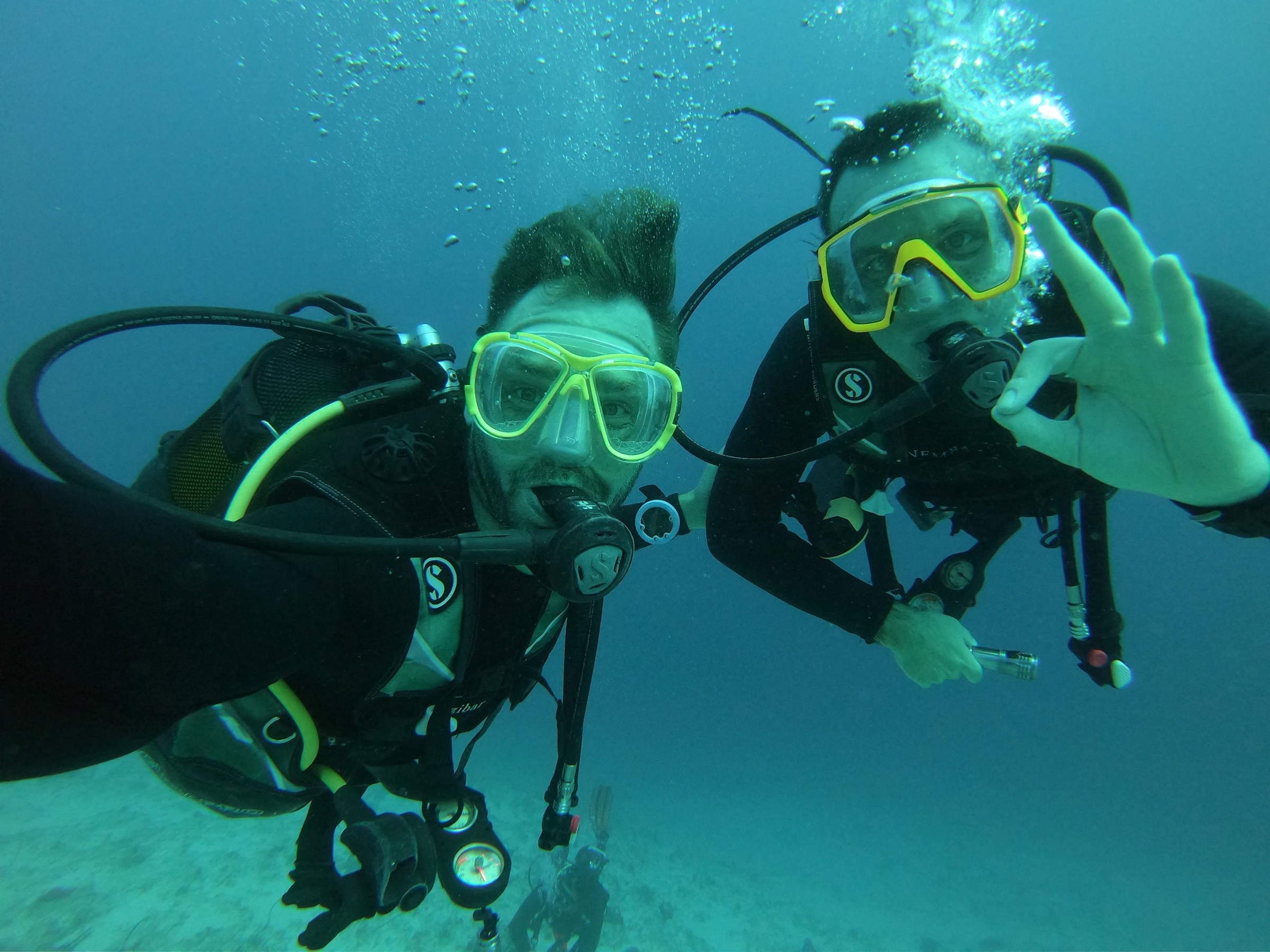
Two scuba divers wearing yellow masks underwater in Zanzibar.
Zanzibar · Below the surface

Travel context · Candid advice

LGBTQ+ travel in Tanzania

Same-sex sexual activity is illegal in Tanzania, including Zanzibar. Public attitudes are conservative, and public displays of same-sex affection can carry legal risk. This is materially different from South Africa and needs to be discussed plainly before choosing the destination.

LGBTQ+ travellers do visit Tanzania, but personal comfort with this context varies. Thoughtful planning cannot remove the legal environment or provide a guarantee of safety. We discuss your priorities and boundaries before making recommendations.

Our role is careful partner selection, discreet communication and practical guidance: confirming room configurations, how a couple will be received, privacy and appropriate accommodation. We avoid assumptions about what you are comfortable sharing and provide candid advice before departure.

If travelling openly as a couple is central to your holiday, we can discuss destinations with a different legal and social context, including South Africa. The right recommendation begins with your comfort, not a predetermined Tanzania itinerary.

Legal context checked October 2026 against current official LGBTQ+ travel advice for Tanzania. Recheck before departure.

For the wider destination context, read our LGBTQ+ Africa travel guide.

Private journeys · Different ways to travel

Ways we design Tanzania

These are starting points for a conversation. We adapt regions, nights and accommodation to your dates and priorities, rather than selling a fixed sequence of famous names.

The classic Northern Circuit

Tarangire, Ngorongoro and a carefully selected Serengeti base. Useful contrast for a first safari, with driving and flying balanced against your available time.

Migration-focused safari

Choose the region for the month and current seasonal pattern. Allow enough nights to follow wildlife behaviour, with other sightings giving the stay substance.

Slow Serengeti

Fewer camps and longer stays. Time to know a landscape, stay with a scene and spend an occasional unhurried afternoon in camp.

Safari and Zanzibar

Wildlife country followed by a considered ocean chapter. The beach location, flight connections and pace deserve the same care as the safari.

Honeymoon Tanzania

Privacy, accommodation with a strong sense of place and space to enjoy it. Selected experiences and a beach ending shaped around the couple.

Photographic Tanzania

Strategic camp locations, a private vehicle where appropriate and longer sessions with wildlife. Choose dates for subjects, light and behaviour, with realistic expectations of conditions.

Weigh the alternatives in our four-country safari comparison.

Useful answers

Frequently asked questions about Tanzania

When is the best time to visit Tanzania?

Choose dates around your priorities. January to March generally suits Ndutu and southern calving country; July to October is a useful dry-season window with migration interest in the north. April and May can offer fewer visitors but bring long rains and some camp closures. Zanzibar conditions need checking separately.

Where is the Great Migration?

The migration moves through the Serengeti–Mara ecosystem in Tanzania and Kenya. Southern plains and Ndutu usually attract the herds early in the year, followed by northward and westward movement, northern river country and a return south. Rainfall and grazing shift this pattern, so the correct safari base depends on your dates and local conditions.

Can you guarantee a Mara River crossing?

No. Herds can wait, turn back or cross unexpectedly, sometimes repeatedly and in either direction. Several nights in the north improve the opportunity to respond to wildlife movements, but no itinerary can guarantee a crossing. The stay should be rewarding even without one.

How many nights do I need in Tanzania?

For a first Northern Circuit journey, roughly seven to ten safari nights is a useful starting point, depending on how many regions you include. A more focused Serengeti stay can use fewer bases. Add around four or five nights if Zanzibar matters to you, and allow for arrival and transfer days. These are planning guidelines, not a fixed minimum.

Is Tanzania good for a first safari?

Yes. Contrasting landscapes and productive wildlife areas make northern Tanzania a strong introduction. The route still needs editing: too many one-night stops or long transfer days can undermine it. Good guiding, realistic drive lengths and suitable camps matter more than ticking off every park.

Should I visit Kenya or Tanzania?

Choose around the safari you want. Tanzania offers the Northern Circuit, distinct Serengeti regions, Ngorongoro and an easy ocean chapter. Kenya combines the Maasai Mara with other landscapes and conservancy experiences. Both share the migration ecosystem, and neither guarantees a crossing. Dates, access, privacy, activities and trip length are more useful deciding factors than a country ranking.

Is Zanzibar easy to combine with safari?

It is a practical combination, using flights from northern safari areas or through a connecting airport. Actual schedules, stops and transfers must be checked for your dates. Give the coast enough nights to settle in, and choose the beach location for tides, swimming, atmosphere and your interests.

Is Tanzania suitable for LGBTQ+ travellers?

Suitability depends on informed personal judgement. Same-sex sexual activity is illegal, including in Zanzibar, and public displays of same-sex affection can carry legal risk. We discuss comfort, privacy, accommodation and partner selection candidly. Discreet planning cannot remove these risks; South Africa may suit travellers who want a different legal and social context.

Read current official advice on the legal context

What is the difference between Ndutu and the Serengeti?

Ndutu is a lake and plains area within the wider Serengeti ecosystem, principally in the Ngorongoro Conservation Area beside the national park’s southern boundary. It is particularly relevant to early-year calving safaris. The Serengeti is a much larger ecosystem, while Serengeti National Park has its own boundaries and permits. Camp location determines which areas you can practically explore.

Is Ngorongoro worth visiting?

For many first-time visitors, yes: the crater’s setting and concentrated wildlife add a distinct chapter to the journey. It can be busy, and an early start helps. Lodge position and the following transfer matter. A repeat visitor seeking a slower safari may prefer to spend those nights in fewer Serengeti bases.

Should I fly or drive between safari regions?

Driving can connect Tarangire, the highlands and southern safari country with one guide, but longer distances can consume a day. Flying is often useful for a northern Serengeti leg or the Zanzibar extension. Many good itineraries combine both. Consider road tolerance, luggage limits, flight stops, cost and time actually available for safari.

What vaccinations or entry requirements do I need?

Requirements depend on your passport, route and transit countries. Check visa eligibility and documents with Tanzania Immigration, and current mandatory inbound-insurance rules with the official mainland or Zanzibar provider. Consult a travel-health professional about routine and recommended vaccines, malaria prevention and whether your route requires a yellow-fever certificate. Verify official guidance before booking and again before departure; requirements change.

Check Tanzania Immigration, the mainland insurance provider, Zanzibar’s official inbound-insurance portal and CDC travel-health guidance. UK entry advice explains current requirements for British passport holders.
Sources and destination knowledge

First-hand experience described here relates to Zannon James’s travel, stays and inspections across the Northern Circuit. Seasonal patterns are approximate planning guidance; access, camp operations, activities and travel requirements are checked for each journey.

Park and heritage context is supported by TANAPA’s Tarangire guide, Serengeti wildlife and habitats, UNESCO’s Ngorongoro Conservation Area account and UNESCO’s Stone Town history. Legal and health references are linked beside the relevant guidance above.

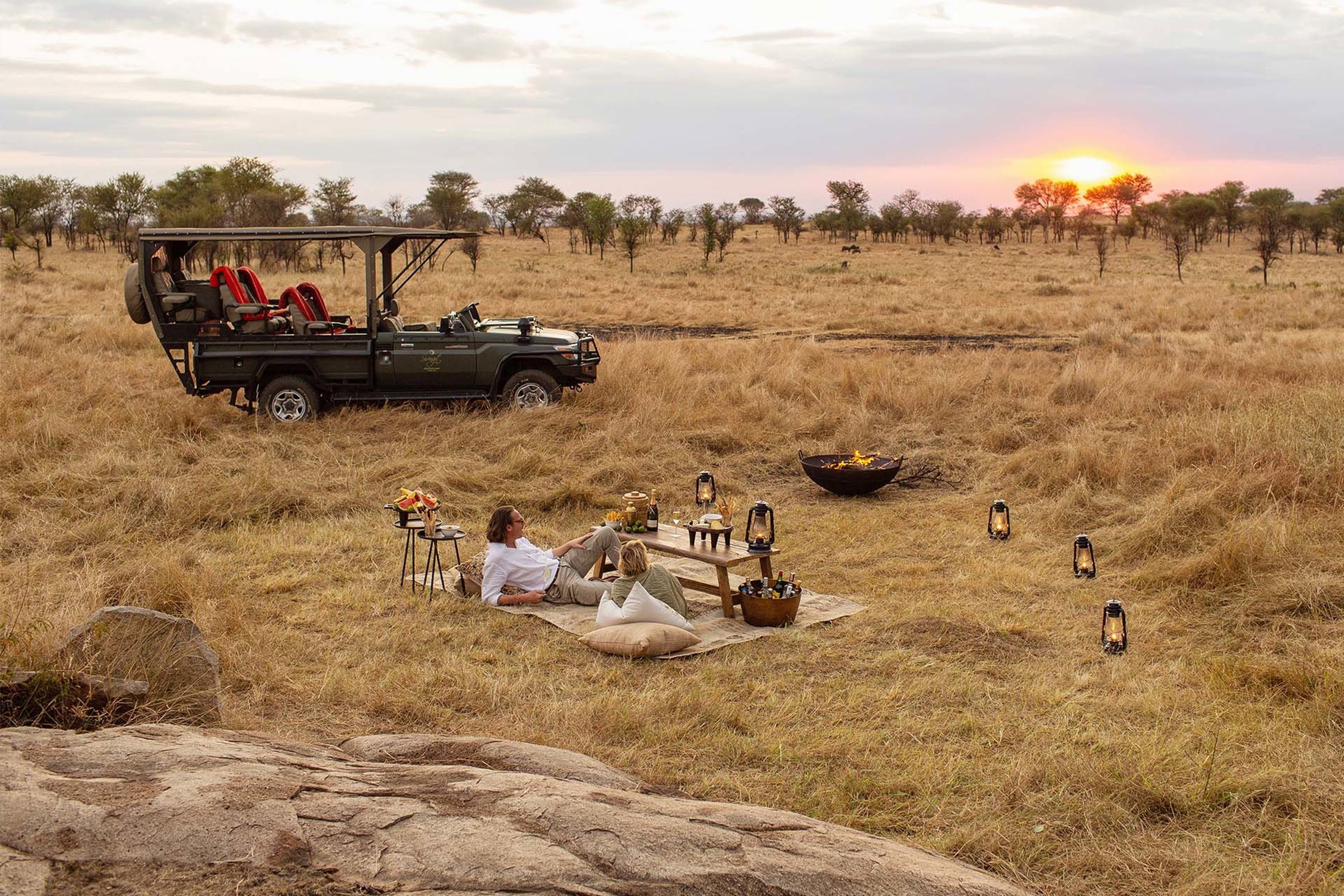
Two guests relaxing at a private sundowner picnic beside a safari vehicle in golden grass.
Tanzania · Time to enjoy where you are

Tanzania · Private journey design

Let’s build the Tanzania trip around the experience you actually want.

Tell us when you want to travel, how you like to travel and what matters most to you. We’ll work out where in Tanzania makes sense from there.

Plan my Tanzania safariSpeak to Zannon

Mason & Wild Luxury Safaris
Private African travel, thoughtfully designed.

Private enquiries are reviewed personally. Your details are handled with discretion and used only to understand whether Mason & Wild is the right fit for your journey.

The Quarterly Journal

Receive the next issue when it publishes.

By submitting this form, you agree that Mason & Wild may process your personal information to respond to your enquiry and manage related communications in accordance with our Privacy Policy.