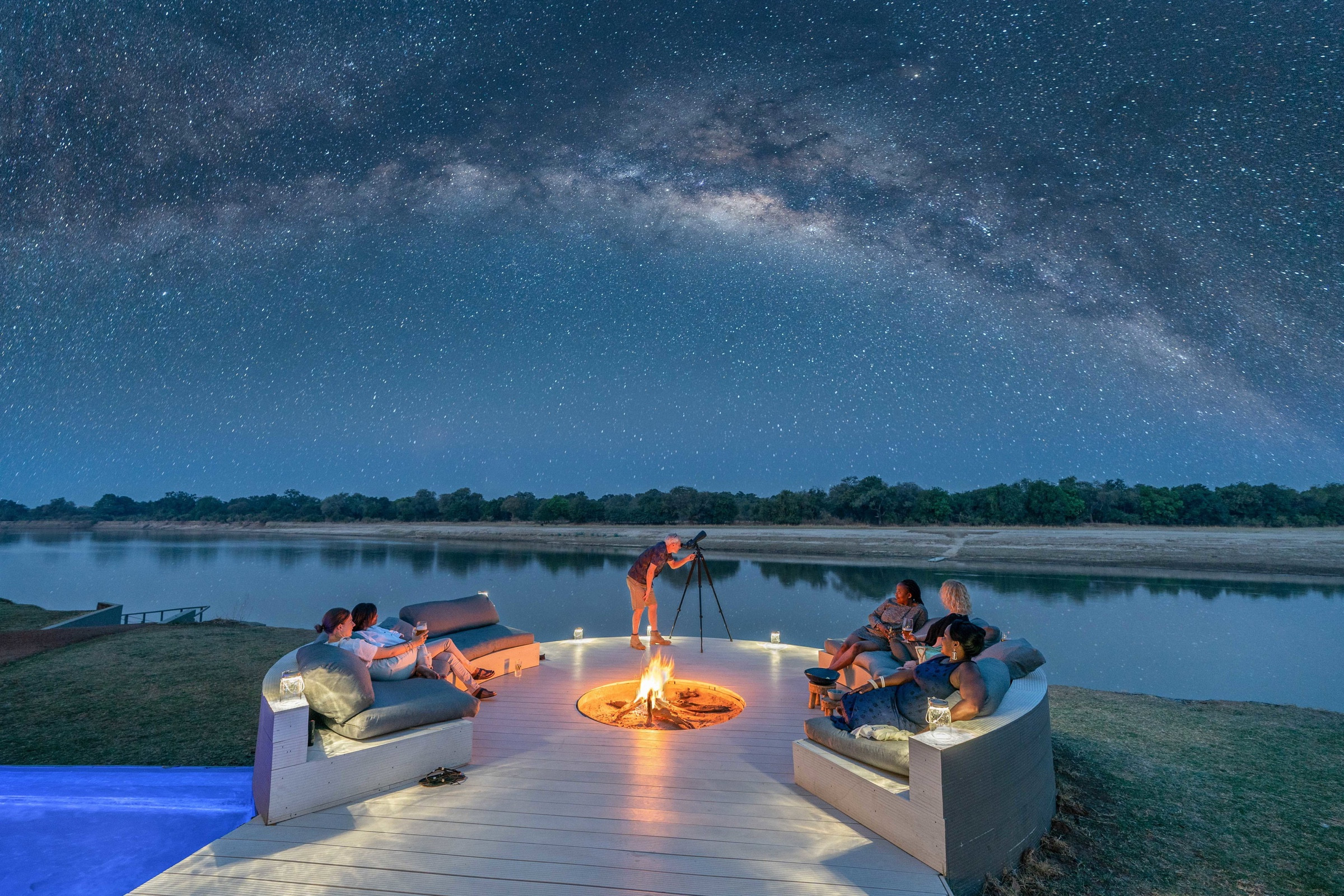
Guests beside a fire beneath the Milky Way in South Luangwa, Zambia

Zambia

Zambia Safaris

Walking safaris, wild rivers and some of Africa’s most rewarding wilderness.

Written / reviewed by Zannon James, Founder and African Travel Specialist, Mason & Wild.

First-hand South Luangwa experience, work within Zambia’s safari industry and current destination research.

Last reviewed:

Wilderness, guiding and participation

A Different Rhythm of Safari

Zambia is often chosen by experienced safari travellers who want more than a succession of game drives. Its appeal lies in the ways you can participate in a landscape: walking through riverine woodland, following wildlife from an open vehicle, watching the river from a boat or moving through a channel with a professional canoe guide. Each reveals something the others miss.

South Luangwa brings predator viewing and Zambia’s walking safari tradition together. The Luangwa River, lagoons and surrounding habitats give the valley a strong sense of place. Lower Zambezi introduces another rhythm, with land and water activities connected by the river. Kafue opens up a broader wilderness journey, while Livingstone can provide a river-based beginning or ending beside Mosi-oa-Tunya.

Small camps and excellent guiding are central to the experience. The right guide makes tracks, bird calls and changing animal behaviour as interesting as a dramatic sighting. A well-positioned camp gives you time in a particular habitat rather than simply a comfortable bed between excursions.

For Zambia safari holidays, the useful starting point is how you want to spend your days. This is not necessarily a destination for ticking off the Big Five as quickly as possible. It is particularly rewarding when the journey allows room to walk, observe and return to the same places as their character changes.

A planning reference

Zambia at a Glance

Best for
Walking, expert guiding, predators, river activities and repeat safari travel
Core areas
South Luangwa, Lower Zambezi, Kafue and Livingstone
Useful length
6 to 12 nights, shaped around the number of areas and connections
Safari style
Professionally guided drives, walks and river activities with carefully selected camps
Season
Strong seasonal variation; camp access and activities checked for your dates

See how this destination fits your priorities in our first-safari destination guide. For the alternatives, explore our four-country safari comparison.

Where Zambia’s walking safari tradition comes alive

South Luangwa
South Luangwa is one of Zambia’s best-known wildlife areas. The Luangwa River, oxbow lagoons and riverine habitats shape both wildlife movements and the way a safari unfolds. In drier conditions, permanent water becomes a particularly useful focus for game viewing.

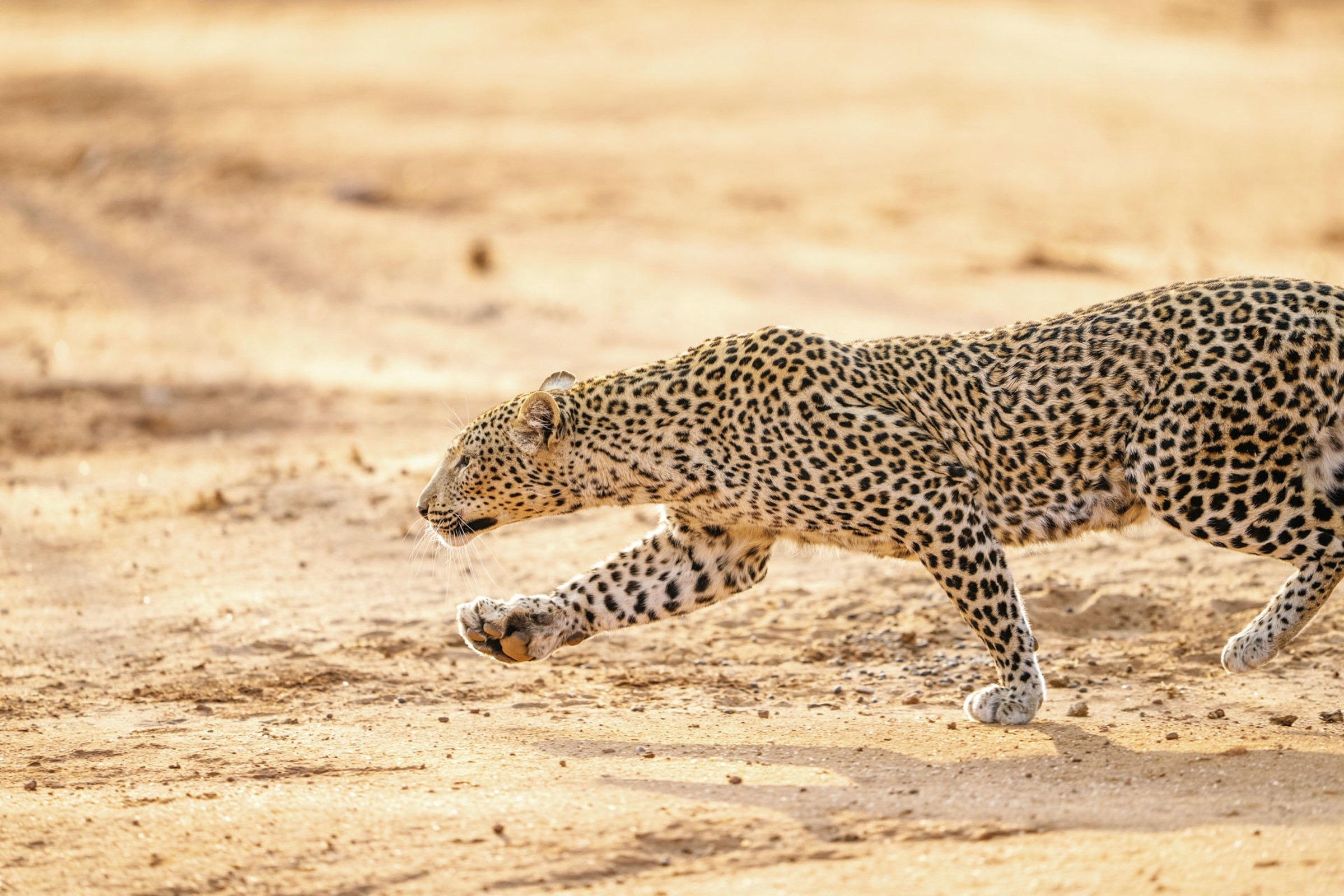
The valley is known for rewarding leopard and lion viewing. Elephants, hippos, buffalo and antelope bring depth to the experience; wild dogs may also be encountered, though finding them depends on their movements and the area being explored. No predator sighting is guaranteed.

Game drives cover a wider area, while night drives, where operated and permitted, reveal a different set of behaviours. Walking brings the smaller ecological relationships into view. A combination gives South Luangwa more variety than a vehicle-only itinerary.

Photographers benefit from allowing several mornings and evenings in the same area. Light, animal behaviour and a guide’s knowledge of local movements matter more than moving camp every day. Intimate seasonal camps can offer a different atmosphere from established lodges near the main access points, but access and activities must be matched to your dates.

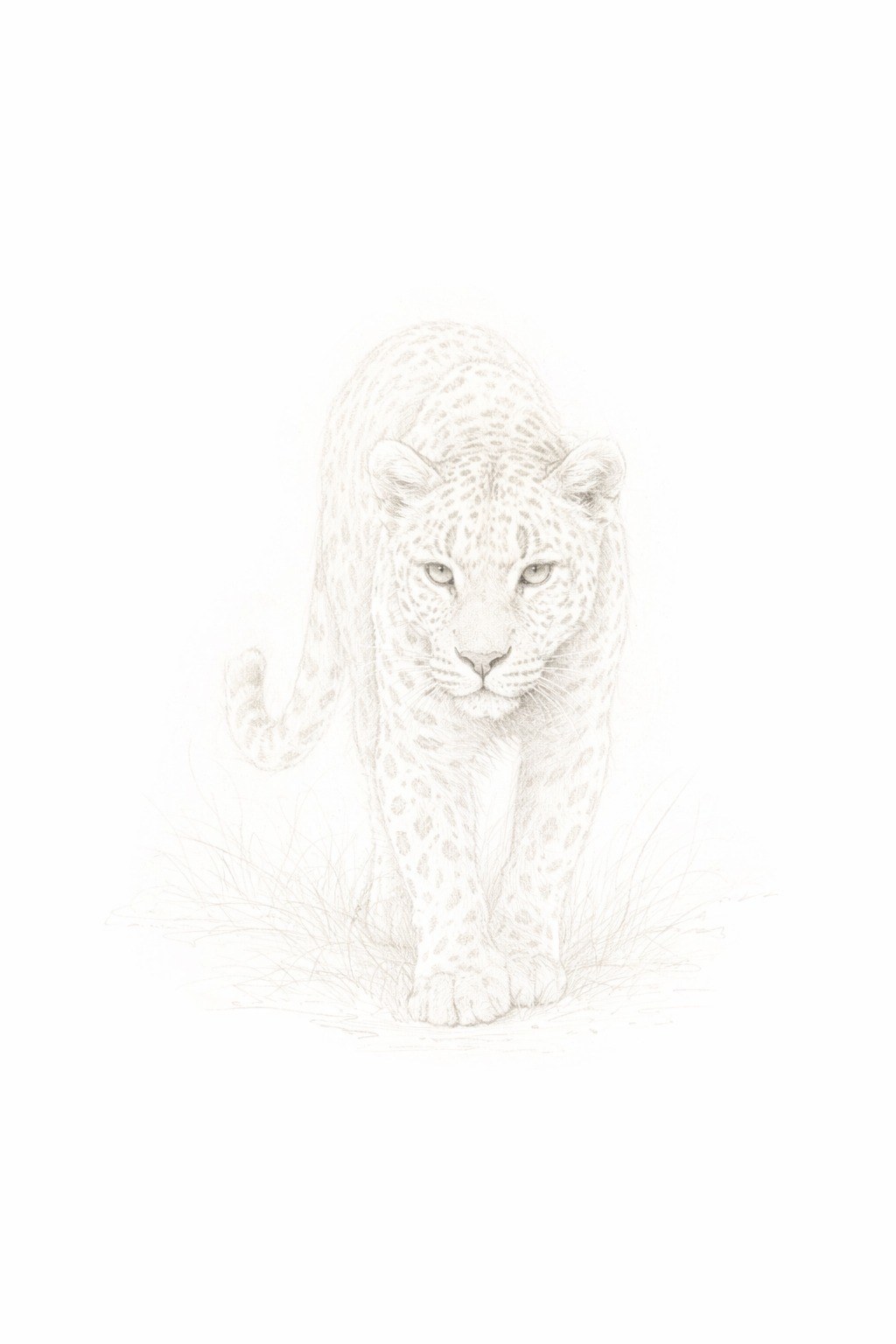
Leopard walking across dry ground in South Luangwa
South Luangwa · Predator country

Read the landscape

Safari on Foot

Zambia has played a defining role in the development and popularisation of the modern African walking safari, particularly in the Luangwa Valley. Walking changes what you notice. Tracks indicate what passed before you; insects, plants, sound and wind become part of understanding where you are.

A walk might last a few hours from camp, or form part of a more immersive walking-focused journey. The appropriate format depends on the camp, season, terrain and your comfort with being on foot. It need not replace game drives, and combining both often provides a more complete understanding of the area.

Walking is not about getting as close to an animal as possible. The reward is learning to read the landscape.

These are professionally guided wilderness experiences, with trained guides and the required escort arrangements. Wildlife is present and risk cannot be removed. Guides assess conditions, select routes and give instructions that guests must follow. We check fitness expectations, age policies and the walking programme before recommending a camp.

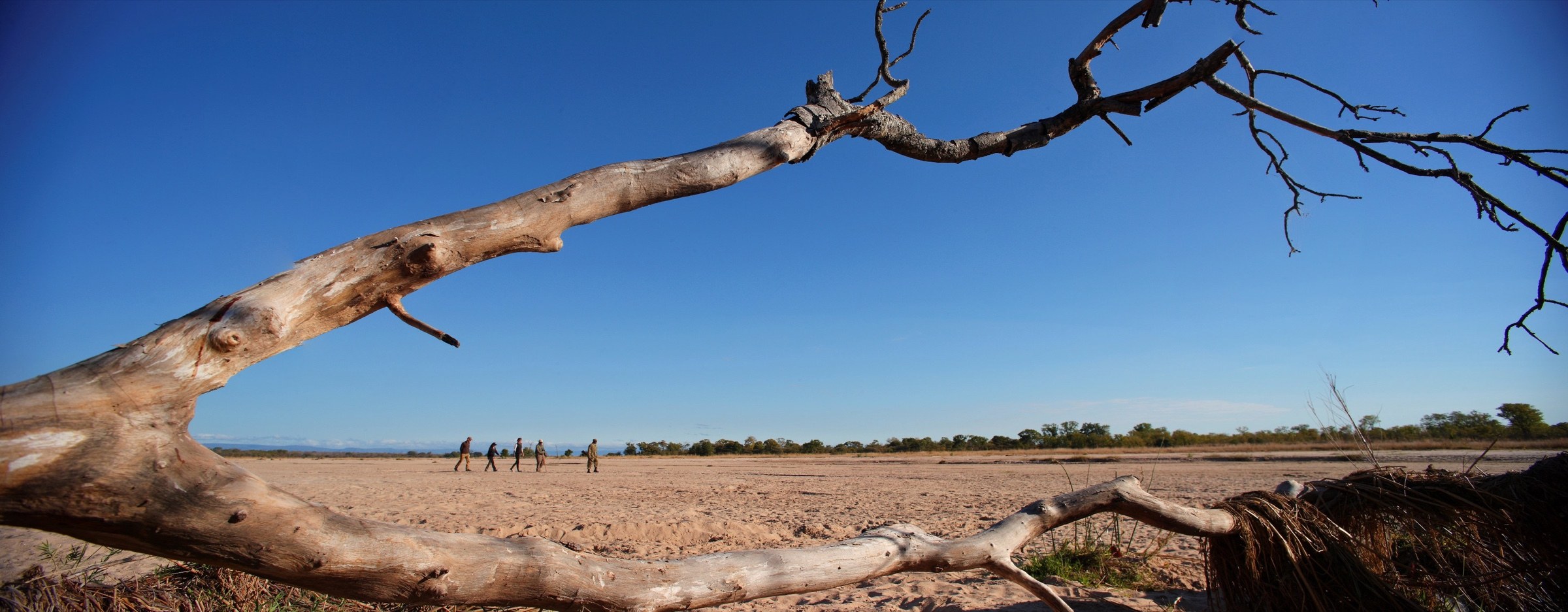
Guided walking safari crossing a dry riverbed in Zambia
Zambia · Safari on foot

South Luangwa beyond the headline sighting

Time in the Valley
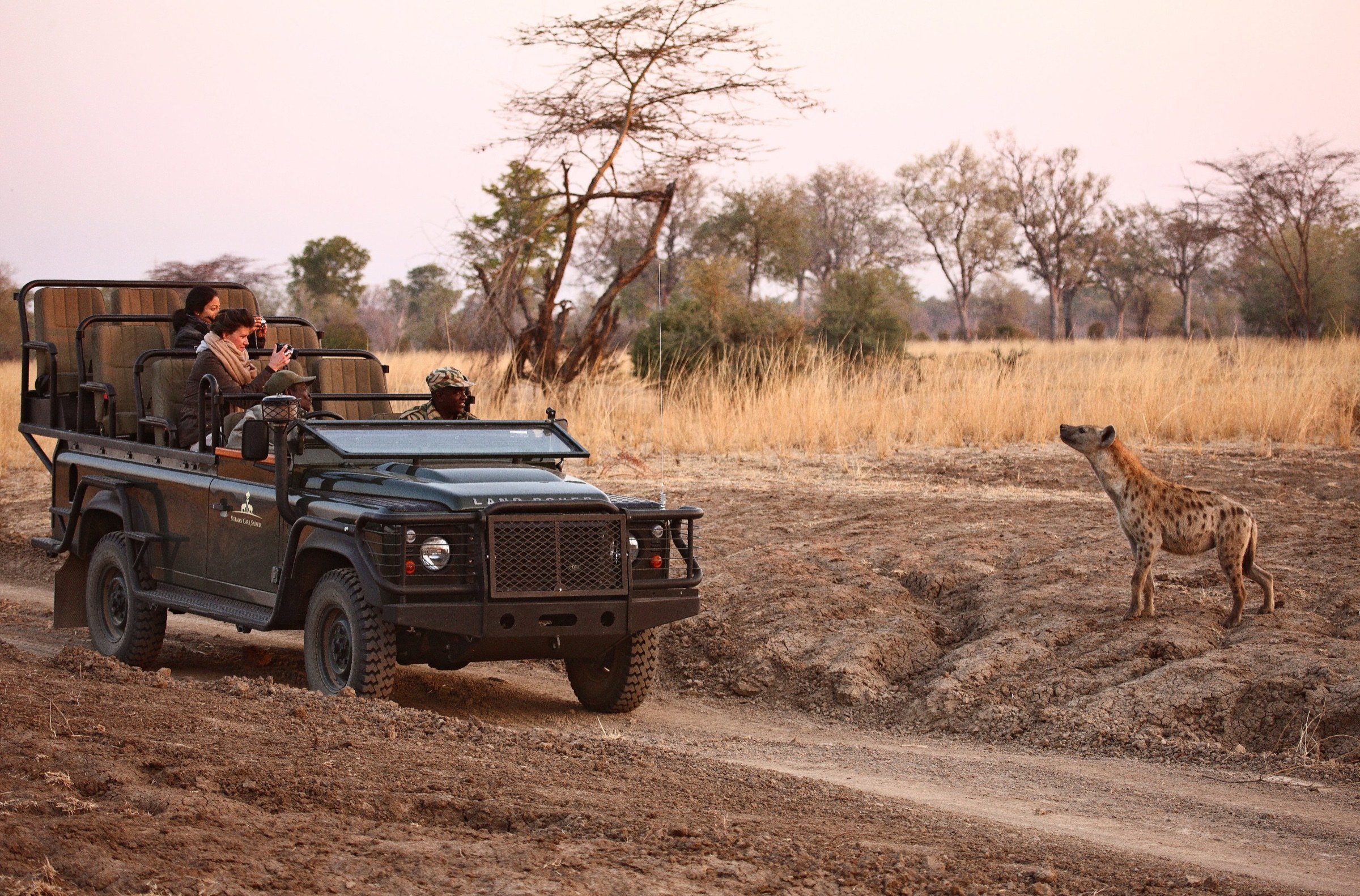
A morning drive and an evening return can show the same stretch of river in very different ways. Elephants approach water, antelope move between feeding areas and predators respond to the changing light. These transitions are part of the safari rather than pauses between sightings.

We balance time in vehicles with walks, time at camp and your photographic priorities. Private guiding, where available, can be useful when you prefer to wait at a sighting or follow a particular interest. It should be considered alongside camp location and season, rather than treated as an automatic upgrade.

Safari vehicle watching a spotted hyena in South Luangwa
South Luangwa · A different perspective
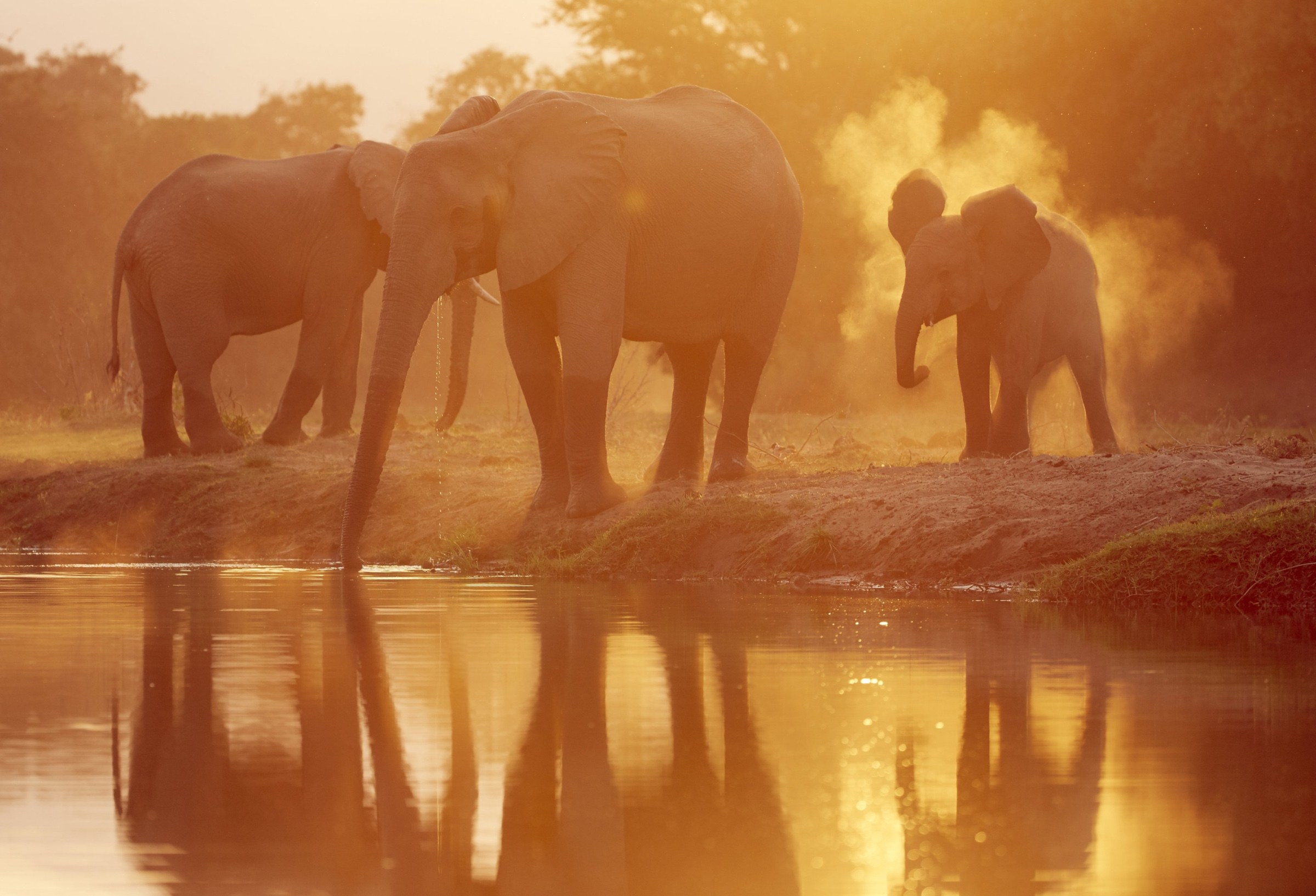
Elephants beside the river at sunset in Zambia
Zambia · Water and changing light

Safari shaped by the river

Lower Zambezi

Lower Zambezi combines game drives with professionally guided river activities. The Zambezi River and its channels shape the experience, drawing elephants, hippos, buffalo and other wildlife towards water and riverine habitat.

Boating offers a different viewing position from a vehicle. Canoeing can bring attention to the banks, channels and birdlife at a slower pace. Fishing may be offered by selected operators, subject to current rules, conditions and the camp’s programme.

The distinction from South Luangwa is practical as well as scenic. Here, time on the water can be a central part of the itinerary rather than an occasional addition. We check which activities each camp actually offers and what is likely to be possible at the river level during your stay.

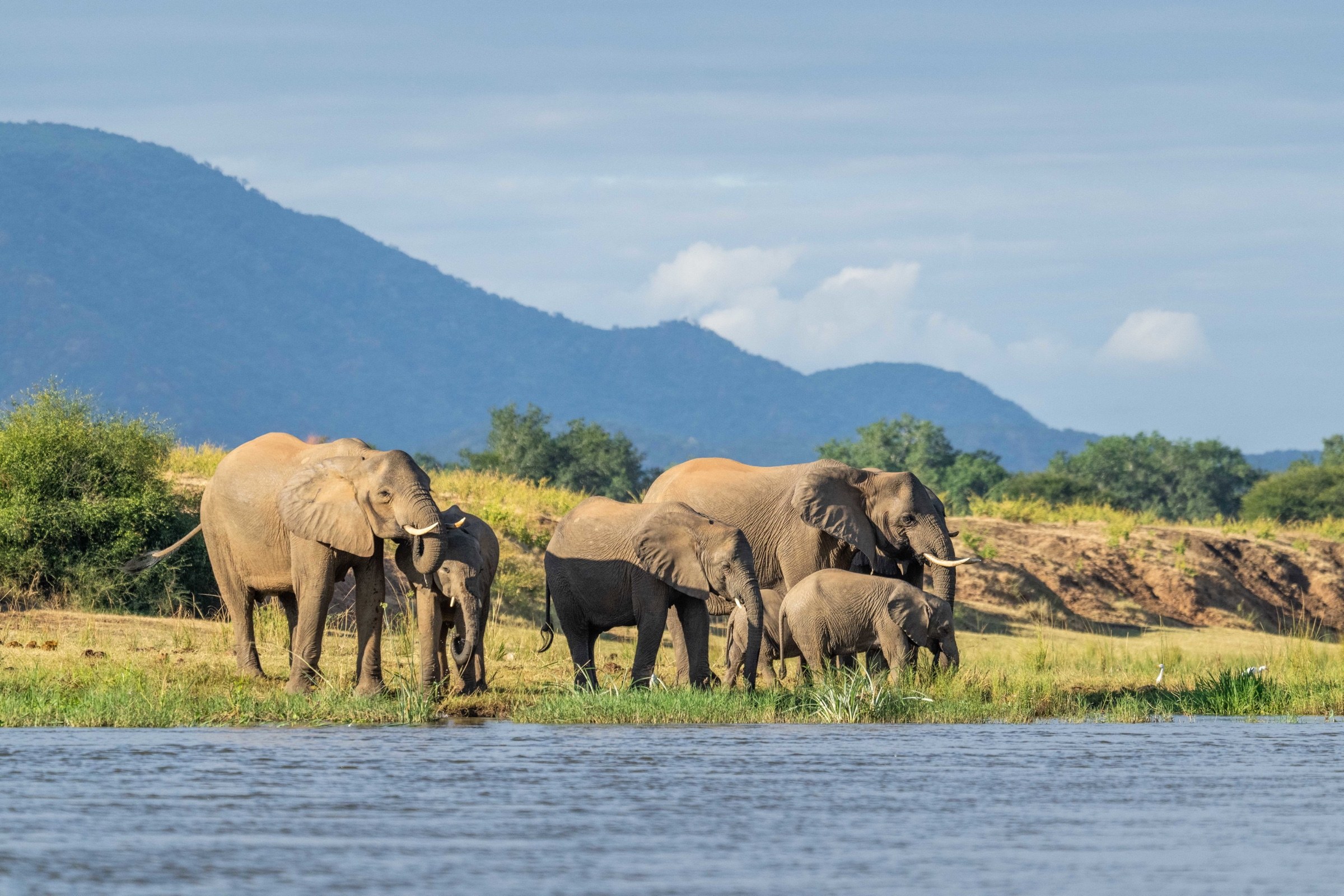
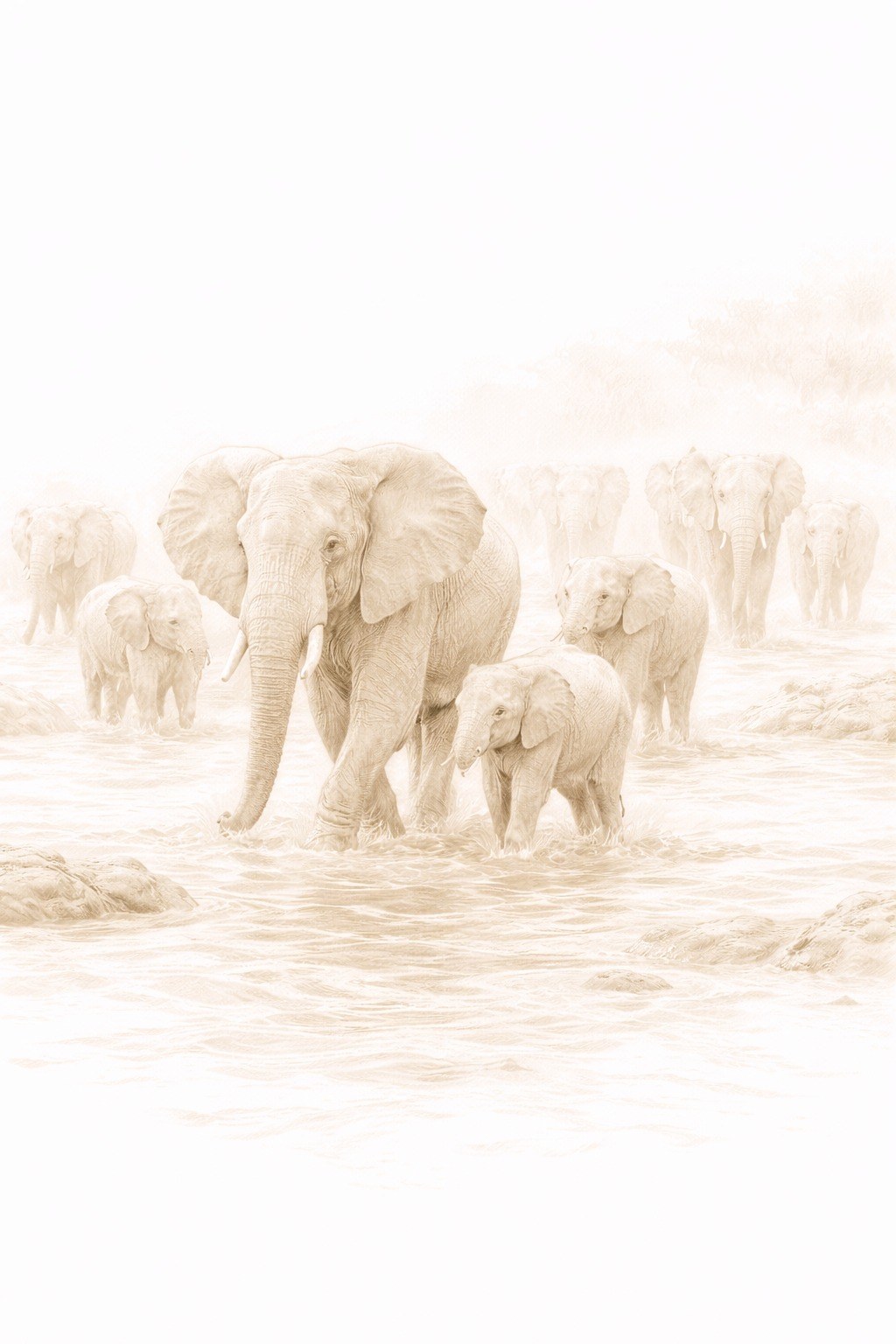
Elephant family beside the water in Zambia
Zambia · Life beside water
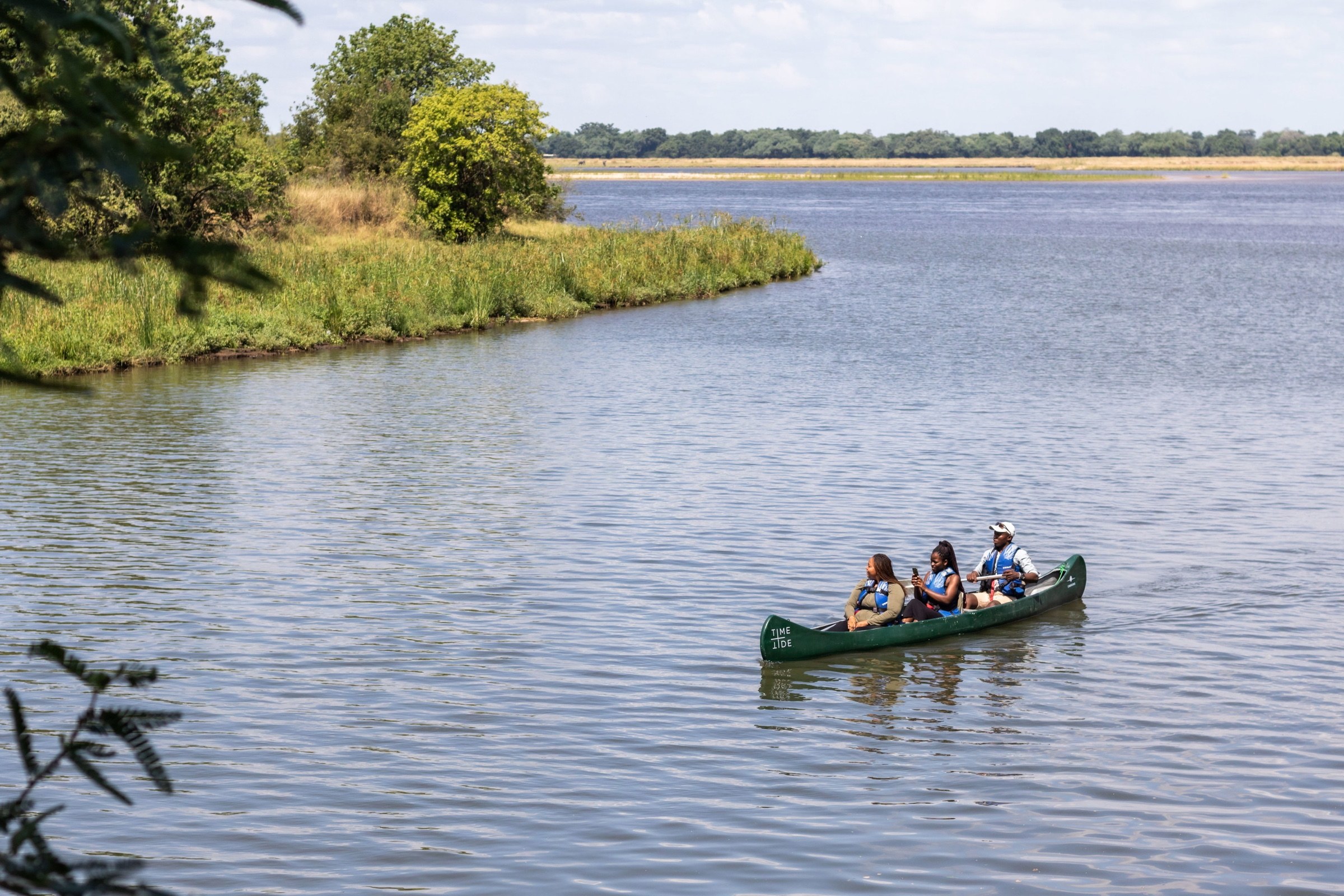
Guests and a guide in a canoe on the Lower Zambezi River
Lower Zambezi · River channels

Lower Zambezi on the water

A Guided River Perspective
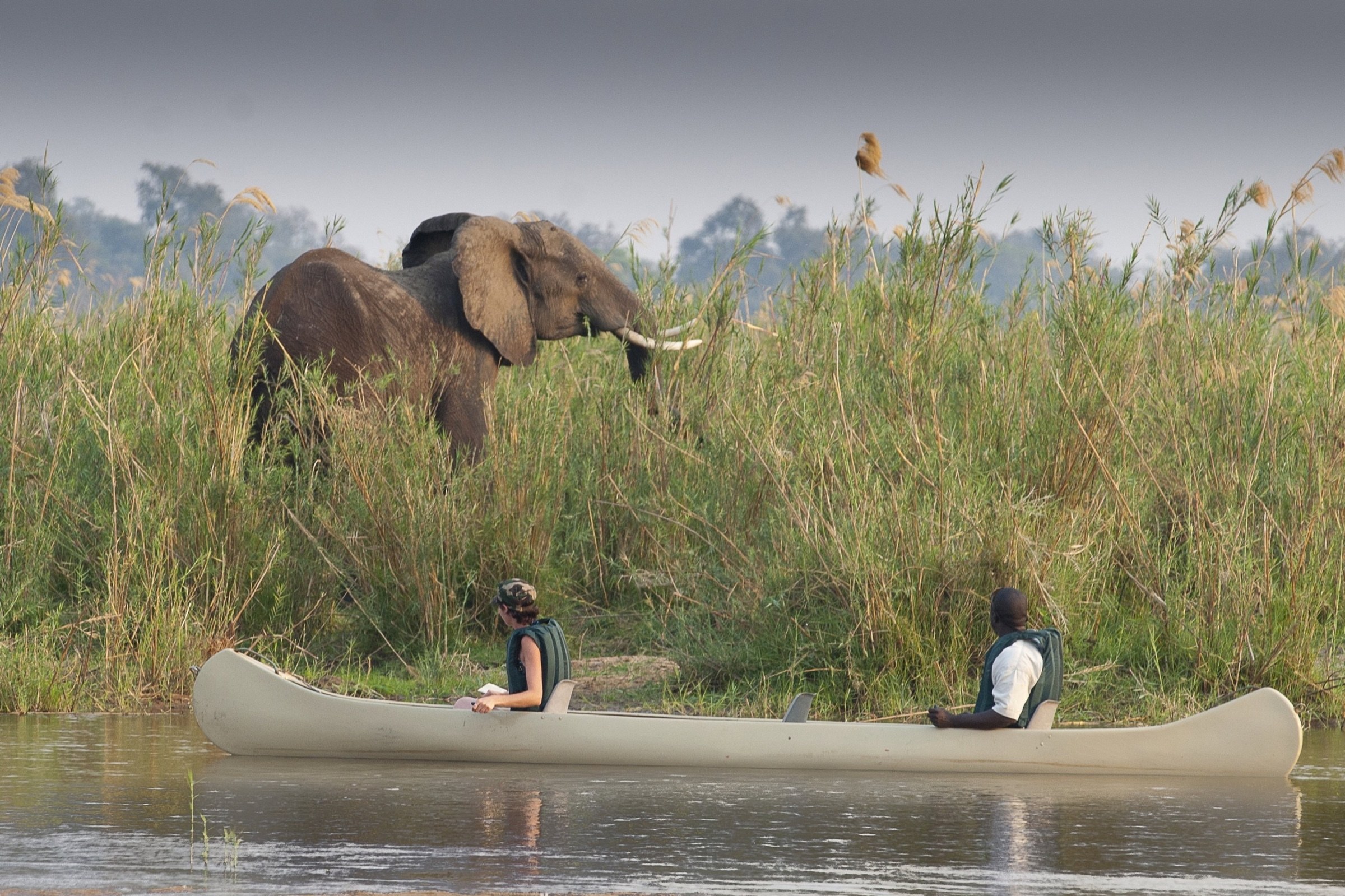
Canoeing is a guided wildlife activity, not an unsupervised paddle. Hippos, crocodiles and other wildlife share the river. Route selection, spacing, safety equipment and a guide’s judgement are essential to how an outing is conducted.

Tell us if you are uncertain about canoeing. A boating programme or more time on land may suit you better. The best Zambia safari itinerary gives you meaningful choices rather than assuming every guest wants every activity.

Guests canoeing with a guide beside an elephant on the Zambezi River
Zambezi · A professionally guided river experience
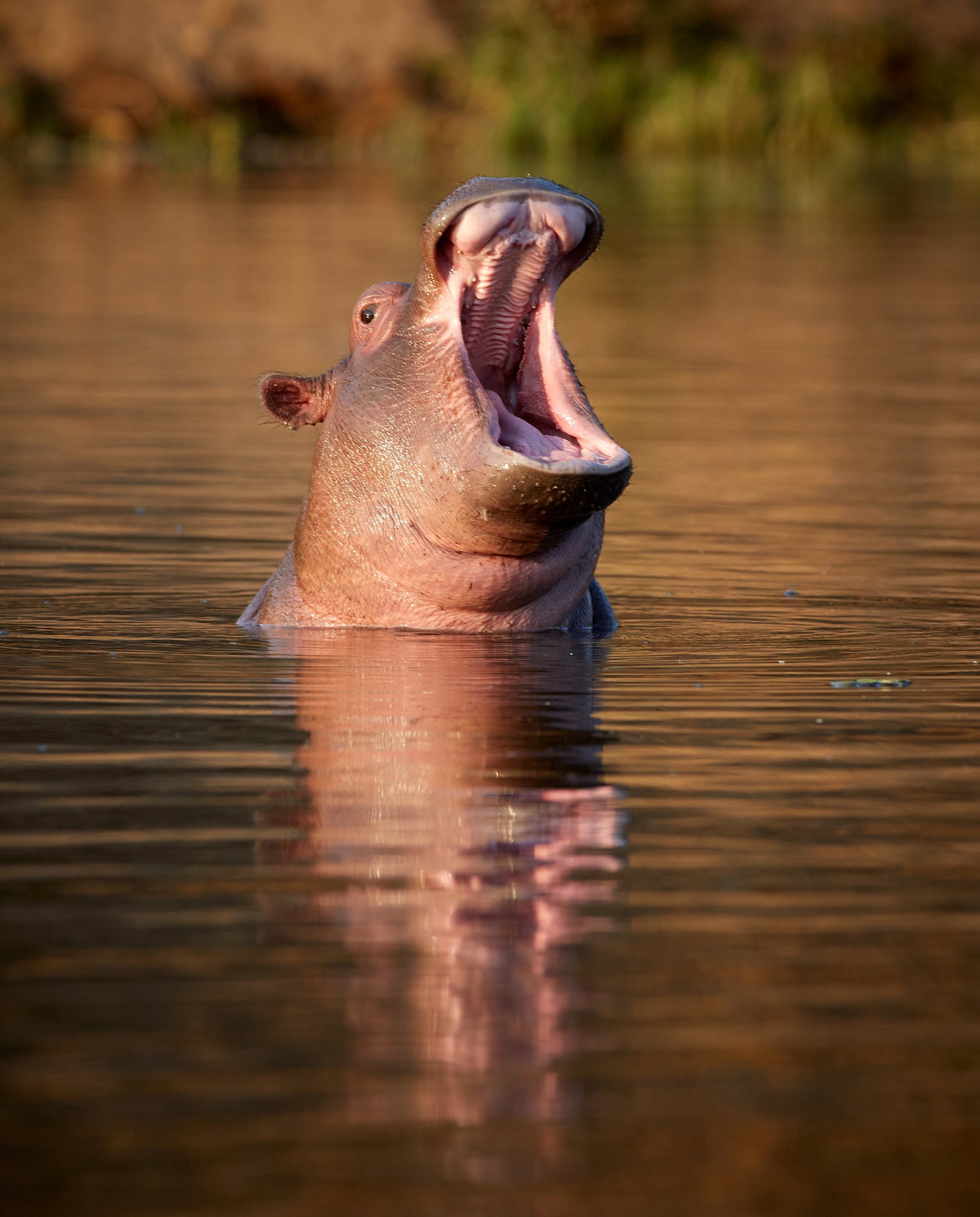
Hippopotamus calling from the water in Zambia
Zambia · River wildlife

Predators, rivers and ecological variety

Wildlife Across Different Habitats
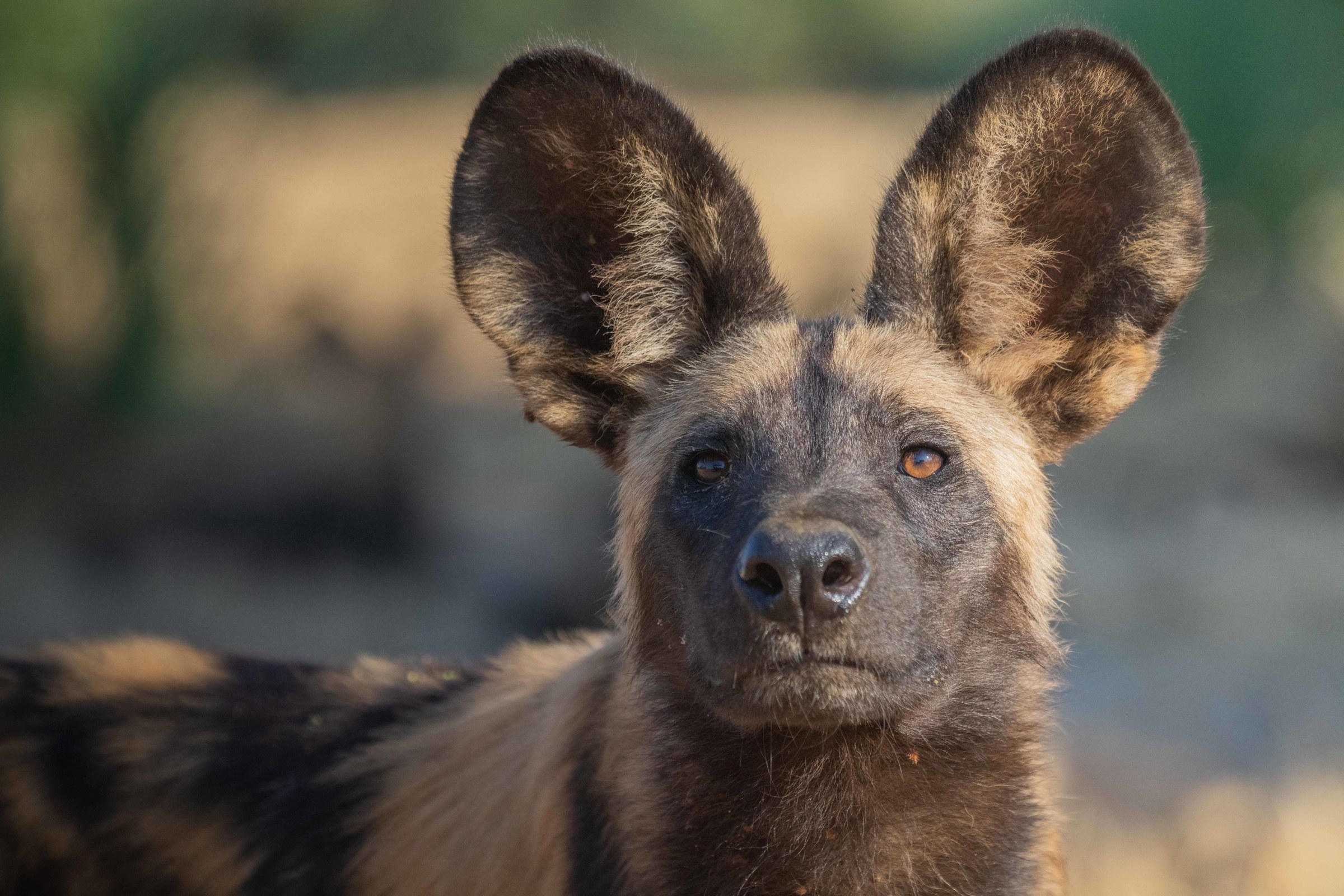
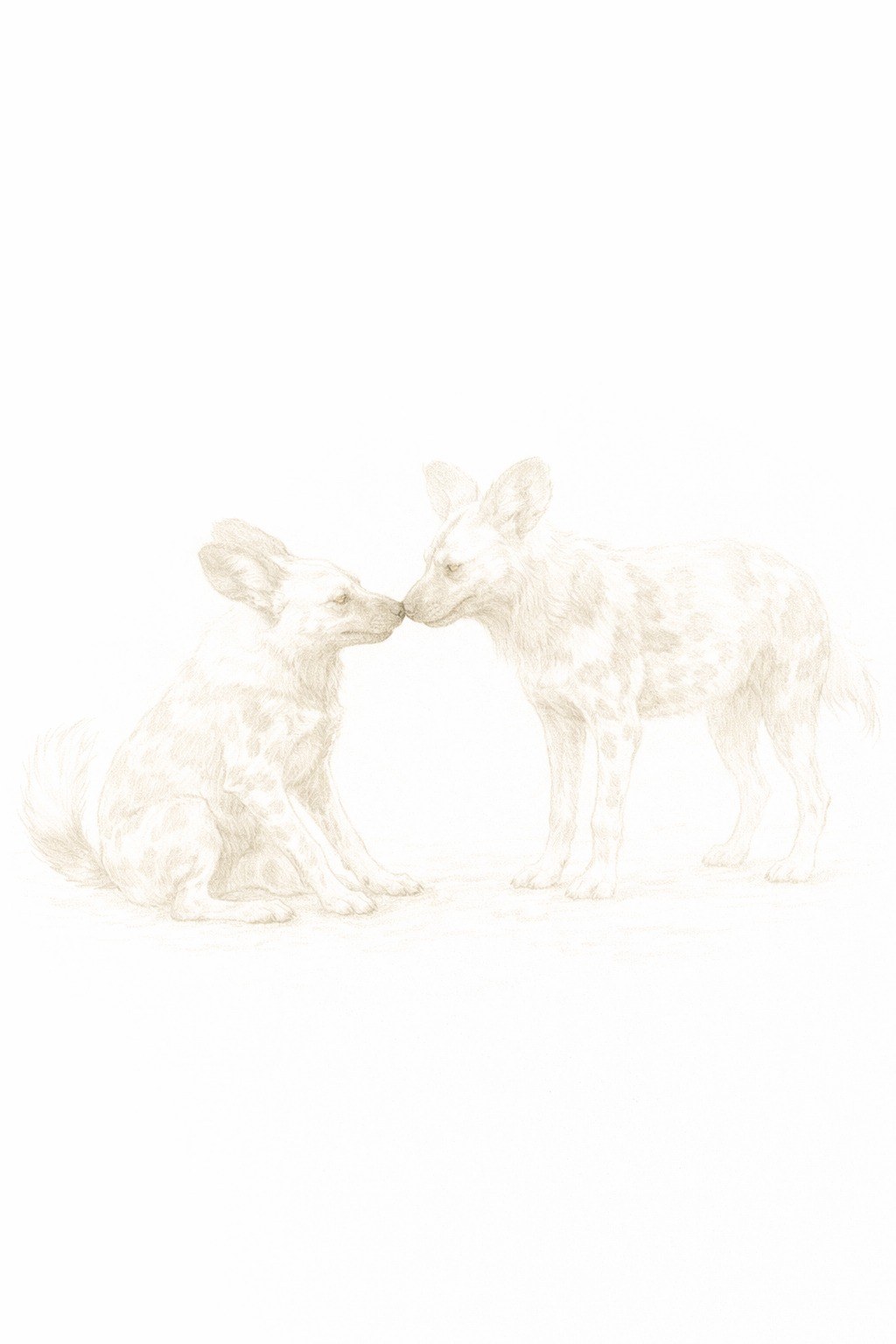
Zambia’s wildlife makes more sense when considered through its ecosystems. Leopard viewing is a particular draw in South Luangwa, while lions and African wild dogs add to its predator interest. Wild dogs range widely, so time, current movements and the guide’s knowledge all influence your chances.

Elephants, hippos and buffalo are part of the river-focused experience in both South Luangwa and Lower Zambezi. Antelope and birdlife bring different patterns to woodland, grassland and floodplain habitats. A safari becomes richer when you understand these relationships rather than work through an animal list.

Kafue adds another range of habitats and a different wildlife context. We do not assume every park contains every species or that each camp has equal access to them. Tell us which wildlife matters most to you so that we can choose the area and season accordingly.

African wild dog looking towards the camera in Zambia
Zambia · African wild dog
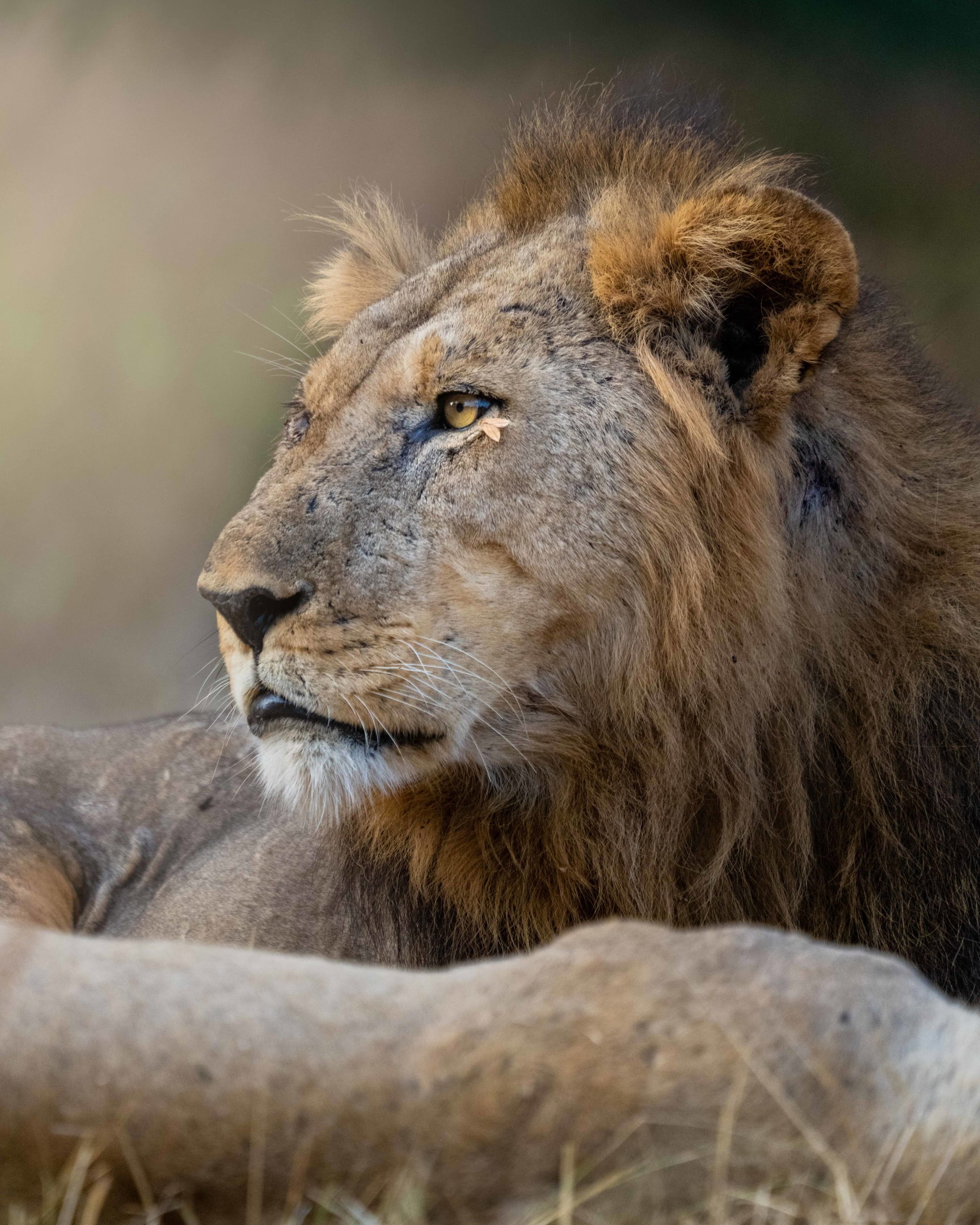
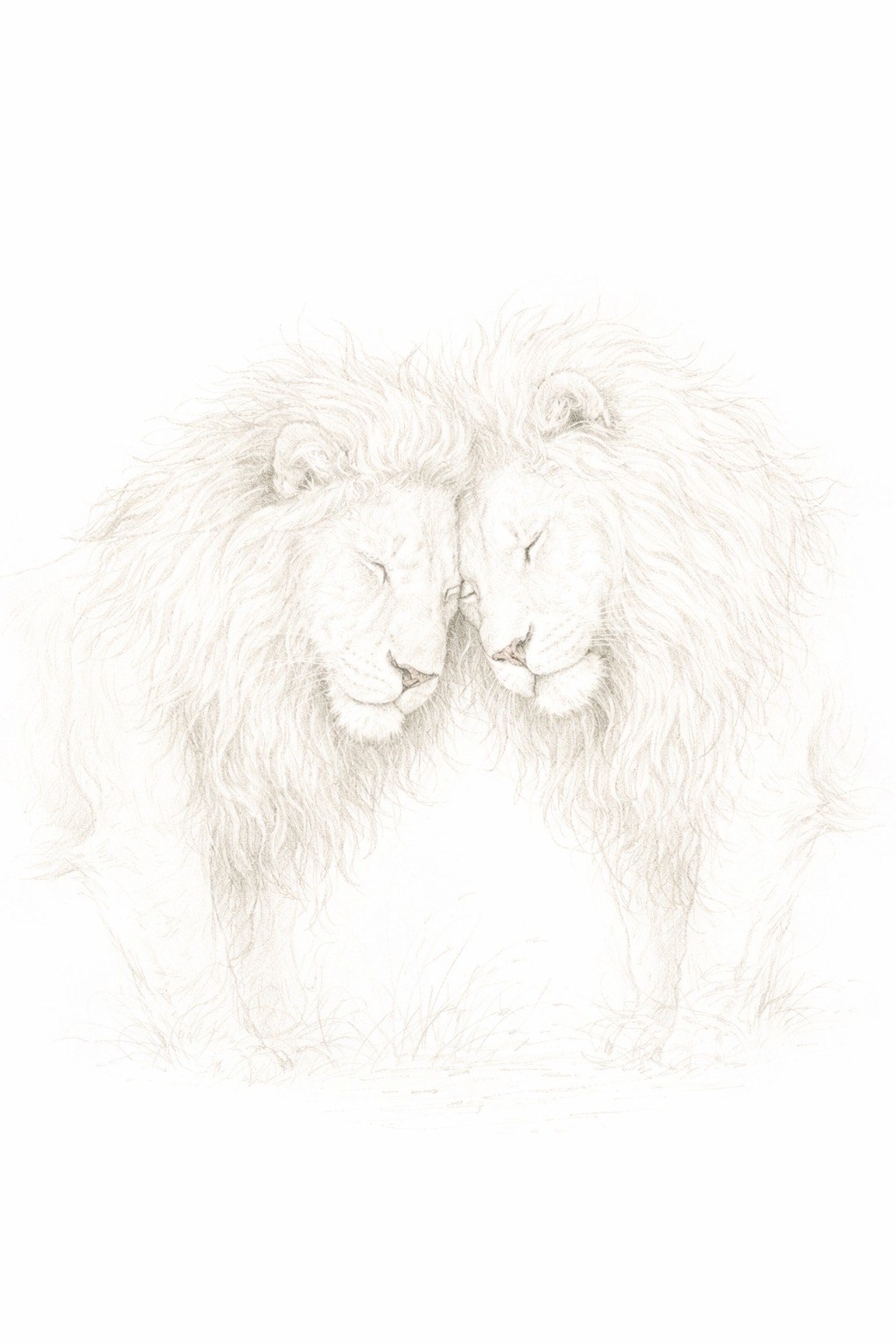
Male lion resting in Zambia
Zambia · Lion

A broader wilderness journey

Kafue and the Busanga Plains

Kafue deserves consideration beyond Zambia’s best-known safari circuit. Its extensive wilderness includes varied woodland, river and wetland habitats. The Busanga Plains are particularly distinctive, with an open floodplain character that contrasts with the riverine settings of South Luangwa and Lower Zambezi.

For repeat safari travellers, Kafue can be a compelling way to experience a less conventional route. Its value lies in allowing enough time for the particular area you choose. Distances, seasonal access and camp location need careful consideration; adding it simply to increase the number of parks can dilute a journey.

Busanga access and camp operations are seasonal. We check the conditions and connections for your dates before recommending it. Kafue is an option to consider thoughtfully, not an obligatory stop on every first visit.

More specialised possibilities

Beyond the Familiar Circuit

North Luangwa, Liuwa Plain and Kasanka illustrate how much lies beyond Zambia’s most familiar route. They suit different interests and require their own seasonal and logistical planning. A walking-focused expedition, an interest in particular wildlife movements or a dedicated birding journey can justify a more specialised itinerary.

We begin with your purpose for travelling, then assess the appropriate operators, access and time required. These areas are not interchangeable extensions to a South Luangwa and Lower Zambezi safari.

Town, river and the Zambian side of the Falls

Livingstone & Mosi-oa-Tunya
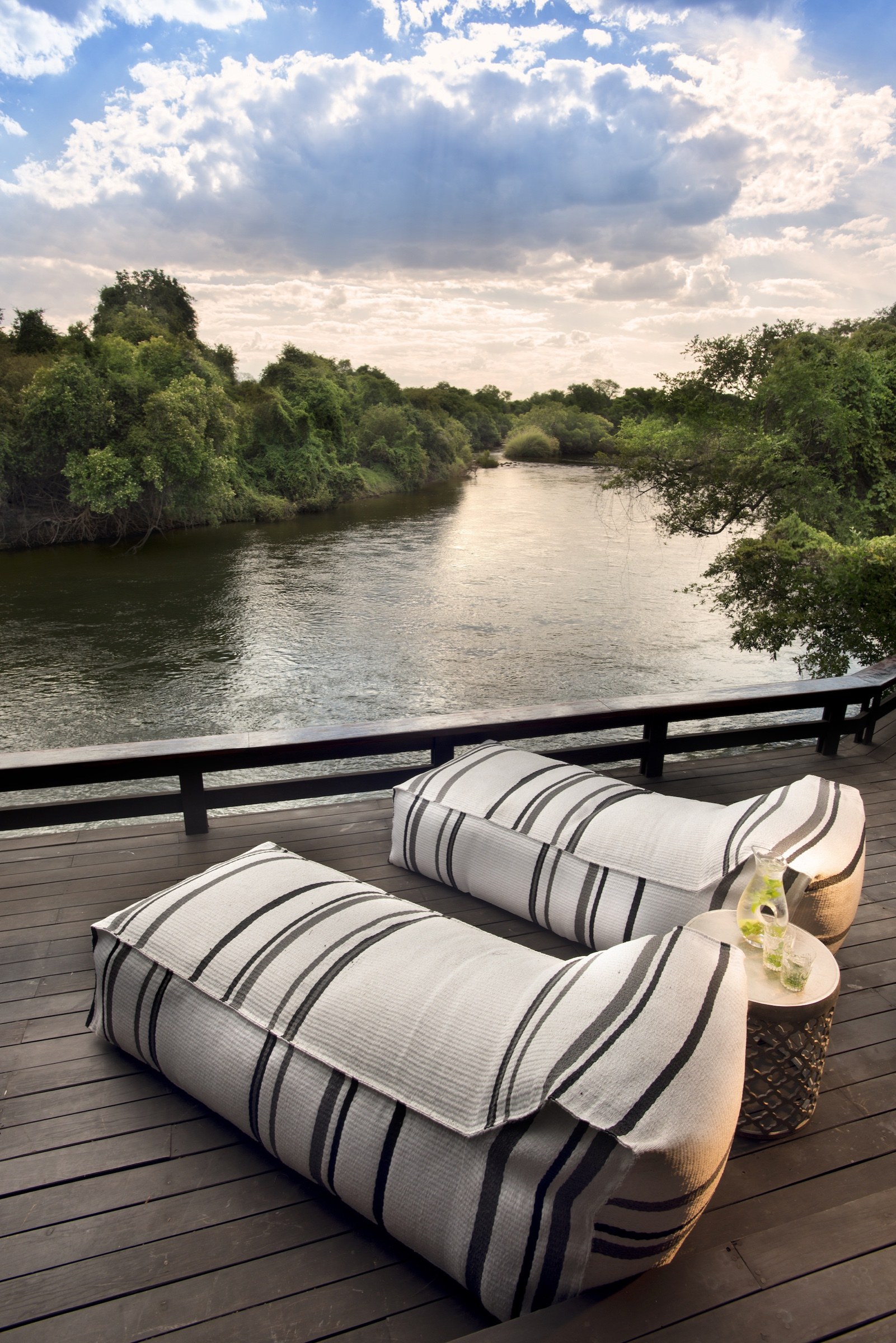
Livingstone provides access to the Zambian side of Victoria Falls, locally known as Mosi-oa-Tunya, The Smoke That Thunders. It can make a useful beginning or ending to a safari, allowing time beside the Zambezi between flights and wildlife areas.

The Falls are seasonal. High water can bring powerful spray and restrict visibility, while lower water changes the appearance of the Zambian side considerably. Viewing conditions and river activities need to be considered together. We do not promise the same waterfall experience throughout the year.

Livingstone is also a living Zambian town, with businesses, guides, artists and community life beyond the Falls. River experiences and adventure activities are available through specialist operators; suitability and operating conditions vary. Time here should reflect your interests rather than function as a compulsory waterfall stop.

Cushioned seats and a small table on a wooden deck overlooking a tree-lined river
Livingstone setting · Time beside the river

Livingstone’s people and enterprise

Culture with Context
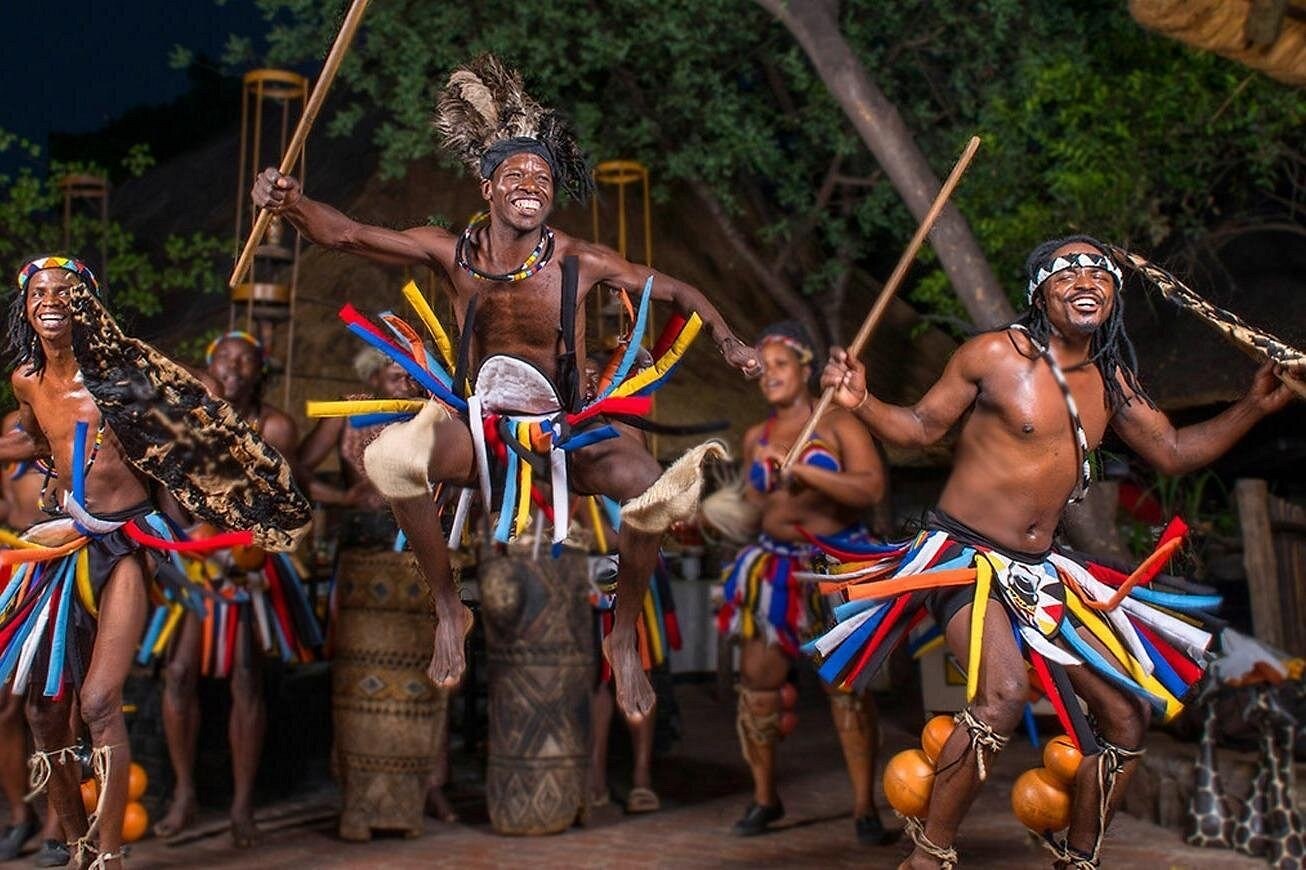
A dance performance can be part of a visit when it is shared with context by the performers and hosts. Understanding what is being presented, who organises the experience and how participants are paid matters more than describing it as an attraction.

We favour locally hosted encounters that respect people’s time, consent and work. Ask before photographing individuals. Community-linked activities should involve willing participants and a clear economic relationship, without turning daily life or hardship into entertainment.

Dancers performing with drums in Livingstone, Zambia
Livingstone · Dance and local context

Location and guiding before a lodge name

Where You Stay Matters
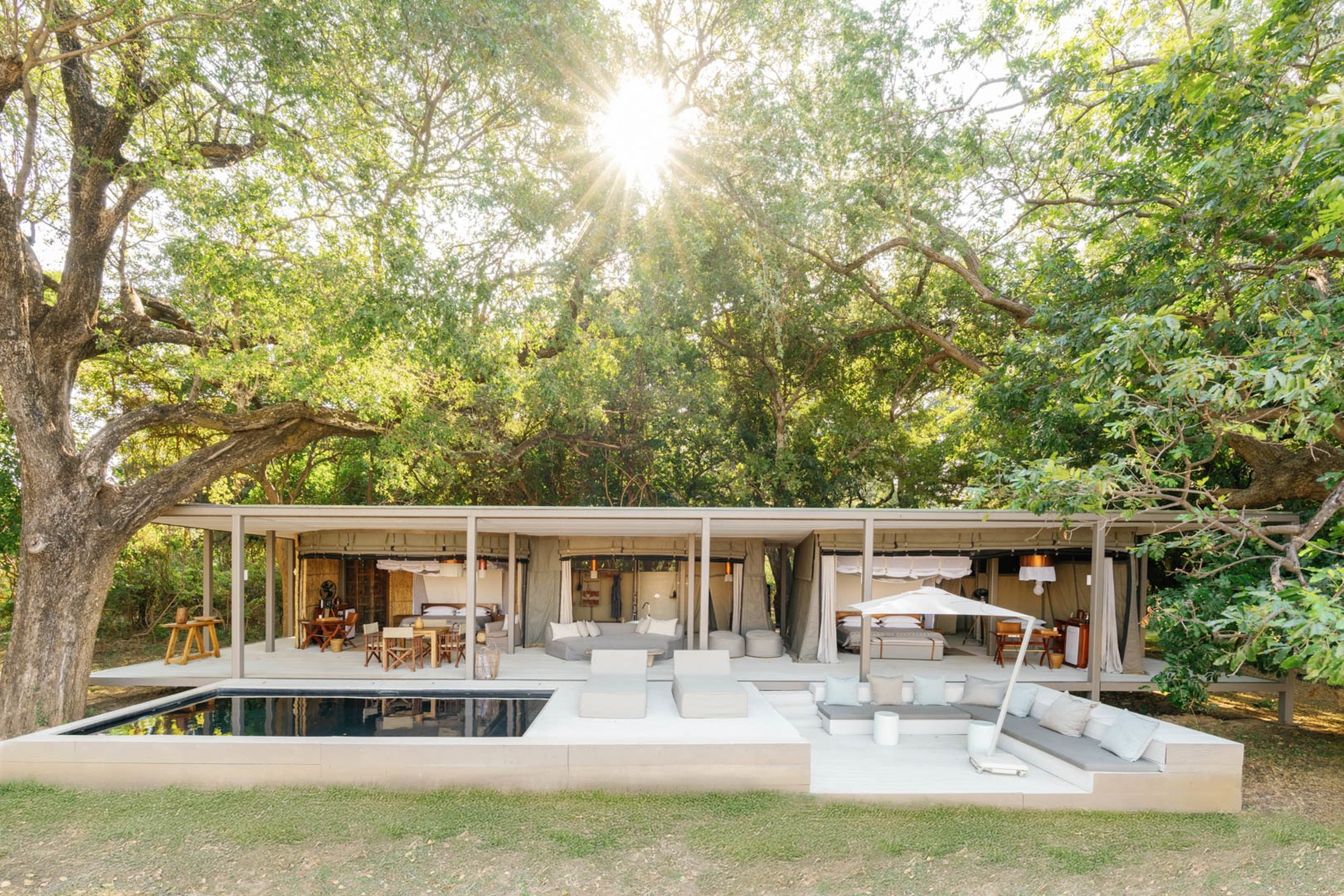
Established safari lodges, small seasonal bush camps, walking-focused camps and river camps deliver different experiences. Contemporary luxury properties can offer greater space and facilities, while a smaller bush camp may bring you closer to a particular area and its daily rhythm.

Camp selection changes your safari significantly. Where you sleep affects how far you travel before the first sighting, which habitats you can explore and what activities are possible. A river view alone does not tell you whether boating or canoeing is included.

We select camps around location, guiding, wildlife access, atmosphere, service, inclusions and season. Your preferences matter too: how much you want to walk, whether air conditioning is important, how you feel about open camp environments and how much time you want away from a vehicle. A luxury Zambia safari should be comfortable in the ways that matter to you.

Luxury safari accommodation beneath large trees in Zambia
Zambia · Location and comfort

First-hand knowledge

Why Zambia Is Personal to Us

Zambia is a destination I know beyond the itinerary. Having worked within Zambia’s safari industry and spent time on the ground in South Luangwa, I have seen how much the quality of a Zambia safari depends on the camp, guide, season and location you choose.

Two properties can be only a short distance apart and still deliver very different experiences. That is why we build Zambia journeys around what a traveller actually wants to experience rather than simply connecting famous lodge names.

Zannon James
Founder, Mason & Wild

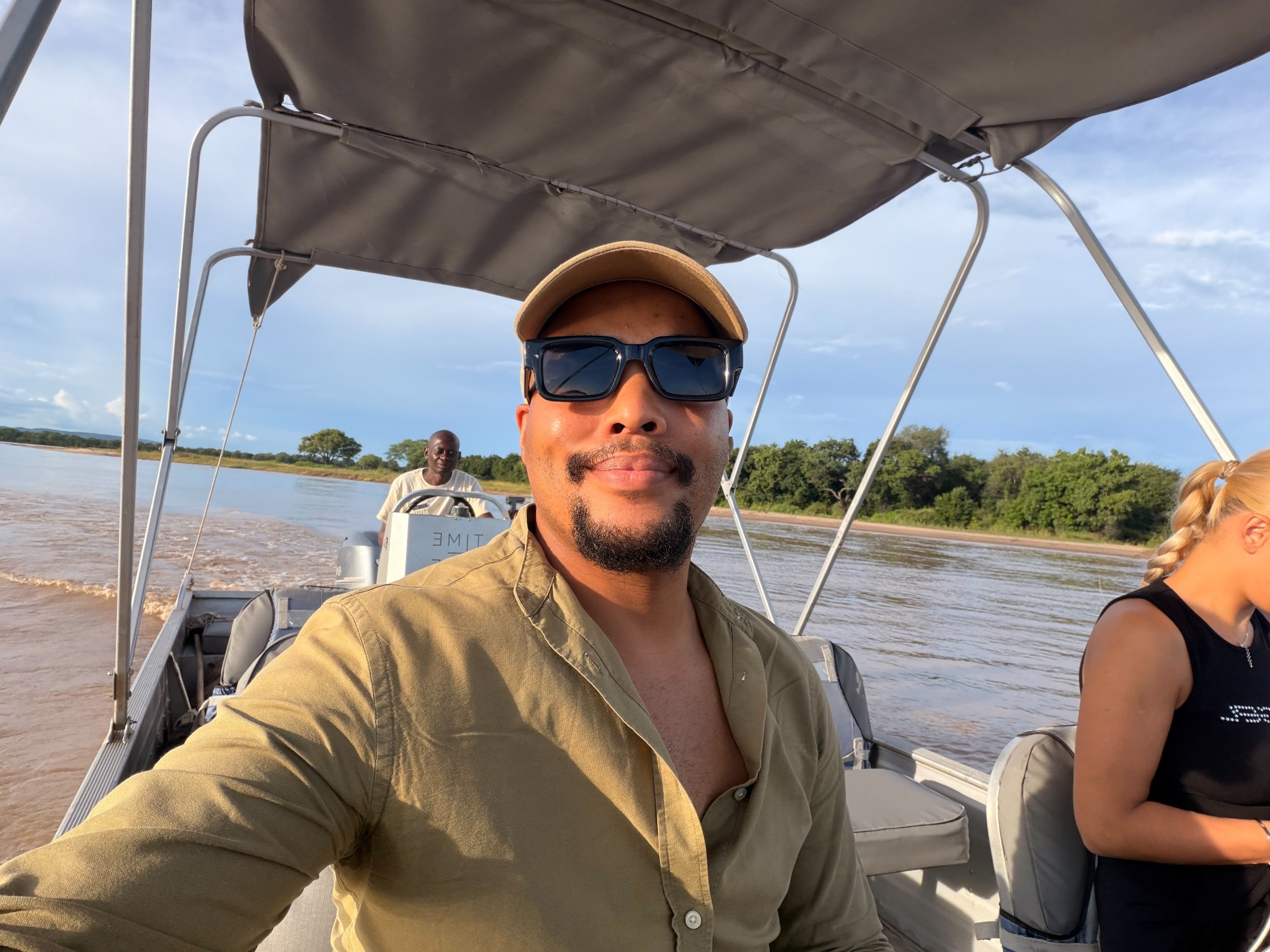
Zannon James on a boat safari in South Luangwa, Zambia
Zannon James · South Luangwa

Season shapes the safari

When Is the Best Time to Visit Zambia?

The best time depends on the region and the experience you want. Broadly, the dry season develops from around May towards October, while the wetter emerald or green season generally falls around November to April. The edges vary with rainfall, location and access.

Dry conditions usually concentrate wildlife around permanent water and make viewing easier as vegetation thins. Demand is strongest in many safari areas during this period. Early mornings can be cool in the winter months; later dry-season days can be hot, so walking plans and your tolerance for heat matter.

The green season brings lush landscapes, dramatic skies, migrant birdlife and newborn animals in some areas. It can be rewarding for photography and a different reading of the valley, but activities and access change. Some established lodges operate through the rains while remote bush camps may close.

Walking conditions, boating opportunities and camp operations differ by region and water level. Victoria Falls follows its own river cycle, which does not simply mirror the best safari months. We match the route to current camp information and your priorities rather than selecting a month in isolation.

First safari
Dry-season wildlife concentration; choose camps and pacing before dates alone.
Walking safari
Dry conditions often suit walks; confirm vegetation, heat and each camp’s programme.
Photography
Dry season for clearer viewing; green season for skies, colour and a different landscape.
Lower Zambezi
Match land and water activities to river level, access and the selected camp.
Green season
Consider suitable operating lodges; expect changes to access and activity mix.
Victoria Falls
Choose water level and viewing priorities separately from safari season.
Repeat safari travellers
Consider Kafue or a specialised route when the season and available time suit.

Allow time within each area

How Long Do You Need in Zambia?

Four nights can work for one safari area, although it is a compressed visit once transfers are considered. If you have only this much time, concentrating on a single camp or region usually makes more sense than connecting multiple parks.

Six to eight nights can support a strong two-area safari when flights and transfers align. Nine to twelve nights allow a more generous combination of South Luangwa, Lower Zambezi and Livingstone, or extra depth in the two safari areas.

Longer journeys can bring Kafue into the route or combine Zambia with neighbouring destinations. These are planning ranges, not rigid rules. International arrival times, internal connections, rest days and your interest in walking or photography should shape the final length.

Inspiration frameworks, privately designed

Three Ways to Shape a Zambia Safari

Classic Zambia: Livingstone + South Luangwa. Begin or finish with the Zambezi and Mosi-oa-Tunya, then give the Luangwa Valley enough time for game drives and guided walks. A useful introduction when safari and the Falls both matter.

Zambia by Land and Water: South Luangwa + Lower Zambezi. Combine predator viewing and walking with boating, guided canoeing and river-focused wildlife. The contrast between the valleys is the purpose of this route.

Deeper Zambia: Kafue + South Luangwa + Lower Zambezi. For travellers with more time, add Kafue’s different habitats and, when conditions suit, the Busanga Plains. Connections and seasonal access determine the sequence.

These are starting points rather than fixed packages. Camps, activities and time in each place are selected for the traveller. Zambia can also combine with Botswana, South Africa or a carefully planned Mozambique beach extension, provided the connections justify the extra travel.

Honest advice before a recommendation

LGBTQ+ Travel in Zambia

Zambia can deliver exceptional safari experiences, but LGBTQ+ travellers should understand the legal and social context before travelling. Same-sex sexual activity is illegal under Zambian law and can carry serious penalties, including a long prison sentence. Public attitudes can be conservative.

For that reason, we approach Zambia differently from destinations such as South Africa. We work with trusted tourism partners, brief clients honestly before departure and recommend discretion with public displays of affection.

A professionally managed safari environment does not remove the wider legal context. We do not describe Zambia as broadly LGBTQ-friendly, promise safety or suggest that a private itinerary can override local law.

Mason & Wild will give you the information needed to decide whether Zambia is the right destination for you. If the context does not suit your comfort level, we will discuss alternatives. Travel laws and official advice can change. Check current government travel advice before departure.

For the wider destination context, read our LGBTQ+ Africa travel guide.

Local participation and lasting value

Tourism, Conservation and Zambia’s Wild Places

Safari tourism contributes economically to wildlife areas through park fees, guiding, hospitality, employment and the supply of goods and services. Some operators also support conservation programmes and community-linked tourism initiatives, but their models and commitments differ.

Local communities are stakeholders and participants in these landscapes. Employment, locally owned enterprises and a meaningful role in decisions matter alongside wildlife protection. We look at what an operator actually does and how it can explain that work, rather than treating a conservation statement as evidence on its own.

The choice of camp can influence where tourism income goes. Ask who is employed, how local businesses participate and which conservation activities are supported. Responsible travel depends on these practical relationships, not on assuming every lodge follows the same model.

Plan the connections as carefully as the safari

Practical Zambia

Getting there: Lusaka is a principal international gateway, while Livingstone can be useful for journeys including the Falls. The appropriate entry point depends on your wider route and current airline services.

Getting around: South Luangwa is commonly accessed through Mfuwe, followed by a lodge transfer. Other safari areas may involve scheduled light-aircraft services, charter flights or road transfers. Distances, baggage allowances, airstrip access and connection times need checking for the actual itinerary.

Currency: Zambia’s currency is the Zambian kwacha. Confirm payment arrangements with camps in advance, including what is prepaid, card acceptance and suitable cash for local spending. Do not assume cash machines are available in remote areas.

Language: English is used in tourism and is Zambia’s official language, alongside the many Zambian languages spoken in daily life. Your local guide brings knowledge of the place, its people and its natural history to the journey.

Safari style: Expect early starts, open vehicles, time outdoors and potentially unfenced camps. Walking and water activities are optional only where the itinerary and operator offer alternatives. Tell us about mobility needs and other requirements before camp selection.

What to pack: Lightweight neutral clothing, a warm layer for cool mornings, sun protection, comfortable closed walking shoes and a soft-sided bag are useful starting points. Follow the camp’s walking advice and the airline’s current baggage limits.

Entry and health requirements vary by nationality and can change. Confirm current requirements before travel, consult a qualified travel-health professional and arrange insurance appropriate to your route and activities.

Before selecting properties, read our complete safari planning guide and how to think about safari costs. The Safari Planning hub brings these decisions together.

Useful answers

Frequently asked questions about Zambia

Is Zambia good for a first safari?

Yes, with a well-chosen route and camps. South Luangwa can provide a strong introduction to wildlife viewing and guiding, while Lower Zambezi adds land and water activities. First-time travellers should discuss their comfort with walking, open vehicles and remote camps before booking.

What is Zambia best known for on safari?

Zambia is particularly known for professionally guided walking safaris, South Luangwa’s predator viewing and Lower Zambezi’s combination of game drives and river activities. Kafue and the Busanga Plains add another wilderness setting, while Livingstone provides access to Mosi-oa-Tunya.

Is South Luangwa good for leopard sightings?

South Luangwa is well known for rewarding leopard viewing. Camp location, the guide’s knowledge, season and time in the area all matter. Sightings are never guaranteed, so allow several safari days rather than expecting a particular animal on arrival.

What is a walking safari in Zambia?

A walking safari is a professionally guided exploration of a wildlife area on foot. It draws attention to tracks, plants, insects, animal behaviour and ecological relationships. Walks can range from a few hours from camp to a more immersive walking-focused itinerary.

Is a walking safari safe?

Walking safaris are conducted by trained professionals using route assessment, guest briefings and required escort arrangements. Wildlife is present and risk cannot be eliminated. Follow your guide’s instructions, and check the camp’s fitness expectations, age policies and suitability before committing.

What is the difference between South Luangwa and Lower Zambezi?

South Luangwa combines predator viewing, game drives and a strong walking safari tradition around the Luangwa River and lagoons. Lower Zambezi adds a more central river programme, with boating, guided canoeing and other water activities where offered. The two areas work well together because their experiences differ.

When is the best time to visit Zambia?

The dry season, broadly around May to October, often offers easier wildlife viewing and good conditions for many safari programmes. The wetter green season brings different landscapes and birdlife, but access and camp operations vary. Choose dates around the region, activities and current conditions.

How many nights do I need in Zambia?

Four nights can work for one safari area. Six to eight nights may allow two areas with efficient connections, while nine to twelve nights offers more space for South Luangwa, Lower Zambezi and Livingstone. Add time for Kafue or international combinations rather than rushing the route.

Can I combine Zambia with Victoria Falls?

Yes. Livingstone provides access to the Zambian side of Victoria Falls, Mosi-oa-Tunya, and can begin or end a Zambia safari. Falls visibility and river activities change with water levels, so the experience needs to be matched to the season.

Is Zambia suitable for LGBTQ+ travellers?

Suitability depends on the traveller’s understanding of, and comfort with, the legal and social context. Same-sex sexual activity is illegal in Zambia and can carry serious penalties. Trusted tourism partners do not remove that risk. We brief clients honestly, recommend discretion and discuss alternatives when Zambia does not feel appropriate.

Read current official advice on the legal and social context

Zambia · Private journey design

Build Your Zambia Safari

Tell us how you like to travel and we will design the Zambia journey around the season, camps and experiences that suit you.

Start PlanningExplore The Untamed

Mason & Wild Luxury Safaris
Private African travel, thoughtfully designed.

Private enquiries are reviewed personally. Your details are handled with discretion and used only to understand whether Mason & Wild is the right fit for your journey.

The Quarterly Journal

Receive the next issue when it publishes.

By submitting this form, you agree that Mason & Wild may process your personal information to respond to your enquiry and manage related communications in accordance with our Privacy Policy.