

Mozambique · Ocean and wilderness
Its coastline stretches for thousands of kilometres, with islands, reefs, mangroves, sandbanks, traditional dhow routes and warm tropical water.
But inland, Mozambique tells another story.
Gorongosa National Park has become one of Africa’s most significant wildlife restoration projects. After conflict devastated many of the park’s large mammal populations, decades of conservation work have rebuilt wildlife numbers, restored predators and turned Gorongosa into a powerful example of what ecological recovery can look like when conservation, science and community development are pursued together.
That means Mozambique can offer something far more interesting than a conventional beach extension.
A journey can move from elephants, lions and floodplains in Gorongosa to coral reefs, dolphins, dugongs, dhow sails and white-sand islands in Bazaruto.
Few countries in Africa offer that contrast so naturally.
In the south and centre, the Bazaruto Archipelago is the country’s best-known luxury island destination.
Around Vilanculos, boats cross turquoise water towards Benguerra and Bazaruto while coral reefs, dolphins, turtles and dugongs form part of a remarkable marine ecosystem.
Further north, the Quirimbas Archipelago carries a different cultural and historical character, although travel to parts of northern Mozambique requires careful assessment because of security conditions in Cabo Delgado.
At Mason & Wild, we treat Mozambique as a destination in its own right.
We consider the ecosystem, island, season, wildlife experience, access, marine activities, privacy and type of journey you actually want before deciding where you should stay.
Last reviewed:
Reviewed by Zannon James, Founder of Mason & Wild
Mozambique · Journey intelligence
Why Travel to Mozambique?
Mozambique offers something fundamentally different from many of the safari destinations surrounding it.
Indian Ocean Islands
White sand, warm water, dunes, reefs and remote islands define many of the country’s strongest coastal experiences.
The Bazaruto Archipelago
One of Southern Africa’s most important marine destinations, combining island lodges with reefs, dunes and protected marine habitats.
Marine Wildlife
Mozambique’s waters support turtles, dolphins, rays, sharks, seasonal whales and an important dugong population in the Bazaruto region.
Diving and Snorkelling
Warm Indian Ocean water and reef systems create opportunities for experienced divers and travellers who simply want to snorkel.
Dhow Culture
Traditional sailing vessels remain part of the visual and cultural identity of the Mozambican coast.
A Remarkable Wildlife Recovery Story
Mozambique’s safari industry remains much smaller than those of neighbouring South Africa, Botswana, Zambia or Zimbabwe.
That is part of what makes Gorongosa compelling.
This is not a polished safari ecosystem built around decades of high-volume tourism.
It is a living conservation story.
Following catastrophic wildlife losses during Mozambique’s civil war, Gorongosa has undergone one of Africa’s most ambitious ecological restoration programmes.
Wildlife populations have increased dramatically, predators have returned, species have been reintroduced and the park has become an important centre for conservation science.
For travellers interested in more than simply ticking animals off a list, Gorongosa offers the opportunity to experience conservation happening in real time.
Safari + Beach in One Country
Mozambique can deliver both wildlife and Indian Ocean relaxation without requiring the beach portion of the journey to belong to another country.
Honeymoons and Couples
Remote islands, small lodges and a slower pace make Mozambique particularly compelling for couples.
Mozambique · The Indian Ocean
The Bazaruto Archipelago
Mozambique’s Great Indian Ocean Escape
The Bazaruto Archipelago lies off the coast of Vilanculos in Inhambane Province.
It includes Bazaruto, Benguerra, Magaruque, Santa Carolina and Bangué islands within the wider protected marine landscape.
The archipelago is one of the places where Mozambique becomes instantly recognisable.
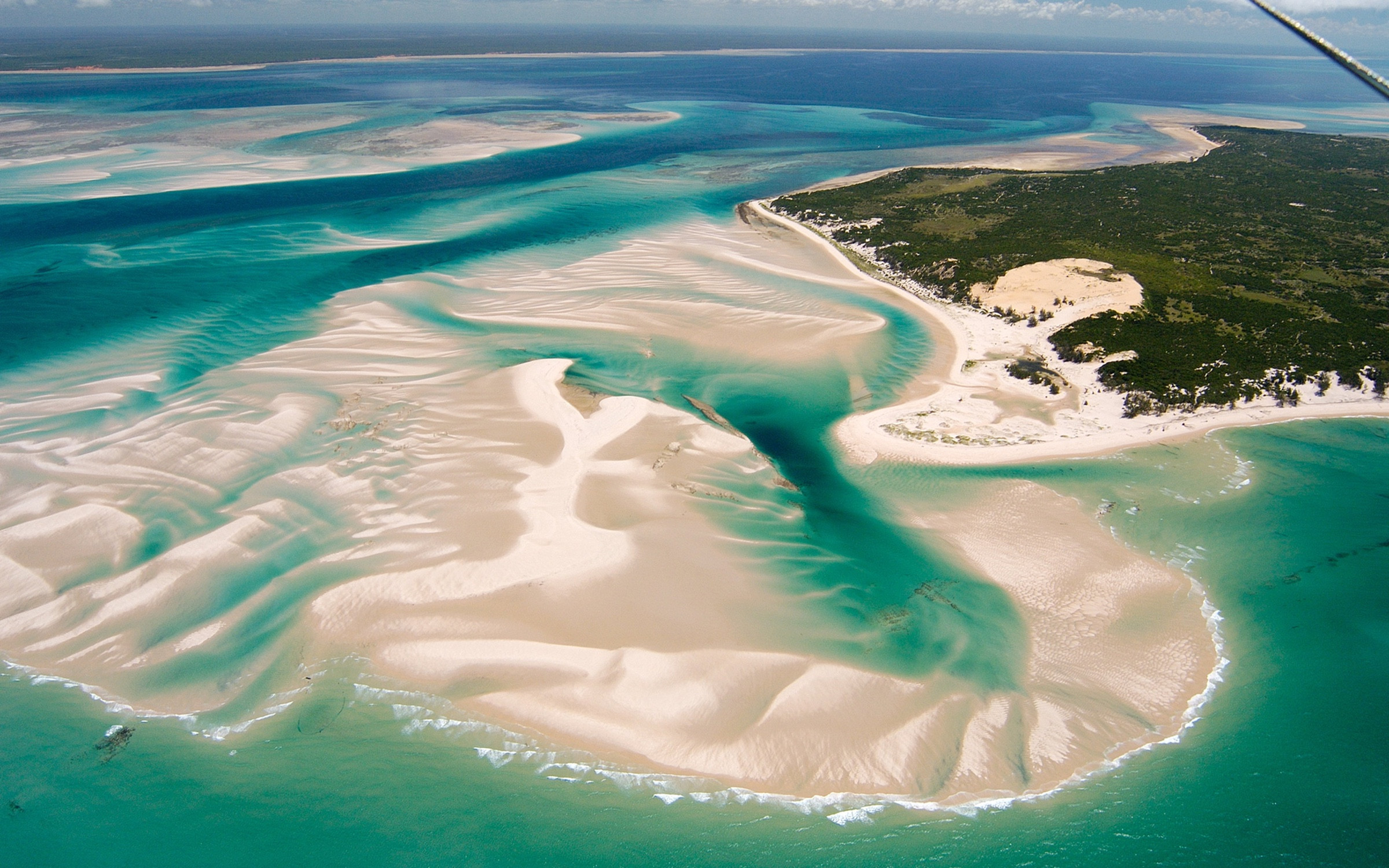
Huge pale dunes rise behind turquoise water.
Sandbanks appear and disappear with the tide.
Traditional boats move between islands.
Offshore, coral and marine habitats support an extraordinary range of life.
This is not simply a beach where luxury lodges happen to have been built.
The ecosystem is the destination.
For most first-time luxury travellers to Mozambique, Bazaruto is where we start.
Mozambique · The Indian Ocean
Benguerra Island
Intimate, Romantic and Easy to Combine With Safari
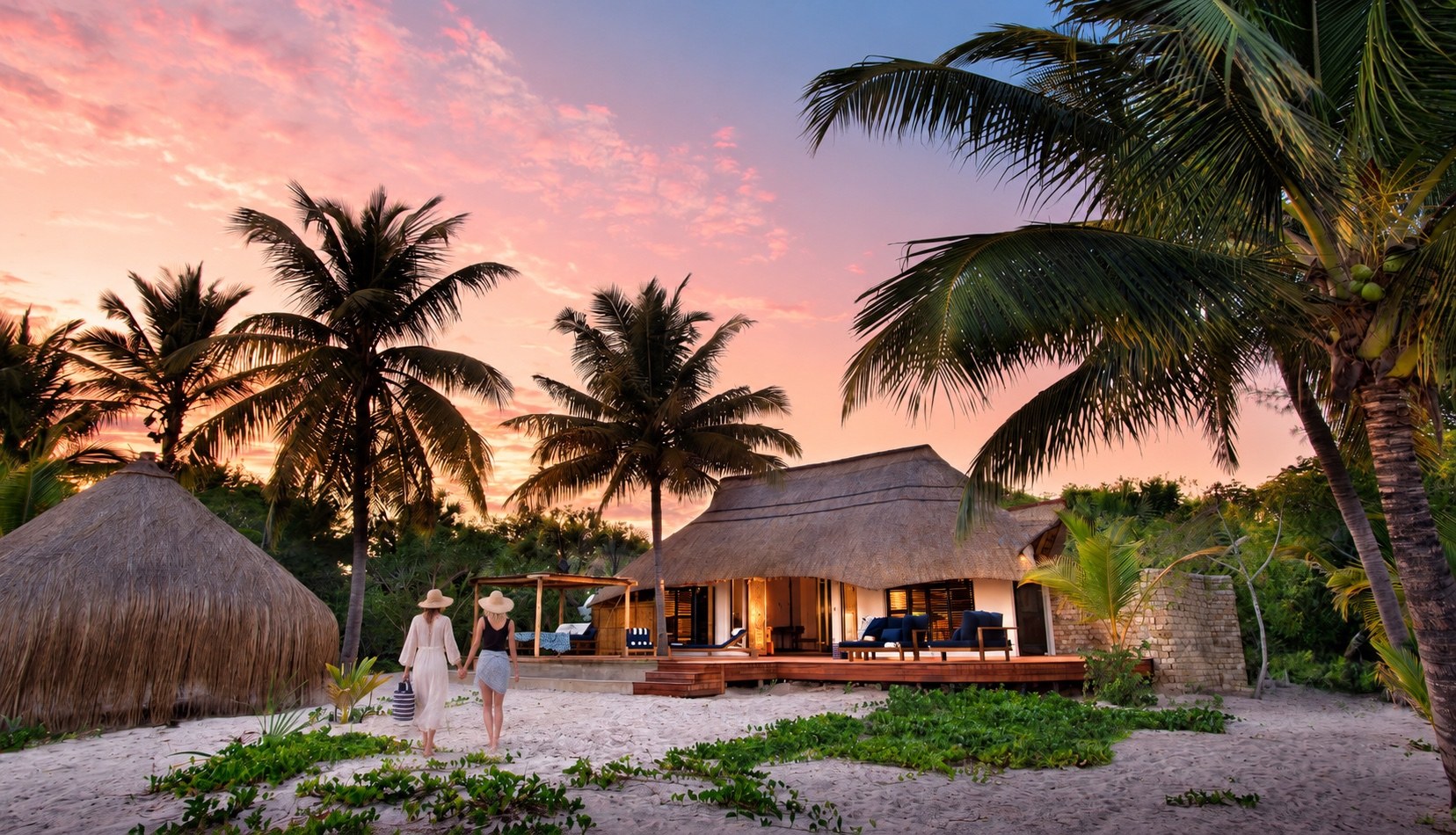
Benguerra is one of the strongest choices in Mozambique for couples and honeymooners.
The island combines long beaches, freshwater lakes, dunes, woodland and easy access to the surrounding marine environment.
Depending on where you stay, days might include:
- snorkelling
- scuba diving
- dhow sailing
- island picnics
- deep-sea fishing
- beach walks
- sunset cruises
- spa treatments
- kayaking
- horse riding
- private dining
But the best part of Benguerra is often the pace.
There is enough to do without feeling pressured to do anything.
That balance makes it particularly valuable after an intensive safari.
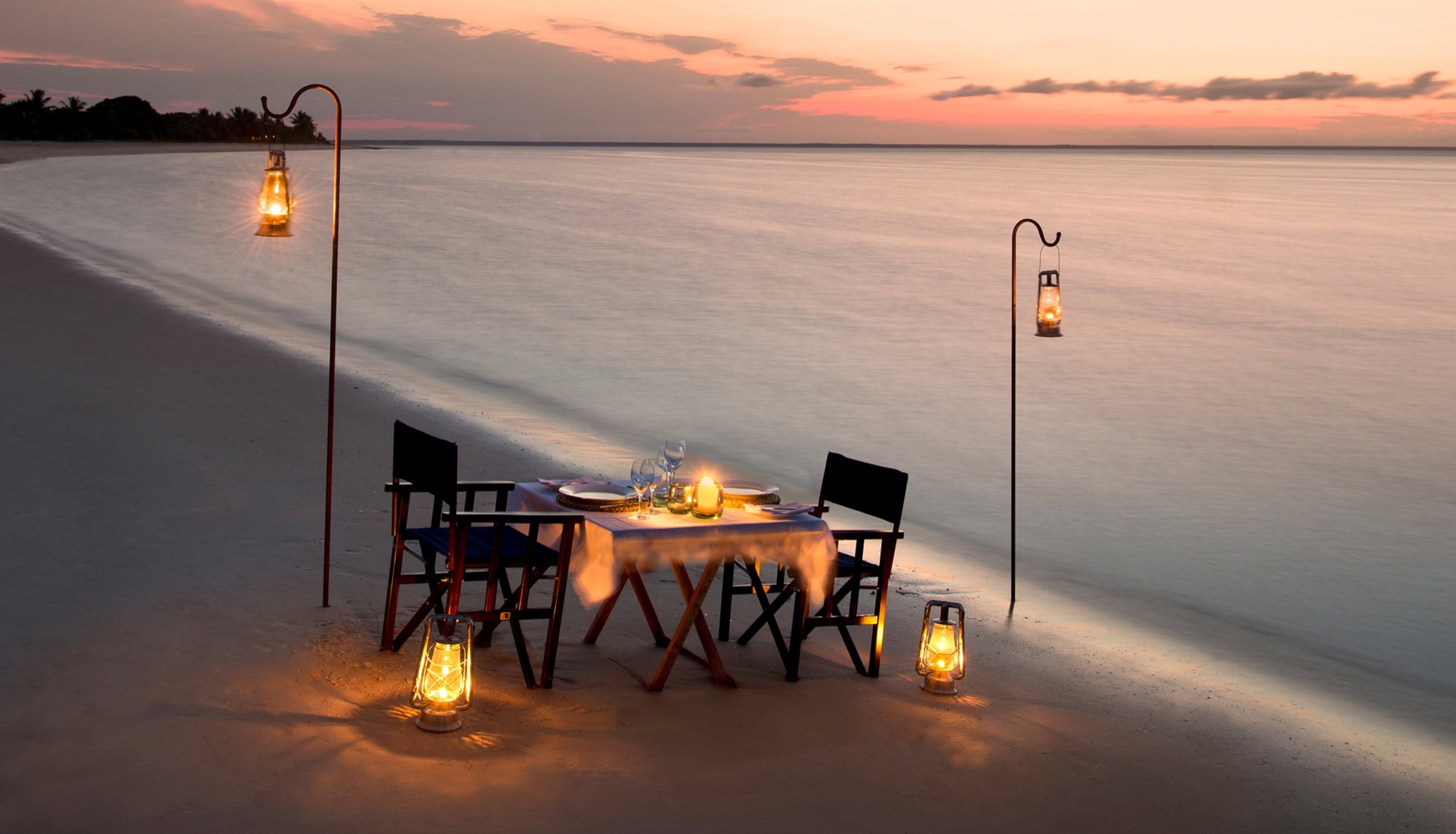
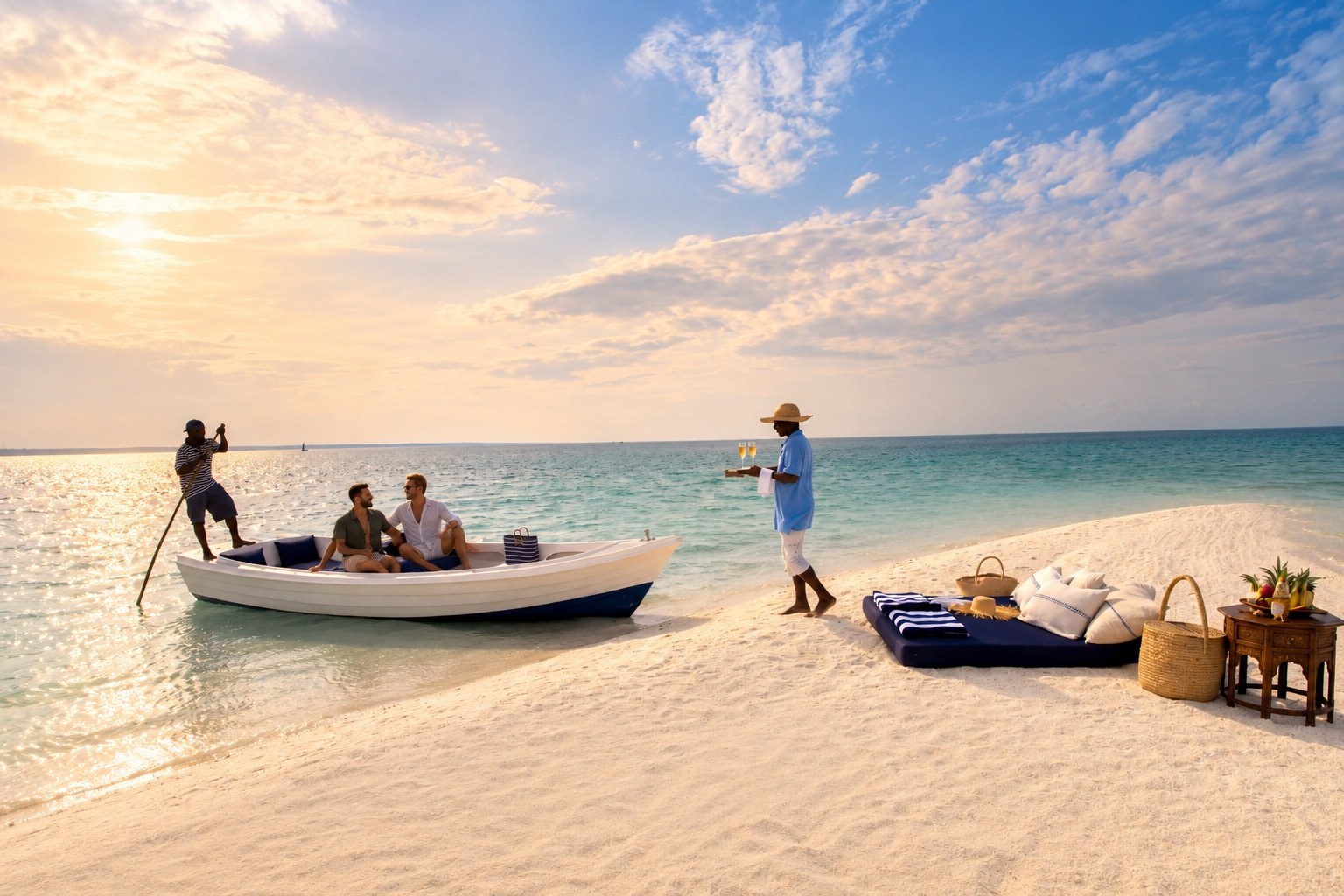
You can spend the morning on the water, the afternoon beside your pool and the evening with dinner on the beach without feeling that you are missing the destination.
Mozambique · The Indian Ocean
Bazaruto Island
Bazaruto is the largest island in the archipelago and has a noticeably different scale from Benguerra.
Its most striking features are often its immense dunes and the contrast between pale sand, blue water and interior vegetation.
For travellers who want dramatic landscapes alongside marine activities, Bazaruto can be exceptional.
The island also sits within a protected marine ecosystem created in part to conserve dugongs and sea turtles.
Rather than choosing between Bazaruto and Benguerra based solely on which lodge looks more luxurious online, we consider:
- atmosphere
- room style
- privacy
- beach quality
- activities
- access
- food
- family suitability
- honeymoon experience
- diving priorities
- overall trip flow
The island should fit the traveller, not the other way around.
Mozambique · The Indian Ocean
Vilanculos
Gateway to the Bazaruto Archipelago
Vilanculos is the main mainland gateway to the Bazaruto islands.
It has an airport, beach hotels, restaurants and access to boat and air transfers into the archipelago.
For some travellers, Vilanculos is simply the point where the journey changes from aircraft to boat or helicopter.
For others, it can be worth staying.
The mainland offers a more grounded view of coastal Mozambique, with local life, fishing boats, markets and the movement of people between shore and islands.
It can also work well for travellers who want access to the Bazaruto marine environment without committing to the cost of an island lodge for the entire stay.
For a high-end honeymoon or short post-safari beach extension, however, we generally prefer going directly onto one of the islands when budget and logistics allow.
Firsthand Knowledge
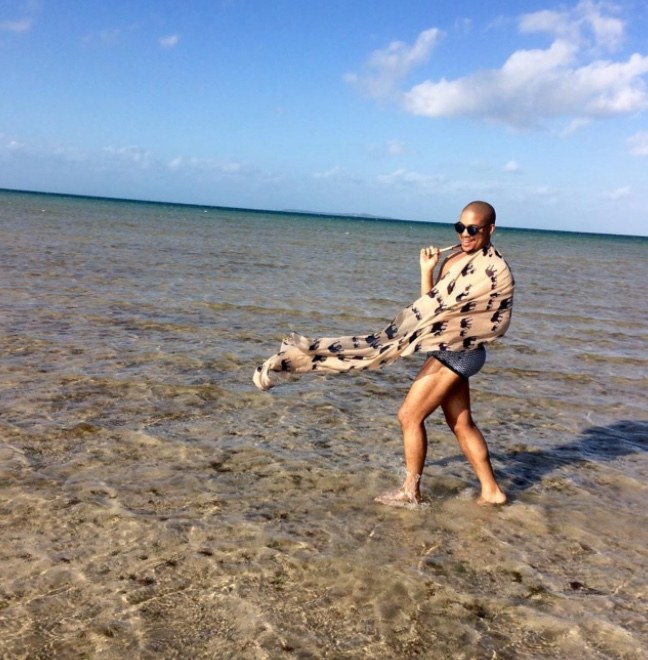
Our Experience in Vilanculos
Mason & Wild’s recommendations are shaped by first-hand travel across the destinations we sell.
Founder Zannon James has personally travelled in Vilanculos and experienced Mozambique’s coastline and the gateway to the Bazaruto Archipelago directly.
That first-hand knowledge helps us make better decisions about where travellers should stay, how transfers work in practice, how much time is worth spending on the mainland, and when it makes more sense to continue directly to the islands.
Mozambique · The Indian Ocean
Marine Life in Bazaruto
Bazaruto’s marine ecosystem is one of the main reasons the region matters.
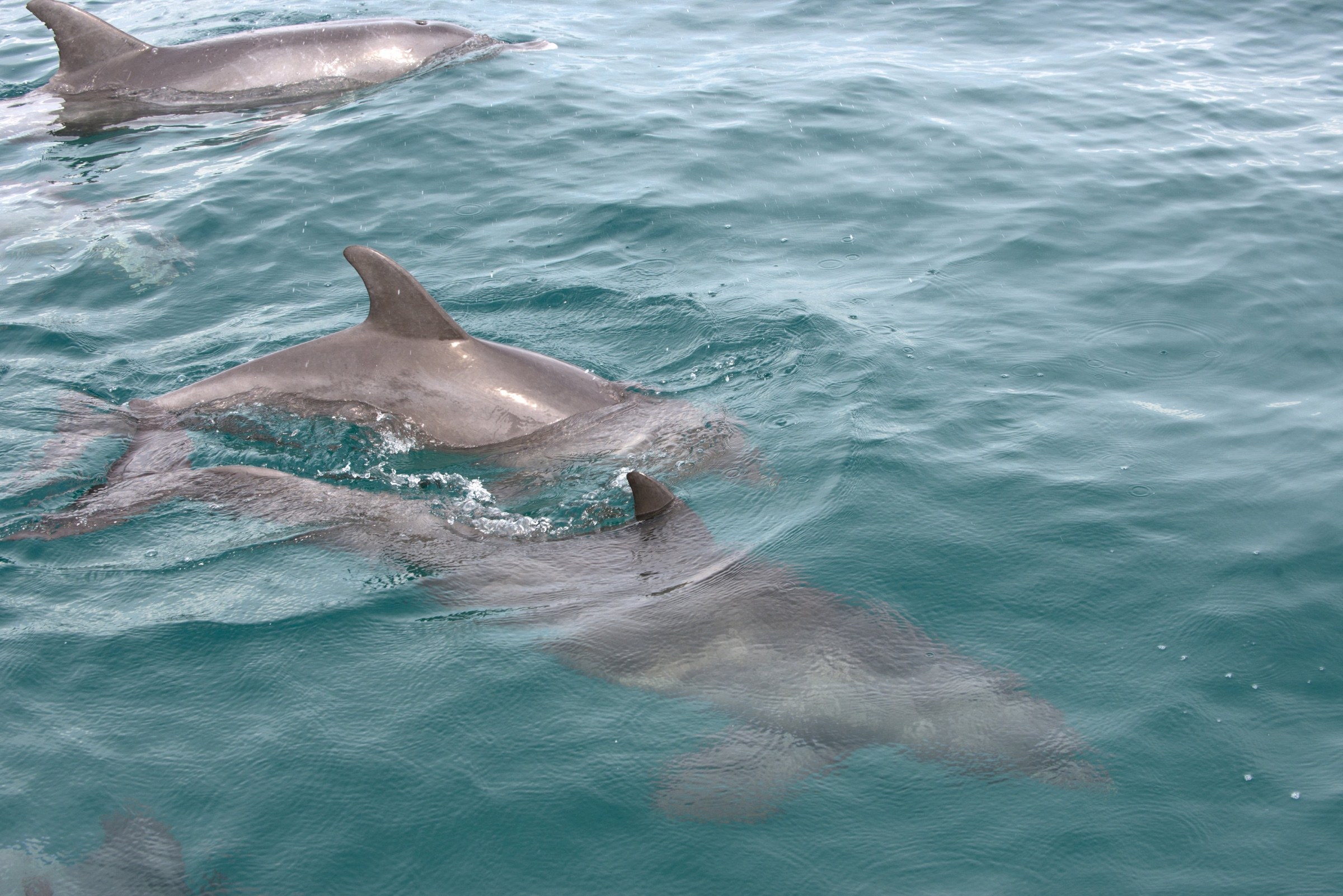
The archipelago supports marine turtles, manta rays, sharks, whales, dolphins, dugongs, extensive birdlife and coral environments.
The archipelago is particularly significant for dugongs.
These elusive marine mammals depend on seagrass habitats and are increasingly rare across much of their historical range.
Seeing one should never be treated as guaranteed.
Wildlife remains wildlife.
But knowing that they still inhabit these waters adds another level of significance to the region.
Mozambique · The Indian Ocean
Diving in Mozambique
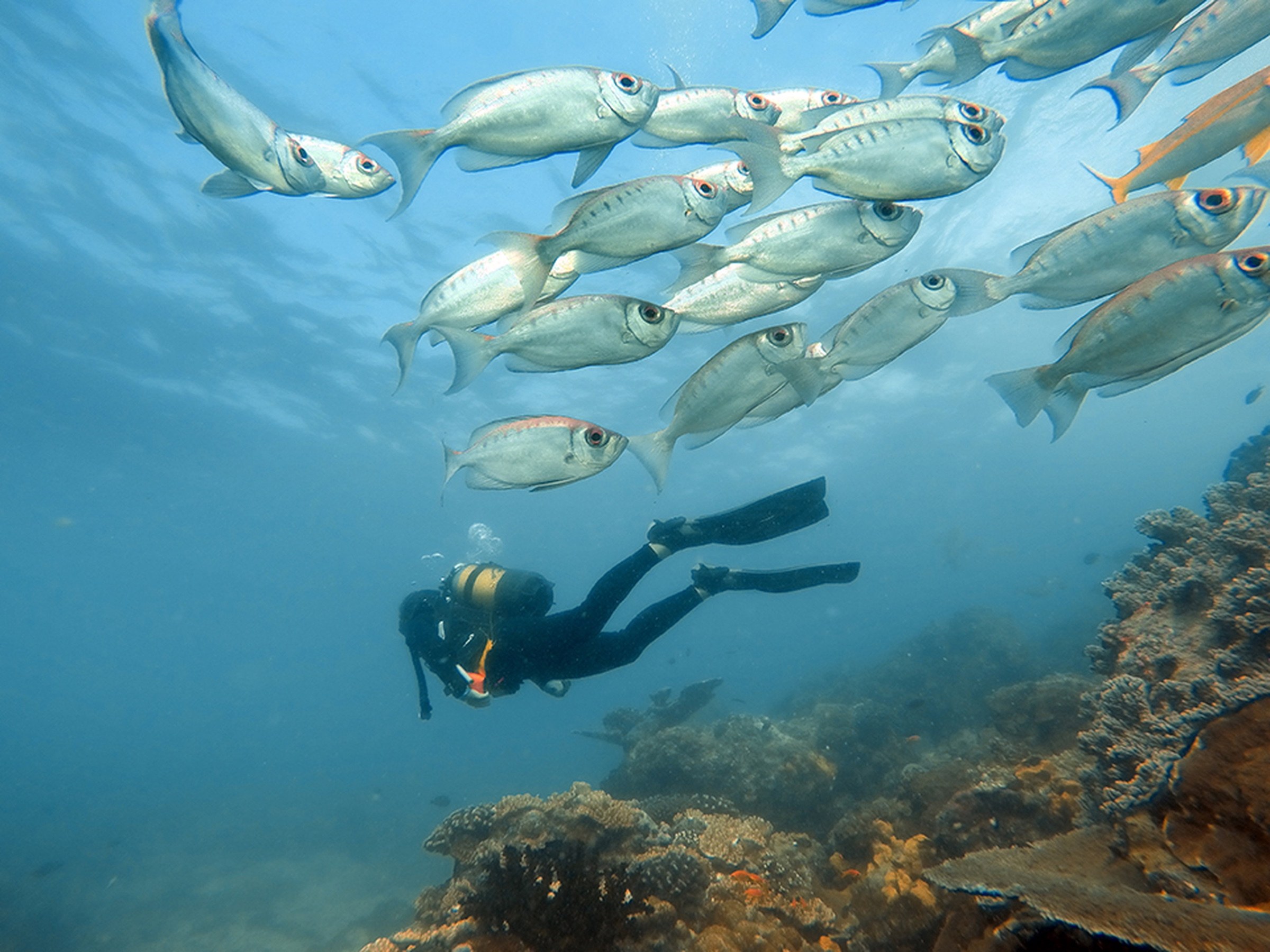
Mozambique has long attracted divers because of its warm water, marine biodiversity and access to reef systems.
Different areas suit different travellers.
Some sites are appropriate for experienced divers looking for deeper reefs and larger marine species.
Others work well for recreational diving or snorkelling.
Potential sightings may include:
- reef fish
- turtles
- dolphins
- rays
- reef sharks
- whale sharks in certain areas and seasons
- humpback whales seasonally
- large pelagic species
Conditions vary by season, location and weather.
We do not build a diving itinerary around a list of animals that cannot be guaranteed.
Instead, we first determine whether diving is central to the holiday or simply one activity among many, then choose the destination and property accordingly.
Mozambique · The Indian Ocean
Snorkelling in Mozambique
You do not need to be a scuba diver to appreciate Mozambique’s marine environment.
Many travellers experience the reefs entirely through snorkelling.
A good snorkelling trip can include:
- shallow reef systems
- tropical fish
- corals
- turtles
- clear-water lagoons
- sandbanks
- boat excursions
For families, honeymooners and travellers less interested in technical diving, this can be one of the easiest ways to experience the Indian Ocean.
Mozambique · The Indian Ocean
Whale Season in Mozambique
Humpback whales migrate through parts of the Mozambican coast during the Southern Hemisphere winter and spring.
Sightings are seasonal and vary by location.
In the right months, whales may be seen from boats and occasionally from shore or lodge viewpoints.
They should be treated as an extraordinary seasonal possibility rather than a guaranteed attraction.
For travellers specifically interested in whales, timing matters.
This is something we account for when choosing travel dates.
Mozambique · The Indian Ocean
Whale Sharks and Larger Marine Life
Mozambique is also associated with whale sharks and other large marine species, particularly in parts of the Inhambane coast.
Their presence is seasonal and unpredictable.
Marketing often turns wildlife possibilities into promises.
We do not.
A responsible itinerary should distinguish between:
- species that regularly occur in an ecosystem
- species that are seasonally present
- species that may be encountered
- species that can realistically form the centre of a trip
Wildlife experiences are better when expectations are accurate.
Mozambique · Wilderness and restoration
Safari in Mozambique
A Different Kind of Wildlife Journey
Mozambique is not usually the first country travellers think of when planning safari.
That can be an advantage.
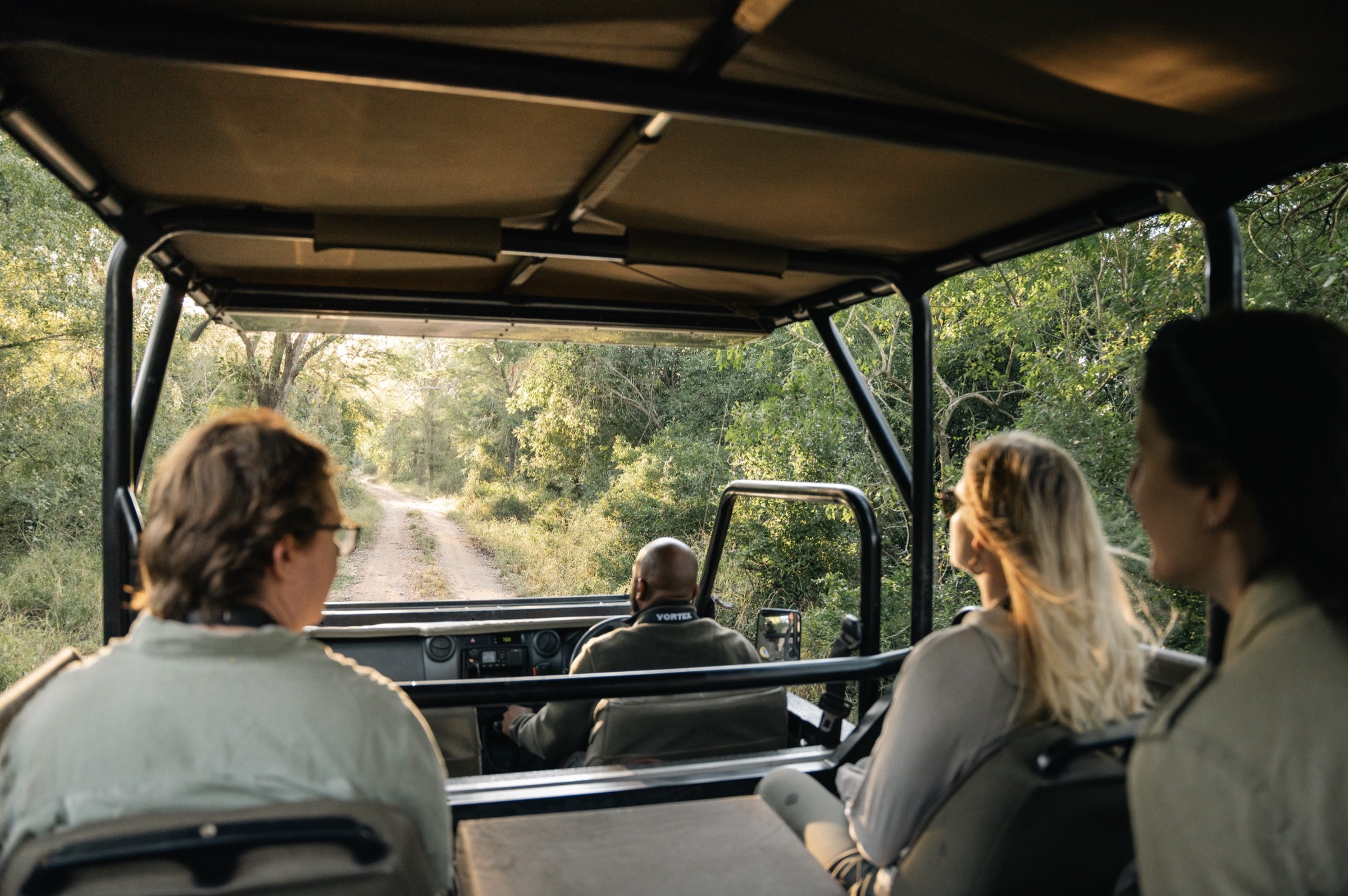
The safari experience here is not defined by the density of luxury lodges or by competing with dozens of vehicles at a sighting.
Instead, Mozambique’s strongest wildlife areas tell stories of recovery, ecological restoration and wilderness returning.
The country’s conservation network protects landscapes ranging from savanna and floodplains to miombo woodland, wetlands, mountains and coastal ecosystems.
For travellers who already know Africa well, Mozambique can therefore offer something refreshingly different.
You are not only looking at wildlife.
You are looking at what happens when an ecosystem is given the chance to recover.
Mozambique · Wilderness and restoration
Gorongosa National Park
One of Africa’s Great Conservation Comebacks
Gorongosa deserves its own place in the story of modern African conservation.
Before Mozambique’s civil war, the park was regarded as one of Africa’s great wildlife areas.
Conflict had devastating consequences.
By the first post-war aerial wildlife counts, populations of several large mammal species had collapsed.
In 2008, the Government of Mozambique and the Carr Foundation entered into a long-term public-private partnership to restore the park and support development in surrounding communities.
What followed was not simply wildlife reintroduction.
It became a much broader restoration programme incorporating:
- wildlife protection
- species reintroductions
- scientific research
- anti-poaching
- community development
- education
- conservation training
- human-wildlife coexistence
- restoration of ecological processes
The results have been extraordinary.
Modern aerial wildlife monitoring has recorded dramatic increases in large mammal populations.
But the real story is not simply that there are more animals.
It is that an ecosystem that came close to collapse is functioning again.
Mozambique · Wilderness and restoration
Wildlife in Gorongosa
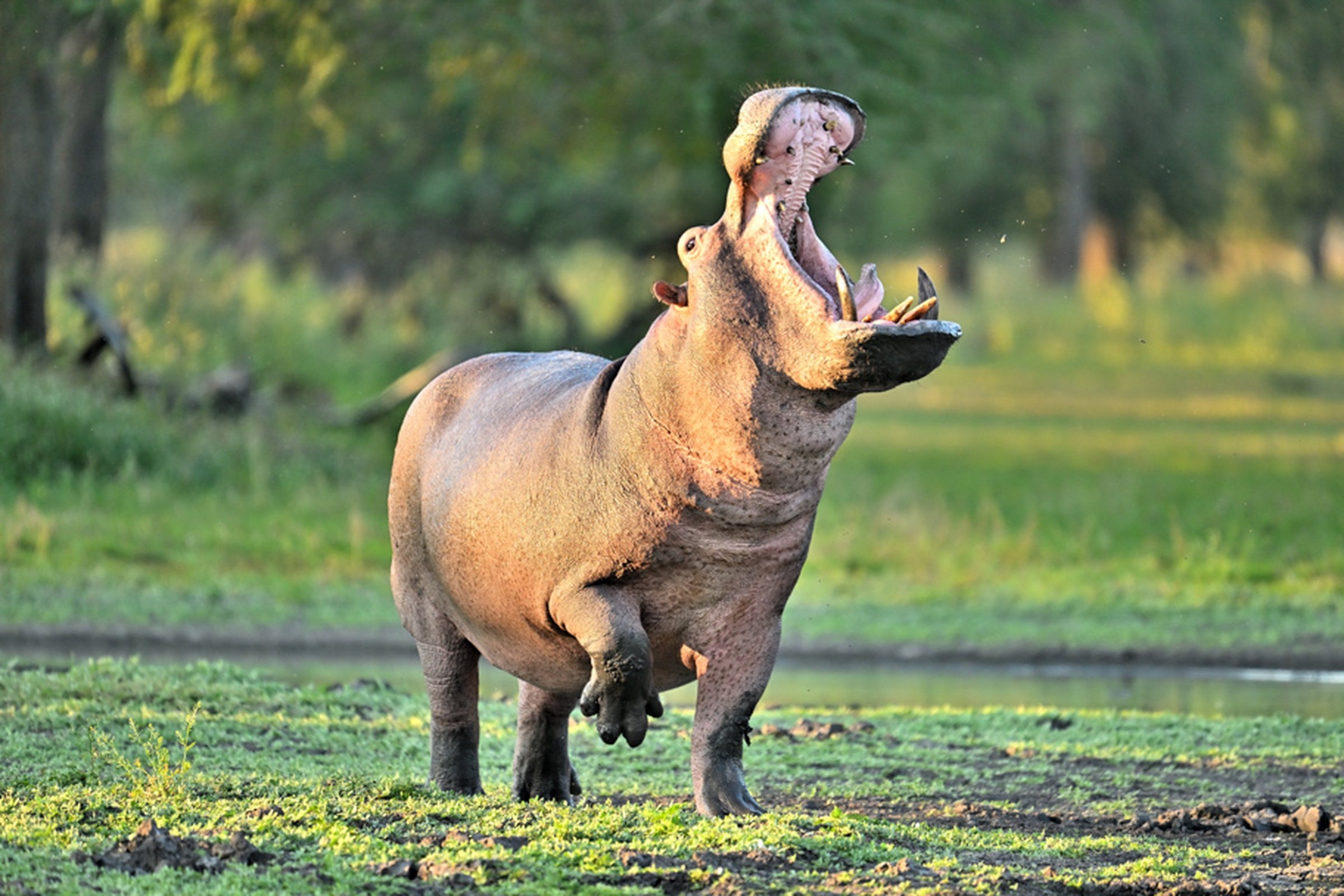
Gorongosa is particularly famous for enormous concentrations of herbivores across the floodplains around Lake Urema.
Waterbuck are one of the defining sights of the park, while impala, kudu, nyala, buffalo, hippo, elephant, warthog and other species occur across the landscape.
Predators are recovering too.
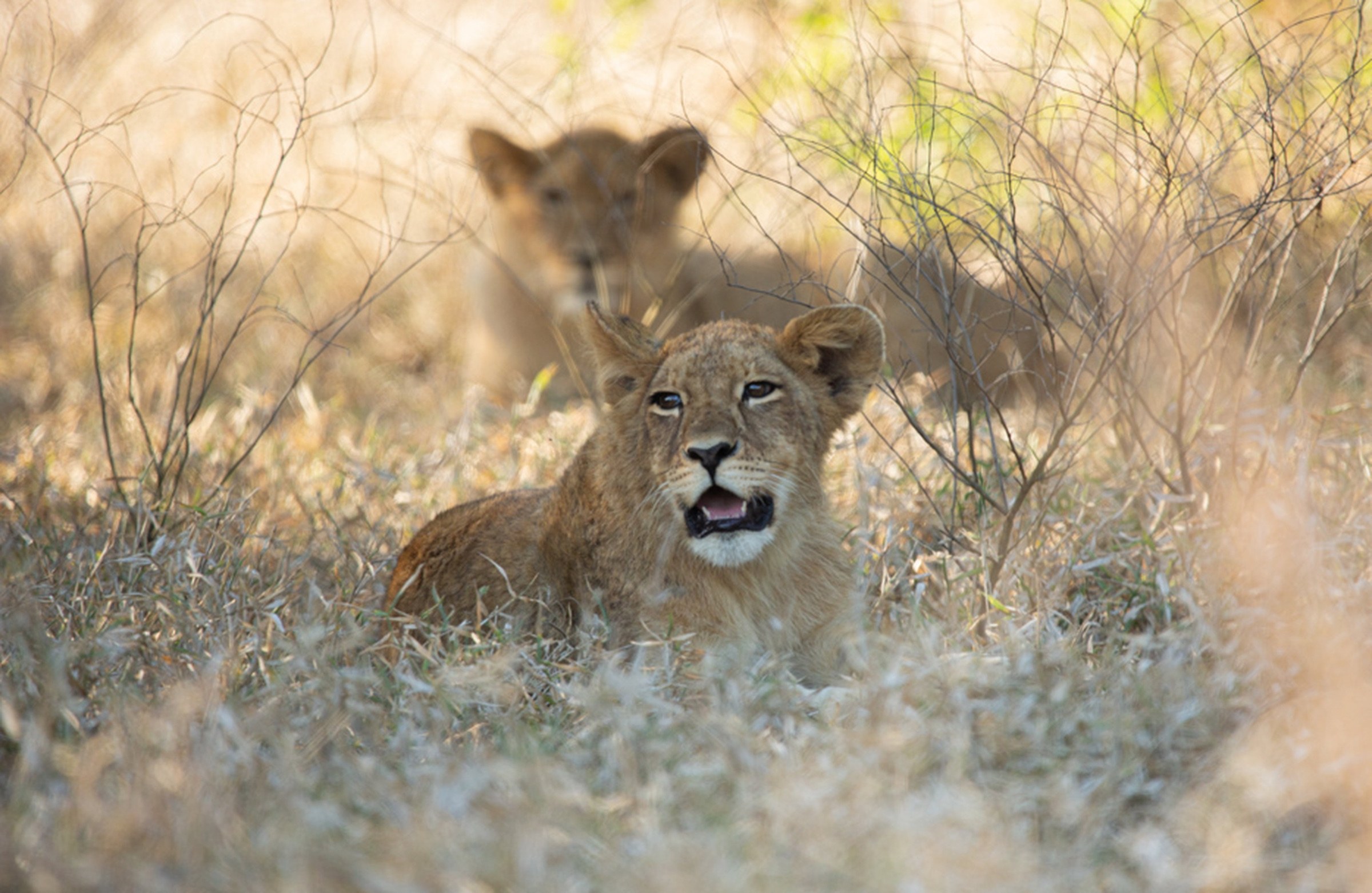
Gorongosa now supports lions, leopards, spotted hyenas and African wild dogs, also known as painted wolves.
The recovery of carnivores is particularly significant because predators were among the species hardest hit by the collapse of the ecosystem.
African wild dogs have been reintroduced.
Leopard restoration followed.
Hyenas have also been reintroduced as part of efforts to rebuild a more complete predator community.
This does not mean Gorongosa should be sold like the Greater Kruger.
It should not.
The appeal is different.
Mozambique · Wilderness and restoration
What Is a Safari in Gorongosa Like?
A Gorongosa safari is as much about landscape and ecology as individual sightings.
Game drives move through floodplains, palm woodland, fever-tree forests and areas surrounding Lake Urema.
Possible sightings include:
- lion
- elephant
- buffalo
- hippo
- crocodile
- African wild dog
- leopard
- hyena
- waterbuck
- sable
- kudu
- nyala
- impala
- warthog
- extraordinary birdlife
The important distinction is expectation.
If your only goal is seeing the Big Five as quickly as possible, there are easier safari destinations elsewhere in Southern Africa.
If you want to understand an ecosystem, experience a park with relatively low tourism density and see one of Africa’s most ambitious conservation recoveries for yourself, Gorongosa becomes much more interesting.
That distinction is exactly why we would recommend it to the right traveller rather than everybody.
Mozambique · Wilderness and restoration
Conservation You Can Actually See
Many safari properties talk about conservation.
Gorongosa allows travellers to see what large-scale conservation looks like.
The work extends from anti-poaching and wildlife management to veterinary programmes, science, education and community engagement.
Scientific research has also made Gorongosa an important centre for biodiversity documentation and ecological study.
For a conservation-minded traveller, this changes the meaning of the safari.
Your safari is not occurring beside the restoration project.
It is occurring inside it.
Mozambique · Wilderness and restoration
Gorongosa + Bazaruto
One of Mozambique’s Most Interesting Journeys
This is one of the strongest ways to experience Mozambique.
Instead of treating the country purely as the beach at the end of somebody else’s safari, combine Mozambique’s own wilderness with its own Indian Ocean.
A journey might include:
3 to 4 nights in Gorongosa National Park
followed by:
4 to 6 nights in Bazaruto or Benguerra
The contrast is exceptional.
In Gorongosa:
- early mornings
- lions
- elephants
- floodplains
- conservation
- game drives
- birds
- science
Then in Bazaruto:
- bare feet
- warm ocean
- coral reefs
- dhow sails
- seafood
- snorkelling
- diving
- long afternoons with nowhere to be
This is not simply safari plus beach.
It is Mozambique from interior wilderness to Indian Ocean.
Mozambique · Journey intelligence
The Quirimbas Archipelago
One of Mozambique’s Most Extraordinary Northern Landscapes
The Quirimbas lie along the coast of northern Mozambique in Cabo Delgado Province.
The broader archipelago contains dozens of islands and combines marine habitats, islands, terrestrial wilderness and freshwater systems.
Historically, this region has been shaped by Indian Ocean trade.
African, Swahili, Arab, Indian and Portuguese influences form part of the cultural story of the islands.
In another context, the Quirimbas would be an obvious luxury-travel counterpart to Bazaruto.
However, this is where good travel design requires restraint.
Parts of Cabo Delgado continue to be affected by serious security concerns.
We therefore do not treat the Quirimbas as an automatically interchangeable alternative to Bazaruto.
Any journey into northern Mozambique has to be assessed against:
- current official travel advice
- specific destination
- local security conditions
- air access
- property operating status
- insurance implications
- local partner guidance
Mozambique · Culture and place
Ilha de Moçambique
History, Architecture and the Indian Ocean
Mozambique is not only about resorts and reefs.
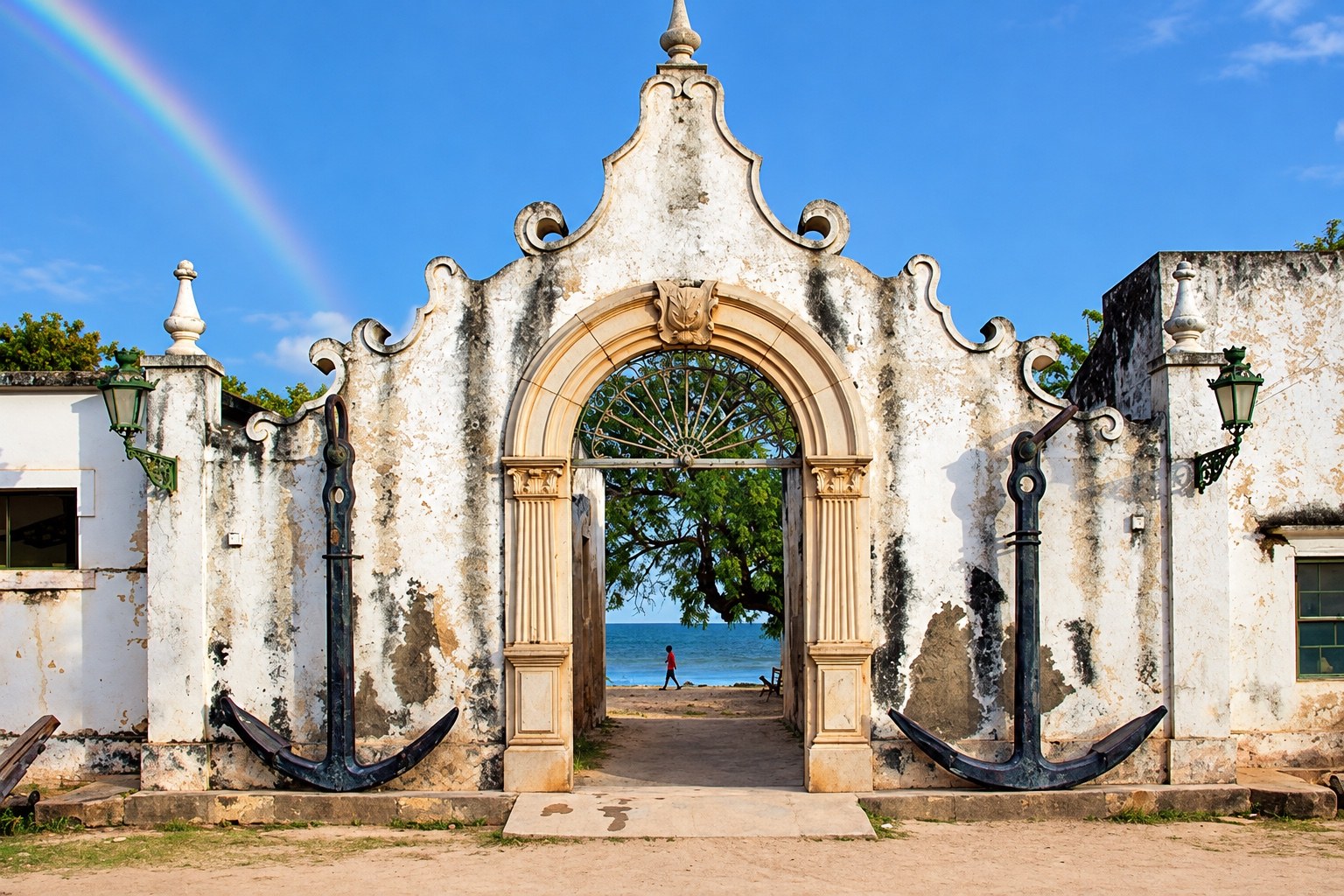
Ilha de Moçambique, or Mozambique Island, is one of the country’s most historically significant places.
Its strategic position in the Indian Ocean connected African trading networks with merchants and empires from across the wider region.
Portuguese colonial occupation later added another layer to an already complex history.
Today the island contains a distinctive blend of architecture, religious traditions and cultural influences.
For travellers interested in history, architecture and the broader Indian Ocean world, Ilha de Moçambique offers something completely different from the resort islands further south.
It is a cultural journey rather than simply a beach stay.
Travel logistics and regional conditions need to be considered carefully before incorporating it into an itinerary.
Mozambique · Culture and place
Maputo
A Different Side of Mozambique
Maputo is not why most international travellers first think of Mozambique.
That is precisely why it can be interesting.
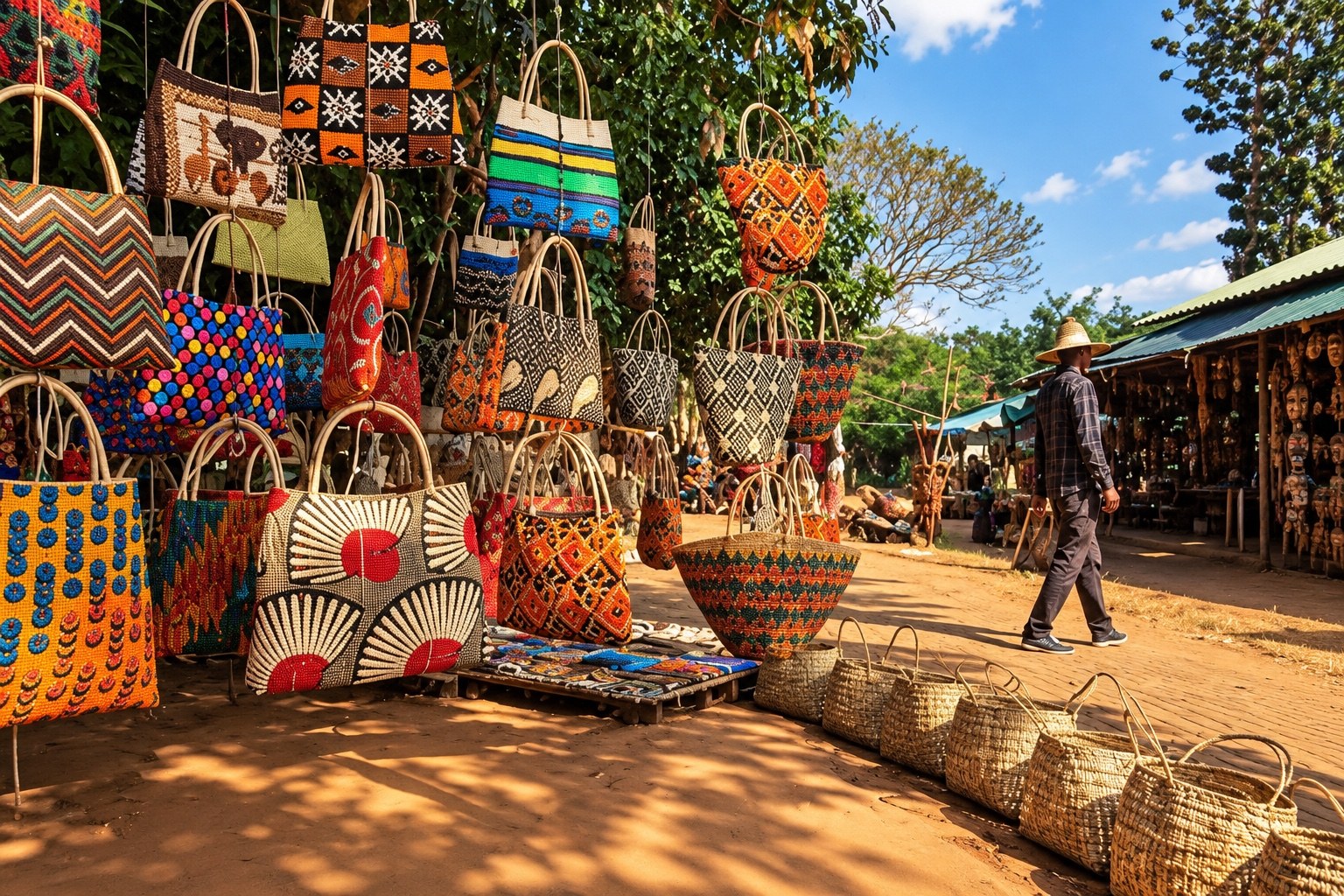
The capital has its own architecture, food culture, markets, music and history.
Portuguese influence sits alongside distinctly Mozambican traditions, while Indian Ocean seafood plays a major role in the city’s cuisine.
Maputo can work particularly well for travellers who want to understand more of the country before flying to an island.
It can also combine naturally with southern Mozambique or South Africa.
For a simple safari-and-beach honeymoon, we may bypass it.
For a traveller interested in culture, food and cities, it can add context.
Mozambique · Journey intelligence
Southern Mozambique
Mozambique’s southern coastline provides another option for travellers who want the Indian Ocean without necessarily flying to an offshore island.
Depending on the region, travellers can find beaches, diving, fishing, dune landscapes and coastal reserves.
Southern Mozambique also has practical advantages for travellers coming from South Africa.
This part of the country can work well for:
- self-drive itineraries
- longer beach stays
- families
- repeat Southern Africa travellers
- travellers combining Mozambique with KwaZulu-Natal or Greater Kruger
The experience is generally different from Bazaruto.
It can feel less isolated and less private-island luxury, but often more connected to the mainland.
Mozambique · Journey intelligence
When Is the Best Time to Visit Mozambique?
There is no single perfect month for the entire country.
Mozambique is long, and conditions vary between north and south.
For many coastal destinations, the broadly drier period from roughly May to October is particularly attractive.
Temperatures are generally more comfortable, rainfall is lower and humidity is reduced compared with the height of summer.
The warmer months from approximately November through March can bring higher humidity, heavier rain and tropical weather systems.
That does not mean the coast is unusable.
But weather becomes more variable, and tropical storms or cyclones can affect parts of the coastline during the broader summer cyclone season.
For a luxury island trip, we look at the specific destination rather than simply saying:
“May to October is best.”
Important factors include:
- rainfall
- wind
- water conditions
- diving priorities
- marine wildlife
- honeymoon timing
- safari combination
- resort seasonality
- flight schedules
Mozambique · Journey intelligence
Mozambique in the Dry Season
May to October
For many travellers, this is the easiest period to plan.
Conditions are generally drier and less humid.
This works particularly well when Mozambique is combined with a traditional Southern African safari, because Botswana, Zambia, Zimbabwe and many South African safari areas are also highly rewarding during these months.
This creates a natural itinerary:
Safari first.
Indian Ocean afterwards.
It is one of Africa’s strongest travel combinations.
Mozambique · Journey intelligence
Mozambique in the Green Season
The warmer and wetter months create a different coast.
Landscapes become greener.
Temperatures rise.
Humidity increases.
Rain often comes in tropical downpours rather than constant light drizzle, but weather is less predictable.
For travellers considering these months, flexibility and good planning matter.
Resort operations, transfer conditions and cyclone exposure should all be considered.
Lower seasonal pricing can be attractive, but price should not be the only reason for choosing the period.
Mozambique · Journey intelligence
Mozambique After Safari
This is one of the best ways to use Mozambique.
A safari is often active.
You wake early.
You spend hours in vehicles.
You move between camps.
Your senses are constantly engaged.
Mozambique creates a deliberate change of pace.
Suddenly there is no 05:30 wake-up call.
There is the ocean.
Breakfast.
A swim.
Maybe a dhow.
Maybe a dive.
Maybe absolutely nothing.
That contrast is precisely why the combination works.
Mozambique · Journey intelligence
Mozambique + South Africa
South Africa and Mozambique create one of the easiest multi-experience journeys in the region.
A trip might include:
- Cape Town
- Cape Winelands
- Greater Kruger safari
- Bazaruto Archipelago
Or:
- Greater Kruger
- southern Mozambique
- Indian Ocean beach
The combination offers food, wine, city, wildlife and beach without needing to construct an overly complicated itinerary.
For many first-time Southern Africa travellers, this is one of the strongest options available.
Mozambique · Journey intelligence
Mozambique + Botswana
Botswana and Mozambique create a particularly elegant safari-and-beach journey.
Botswana delivers wilderness, wildlife and remote camps.
Mozambique delivers water, warmth and complete decompression.
A strong itinerary might include:
- Okavango Delta
- Linyanti or Chobe
- Bazaruto or Benguerra
The contrast is excellent.
One part of the trip is built around wildlife movement and safari activity.
The other is built around the ocean.
Mozambique · Journey intelligence
Mozambique + Victoria Falls
Victoria Falls can work well before Mozambique, particularly as part of a longer Southern African journey.
One possible structure is:
- Victoria Falls
- Botswana safari
- Mozambique beach
This gives travellers three completely different experiences without needing to move across too many regions.
Mozambique · Journey intelligence
Mozambique + Zambia
For travellers prioritising wildlife and remoteness, Zambia and Mozambique can form a sophisticated combination.
A South Luangwa or Lower Zambezi safari followed by an island stay in Mozambique creates strong contrast.
This works particularly well for experienced safari travellers who want fewer urban components and more wilderness.
Mozambique · Journey intelligence
Is Mozambique Good for a Honeymoon?
Very.
Mozambique is one of our strongest honeymoon destinations in Southern Africa.
The reason is not simply that the beaches are beautiful.
It is the combination of:
- privacy
- small-scale lodges
- island settings
- private pools
- barefoot dining
- ocean activities
- sunset sailing
- remote beaches
- warm weather
- easy safari combinations
A good honeymoon itinerary also understands when to stop scheduling.
Couples do not need an activity every morning and afternoon.
Sometimes the most luxurious part of Mozambique is having nowhere you are expected to be.
Mozambique · Journey intelligence
Luxury Travel in Mozambique
Luxury in Mozambique is usually at its best when it stays connected to place.
A beautiful villa matters.
So does a private plunge pool.
But the real experience comes from waking beside the Indian Ocean, travelling by boat between islands, eating fresh seafood and having direct access to the marine environment.
We prefer properties where the architecture, service and experience support the destination rather than overpower it.
The strongest lodges tend to combine:
- excellent location
- privacy
- generous space
- personalised service
- strong food
- access to meaningful marine activities
- knowledgeable guides
- responsible environmental practices
The objective is not simply to find the most expensive island.
It is to find the right one.
Do not duplicate it.
Mozambique · Journey intelligence
How Many Nights Do You Need in Mozambique?
For most travellers adding Mozambique after safari, we recommend approximately four to six nights.
Four nights can work if the island is easy to reach and the journey is part of a longer African itinerary.
Five or six nights allows the pace to change properly.
For a dedicated beach holiday or honeymoon, seven nights or more can make sense.
There is little value in travelling all the way to a remote island for two nights.
Transfer time matters.
Weather matters.
And part of the experience is doing less.
Mozambique · Journey intelligence
How Do You Get to the Bazaruto Archipelago?
Vilanculos is the primary gateway.
Travellers typically fly into Vilanculos and then continue to their island accommodation by:
- boat
- helicopter
- light aircraft, depending on property and arrangements
The transfer itself can be part of the experience.
From the air, the Bazaruto coastline reveals sandbanks, channels, dunes and extraordinary shifts in water colour.
From the water, arriving at an island lodge by boat has an entirely different sense of place.
We build the transfer method into the itinerary rather than treating it as an afterthought.
Mozambique · The Indian Ocean
What Is a Dhow?
A dhow is a traditional sailing vessel associated with the Indian Ocean.
Different versions of these boats have moved people and goods along the East African coast for centuries.
In Mozambique, the dhow remains one of the defining images of coastal life.
For travellers, dhow excursions can range from short sunset sails to longer trips through island environments.
The appeal is not speed.
It is the opposite.
Wind.
Water.
Canvas.
Wood.
And the coastline moving slowly past.
Mozambique · Culture and place
Food in Mozambique
Mozambican food reflects the country’s geography and history.
Seafood is central along the coast.
Prawns, fish, crab and other shellfish appear frequently, while coconut, chilli, citrus and spices feature heavily in regional cooking.
Portuguese influence is also evident, but it should not be treated as the entire story.
Mozambique has its own food identity, shaped by African ingredients, coastal trade and local cooking traditions.
At a luxury island lodge, the best meals should still feel connected to where you are.
Mozambique · The Indian Ocean
Responsible Marine Tourism
A beautiful ocean can make conservation problems easy to ignore.
We do not.
Mozambique’s coastal ecosystems include coral reefs, seagrass beds, mangroves, turtle habitat and marine mammal populations.
When evaluating marine experiences, we care about:
- wildlife interaction standards
- reef protection
- anchoring practices
- waste management
- water use
- single-use plastics
- community employment
- fisheries relationships
- conservation partnerships
- how excursions are conducted around marine animals
Responsible marine tourism is not about removing people from the ocean.
It is about ensuring tourism does not destroy the very ecosystem guests have travelled to experience.
Mozambique · Journey intelligence
LGBTQ+ Travel in Mozambique
What LGBTQ+ Travellers Should Know
Consensual same-sex sexual activity is legal in Mozambique.
Mozambique’s revised Penal Code removed colonial-era provisions previously used against same-sex intimacy, with the revised code taking effect in 2015.
That is important.
But legality and social acceptance are not identical.
LGBTQ+ travellers can still encounter conservative social attitudes or discrimination, particularly outside established tourism environments.
Within the luxury tourism environment, our approach is practical.
We want couples to be treated as couples.
That means paying attention to:
- room configuration
- honeymoon recognition
- how properties communicate with guests
- staff awareness
- privacy
- local context
- transfers
- activities
- how much explanation travellers will need to do themselves
We do not believe LGBTQ+ travel requires a rainbow-branded hotel.
It requires competent partners and thoughtful planning.
For the wider destination context, read our LGBTQ+ Africa travel guide.
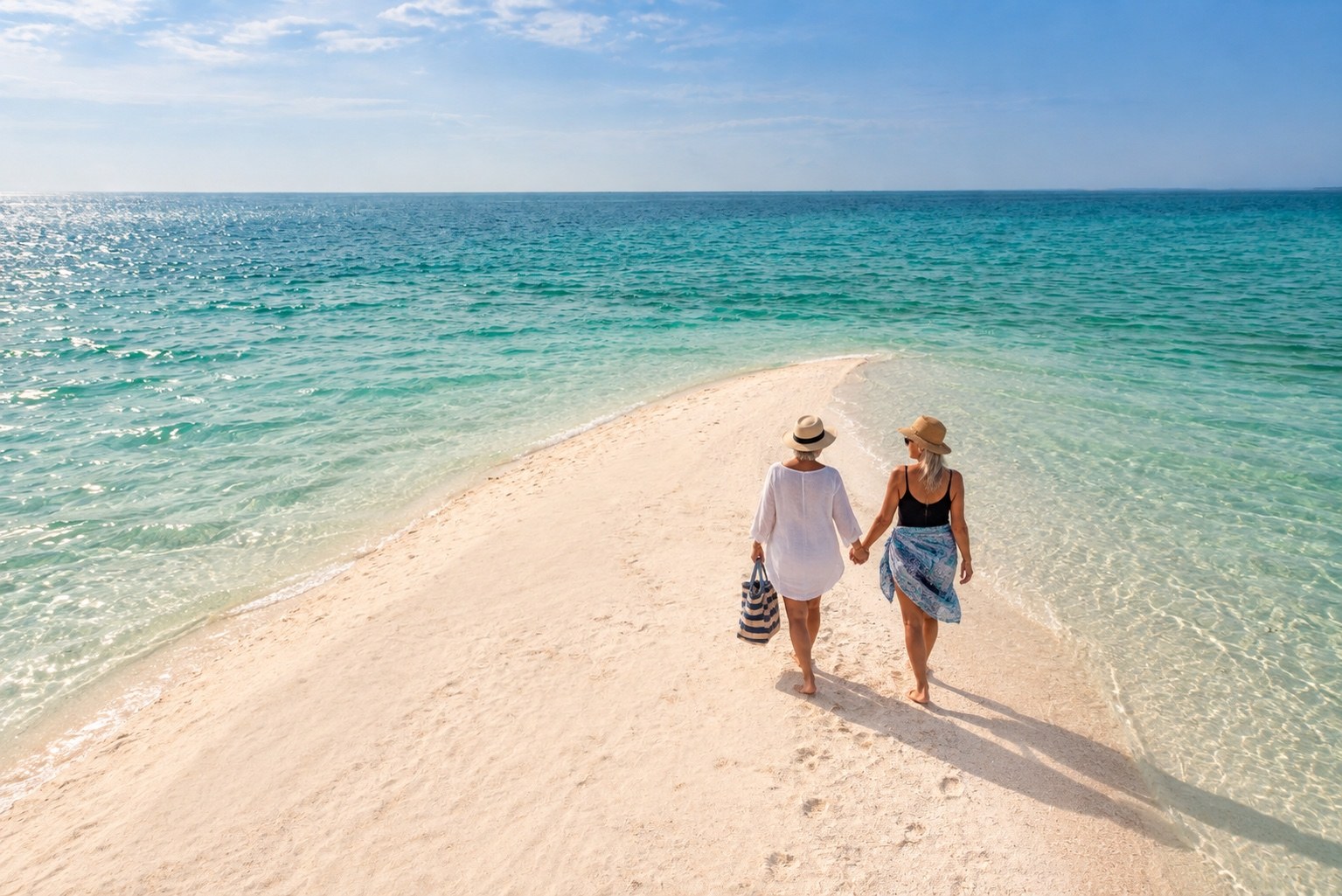
Mozambique · Journey intelligence
Is Mozambique Safe for LGBTQ+ Travellers?
Most LGBTQ+ travellers using Mozambique’s established tourism circuit can travel comfortably with sensible cultural awareness.
Same-sex sexual activity is legal.
However, public attitudes may be more conservative than travellers are used to at home, and legal equality remains incomplete.
The practical experience at a private island lodge can therefore be very different from the social environment elsewhere in the country.
We distinguish between:
what the law says
how society behaves
and
what a guest is likely to experience in the tourism environment.
Those distinctions matter.
Mozambique · Journey intelligence
Who Is Mozambique Best For?
Honeymooners
Mozambique excels when privacy and romance matter more than nightlife or large resorts.
Safari Travellers Wanting a Beach Extension
This remains one of the strongest reasons to travel to Mozambique.
Conservation-Minded Safari Travellers
Gorongosa is particularly compelling for travellers interested in wildlife recovery, conservation science and the future of African protected areas.
Experienced Safari Travellers
Travellers who have already experienced places such as Kruger, the Okavango, Serengeti or South Luangwa may find Gorongosa especially rewarding because the story and safari experience are fundamentally different.
Divers and Ocean Lovers
For travellers who genuinely enjoy being in the water, Mozambique is far more than a place to lie beside it.
Couples
Small lodges and island environments naturally lend themselves to privacy.
Repeat Africa Travellers
Mozambique offers a side of the continent that is entirely different from traditional safari travel.
Travellers Who Value Remote Places
The best properties may take additional effort to reach.
That is often precisely why they are worth reaching.
Mozambique · Journey intelligence
Who Might Prefer Another Destination?
Mozambique is not automatically the right Indian Ocean or safari destination for everyone.
You may prefer Mauritius if you want larger resorts, golf, extensive facilities and simpler resort infrastructure.
You may prefer Seychelles if dramatic granite islands and ultra-luxury beach resorts are the priority.
You may prefer Zanzibar if you want a stronger combination of resort beach time and easily accessible historic culture.
You may prefer South Africa if you want a coastal holiday integrated with cities, food and road travel.
And if your safari priority is maximum predator density, highly developed luxury safari infrastructure or a classic first-time Big Five experience, South Africa, Botswana, Zambia or Zimbabwe may be a better fit.
If you are interested in wilderness recovery, biodiversity and one of Africa’s most remarkable conservation stories, Gorongosa deserves serious consideration.
Mozambique is strongest when you value:
- remoteness
- marine experiences
- smaller properties
- island atmosphere
- natural landscapes
- meaningful conservation
- safari and beach combinations
We recommend it when those things align with the traveller.
Mozambique · Journey intelligence
Mozambique for First-Time Africa Travellers
Mozambique can work beautifully for a first trip to Africa, particularly when paired with safari.
But we would rarely recommend building a first African journey entirely around a remote island unless beach and marine experiences are the primary objective.
A first-timer might combine:
Cape Town + Safari + Mozambique
or:
Victoria Falls + Botswana + Mozambique
This gives context and variety while still allowing Mozambique to deliver a strong finish.
See how this destination fits your priorities in our first-safari destination guide.
Mozambique · Journey intelligence
Mozambique for Repeat Africa Travellers
Repeat travellers can go deeper.
Rather than simply flying to a Bazaruto resort, we can look at:
- Gorongosa
- diving-focused journeys
- longer island stays
- Vilanculos
- Maputo
- southern Mozambique
- conservation-oriented marine travel
- cultural extensions
- less conventional combinations with Zambia or Zimbabwe
The more we understand what you have already done in Africa, the more interesting Mozambique becomes.
Mozambique · Journey intelligence
Is Mozambique Safe to Visit?
Mozambique is a large country, and security conditions vary significantly by region.
Most tourism to established southern and central destinations such as Bazaruto and Gorongosa operates in a very different environment from parts of northern Mozambique.
At the same time, Cabo Delgado has experienced serious security problems, and official government travel advisories continue to restrict or discourage travel to parts of the province.
At our October 2026 review, the UK FCDO advises against all travel to most of Cabo Delgado and against all but essential travel to Palma town and the areas around Pemba and Afungi. Restrictions also apply to specific districts in Nampula and Niassa. We check the latest advice and the complete route before recommending any northern extension.
This is not something we minimise.
For every itinerary, we assess:
- current official travel advice
- exact destination
- transfer routes
- airline access
- property operations
- local partner guidance
- insurance implications
Travel advice can change.
Our recommendations should change with it.
Mozambique · Journey intelligence
Planning a Mozambique Holiday
The hardest part of planning Mozambique is not finding a beautiful beach.
There are plenty.
The harder question is identifying the right experience.
Before selecting a property, we want to know:
Have you just been on safari?
Do you want Mozambique’s own safari experience in Gorongosa?
How much downtime do you want?
Do you dive?
Do you snorkel?
Do you want a private pool?
How important is food?
Are you travelling for your honeymoon?
Do you want to leave the resort regularly?
Would you prefer an island or the mainland?
How much transfer time are you comfortable with?
Do you want complete seclusion or some local life around you?
Are you travelling in a season when weather may affect marine activities?
Those answers matter far more than choosing whichever lodge currently has the strongest Instagram presence.
Before selecting properties, read our complete safari planning guide. The Safari Planning hub brings these decisions together.
Useful answers
Frequently Asked Questions About Mozambique
Is Mozambique good for a safari and beach holiday?
Yes.
Mozambique is unusual because travellers can combine the wildlife restoration story of Gorongosa National Park with Indian Ocean destinations such as Bazaruto and Benguerra within the same country.
Is Gorongosa worth visiting?
Yes, particularly for travellers interested in conservation, wildlife recovery, biodiversity and a safari experience different from the highly developed safari circuits elsewhere in Southern Africa.
Does Mozambique have good safari?
Yes, although the safari industry is much smaller than in neighbouring countries.
Gorongosa National Park is particularly significant because of its extraordinary ecological recovery.
Can I see the Big Five in Mozambique?
Mozambique should not be approached primarily as a Big Five checklist destination.
Gorongosa supports major predators and large herbivores, but its real strength is its conservation story, biodiversity and recovering ecosystem.
How many nights should I spend in Mozambique?
For a post-safari island stay, four to six nights generally works well.
If combining Gorongosa and Bazaruto, a trip of approximately seven to ten nights in Mozambique can make more sense.
Is Bazaruto worth visiting?
Yes, particularly for travellers who value island landscapes, marine life, privacy and high-quality lodge experiences.
Is Benguerra good for a honeymoon?
Very.
Its island environment, small luxury lodges, beaches and marine experiences make it one of Mozambique’s strongest honeymoon options.
Can I see dugongs in Mozambique?
Dugongs occur in the Bazaruto Archipelago, but sightings should never be guaranteed.
Can I dive in Mozambique?
Yes.
Mozambique offers excellent diving opportunities, although conditions and marine sightings vary by area and season.
Can I snorkel if I do not dive?
Absolutely.
Many marine experiences are accessible to snorkellers.
When is the best time to visit Mozambique?
For many coastal destinations, the drier months from approximately May to October are particularly attractive, although the best period depends on location and the purpose of the trip.
Does Mozambique have a cyclone season?
Tropical systems can affect Mozambique during the warmer summer months, so weather risk should form part of planning during that period.
Is Mozambique LGBTQ+ friendly?
Same-sex sexual activity is legal in Mozambique, but social attitudes can remain conservative and legal protections are incomplete.
We therefore select tourism partners carefully and brief relevant guest preferences before arrival.
Can Mozambique be combined with Botswana?
Yes.
Botswana safari followed by a Mozambique island stay is an excellent wilderness-and-ocean combination.
Can Mozambique be combined with South Africa?
Yes.
Cape Town, the Winelands, a Greater Kruger safari and Mozambique form one of the strongest luxury itineraries in Southern Africa.