





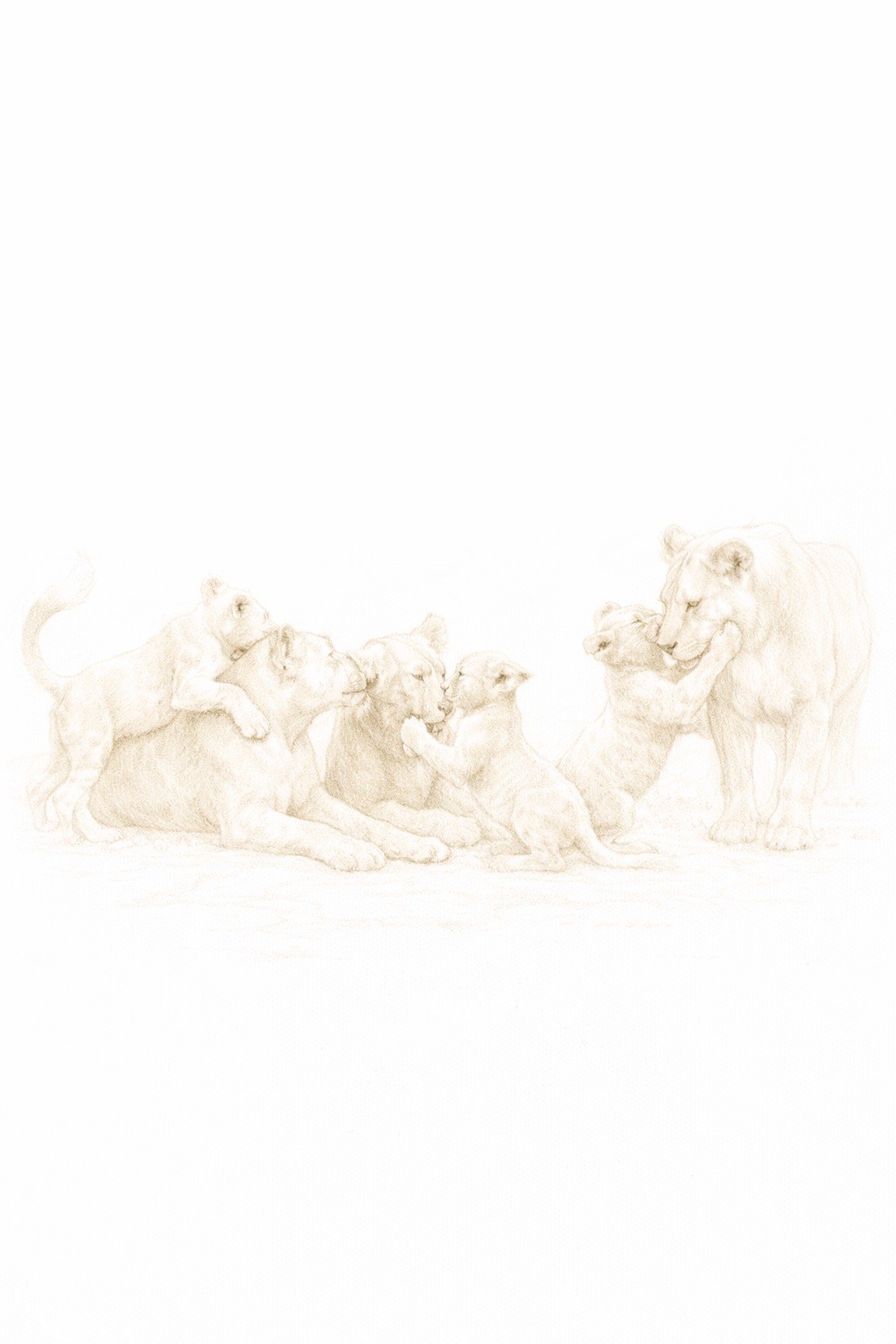

Too much African luxury travel still treats culture as a brief interruption between lodges.
That is the problem.
A continent this layered cannot be understood properly through wildlife, scenery, and beautiful accommodation alone. Yet many itineraries still reduce place to a sequence of game drives, sundowners, and a lightly staged cultural moment inserted somewhere in the middle as if people, history, language, design, memory, and daily life were optional texture rather than part of the destination itself.
Culture should not decorate a journey. It should help shape it.
The problem with superficial cultural tourism
The weakest version of cultural travel in Africa is easy to recognise. It is the one-hour village stop with no real context. The rushed encounter designed to reassure a guest that they have touched something authentic. The reductive framing that turns living cultures into spectacle, or worse, into a kind of moral accessory for an otherwise lodge-led trip.
This is not thoughtful travel. It is cultural shorthand. It replaces place with performance. It offers the appearance of depth without requiring any real understanding of where a traveller actually is.
The language around it is often just as weak. Tribal becomes a catch-all. Community becomes a brochure word. Entire places are flattened into a few visual cues that read well in marketing and teach very little in practice.
A destination is more than its wildlife
This is especially important in Africa, where safari still dominates the international imagination. Wildlife matters. Landscape matters. Extraordinary camps and lodges matter too. But none of those things exist outside of history, labour, language, architecture, taste, politics, and the lived realities of the people who move through those places every day.
A destination is not made complete by adding one community experience at the edge of an otherwise isolated itinerary. It becomes complete when the journey itself acknowledges that place has layers. Food is one of those layers. So are materials, design, urban life, memory, music, hospitality rituals, and the political histories that shaped the country the traveller believes they are simply visiting.
That does not mean every journey must become an intellectual project. It means thoughtful travel should at least resist flattening.
Culture should shape the journey, not decorate it
This is where luxury travel has a choice to make. A journey can either use culture as a staged aside, or it can let culture influence how the trip is built from the beginning. That changes which city deserves time. Which neighbourhood is worth staying in. Which restaurant matters beyond food. Which guide or host can add real insight. Which objects, materials, and built spaces tell you something about where you are. Which historical context deserves space rather than a polite mention.
When culture shapes the journey properly, luxury becomes more intelligent. It stops being only about comfort and starts becoming about depth, coherence, and respect. That is also part of what we mean by Experience: not more activity for its own sake, but a more considered relationship with place.
South Africa shows what this can look like
South Africa is one of the strongest examples of how culture can deepen a luxury journey without making it feel heavy-handed. Cape Town is not only visually spectacular. It is a city of neighbourhoods, design language, restaurant culture, public life, and social atmosphere. That matters because luxury travellers are not only looking for views. They are looking for cities that feel good to inhabit, with pace, texture, and specific identity.
That is also why Cape Town: Why It Remains the Gay Capital of Africa works as more than a nightlife argument. The city's public ease, hospitality confidence, and social fluency all sit inside a broader urban culture that makes the place feel lived in rather than merely scenic.
Johannesburg matters for a different reason. It brings history, cultural weight, and a more direct encounter with the forces that shaped modern South Africa. It is not always the most conventionally beautiful entry point, but beauty is not the only measure of value. Sometimes context is what gives a journey its gravity. That is why Destination Notes: South Africa matters as a wider read: it shows how city, food, landscape, history, and safari can sit in one country without reducing any of them to filler.
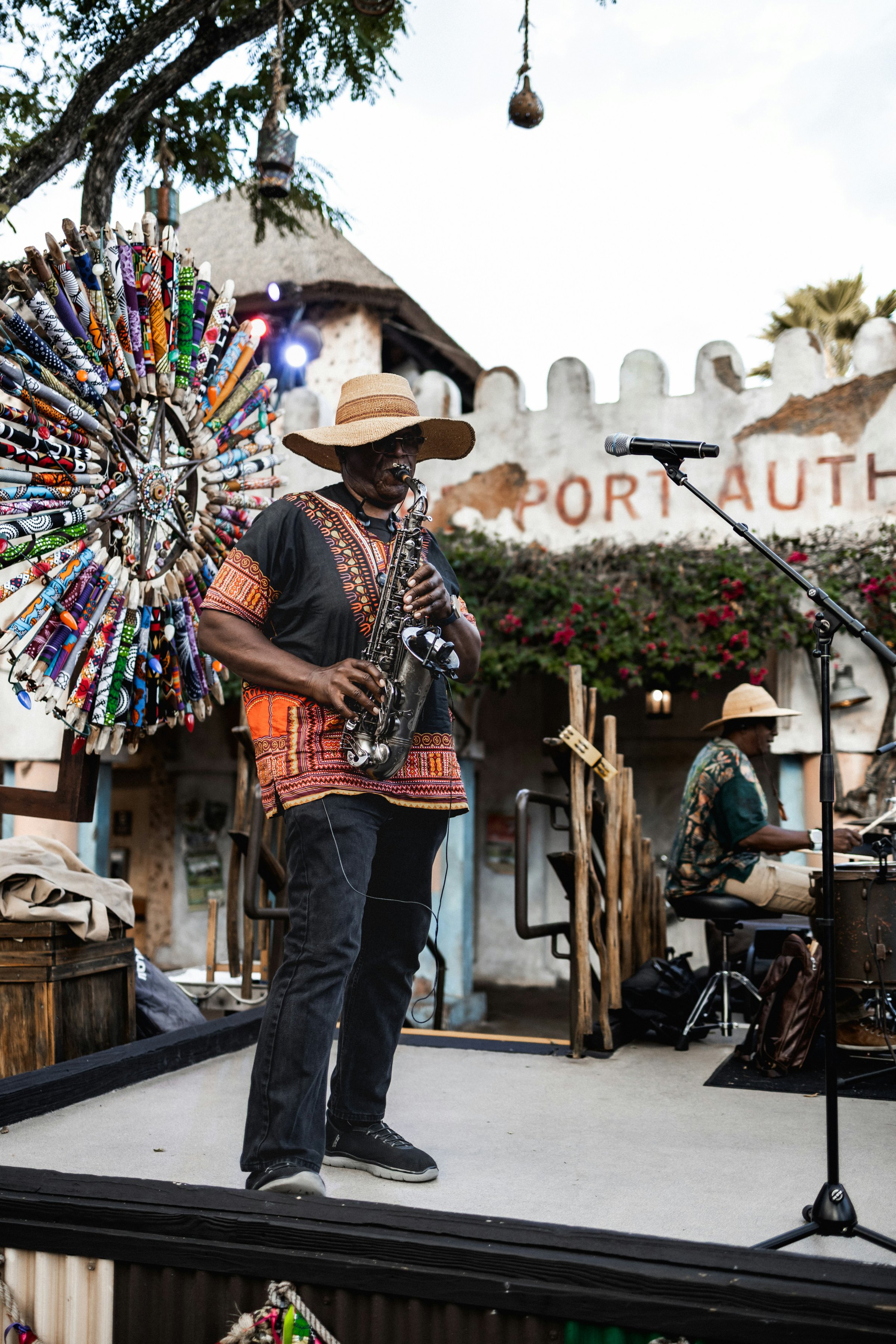
Music, craft, and urban atmosphere
The best journeys do not turn people into content
This should be obvious, but too much travel marketing still misses it. People are not there to animate a guest's sense of discovery. Communities are not there to prove that a trip has meaning. Craft, music, language, and local life are not there to function as colour inside a polished itinerary.
Thoughtful travel requires more discipline than that. It asks who benefits, who defines the interaction, how much context exists, and whether what is being offered is genuinely part of the place or simply packaged to satisfy a tourist expectation. The standard should not be whether something photographs well or sounds enriching in a brochure. The standard should be whether it is respectful, proportionate, and actually illuminating.
That is the harder truth running through all of this: too much African luxury travel still treats culture as a brief interruption between lodges instead of part of the place itself.
Culture also lives in design, food, and daily rhythm
One of the mistakes people make is assuming culture only exists in explicitly cultural activities. It does not. It is in the architecture of a city. In the cadence of language across a dinner table. In what a hotel chooses to reference or ignore. In music, in produce, in materials, in how service is expressed, in how a meal unfolds, in which histories are visible and which are quietly erased. It is in daily rhythm as much as in formal tradition.
For luxury travel, this matters because it opens up a more intelligent definition of what it means to engage with place. Not every traveller wants a museum-heavy or history-led journey. That is fine. But even the most relaxed itinerary can still be shaped by a deeper awareness of where it is.
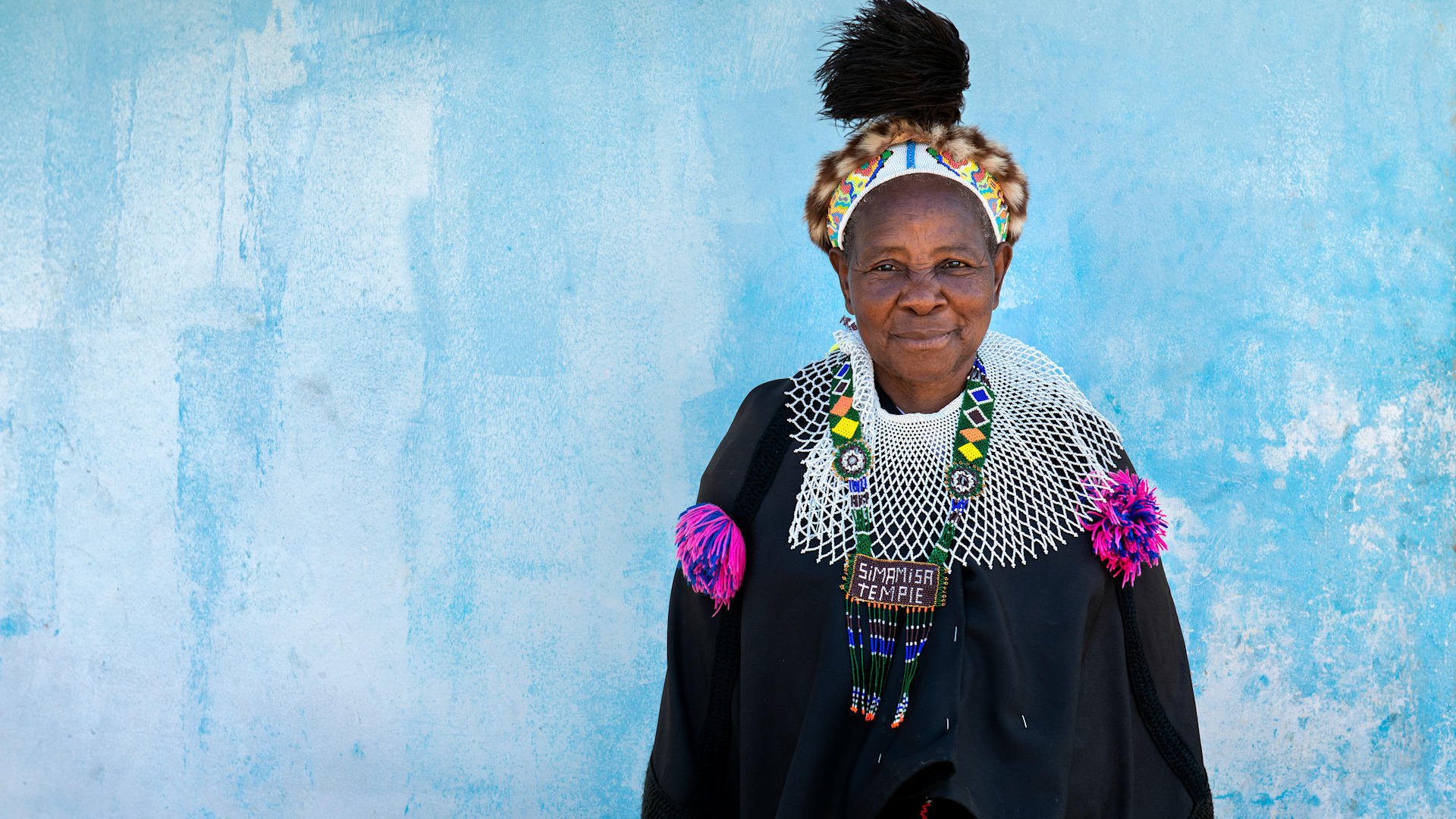
Place and identity
What thoughtful African travel owes place
At minimum, it owes attention. Attention to context. Attention to history. Attention to the human world that makes a landscape more than scenery. Attention to the fact that design, food, language, urban life, and memory are not distractions from a destination's main event. They are part of the destination.
It also owes restraint. Not every interaction needs to be turned into a travel product. Not every community moment needs guest access. Not every culture-rich destination needs to be explained through performance. Sometimes the more respectful approach is to build the journey around places that already carry meaning rather than forcing artificial encounters into it.
Why this matters for Mason & Wild
For Mason & Wild, this is not about proving moral sophistication. It is about building better journeys. The best trips feel whole. They feel like they belong to a real place rather than a luxury template that could have been dropped anywhere. That means knowing when culture should be foregrounded, when it should sit quietly inside the structure of the trip, and when it is better to leave certain things alone rather than commodify them.
That is part of what thoughtful travel design actually is. Privacy and polish still matter, but they are not enough on their own if the trip could be lifted out of one country and dropped into another without losing its shape.
Final thought
Africa does not need more luxury travel that mistakes atmosphere for understanding.
It needs better judgement. Better curation. Better restraint. And a clearer willingness to let place shape the journey from the start. Culture is not an add-on. It is one of the things that makes a destination worth travelling to in the first place.
Where to Go Next
For a broader look at how South Africa holds culture, history, hospitality, and landscape in one journey, read Destination Notes: South Africa.
If you want your travels shaped with more depth and discernment, enquire privately.