

Botswana and Tanzania are both exceptional safari destinations, but they do not solve for the same kind of traveller.
That is the first thing worth saying clearly. Too much safari comparison content tries to stay diplomatic by flattening real differences. In practice, these are two very different journeys.
Tanzania is often the stronger choice for travellers drawn to iconic wildlife landscapes, a more recognisable safari circuit, and a sense of cinematic scale. Botswana is often the better fit for travellers who want privacy, emotional spaciousness, water-based rhythm, and a more immersive, design-led kind of luxury.
Neither is better in the abstract. The better question is which one fits the way you want to travel.
Tanzania is about scale, wildlife, and the logic of the circuit
Tanzania feels structured around the strength of its landscapes. The northern circuit in particular gives travellers some of East Africa's most recognisable safari settings: Serengeti scale, Ngorongoro drama, and the possibility of ending in Zanzibar. There is a built-in narrative to Tanzania that many people find very persuasive, especially on a first or second safari. You move through famous names, but if the trip is shaped properly, it does not have to feel obvious.
The appeal here is not only wildlife volume. It is the sense of safari theatre. The plains are long. The landscapes read clearly. The journey has momentum. Tanzania often feels like the safari people imagined before they ever arrived in Africa. For travellers drawn to that cinematic, privately held East Africa progression, The Private Circuit is the clearest Mason & Wild expression of Tanzania done with polish and continuity.
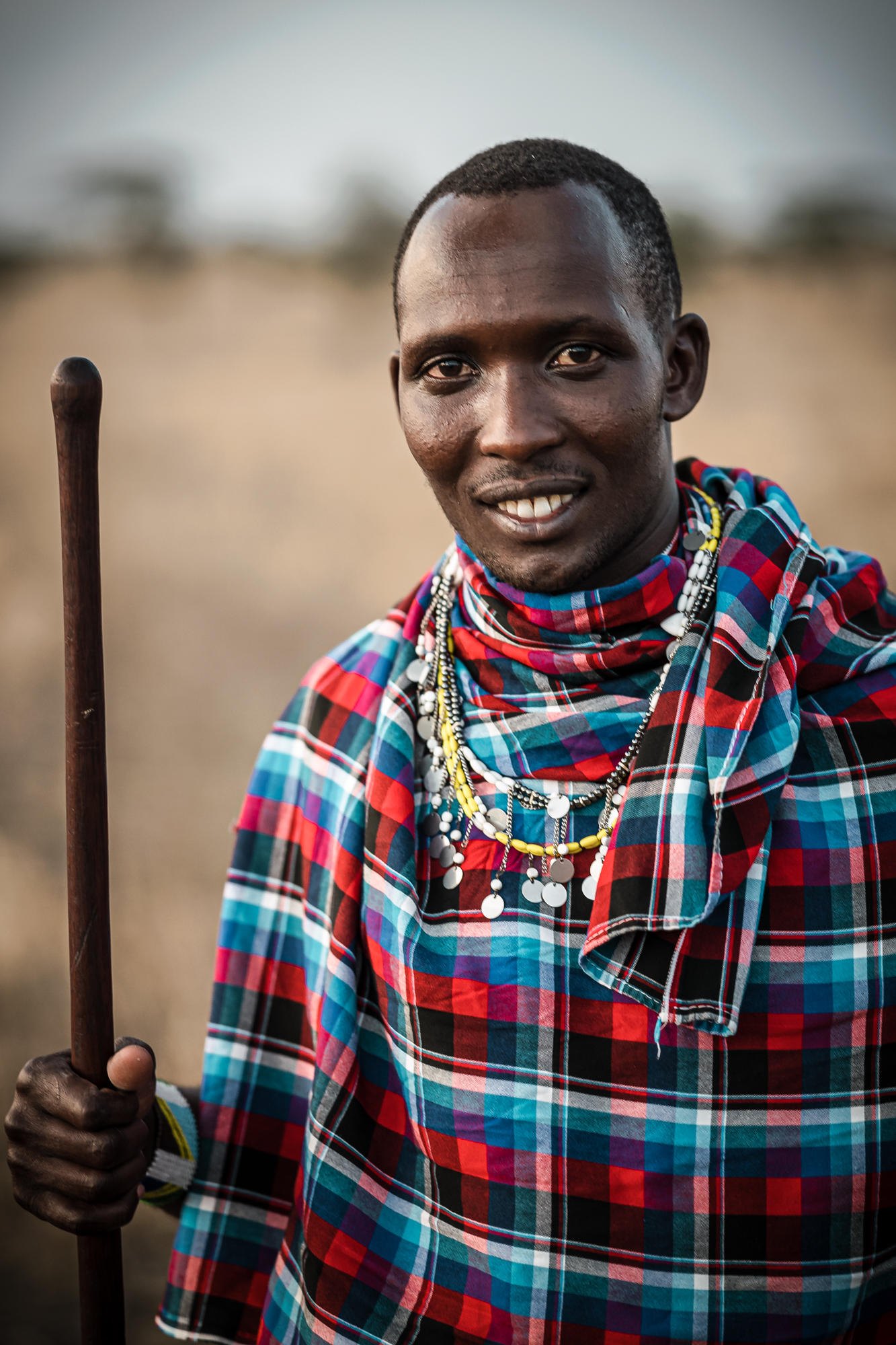
Northern Tanzania
Northern Tanzania pairs iconic safari scale with living cultural texture, where Maasai heritage remains part of the landscape.
Botswana is quieter, more immersive, and often more private in feel
Botswana works differently. The Okavango Delta does not rely on the same circuit logic. It feels more immersive from the start. Water changes the mood. Camp numbers tend to be smaller. The experience often unfolds through silence, channels, reeds, walking, boats, mokoros, and a more intimate relationship with the environment. Even the wildlife experience can feel less like spectacle and more like being folded into a living landscape.
This is one of the reasons Botswana often suits return travellers so well. The experience is not trying to announce itself constantly. It is quieter, more emotionally spacious, and in the right hands, deeply restorative. For travellers drawn to that particular rhythm of privacy and immersion, The Intimate is the clearest Mason & Wild expression of Botswana done well.
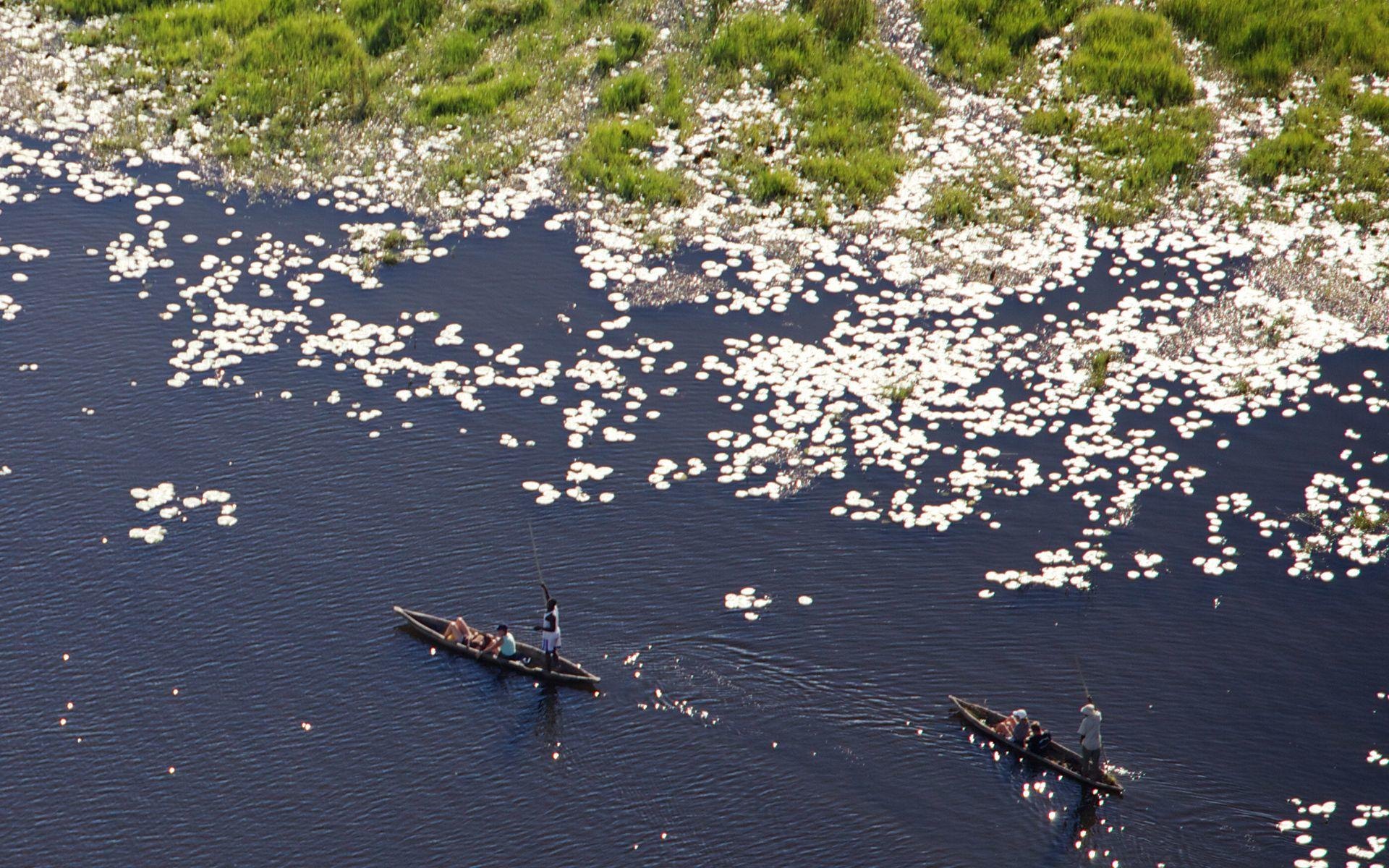
Okavango Delta, Botswana
Botswana's strength lies in privacy, water, and the feeling of a safari that unfolds from within rather than at a distance.
The wildlife experience is different, even when both are excellent
This is where the distinction becomes practical. Tanzania often delivers wildlife through scale and movement. The drama of the plains, the density of game in key areas, and the wider northern circuit structure mean the journey can feel outward-facing and visually legible. You are often reading the landscape in broad strokes.
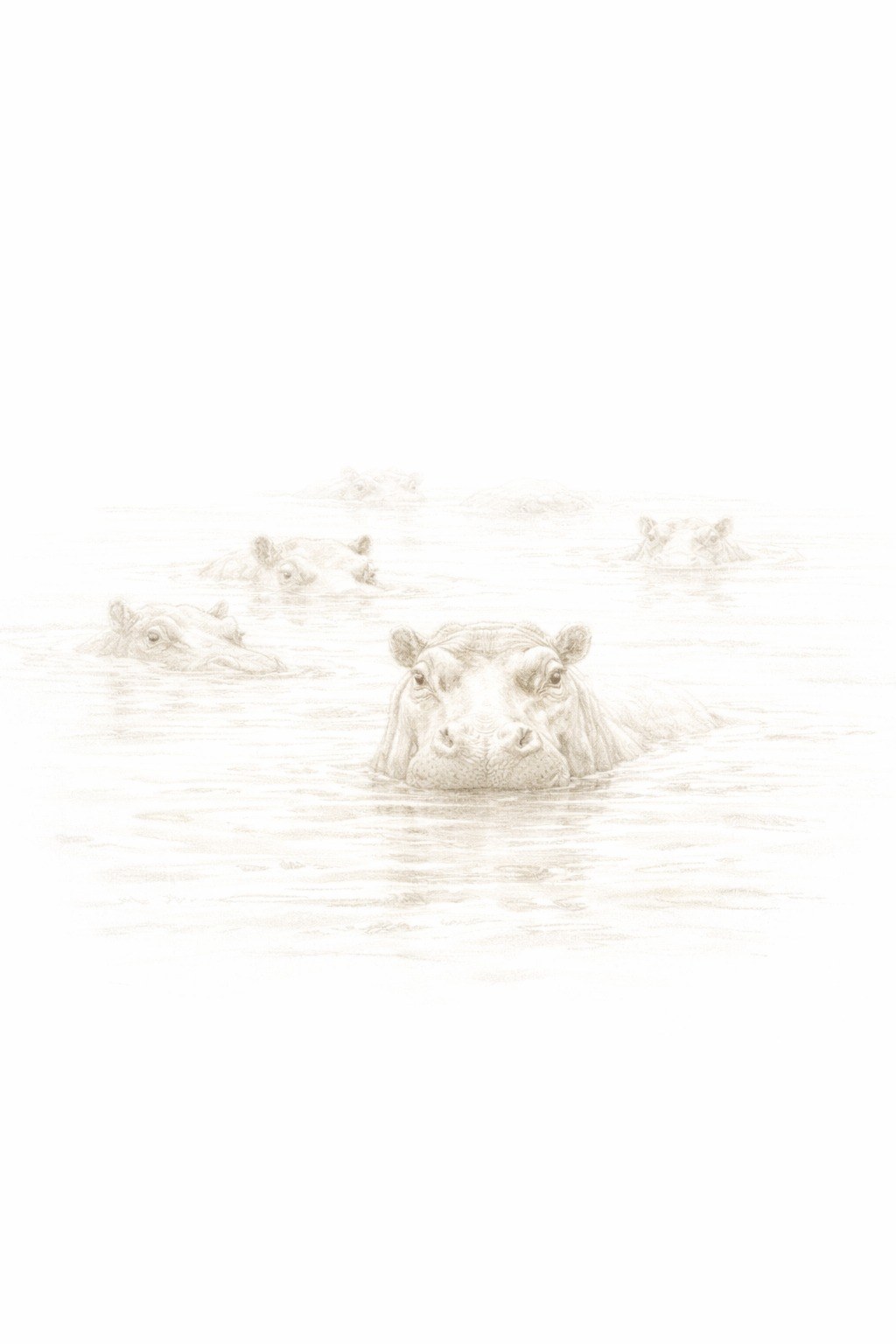
Botswana, by contrast, often feels more textured. The Delta creates a safari experience that is as much about habitat and atmosphere as it is about sightings. Elephants moving through water, hippos gathering in pools, birdlife, predator action emerging through channels and islands, and the sense of water shaping everything give the experience a different register. Tanzania is more likely to satisfy the traveller who wants the iconic frame. Botswana often suits the traveller who wants the experience to feel more internal and absorbing.
Camp style and luxury language are not quite the same
This is another meaningful difference. Luxury in Tanzania often leans into the classic safari frame. Camps and lodges can be deeply beautiful, but the emotional centre of the journey is usually the landscape and wildlife circuit itself. The accommodation supports that movement.
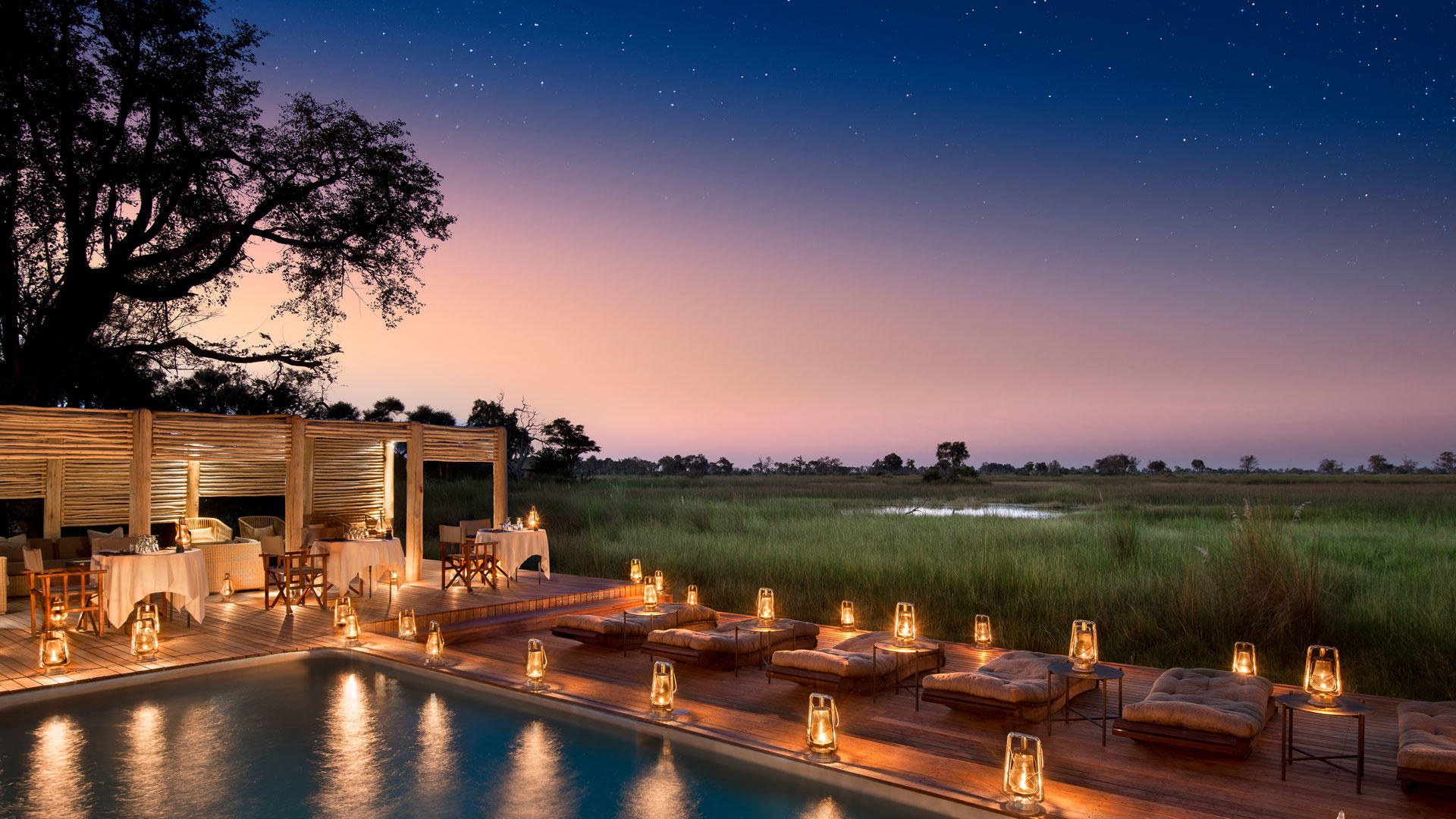
In Botswana, luxury often feels more entwined with privacy, stillness, and camp atmosphere. The best properties are not only comfortable. They tend to feel emotionally edited. Smaller in scale, quieter in mood, and more integrated into the idea of retreat. For a design-led traveller, that distinction can matter a lot. This does not mean Botswana has better camps in some universal sense. It means the feeling of luxury is often expressed differently.
Activities are one of Botswana's clearest advantages
If you care about variety in how you experience the landscape, Botswana has a strong edge. The Okavango opens up multiple ways of moving through the environment. Mokoro excursions slow the day down and bring you to water level. Boating and speedboat safaris change pace and reach. Scenic helicopter flights reveal the geometry of the Delta in a way that is hard to understand from the ground alone. Walking safaris sharpen the experience further, and in the right places, horse riding adds an entirely different dimension again. The Okavango in Dry Season: Where Privacy Still Changes Everything goes deeper into why that activity mix changes the emotional quality of the safari itself.
Tanzania can absolutely offer variety too, but it is more likely to be centred around game drives, scenic movement through the circuit, and the sheer force of the wildlife landscapes themselves rather than the same water-based or multi-modal rhythm.
Guiding and pace feel different on the ground
This matters more than many travellers realise. Tanzania often has stronger momentum. The journey can feel like it is moving through chapters. That can be thrilling when the itinerary is well edited, but it also means the trip is more exposed to feeling busy if too much is packed in.
Botswana generally rewards slower pacing. The best itineraries give the Delta time to unfold. Guiding often feels more interpretive and habitat-led, because the environment itself encourages attention to rhythm, movement, and subtle detail. For travellers who do not want the safari to feel like a sequence of highlights, this can be a major advantage.
Which destination suits which traveller best
The difference is less about absolute quality than about temperament. Both destinations can be world-class. They simply reward different appetites.
Tanzania often fits best
Tanzania is often the better fit if you want iconic safari landscapes, if the Serengeti and Ngorongoro themselves are part of the emotional draw, if you like a clearer circuit structure, if you want to combine safari with Zanzibar, or if you are energised by the idea of a bigger wildlife canvas.
Botswana often fits best
Botswana is often the better fit if you want privacy to be felt rather than merely promised, if you prefer a more design-led and quieter style of luxury, if you value immersion over spectacle, if you enjoy activity range beyond game drives, or if you want the safari to feel emotionally spacious rather than constantly event-led.
How the journey ends matters too
This is an underrated part of the decision. Tanzania has a natural finish in Zanzibar. When used well, it shifts the journey beautifully from safari concentration to sea, architecture, texture, and slower time. That makes Tanzania especially attractive for travellers who want the trip to resolve softly rather than end on wildlife alone. For the broader country rhythm, Destination Notes: Tanzania offers the shorter read.
Botswana does not usually resolve that way on its own, but it pairs very well with Cape Town for travellers wanting an urban, coastal, or design-led finish after the bush. That pairing offers a very different kind of exhale. Less beach, more city, food, style, and lived atmosphere. Destination Notes: South Africa gives the wider South African frame.
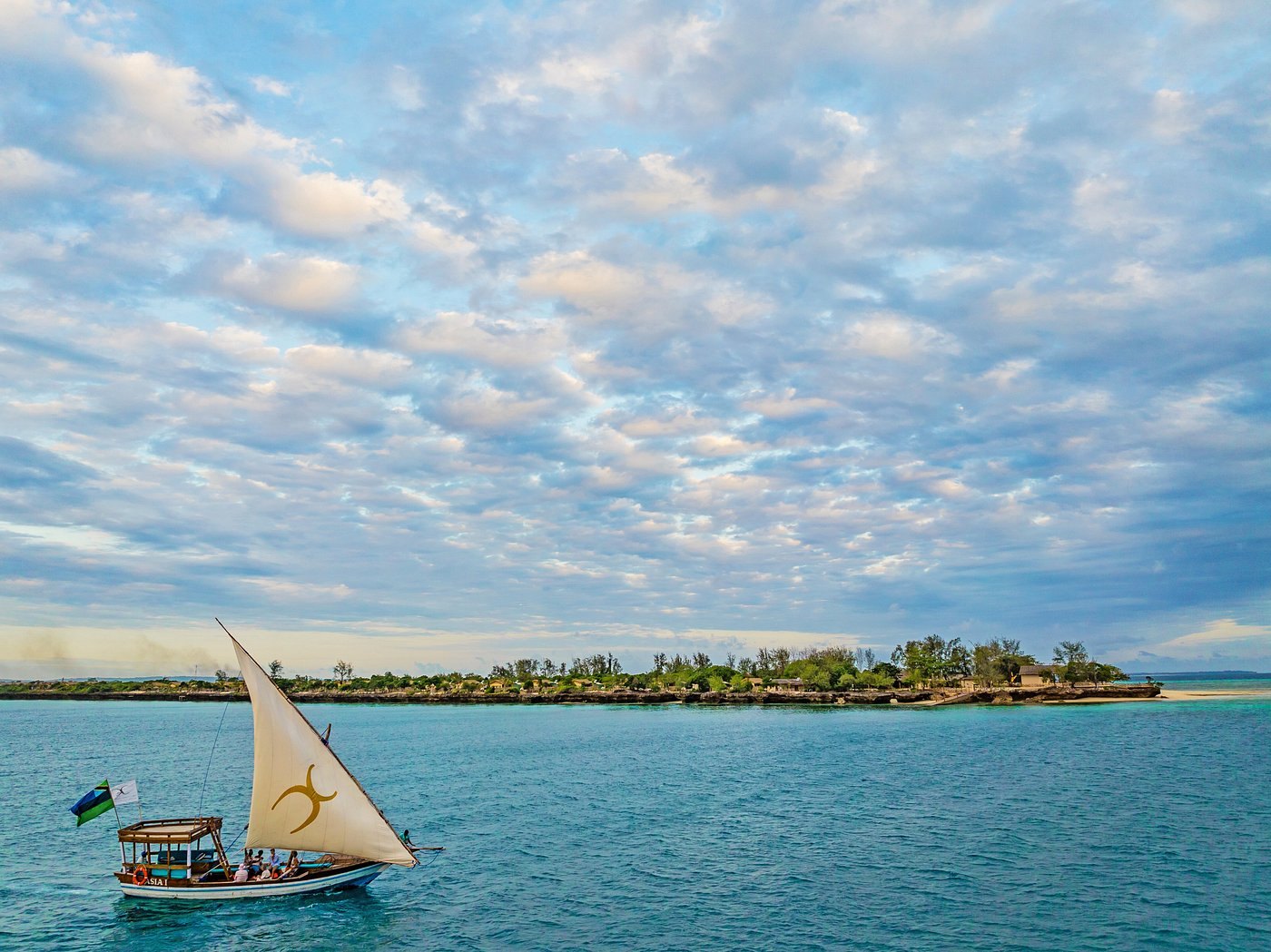
Zanzibar Finish
How a safari closes matters as much as how it opens, because the ending determines the aftertaste of the route.
Final thought
Tanzania and Botswana are both world-class safari destinations. The mistake is assuming they offer the same kind of reward. Tanzania is the stronger choice for travellers drawn to the structure, scale, and wildlife theatre of East Africa's iconic safari circuit. Botswana is the stronger choice for travellers who want privacy, immersion, and a quieter, more atmospheric luxury language.
The right answer depends less on the animals and more on the traveller.
If you are deciding between Tanzania and Botswana for your next safari, enquire privately and we will shape the right fit around how you actually want to travel.
.png&w=2400&q=86)