

For legal protections, local context and practical planning, read our considered guide to LGBTQ+ travel in South Africa.
When people search for LGBTQ+ travel in Southern Africa, they usually begin with one question: is it safe? It is a fair question, but it is not a complete one.
For Mason & Wild, the better question is whether a destination can be trusted in practice. That means legal standing, yes, but also hosting culture, discretion, route design, staff maturity, and whether a couple can move through a journey without unnecessary friction. A destination does not become the right fit because its tourism board says the right thing. It becomes the right fit when the experience on the ground is calm, polished, and intelligently handled. South Africa remains the strongest all-round option in this group, Botswana is more workable than many travellers assume, Namibia sits in a mixed middle ground, Mozambique can work in the right format, and Zambia and Zimbabwe require far more caution.
As a gay travel specialist from Cape Town designing private journeys across Southern Africa, I do not look at these destinations through ideology or marketing language. I look at them through lived regional knowledge, supplier vetting, and the standard of care I would expect for discerning LGBTQ+ travellers. Privacy, hosting culture, and on-the-ground handling matter more than slogans. That is the assessment that follows.
Which Southern African countries are best for LGBTQ+ travel?
For LGBTQ+ luxury travel in Southern Africa, South Africa is the clear leader. It offers the strongest legal framework in the region, and in the right parts of the country, the most mature hospitality environment too. Botswana is a credible safari choice when the trip is designed properly. Namibia can work well for privacy-led journeys, but the legal and social picture is still uneven. Mozambique is viable as a carefully handled beach extension. Zambia and Zimbabwe are the caution category, not the confident recommendation category.
At a glance: LGBTQ+ travel in Southern Africa
Country comparison
| Country | Legal picture | Social reality | Best fit | Mason & Wild view |
|---|---|---|---|---|
| South Africa | Strongest legal protections in the region, with same-sex unions recognised and a more established rights framework than its neighbours. | Varies by area, but high-end hospitality is generally mature and professional. | City, winelands, safari, coast | Best all-round option |
| Botswana | Same-sex sexual activity is no longer prohibited by law. | More conservative socially than South Africa, particularly beyond private safari settings. | Privacy-led safari | Strong when routed well |
| Namibia | Mixed legal environment, with a broader picture that remains uneven rather than settled. | Conservative attitudes remain, especially in rural areas. | Desert and lodge-based journeys | Promising but mixed |
| Mozambique | No laws against same-sex sexual activity, but wider security and operating conditions vary sharply by region. | Maputo is generally easier than remote areas, and the wider context still matters. | Beach extension with careful routing | Selective, not broad-brush |
| Zimbabwe | Restrictive legal environment. | Conservative social climate. | Niche appeal for some travellers, but not an easy fit | Caution |
| Zambia | Same-sex sexual activity is illegal. | Restrictive legal environment outweighs hospitality arguments. | Not one to soften or romanticise | Caution |
What matters more than marketing language
Luxury LGBTQ+ travel is not judged by whether a property uses the word "inclusive" on a website. It is judged by whether the experience feels easy without becoming performative.
That comes down to a few practical things. Can a couple check in without awkwardness? Do the hosts know how to read the room? Is the route built around privacy and ease, or does it put travellers into unnecessary friction points? Does the destination feel mature enough that guests are not constantly managing themselves?
These are the questions that matter more than brochures. They are also why legal status alone is never enough.
South Africa: the strongest all-round choice for LGBTQ+ travel in Southern Africa
South Africa remains the benchmark.
That legal framework matters because it sets a baseline for how systems are expected to function, not just individuals. In practical travel terms, South Africa also has the region's deepest hospitality infrastructure. That means stronger villa product, more sophisticated boutique hotels, better private guiding, stronger restaurant culture, and a wider pool of suppliers who understand how to host without making a guest feel observed or managed.
It is also the country where route design can become genuinely layered. Cape Town, the Winelands, certain private safari environments, and selected coastal extensions allow for journeys that feel both luxurious and socially easier than elsewhere in the region. That does not mean every corner of South Africa feels the same. It does mean that if you want the highest-confidence entry point for LGBTQ+ luxury travel in Southern Africa, South Africa is where I would start. For a South Africa-led rhythm, The Social Shift remains the clearest expression of the country's social confidence, while The Romantic shows how South Africa can be paired with a softer coastal chapter without losing control of the journey.
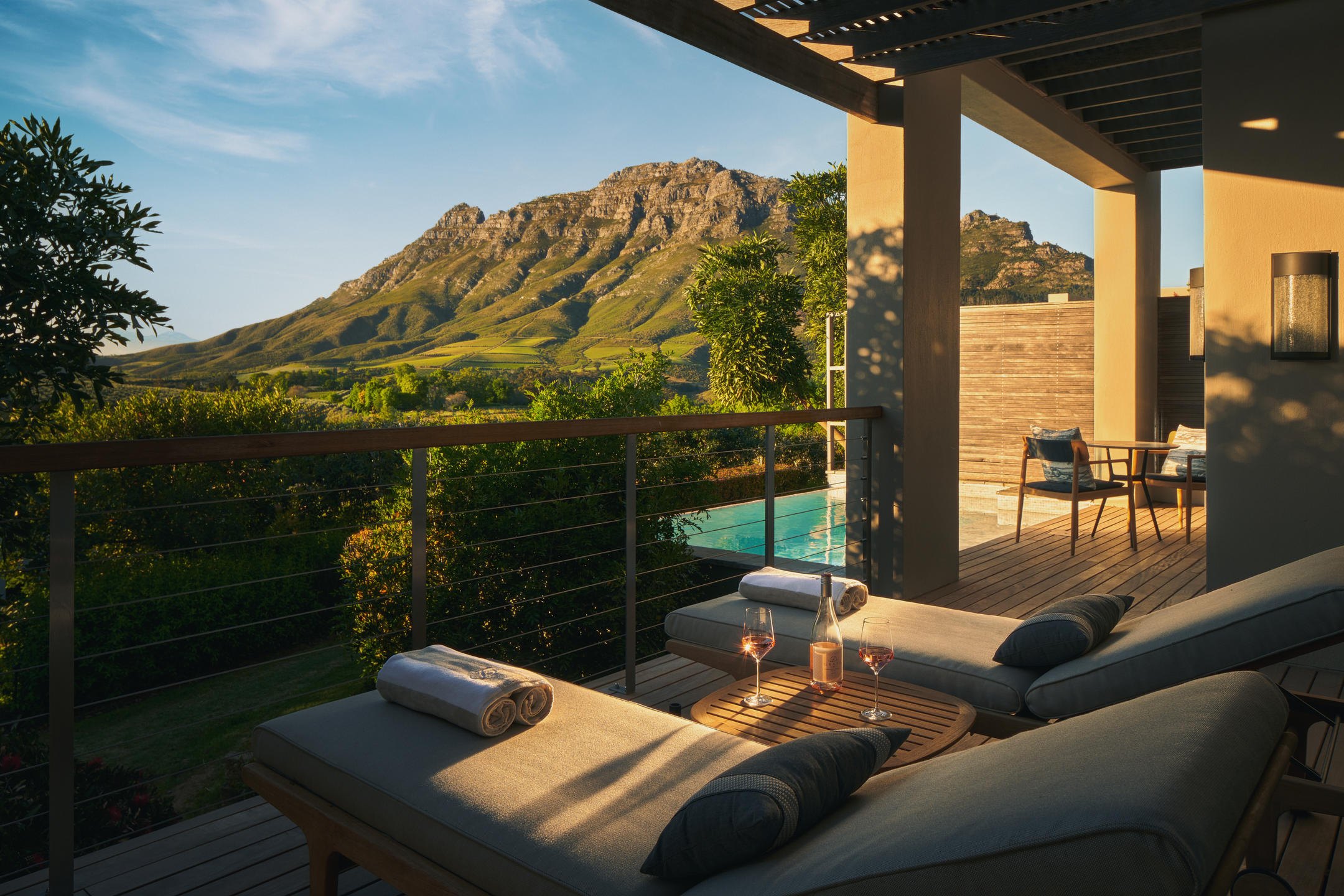
South Africa
Botswana: excellent for safari, but only with the right handling
Botswana is often underestimated in LGBTQ+ travel conversations.
That is exactly why Botswana needs nuance. The legal picture is more workable than many assume. The social picture is more conservative than the glossy safari world might imply. In practice, Botswana is strongest when it is experienced through private, well-run camps where discretion is already part of the operating culture. That matters because safari is naturally privacy-led. Guests spend most of their time in tightly managed environments with strong service standards, limited public exposure, and highly curated logistics.
For LGBTQ+ travellers who care about wildlife, silence, space, and a refined sense of retreat, Botswana can be exceptional. But it is not a destination I would sell on abstract friendliness. I would sell it on intelligent planning, supplier confidence, and the fact that the best camps know how to host serious travellers properly. That is why The Intimate works so well as a model: privacy is not added afterwards, it is built into the route from the start.
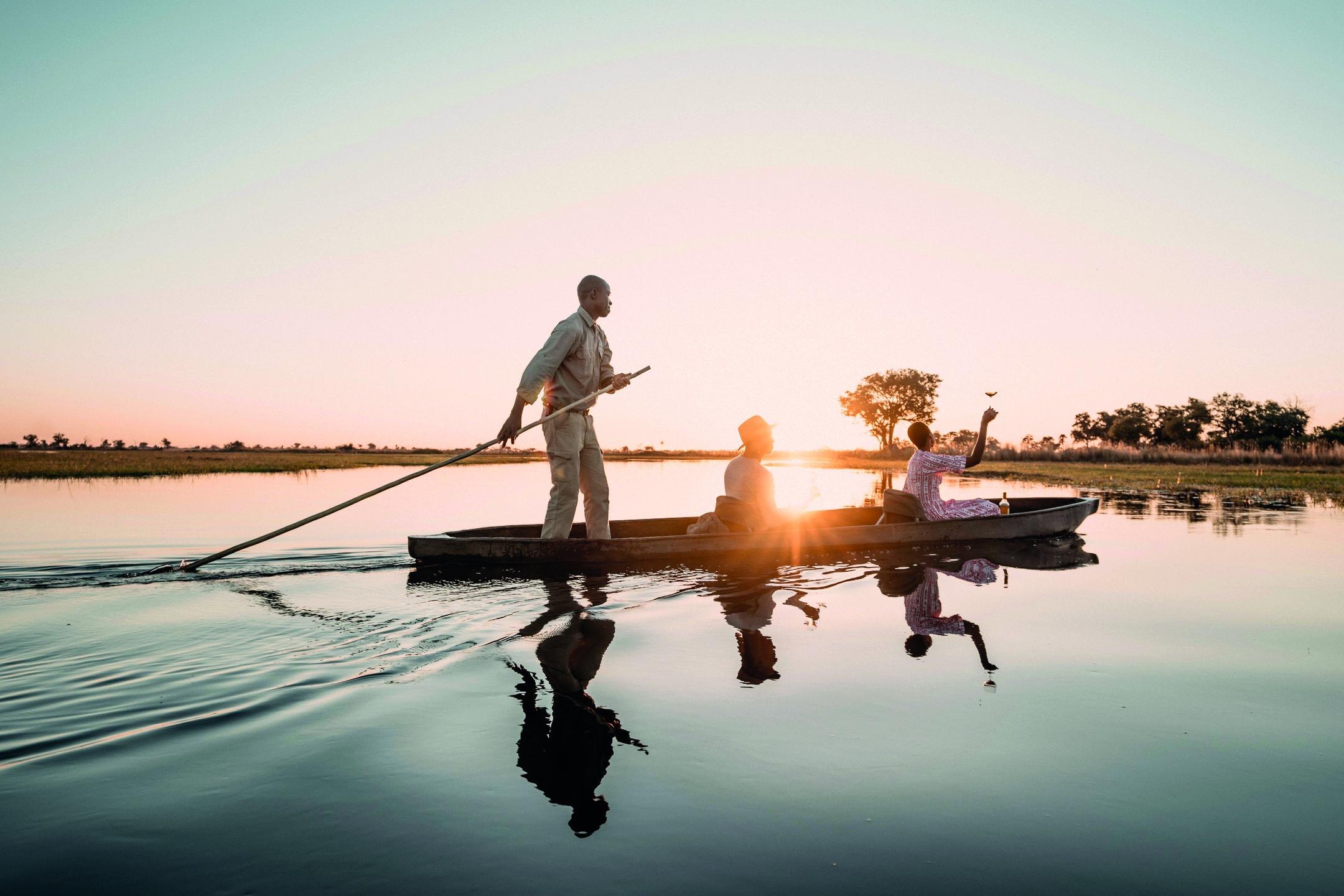
Botswana
Namibia: beautiful, workable, and still uneven
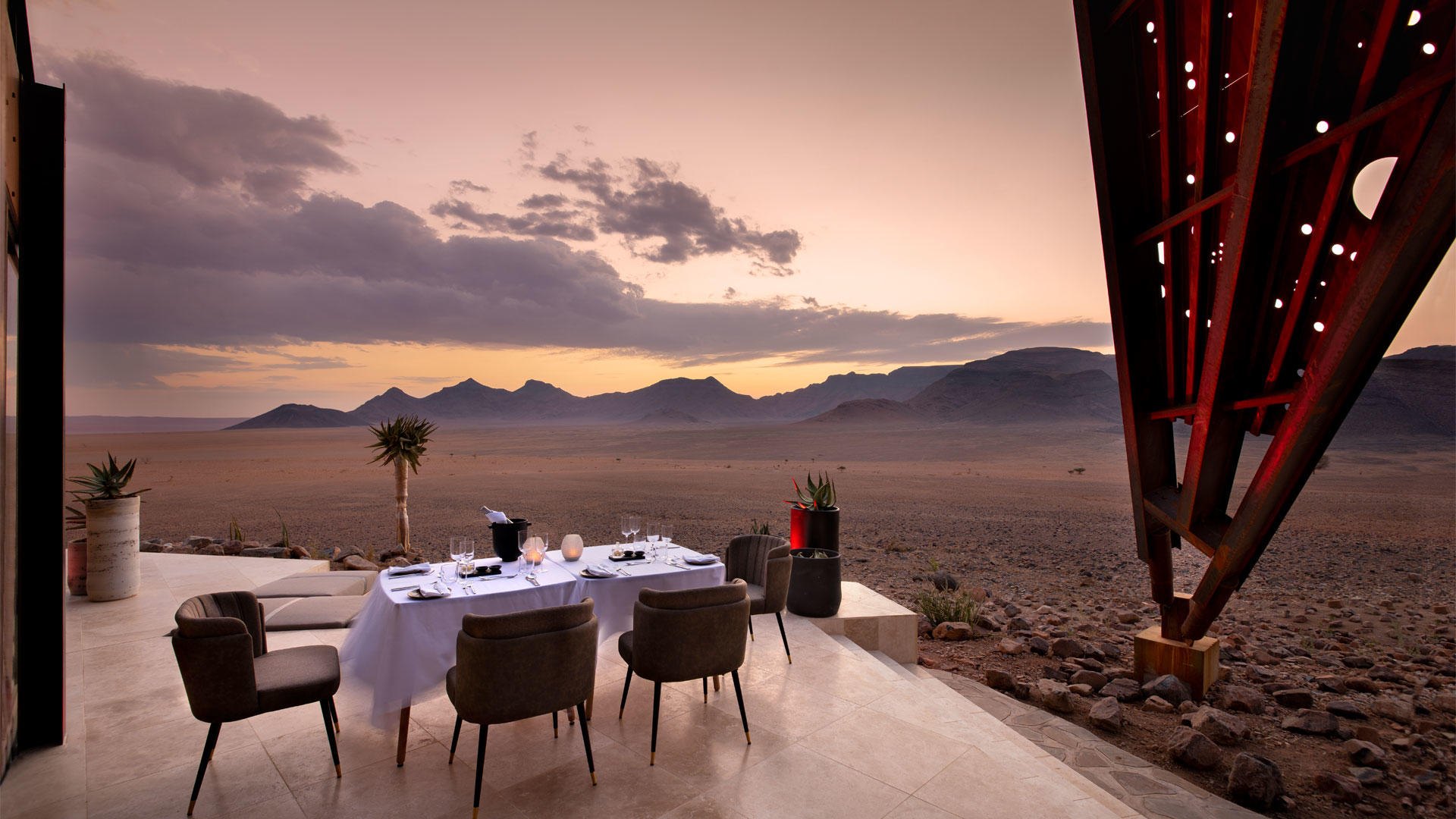
Namibia is one of the most visually compelling destinations in Southern Africa, and for privacy-led travellers it can work extremely well. But the legal and social picture is still mixed.
In practical terms, Namibia is often at its best for LGBTQ+ luxury travellers when the trip is built around landscape, distance, and lodge-based seclusion. It is not a destination I would frame through public expression. It is a destination I would frame through space, beauty, and a route that lets people exhale. The right camps and lodges can make the experience feel calm and almost meditative. The country itself, however, should still be read with realism rather than wishful thinking.
That is also why The Adventure is the right kind of Namibian proposition. It leans into distance, design, and private handling rather than asking Namibia to play a role it does not naturally occupy.
Namibia
Mozambique: best treated as a selective extension, not a blanket recommendation
Mozambique can work beautifully, but only when handled with precision.
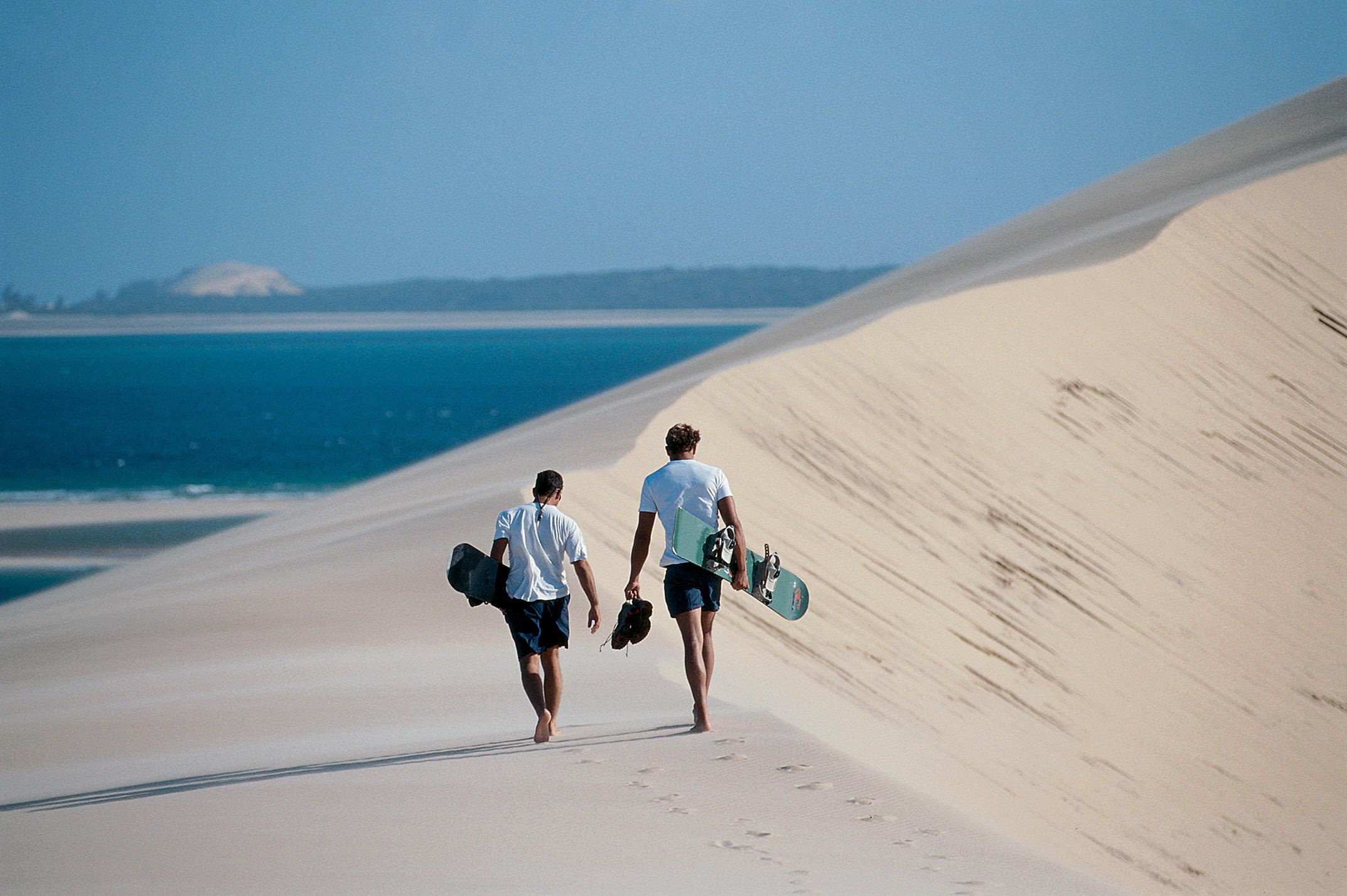
That combination is important. Mozambique is not one simple story. In the right luxury format, usually as a well-managed coastal or island extension paired with stronger routing elsewhere, it can feel soft, private, and restorative. But it is not the kind of destination to treat casually. Security, routing, lodge choice, and local operating confidence all matter more than the postcard version.
For LGBTQ+ travellers, Mozambique is best understood as a selective add-on for the right client, not a broad-spectrum recommendation. When it does fit, it usually fits best in the quieter extension logic seen in The Romantic, where the beach chapter is carefully controlled rather than treated as a generic add-on.
For a deeper view of the islands, marine experiences, Gorongosa and regional travel considerations, read our Mozambique safari and beach guide.
Mozambique
Zambia and Zimbabwe: where caution matters more than optimism
For Mason & Wild, trust matters more than stretching a destination to fit the story we want to tell.
Zambia is not a destination I would soften with beautiful safari language. However strong an individual camp may be, the legal environment matters, and that legal environment remains restrictive enough that it should shape the recommendation rather than be buried beneath it.
Zimbabwe requires the same kind of adult judgment. It can contain beautiful properties and memorable landscapes, but that does not turn it into an easy fit. Rarely enforced is not the same thing as relaxed. Beautiful property is not the same thing as dependable conditions. For a brand built on discernment, those are not small distinctions. They are the whole point.
What makes a destination genuinely workable for LGBTQ+ luxury travel?
When I assess LGBTQ+ travel in Southern Africa, I look at five things.
First, the legal picture. Law is not the whole story, but it sets the outer edge of risk. South Africa leads here. Botswana is materially more workable than many expect. Namibia is uneven. Mozambique is better on paper than some assume, but the broader context still matters. Zambia and Zimbabwe are caution territory.
Second, the hospitality layer. Strong properties do not just offer design and service. They offer emotional ease. That means discreet hosting, emotionally intelligent staff, and a team that does not force the guest to manage the atmosphere.
Third, the route itself. A destination can be excellent in one format and poor in another. Private transfers, city versus bush balance, beach sequencing, and degree of public exposure all matter.
Fourth, the difference between paper safety and felt safety. Travellers remember how a destination made them feel. The calmest journey is usually the one that has been thought through hardest.
Fifth, the willingness to say no. A good travel designer should not be trying to make every destination fit every client. Discernment is part of luxury.
Final assessment
If the goal is a well-designed, high-trust LGBTQ+ journey in Southern Africa, South Africa is still the foundation. Botswana is a strong safari option for the right traveller. Namibia is compelling and often very rewarding, but it requires a more measured hand. Mozambique works best selectively, not broadly. Zambia and Zimbabwe are not the destinations I would use to make a soft argument sound attractive.
That may not be the most marketable version of the story. It is the most useful one.
And for LGBTQ+ travellers, useful is worth more than performative reassurance.
Continue reading
If this piece helped you think more clearly about where Southern Africa does and does not work, the next read should be What It Means to Disappear Well: Choosing Africa with Intention, which looks at what makes a journey feel considered from the start, not simply attractive on paper.
FAQ section for SEO
Is Southern Africa safe for LGBTQ+ travellers?
Some parts are more workable than others. South Africa is the strongest all-round choice because it combines a stronger legal framework with a more mature hospitality environment. Botswana can work very well for private safari travel. Namibia and Mozambique require more careful reading. Zambia and Zimbabwe sit in the caution category.
Which country in Southern Africa is best for LGBTQ+ travel?
South Africa is the strongest overall option in this set. It combines the clearest legal footing with the region's broadest and most sophisticated luxury travel infrastructure.
Is Botswana good for LGBTQ+ safari travel?
Yes, Botswana can be excellent for LGBTQ+ safari travel when the trip is privacy-led and routed through the right camps.
Is Namibia LGBTQ+ friendly?
Namibia is better described as mixed than simply friendly.
Can LGBTQ+ travellers go to Mozambique?
Yes, but it should be handled selectively.
Why does Mason & Wild focus so much on privacy and hosting culture?
Because the real quality of a journey is shaped by more than laws. Supplier maturity, route design, discretion, and on-the-ground handling often matter more to the traveller's lived experience than whether a destination has learned the right marketing language.
.jpg&w=2400&q=86)