






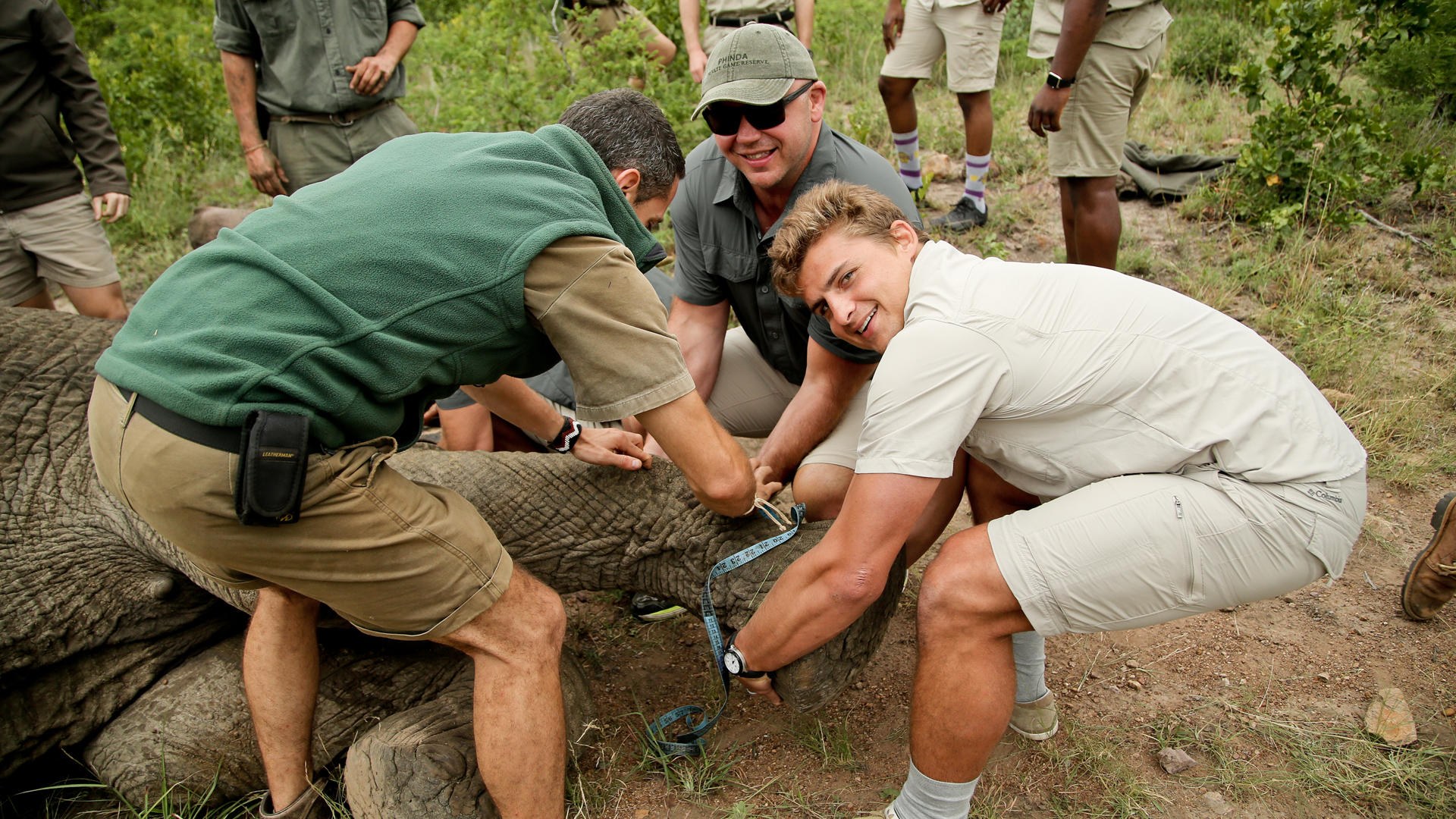
Beautiful wilderness is not proof of good conservation.
That is the first thing worth saying clearly. A place can look extraordinary and still be under pressure. A lodge can speak fluently about stewardship and still have weak ecological standards, shallow community relationships, or a conservation story that collapses under scrutiny. The language of conservation has become so attractive in luxury travel that it now often appears where the discipline behind it is thin.
That is why the question is not whether a place looks wild. The question is what is protecting it, how seriously, and at what cost.
Good conservation is visible in limits
If a conservation story cannot explain its pressure, limits, and trade-offs, it is probably marketing.
Working conservation usually reveals itself first through restraint. Lower density. Clear land-use discipline. Fewer beds than a site could probably carry. Better control over vehicle pressure. More willingness to leave a landscape quiet rather than extract every commercial opportunity from it.
This is not the most glamorous part of the story, which is why weak operators often avoid talking about it. But limits are often where seriousness becomes visible. A landscape under real stewardship is usually one where someone is prepared to say no.
This is also where access rules begin to matter. How many vehicles are out? How are sightings handled? How much movement is allowed? What is being protected from guest pressure as much as for guest access? That is exactly the distinction behind Private Conservancies vs National Parks: What Actually Changes the Experience.
Land protection should feel long-term, not cosmetic
One of the clearest signs that conservation is working is that the land is being treated as something with a future, not merely a backdrop for current bookings. That means habitat recovery matters. So does rewilding where appropriate. So does long-term protection logic that extends beyond one season, one ownership cycle, or one well-marketed initiative. The most serious operations think in decades, not in brochure seasons.
Botswana offers one of the clearest examples of this when it is handled well. In some areas, camps move or are rebuilt over time to reduce pressure on the same footprint and allow the land to recover and regenerate. That detail matters because it reveals a mindset. Conservation is not simply about setting land aside. It is about how lightly and how intelligently you choose to occupy it.
Wildlife protection has to go beyond sentiment
It is easy to say a property cares about wildlife. That is almost meaningless on its own. What matters is whether the operation participates in real protection. That can include anti-poaching support, field monitoring, habitat management, species recovery, and the kind of daily operational seriousness that protects wildlife long after the guest has gone home.
South Africa's rhino story is one example of how tourism, private reserves, public land, and protection economics can intersect meaningfully, even if the picture is never as simple as marketing would like it to seem. Working conservation is not an abstract affection for animals. It is a system of labour, funding, vigilance, and long-term discipline.
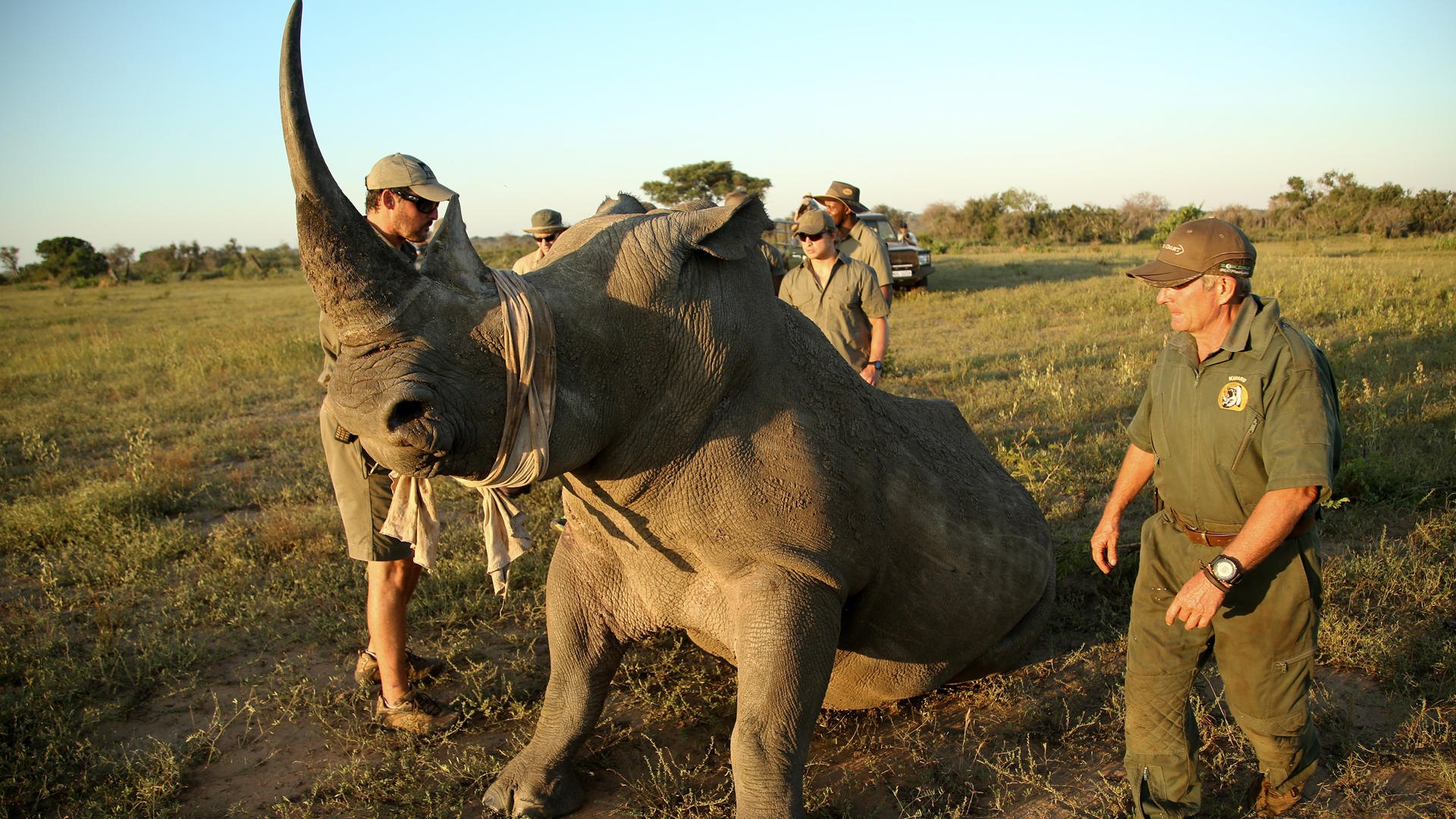
Rhino protection and field monitoring
Working conservation is active work: monitoring, protection, and the daily labour that keeps wildlife security real rather than rhetorical.
If people are missing from the story, the story is incomplete
This is where many conservation narratives become too comfortable. Land and wildlife matter, but no serious conservation model can ignore the people living in and around those landscapes. Education, employment, water access, skills transfer, and local partnership are not secondary benefits. They are part of whether conservation is likely to hold over time.
That is especially clear in places like Zambia and Zimbabwe, where the long-term value of safari tourism often depends on whether people living nearest to wildlife areas actually experience meaningful benefit from the model. A polished lodge surrounded by social neglect is not a conservation success story. It is a contradiction.
Good conservation is rarely just ecological. It is social as well.
Coexistence is one of the hardest tests
Some of the most honest conservation stories are not the cleanest ones. They are the ones that admit coexistence is difficult. Wildlife and people do not automatically live side by side in easy harmony. There are land pressures, water pressures, livelihood pressures, historical pressures, and daily realities that cannot be solved by marketing language.
That is why places where tourism helps make coexistence more viable deserve attention. In East Africa, including regions around Amboseli, the question of how farming communities and wildlife share space is not theoretical. It is lived. When tourism helps support education, local employment, land protection, and a model where wildlife is part of a viable future rather than a burden, that matters. It may not be tidy, but it is real.

Coexistence and local partnership
The human reality matters. Education, water, skills transfer, and viable shared landscapes are part of whether protection holds over time.
What to look for when conservation is working
Not every traveller wants to become an expert in conservation policy, and they should not have to. But there are practical signals worth noticing. The first is whether an operator can explain the limits of its model clearly. Not just the successes. The limits. Serious people usually can.
The second is whether the conservation story includes land, wildlife, and people in the same sentence. If one of those pieces is always missing, the picture is incomplete. The third is whether there is evidence of pressure control. Density matters. Access matters. Land regeneration matters. So does the willingness to let ecological logic outweigh short-term commercial gain.
The fourth is whether community language is specific. Giving back tells you almost nothing. Jobs, skills, schools, water access, local ownership, and durable partnership tell you far more. The fifth is whether the operation sounds like it is learning as well as selling. Working conservation is rarely static. It adapts, revises, and manages trade-offs.
Where the industry still gets it wrong
The biggest mistake is still confusing beauty with ethics. A remote setting, elegant design, strong guiding, and excellent wildlife do not automatically add up to a meaningful conservation model. Those things may coexist with one, but they do not prove it. Too many operators still borrow conservation language because it flatters the traveller and softens the commercial reality of luxury access.
That is why scrutiny matters. Not because cynicism is fashionable, but because serious travel deserves serious standards. For a broader argument about what luxury access owes the landscapes it depends on, read Beyond Beautiful Wilderness: What Private Travel Owes Conservation.
Final thought
When conservation is working, it usually looks less romantic and more disciplined than people expect. It looks like limits. It looks like long-term land logic. It looks like anti-poaching and habitat recovery. It looks like jobs, education, and local partnership that are strong enough to matter. It looks like pressure being managed rather than ignored. It looks like someone taking the future of a place seriously enough to protect it from both neglect and overuse.
That is the standard worth caring about.
Further Reading
For travellers who want a clearer sense of how stewardship, land protection, and real value shape a journey, read Beyond Beautiful Wilderness: What Private Travel Owes Conservation or enquire privately.