



For legal protections, local context and practical planning, read our considered guide to LGBTQ+ travel in South Africa.
South Africa is one of the few destinations in Africa that can genuinely hold a full luxury journey on its own.
That is not because it tries to be everything. It is because it offers unusual range with unusual polish. City, coast, wine country, wildlife, design, history, food, and landscape all sit within one country that has the hospitality maturity to carry them properly. For first-time Africa travellers, that matters. For LGBTQ+ luxury travellers, it matters even more. The right parts of South Africa can feel easy in a way few destinations on the continent consistently do.
More importantly, the range here is meaningful rather than promotional. South Africa is diverse in the ways that actually shape a journey: people, language, architecture, flora, fauna, light, weather, and the social texture of each region. Atlantic-facing Cape Town does not feel like Franschhoek. Franschhoek does not feel like greater Kruger. Greater Kruger does not feel like KwaZulu-Natal. That variation is precisely why the country works. It can hold more than one mood without losing coherence.
That is what makes South Africa such a strong entry point. It is not the wildest, the most remote, or the most singular destination in Africa. It is the most complete. That same logic sits behind The Classic, which treats South Africa not as a stopover before safari, but as a destination capable of opening the continent with real confidence.
Cape Town is where many journeys begin well
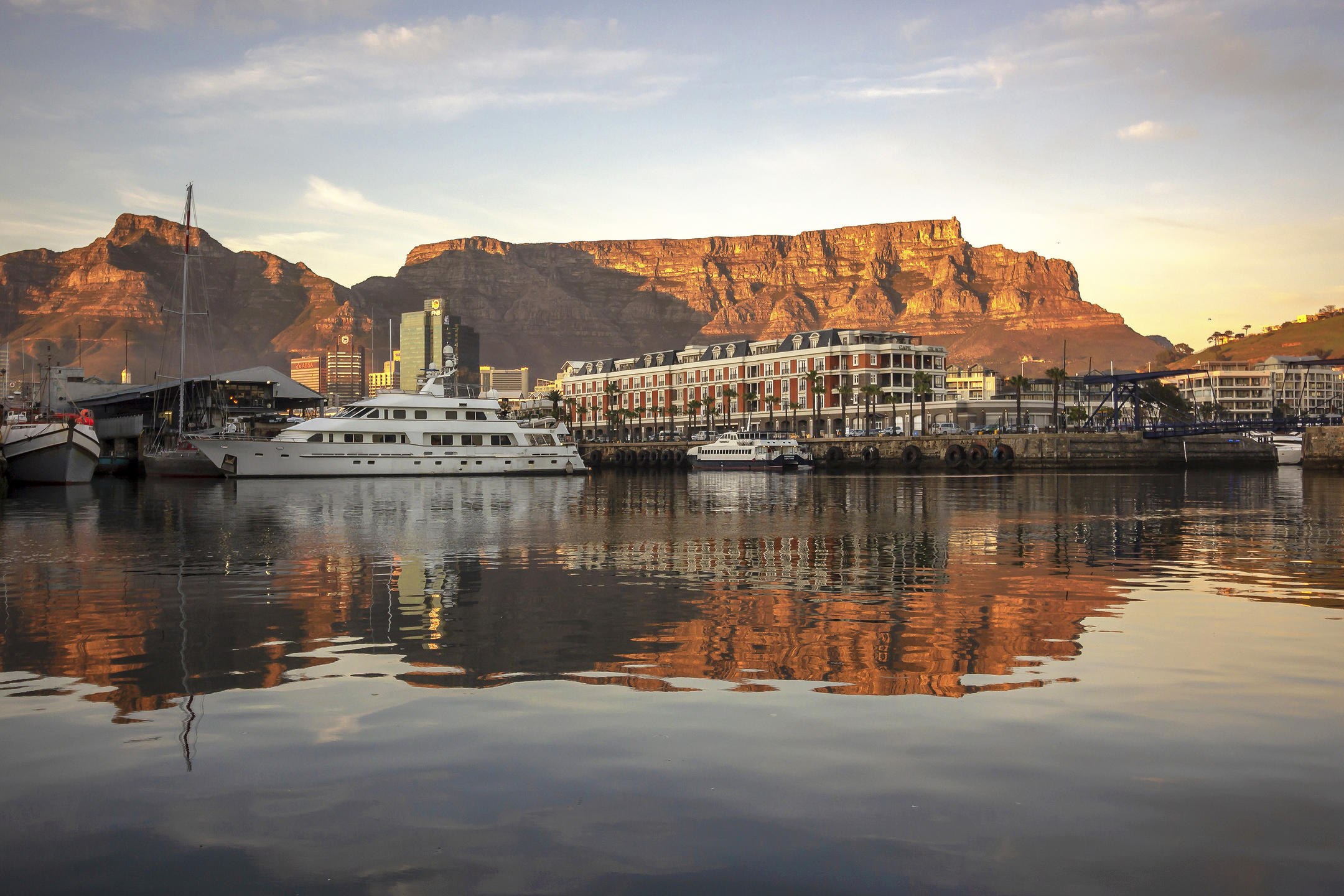
Cape Town remains one of the most visually compelling cities in the world, but its real strength lies in how well it opens a journey.
There is natural beauty, of course, with mountain, sea, and city held unusually close together. But there is also a hospitality rhythm here that is hard to overstate. Design matters. Service matters. The restaurant scene has real depth. The pace can be social or private depending on how you structure it. For travellers arriving in Africa for the first time, Cape Town gives immediate confidence because it is both beautiful and legible.
That matters to me because Cape Town is home ground. Familiarity changes how you read the city. The strongest version of Cape Town is not a checklist of highlights, but a sequence of well-judged moments: a neighbourhood that suits the client's pace, a hotel that understands discretion, a table worth leaving the room for, and enough space around the itinerary that the city can breathe.
For travellers who want classic stature with real calm, Mount Nelson Hotel remains one of the city's enduring addresses.
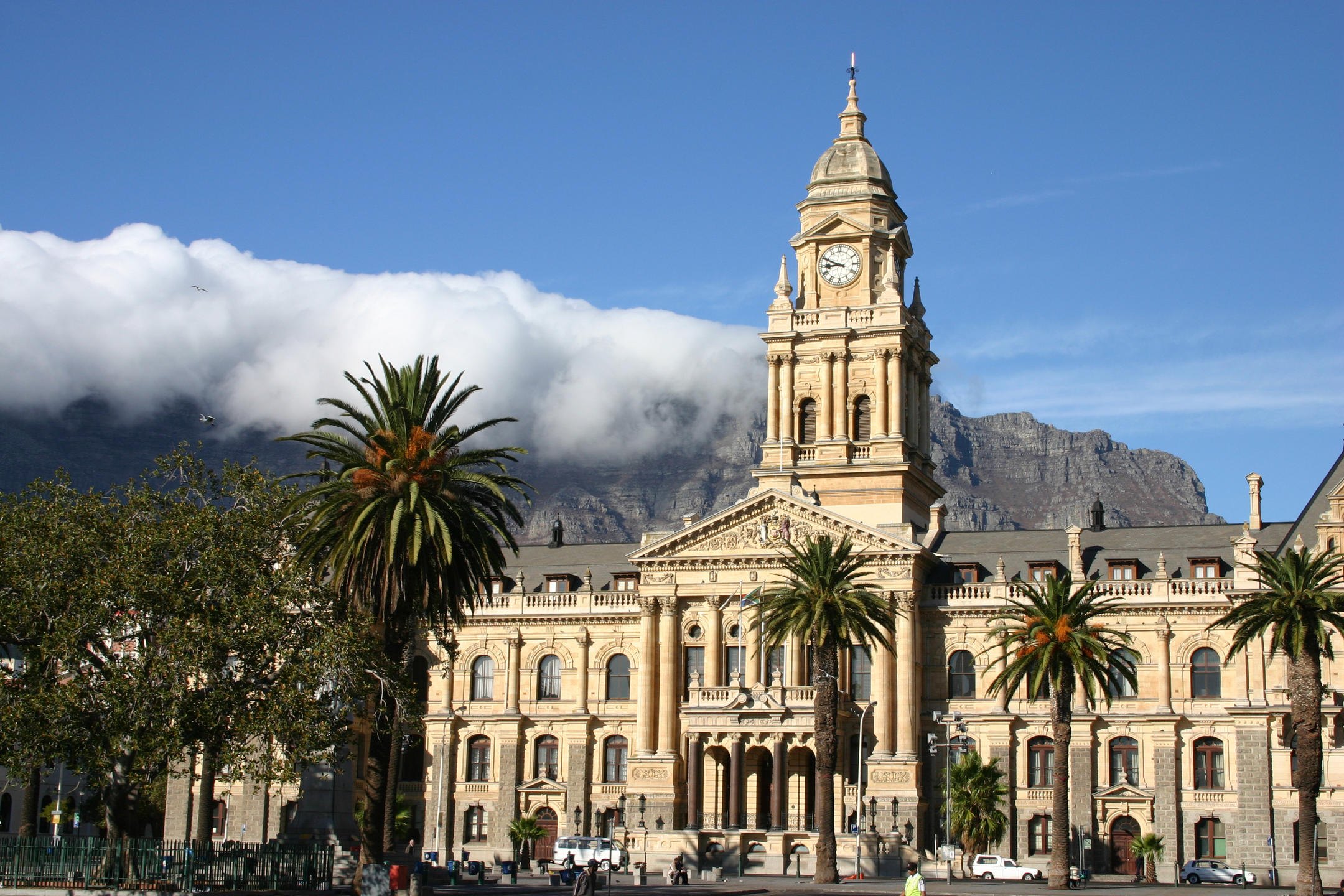
Cape Town
The Winelands bring softness, privacy, and tempo change
The Winelands are where South Africa slows elegantly.
After Cape Town, Franschhoek and the wider wine country offer a different kind of richness. More space. More stillness. More cultivated beauty. It is not simply about wine, though that matters. It is about the shift in rhythm that the landscape allows. Mornings lengthen. Meals become more anchored. The visual register softens from city edge to valley light.
This is also where South Africa shows one of its greatest strengths as a luxury destination: contrast without friction. You can move from city energy to vineyard calm in a way that feels effortless rather than forced.
In Franschhoek, La Residence remains one of the clearest expressions of that softer, more romantic side of the country, generous without becoming loud.
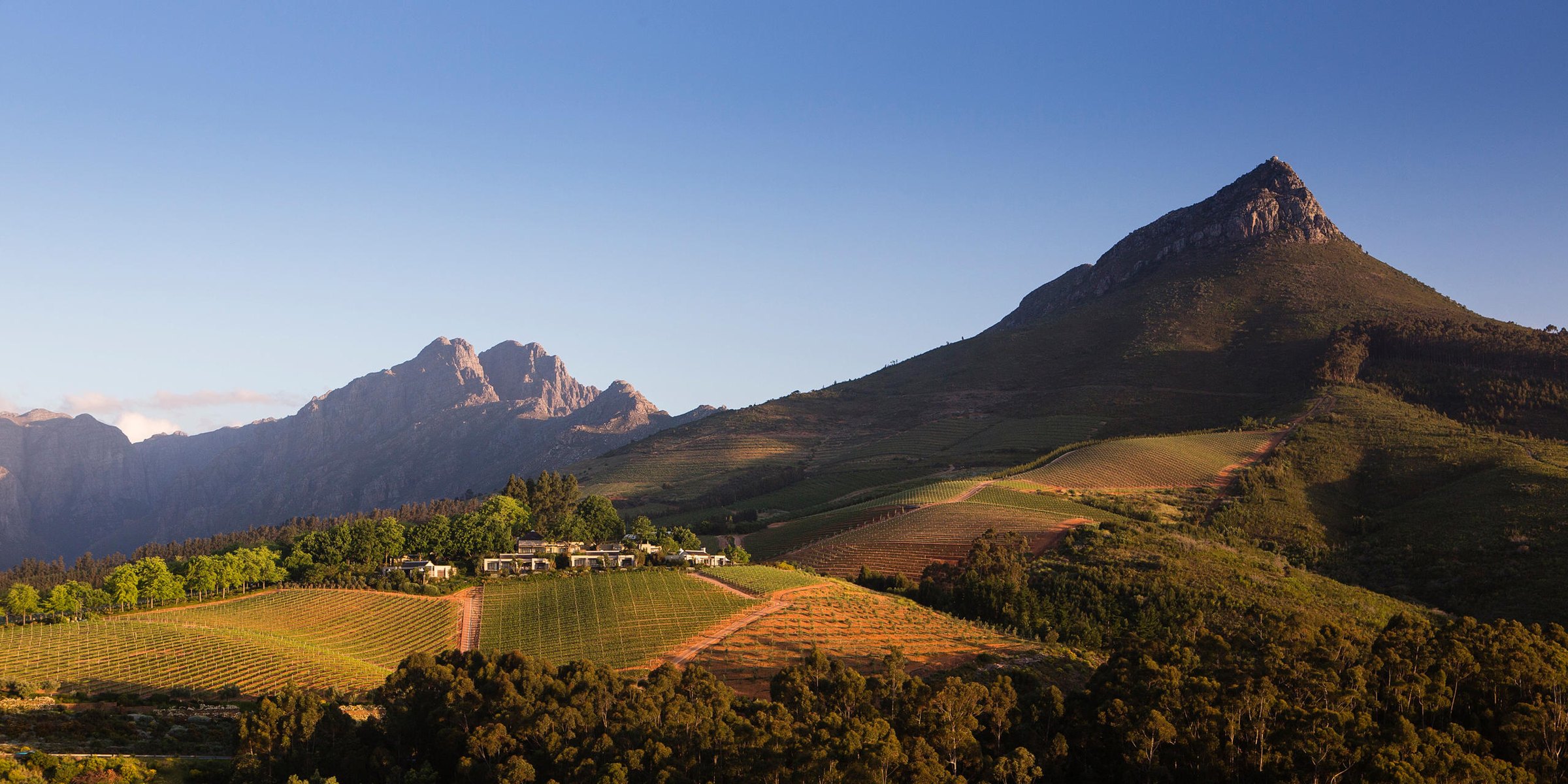
Franschhoek
Private safari is where South Africa becomes more than polished
For all its style and hospitality confidence, South Africa would not feel complete without safari.
This is where many first-time travellers make an understandable mistake. They assume the national park name is the entire story. It is not. In practice, the greater Kruger private reserves often deliver the more refined safari experience because access rules, guiding flexibility, traversing rights, and vehicle density shape the day in ways a map alone will never explain.
That difference matters. It is the reason so many of the strongest safari stays sit in privately managed areas rather than in the headline public park itself. For a fuller explanation of why those access rules change the feel of a drive, read Private Conservancies vs National Parks: What Actually Changes the Experience.
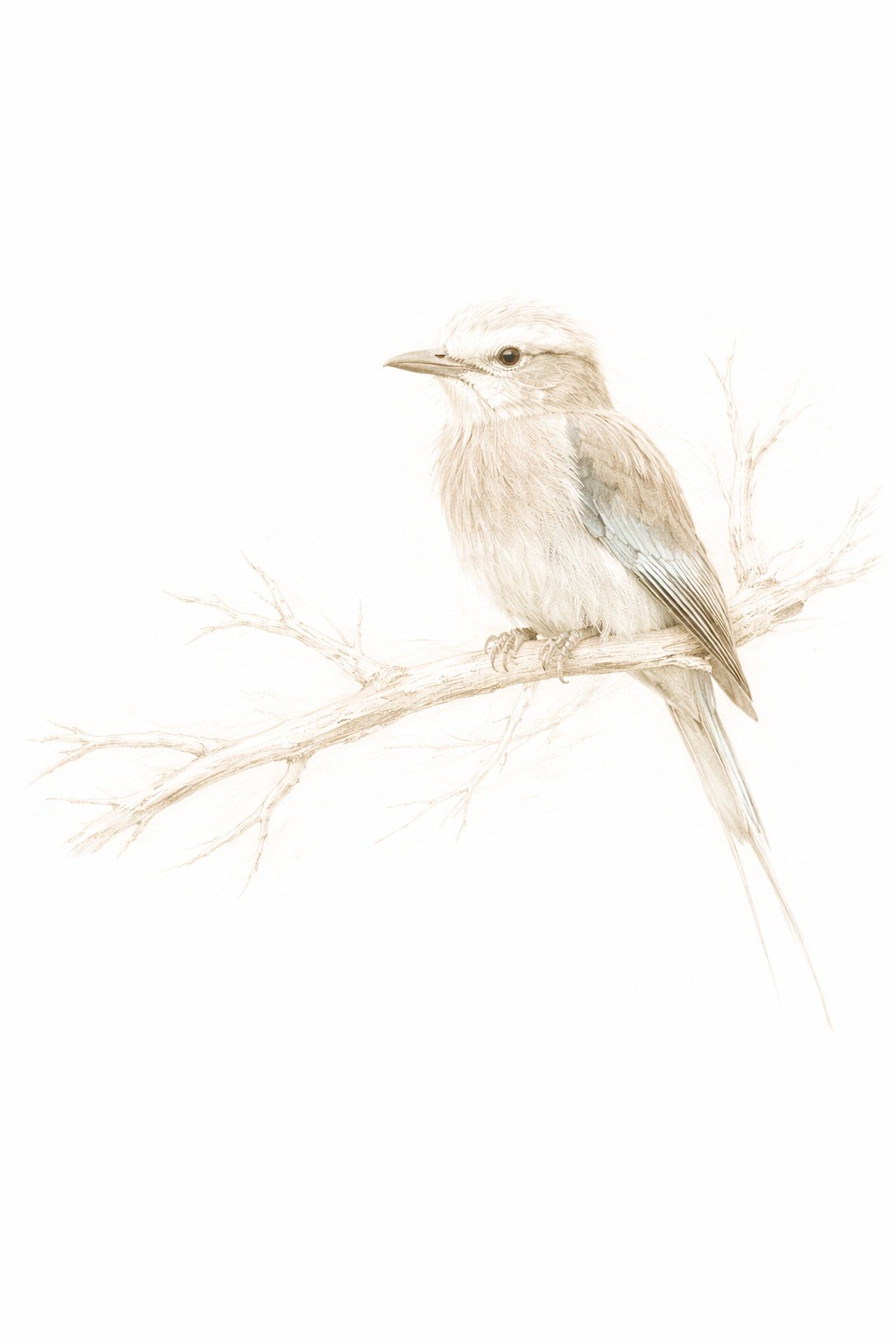
Dulini Moya is a good example of the intimacy and composure that private reserve safari can offer when it is done well: smaller scale, less noise, better rhythm, and a stronger sense that the day belongs to the guest rather than the queue of vehicles behind them.
This is also why South Africa works so effectively as a first safari destination. It combines serious wildlife experience with a more polished and legible hospitality layer than many first-time clients expect. City and safari can sit in one journey without either feeling diluted.
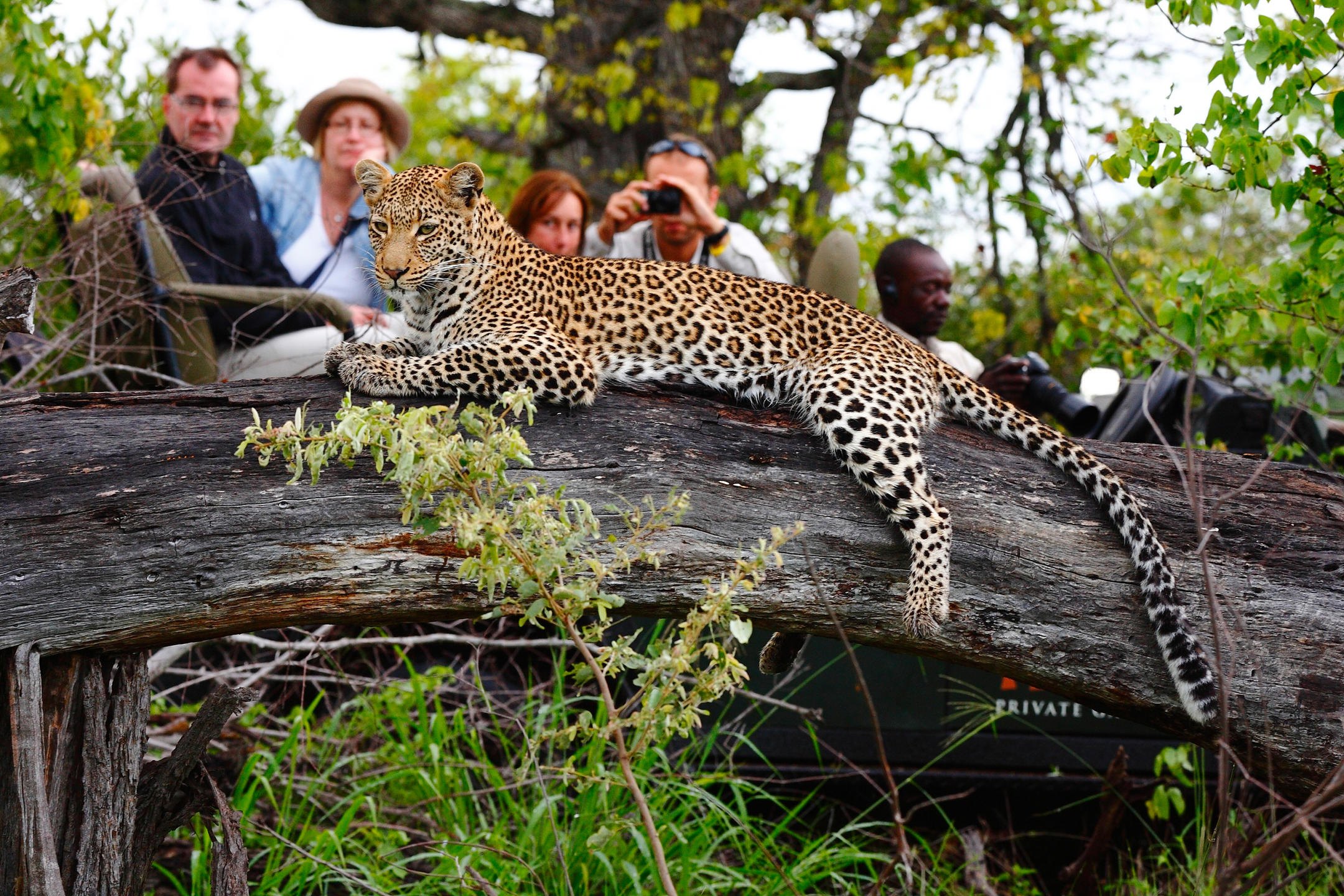
Greater Kruger
The Garden Route is not mandatory, but it can work beautifully
The Garden Route is one of those regions that depends entirely on how it is used.
Handled lazily, it can become an overextended self-drive cliche. Handled well, it adds coastline, forests, slower movement, and a broader sense of South Africa's natural variation. It is not essential for every itinerary, and it should not be included by default. But for travellers who want a more layered overland rhythm between city and safari, or who enjoy a journey with changing scenery and a little more breathing room, it can work beautifully.
This is where discernment matters. South Africa's range is a strength, but only when it is edited properly.
KwaZulu-Natal offers a different mood entirely
KwaZulu-Natal belongs in the conversation because it feels different from the Western Cape and different again from greater Kruger.
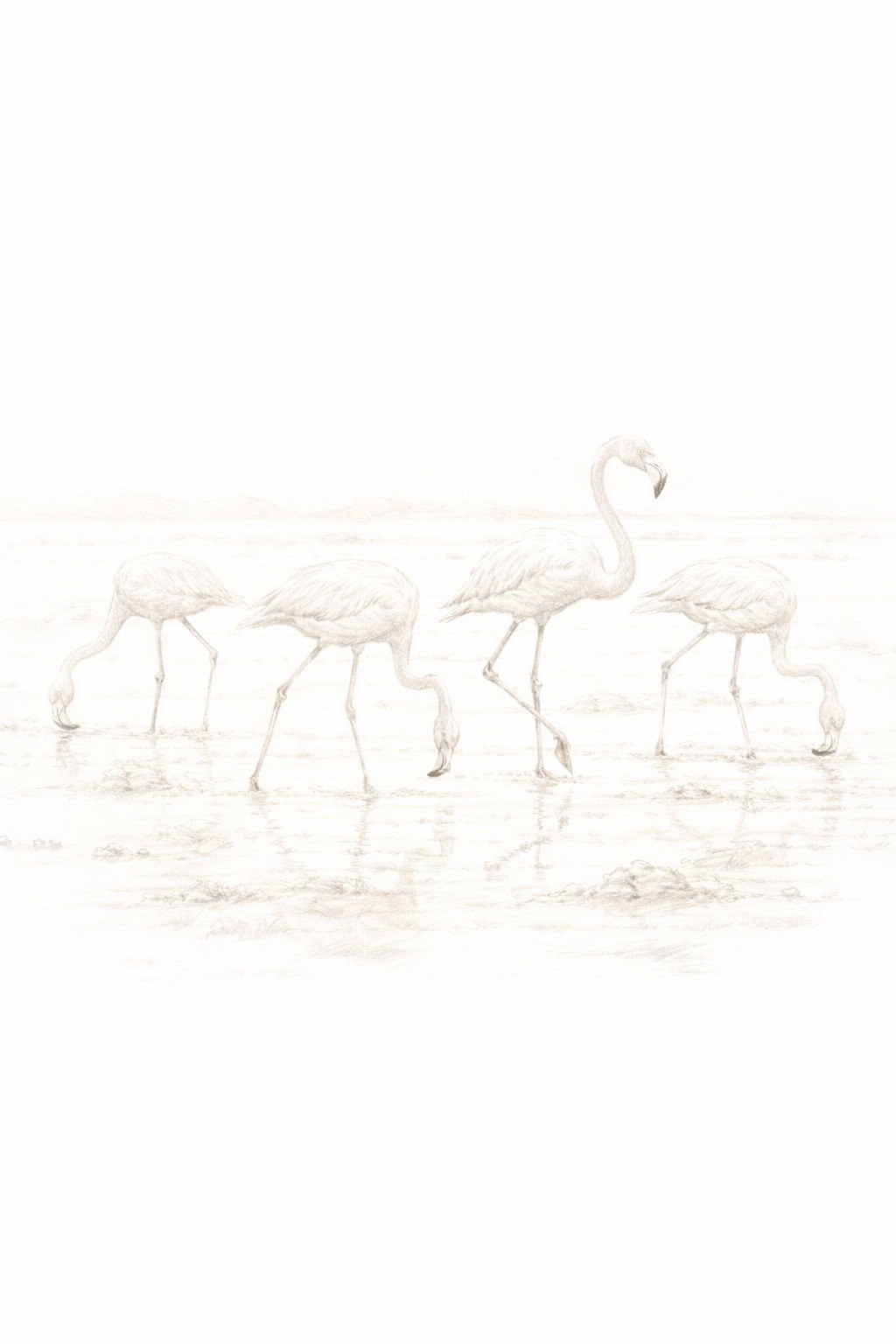
The mood is greener, softer, and often more layered in ecological terms. Depending on how a trip is designed, KwaZulu-Natal can bring together safari, coastal proximity, and a stronger sense of subtropical depth. It is less universally expected than Cape Town or Kruger, which is part of its appeal.
At the right level, it can also feel exceptionally rewarding. andBeyond Phinda Forest Lodge is one of the properties that shows how strong this region can be when privacy, landscape, and lodge character align.
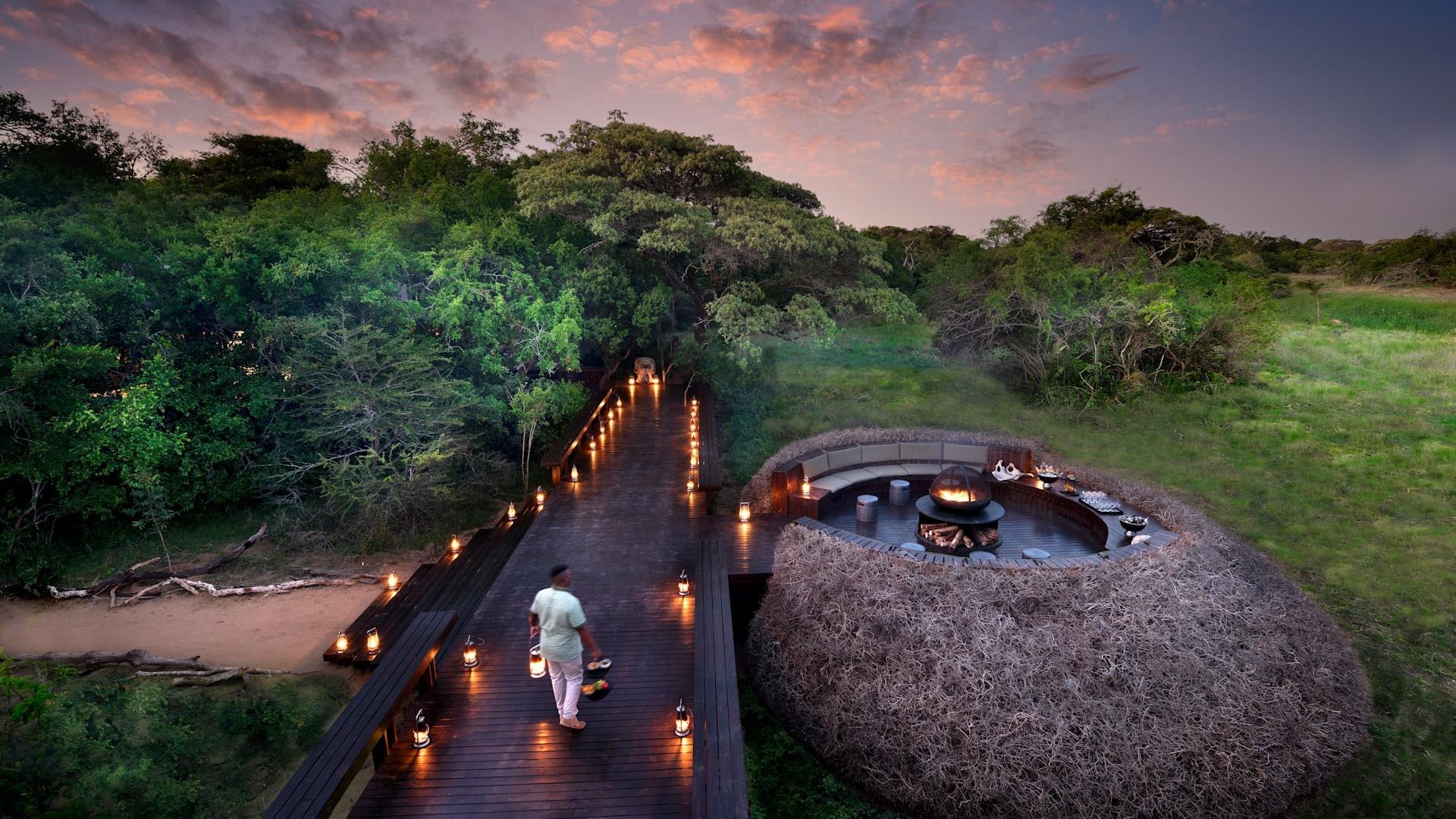
KwaZulu-Natal
Johannesburg adds context, not glamour
Johannesburg should not be sold as South Africa's most luxurious stop. It should be understood as its most important one in terms of history and cultural context.
If used well, Johannesburg gives a journey weight. It allows travellers to engage with the country beyond scenery and hospitality. The city carries the story of modern South Africa in ways that are uncomfortable, complicated, and necessary. That is precisely why it matters.
For some itineraries, it should remain a gateway only. For others, especially those wanting a fuller understanding of the country, it deserves time. The point is not to oversell it. The point is to know what role it should play.
Why South Africa works so well for LGBTQ+ luxury travellers
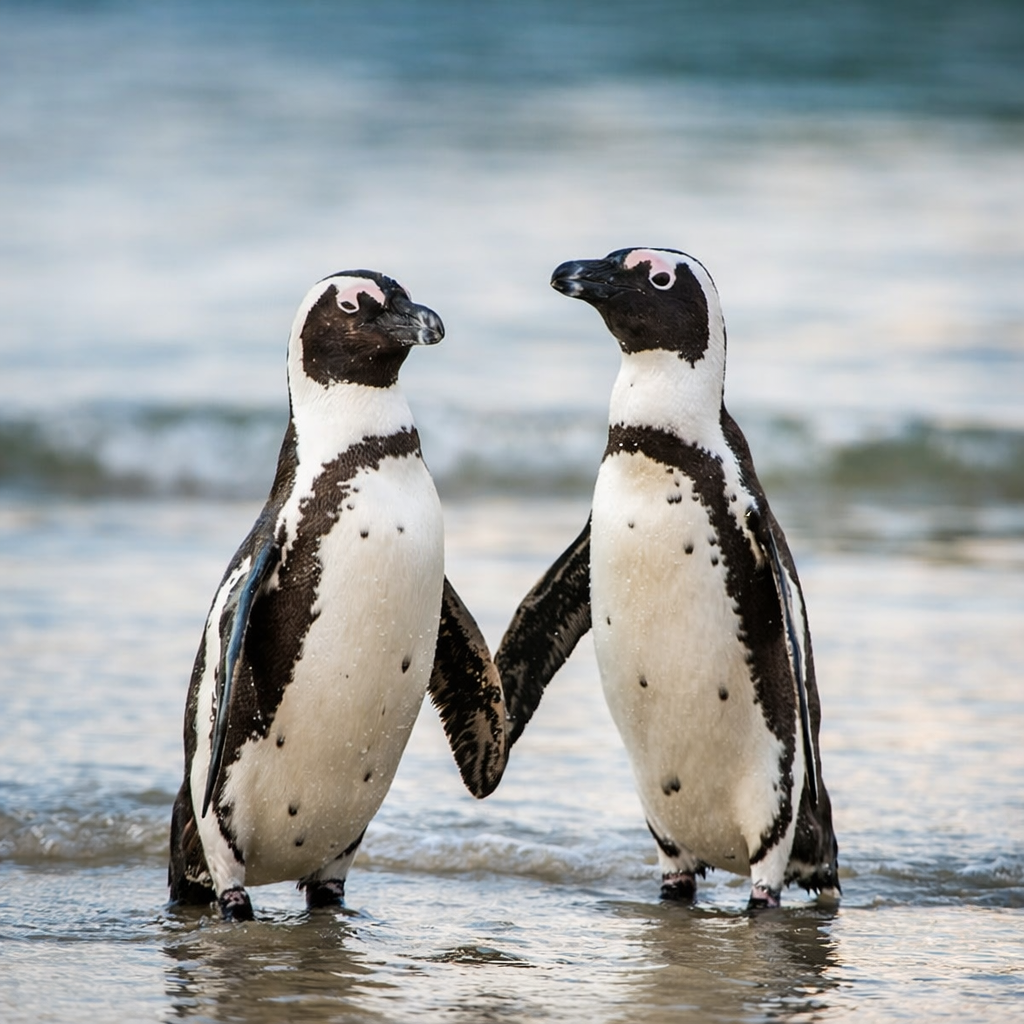
South Africa remains one of the most workable destinations on the continent for LGBTQ+ luxury travellers, not because every setting feels identical, but because the country combines a stronger hospitality maturity with a wider range of environments that can be handled with real confidence.
That includes city stays, private villas, wine country retreats, and safari lodges where service and discretion are already part of the operating culture. For first-time travellers, that breadth creates reassurance. For return travellers, it creates range. The result is a destination that can feel celebratory, private, restorative, or socially alive depending on how the trip is designed.
Final thought
South Africa is not one experience. That is precisely why it works.
It can be urban and wild, coastal and inland, socially dynamic and deeply private, all within a single journey that still feels coherent. That kind of completeness is rare. It is one of the reasons South Africa remains the strongest all-round entry point to African luxury travel, especially for travellers who want both confidence and complexity from the same destination.
Plan Your South Africa Journey
For travellers drawn to South Africa's range, polish, and depth, explore The Classic or enquire privately to begin with the pace, privacy, and regional balance you want the journey to hold.
Continue reading
For a broader regional perspective, read LGBTQ+ Travel in Southern Africa: Where It Works, Where It Doesn't, and Why.
If you want the safari access distinction in more detail, continue with Private Conservancies vs National Parks: What Actually Changes the Experience.
.png&w=2400&q=86)