





Beautiful wilderness proves very little on its own.
A landscape can be visually extraordinary and still be poorly managed. A lodge can feel tasteful and still contribute very little to the long-term health of the land around it. A safari can be sold through the language of conservation while relying on assumptions most guests are never invited to examine.
That is the problem. In African travel, conservation is often treated as atmosphere rather than obligation.
Private travel does have a direct impact on conservation. At its best, it helps fund the protection of wildlife, safeguard extraordinary landscapes, and support the people whose lives and livelihoods are inseparable from those ecosystems. But that is only true when the model is serious. Responsible access is not created by beautiful branding. It is created by funding, restraint, density control, land protection, local partnership, skills transfer, anti-poaching support, and a willingness to think beyond the current booking cycle.
Conservation is not a styling detail
The luxury travel industry likes the word conservation because it flatters everyone involved. It gives travellers a moral frame for their spending. It gives operators a language of purpose. It gives beautiful places an ethical glow that is easy to market and difficult to interrogate.
But conservation is not a mood, and it is not validated by the presence of wildlife alone. The real question is whether an operation contributes meaningfully to the long-term health of the ecosystem it depends on. That includes how the land is used, how many guests it carries, what pressure is placed on wildlife, whether anti-poaching and ecological protection are properly funded, and whether local communities gain something durable from the model beyond surface-level employment statistics.
If those questions cannot be answered properly, the word conservation is doing too much work.
What private travel actually owes the land
Private travel owes conservation more than admiration. It owes funding, first of all, because protected land, wildlife management, rewilding, habitat recovery, anti-poaching, and serious ecological stewardship all require sustained financial input. The idea that extraordinary places can simply remain intact because they are beautiful is fantasy.
It also owes restraint. High nightly rates do not excuse poor density management. Responsible access means understanding that part of the value of wild space lies in what is not done to it. How many beds are built, how vehicle movement is handled, how sightings are approached, and how much pressure a landscape is asked to absorb all matter. This is also why the access model itself matters, and why Private Conservancies vs National Parks: What Actually Changes the Experience is ultimately a conservation question as much as a guest-experience one.
It owes long-term seriousness as well. Land protection is not meaningful if the operating model only works in the short term or only serves the optics of being conservation-minded. The best safari operations understand that the land comes first, even when that requires limits that are less convenient commercially.
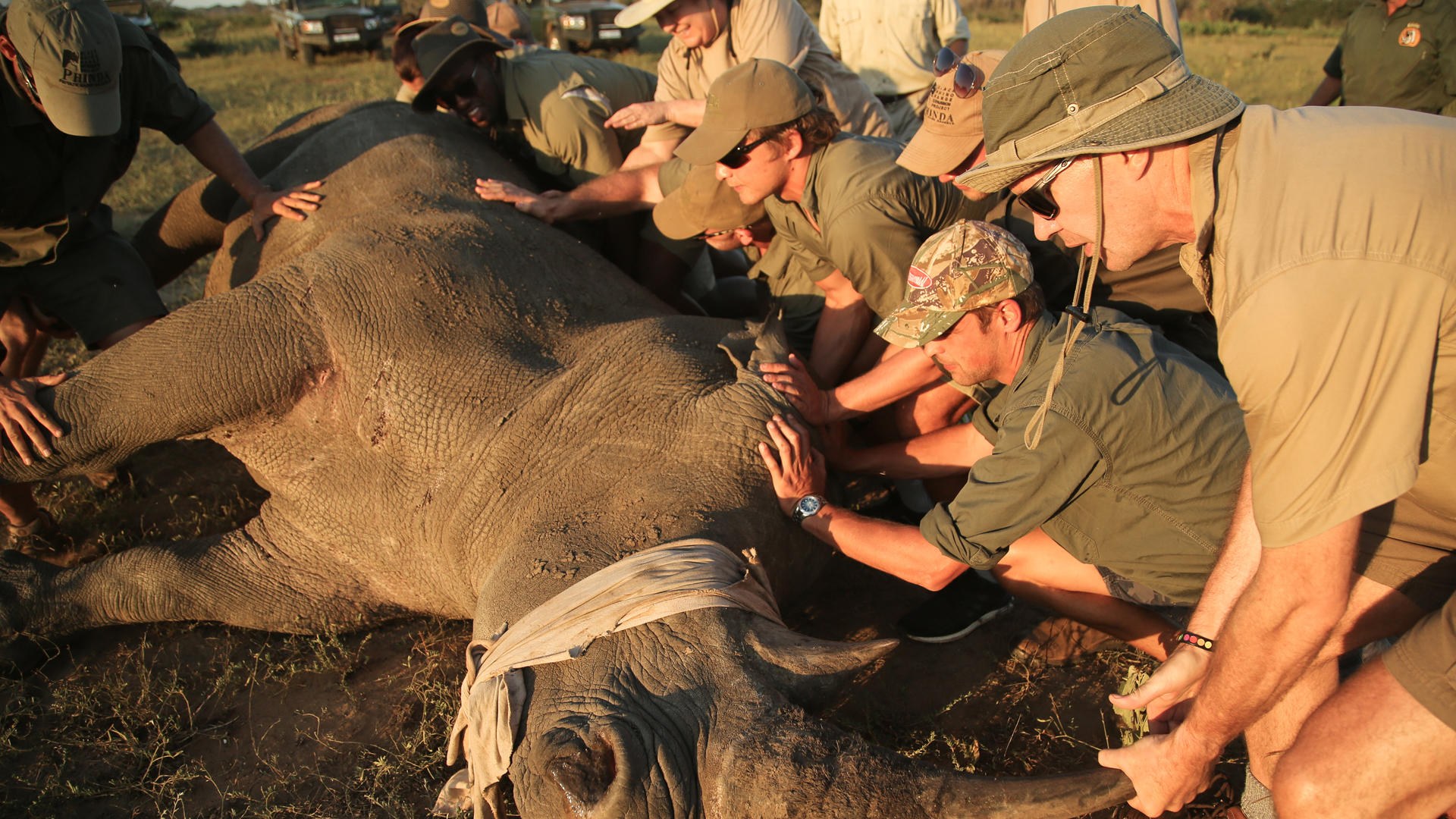
Fieldwork
Stewardship is not abstract. It is ongoing work on the ground.
Botswana is a strong example of what restraint can look like
Botswana offers one of the clearest examples of conservation through restraint when the model is handled well. Some camps move or are rebuilt over time rather than sitting permanently on the same footprint, allowing the land to recover and regenerate. That matters. It reflects a relationship with landscape that is based not only on presence, but on pressure.
The best operations understand that preserving wilderness is not simply about setting land aside. It is about managing how lightly you move through it. This is one of the reasons Botswana has become such an important reference point in serious safari conversations. At its best, the country shows how private travel can support a model where lower density, stronger land protection, and high-value tourism create space for nature to recover rather than simply absorb demand.
That does not mean every camp is above criticism. It means Botswana, at its strongest, shows what can happen when restraint is treated as part of the product rather than a limit on it.
South Africa shows what tourism can help protect
South Africa offers a different but equally important conservation story. In many areas, tourism has helped create the financial conditions for wildlife protection at scale, including support around rhino conservation and the wider management of privately and publicly protected land. That does not make tourism the sole reason wildlife has endured or recovered, and it certainly does not mean the work is finished. But it does show that international travellers are not peripheral to the future of these landscapes. They are part of the economic system that makes protection possible.
This is the hard truth many distant observers miss. For Africa's people, wildlife, and environment, international travellers matter. Their spending can help fund protection, create jobs, support skills development, and make living landscapes economically viable in ways that pure idealism cannot. That is precisely why the standards around how safari is done matter so much.
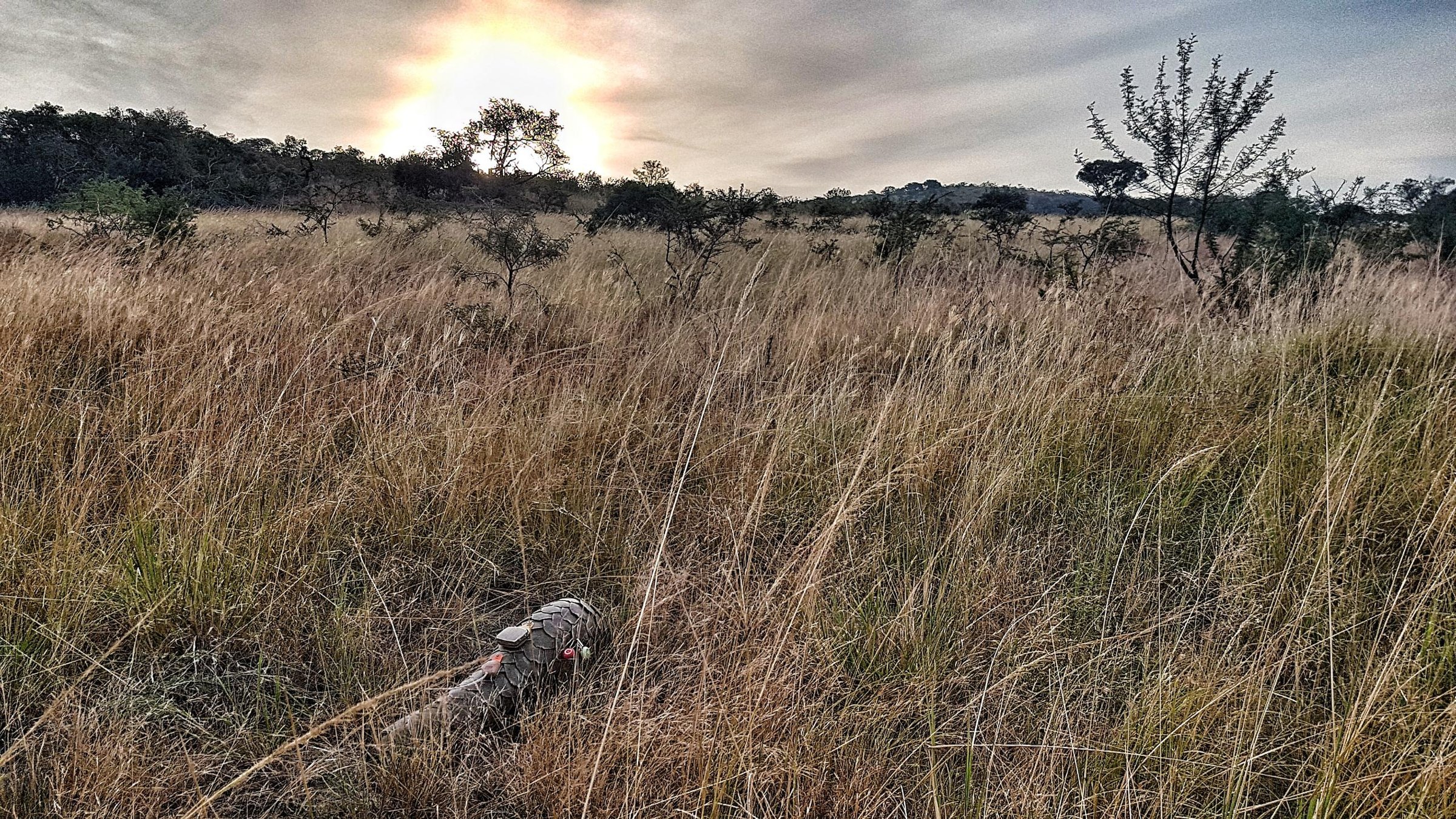
South Africa
Protection depends on people, skill, and constant attention.
Zambia, Zimbabwe, and the human side of conservation
Conservation is often discussed as if it were only about animals and land. It is not. In places like Zambia and Zimbabwe, the long-term value of safari tourism is also tied to what it enables for people living in and around wildlife areas. Education, access to water, employment, skills transfer, and a functioning relationship between local communities and protected landscapes are not secondary benefits. They are part of whether conservation holds.
A wilderness area cannot be understood properly if the human reality around it is ignored. Nor can responsible travel be measured only in guest experience. If high-value tourism creates beautiful enclaves while bypassing the people living closest to the land, the moral case for the model becomes weaker, not stronger.
This is why local partnership matters. Not as a talking point, but as an operating principle.
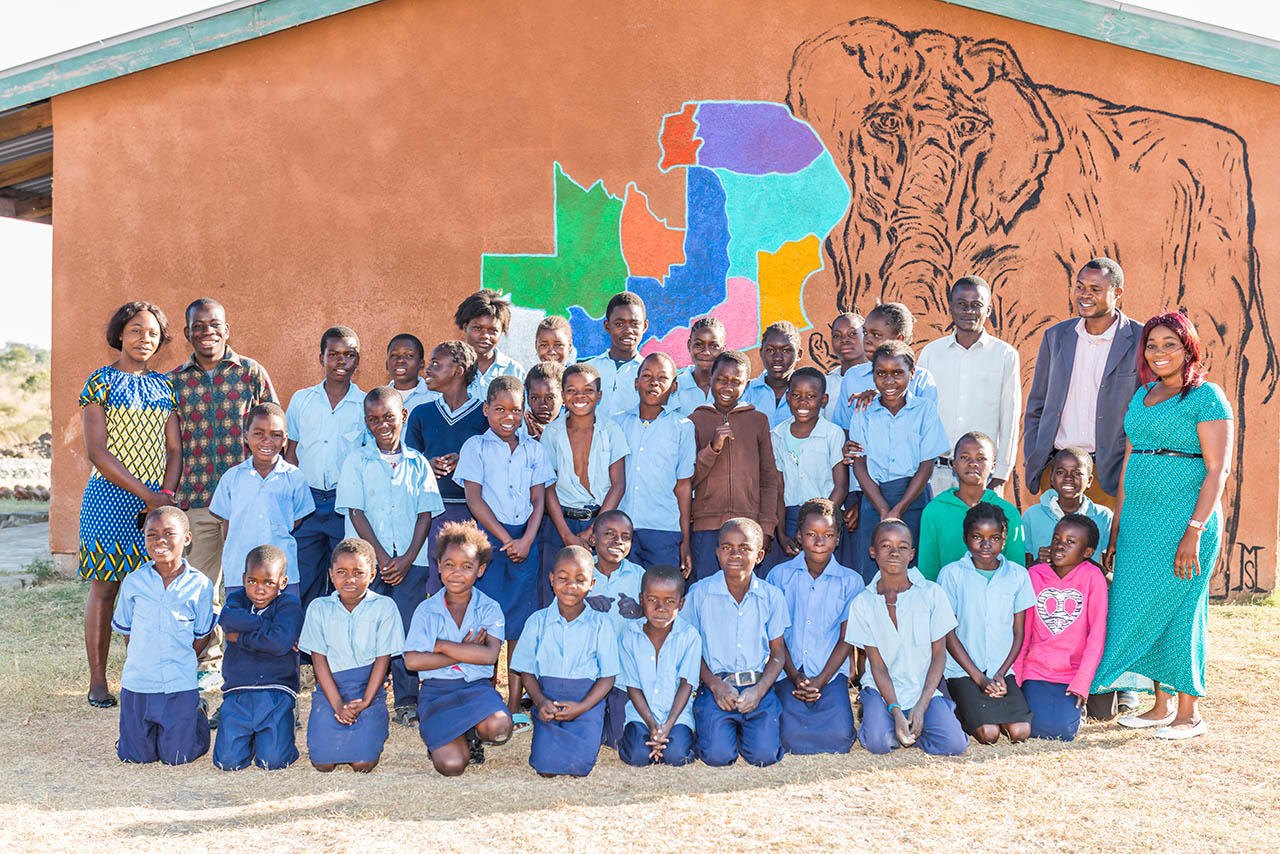
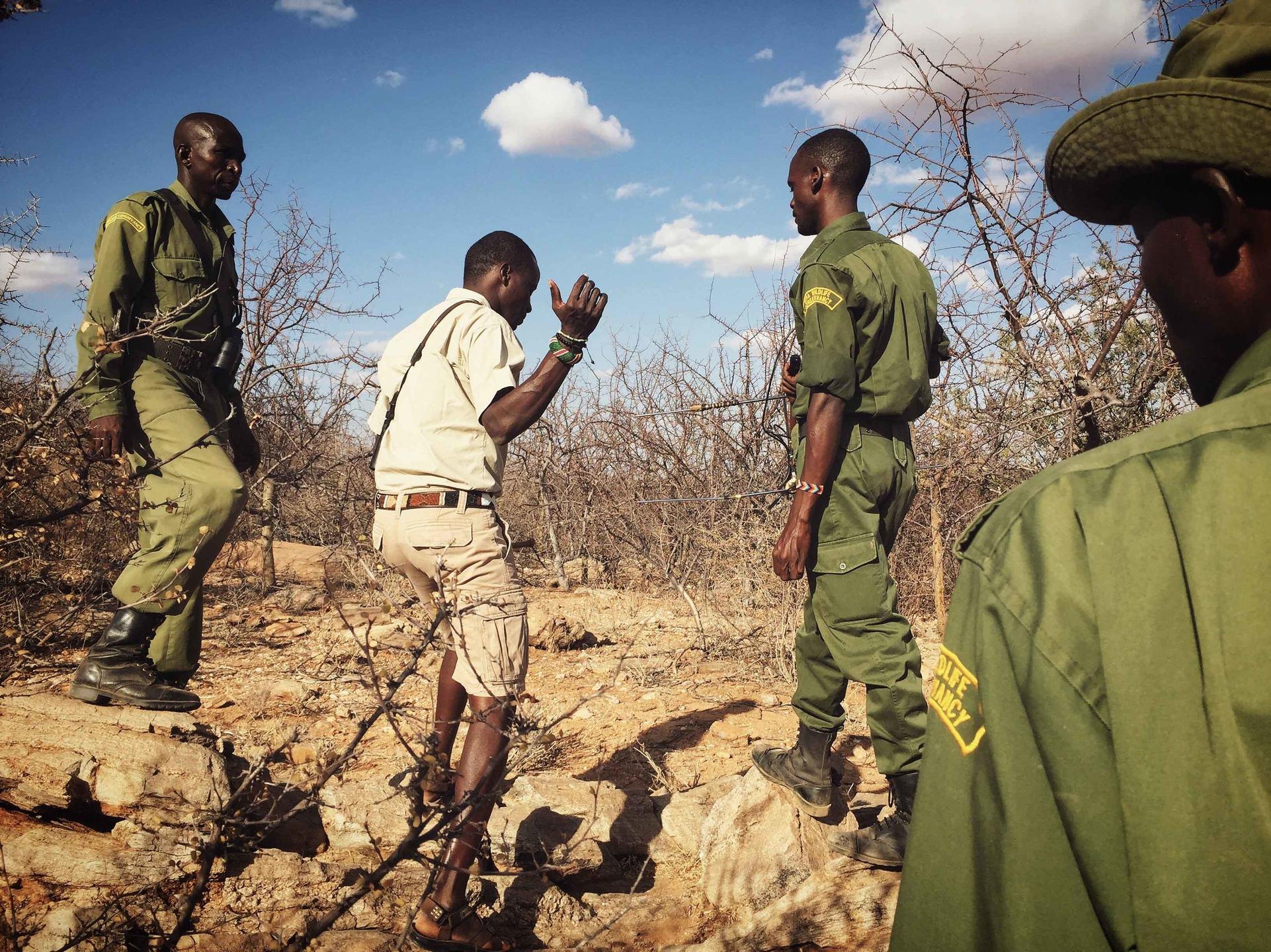
Zambia
Conservation holds more strongly when communities benefit alongside landscapes.
Coexistence matters more than slogans
One of the most serious conservation questions is whether people can live alongside wildlife in ways that are viable over time. That may mean education. It may mean employment. It may mean shared incentives around land use, water, and wildlife protection. In East Africa, including areas around Amboseli, the wider question of coexistence between farming communities and wildlife is not theoretical. It is daily life.
When tourism helps create a framework in which that coexistence is possible, it becomes part of the conservation story. When it ignores those realities and sells only scenery, it becomes part of the problem. This is where the industry often becomes too simplistic. Beautiful wilderness is easy to photograph. Living systems of people, wildlife, pressure, and compromise are harder to package. But they are the real thing.
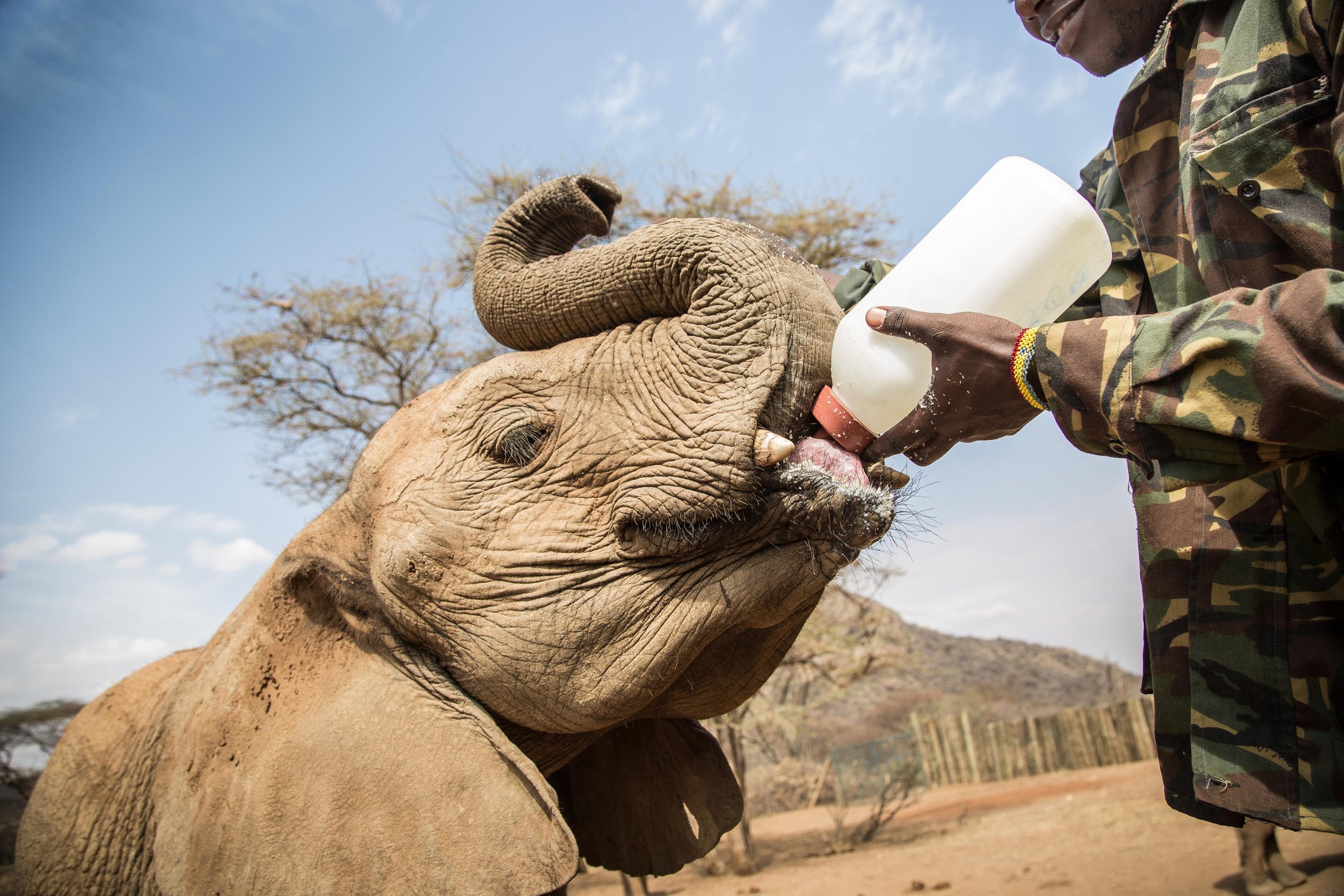
East Africa
The real conservation story includes people, wildlife, and the systems that allow both to endure.
Where the industry still gets it wrong
The biggest mistake operators make is confusing beauty with ethics. A remote camp in a dramatic landscape may still have weak ecological standards, shallow community relationships, poor density control, or a conservation story built more on implication than evidence. Guests often do not see those gaps because the visible parts of safari are so polished.
That is why responsible travel requires more than taste. It requires scrutiny. What is being protected, exactly? How is it funded? Who benefits? How is pressure controlled? What happens in weak seasons? What is the long-term land logic? Where does anti-poaching fit? How seriously is rewilding treated? What is the actual relationship between guest access and ecological protection?
Those are not hostile questions. They are adult ones.
Private travel can be worth defending, but not automatically
There is no need to romanticise this. Tourism does not solve everything. It does not erase political failure, land pressure, poaching risk, inequality, or the compromises built into modern conservation. But private travel can absolutely be worth defending when it creates real economic reasons to protect land, fund wildlife security, maintain low-density access, and support people living closest to these landscapes.
That defence becomes credible only when the standards are real. This is why thoughtful safari planning matters. It is not only about finding the most beautiful camp or the most photogenic landscape. It is about understanding which operators take the burden of stewardship seriously and which simply borrow the language.
Final thought
Private travel does not owe conservation sentiment. It owes discipline. It owes money, yes, but also limits. It owes land protection, not just land access. It owes serious community partnership, not just the appearance of local connection. It owes wildlife more than proximity. And it owes travellers the truth, which is that responsible safari is more complicated, more demanding, and ultimately more meaningful than most marketing suggests.
Beautiful wilderness is only the beginning. What matters is what is being protected, how, and for whom.
If you want to travel in a way that values stewardship as much as experience, enquire privately.
Continue reading
For a clearer look at how access rules shape safari on the ground, read Private Conservancies vs National Parks: What Actually Changes the Experience.
For a more personal perspective on privacy, atmosphere, and why certain journeys feel different, read What It Means to Disappear Well: Choosing Africa with Intention.
If you want the wider regional context as well, continue with LGBTQ+ Travel in Southern Africa: Where It Works, Where It Doesn't, and Why.