


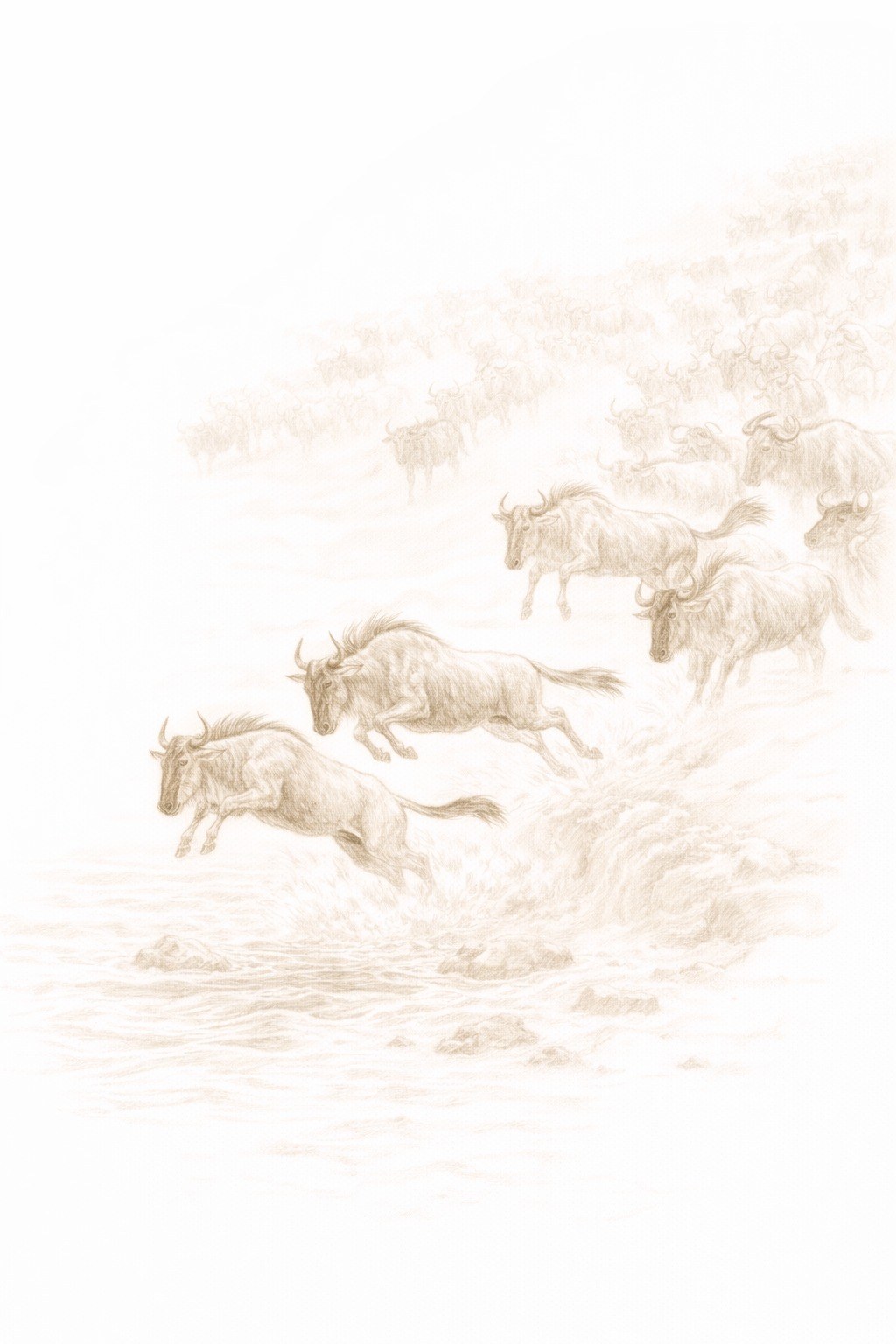



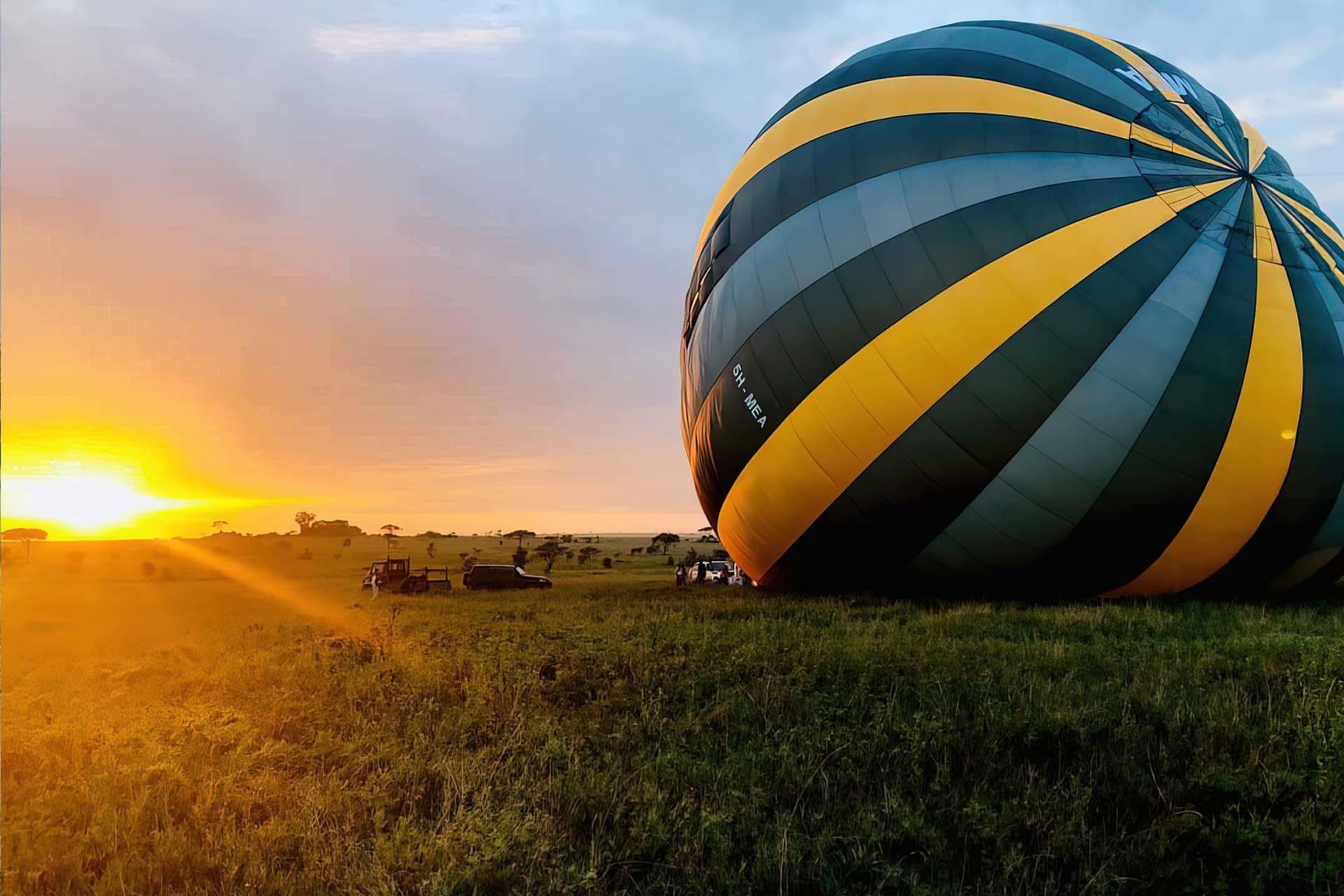
Tanzania is one of the few safari destinations in Africa that still feels genuinely cinematic.
That is partly a question of scale. The Serengeti has room to look like the idea people carry in their heads before they ever arrive in East Africa. Ngorongoro has shape, drama, and a kind of built-in gravity. Zanzibar, when used well, offers an entirely different register at the end of a journey. Together, they create one of the continent's most recognisable travel arcs.
But Tanzania works best when it is handled with more intelligence than its reputation often encourages. Its strength is not only spectacle. It is the ability to turn that spectacle into a journey with rhythm, polish, and contrast.
The Serengeti is about scale, but also editing
The Serengeti earns its reputation. That is not the issue.
The issue is that many travellers approach it as if the point were simply to witness the biggest possible version of safari. In practice, what matters far more is how the experience is structured. Where you stay, how much movement is built into the itinerary, what season you are travelling in, and how much density you are willing to tolerate all shape the experience as much as the landscape itself.
At its best, the Serengeti feels immense, legible, and emotionally clean. The horizons are long. Wildlife sits inside a landscape that looks properly proportioned to it. There is theatre here, certainly, but the best version of that theatre is never rushed. It unfolds through space.
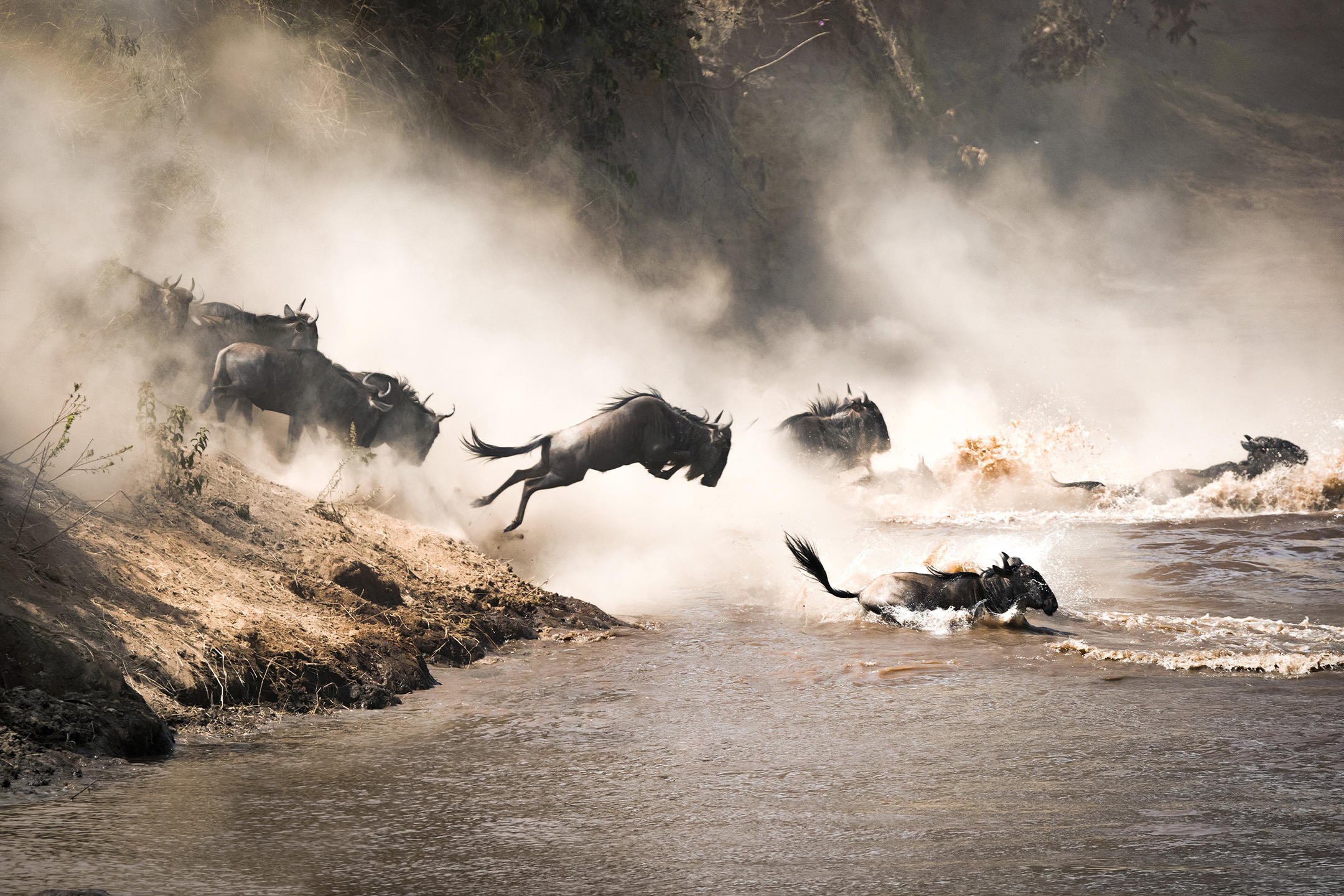
Serengeti
Ngorongoro brings drama, concentration, and a different kind of intensity
If the Serengeti is expansive, Ngorongoro is structured.
The crater has a natural concentration to it that makes the experience feel different almost immediately. Sightings can come faster. The landscape feels held rather than open-ended. For some travellers, that intensity is part of the appeal. For others, it is best used as contrast rather than the dominant rhythm of the journey.
That is why Ngorongoro works best when it is understood for what it is: not a replacement for the Serengeti, but a completely different kind of safari mood. More compressed. More dramatic. More immediate. The mistake is to treat Tanzania's northern circuit as one long undifferentiated wildlife story. The stronger approach is to understand how each landscape changes the texture of the journey.
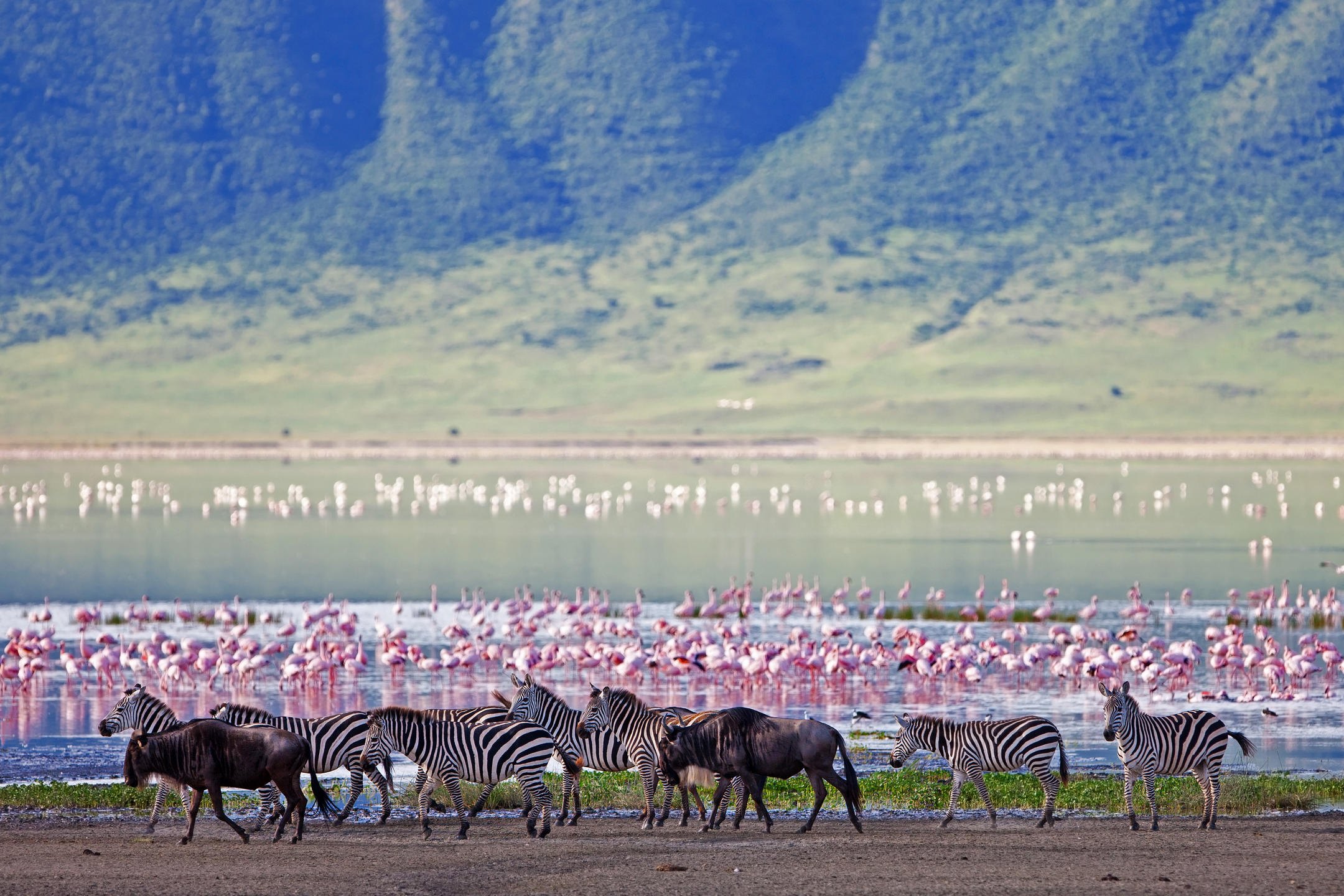
Ngorongoro
Tanzania is strongest when the journey has shape
This is where luxury travel starts to matter.
Tanzania is not difficult to sell. It is much harder to shape well. The strongest itineraries know when to lean into movement and when to slow down. They know how to avoid turning the journey into a parade of famous names. And they understand that privacy, access, and pacing matter just as much in East Africa as they do anywhere else.
For first-time safari travellers especially, Tanzania can be overwhelming if every day is built around the biggest possible sighting story. The better version is more composed. It allows scale to breathe. It gives each landscape its own role. It understands that the right camp or lodge is not just a place to sleep, but part of how the journey metabolises what the day has shown you.
That is also the logic behind The Private Circuit, which treats Tanzania not as a checklist of famous names, but as a composed narrative of safari scale, softer interludes, and a cleaner emotional finish.
This is also where access and density become more important than most travellers realise. Even in iconic safari settings, the experience changes depending on how the safari is structured and how much traffic a particular area attracts. The principle is the same one we outline in Private Conservancies vs National Parks: What Actually Changes the Experience, even if East Africa expresses those distinctions differently on the ground.
Zanzibar is not an add-on. It is the release valve
Zanzibar is often treated too casually in Tanzania itineraries, as if it were simply where one goes to recover after safari.
Handled lazily, that is all it becomes. Handled well, it changes the emotional finish of the trip. It softens the pace. It shifts the sensory register from dust, grass, and game drives to ocean air, architecture, texture, and slower time. That contrast is one of Tanzania's great strengths.
The point is not just beach. It is release. After the visual and emotional concentration of safari, Zanzibar gives the journey space to settle. That is why it works so well at the end of a well-built itinerary. It is not an afterthought. It is part of the design.
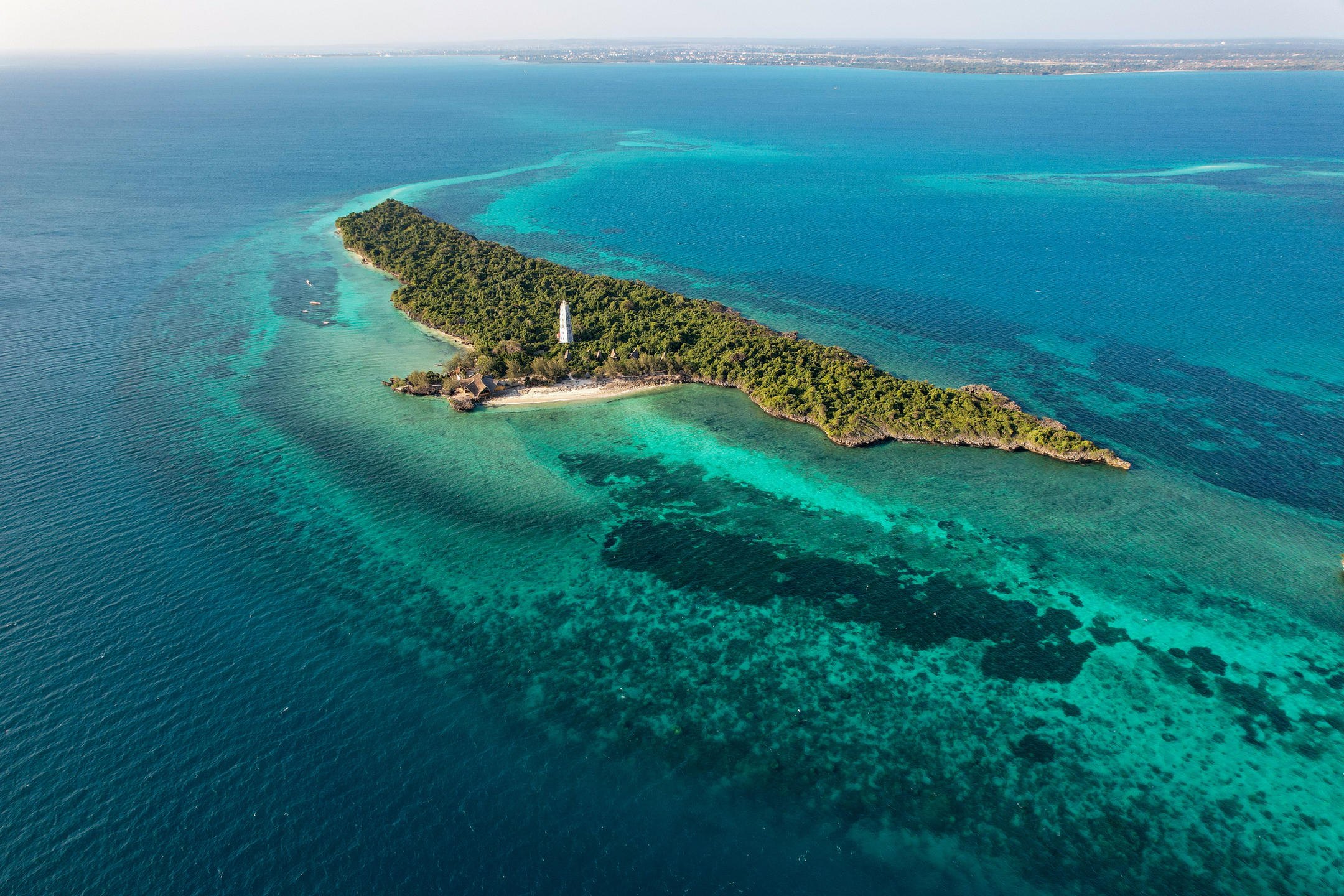
Zanzibar
Tanzania is iconic, but it should not feel generic
This is the balancing act.
Tanzania contains some of the most recognisable safari landscapes in Africa. That is a privilege, but also a risk. Iconic destinations can become flattened by their own fame. They get sold through shorthand. Migration. Crater. Beach. Repeat.
The best Tanzania journeys resist that flattening. They restore texture. They make room for silence between the headlines. They treat the destination not as a sequence of famous names, but as a country with different atmospheres that need to be arranged intelligently.
That is particularly important for travellers who value privacy and ease. Tanzania can absolutely deliver both, but not by accident.
A quieter note on the south
For travellers who already know the northern circuit, southern Tanzania can offer a different kind of appeal.
It is not as iconic in the global imagination, which is partly the point. There is often more space in the narrative, and in some cases on the ground as well. But it plays a different role and should not be forced into every conversation about the country. For most first-time Tanzania journeys, the north still makes the clearest sense. The southern circuit is better understood as a return-traveller conversation.
Why Tanzania still matters so much
Tanzania matters because it still delivers scale in a way very few destinations do.
Not scale as bragging rights, but scale as emotional architecture. The Serengeti lets wildlife and horizon exist in the same sentence properly. Ngorongoro gives form and intensity. Zanzibar offers a gentle finish that prevents the whole trip from becoming one-note. Very few destinations can carry that range while remaining so visually distinct at every stage.
That is why Tanzania remains one of East Africa's most persuasive journeys. Not because it is loud, but because when it is handled well, it becomes complete.
Final thought
Tanzania is at its best when it feels composed rather than consumed.
The famous names are real, and deserved. But the quality of the journey depends on what is done between them, around them, and after them. That is where privacy, pace, and taste still matter most.
For travellers drawn to East Africa's more cinematic side, Tanzania remains one of the finest places to begin.
Plan Your Tanzania Journey
For travellers drawn to Tanzania's scale, atmosphere, and safari-to-sea rhythm, explore The Private Circuit or enquire privately to begin shaping a journey with more privacy, better pacing, and a cleaner finish.
Continue reading
For a deeper look at how access, density, and safari structure change the experience on the ground, continue with Private Conservancies vs National Parks: What Actually Changes the Experience.
For a regional contrast from a Southern Africa lens, read LGBTQ+ Travel in Southern Africa: Where It Works, Where It Doesn't, and Why.
.png&w=2400&q=86)