For a wider view of ecosystems, camp selection and seasonality, explore our Botswana safari and destination guide.
The Okavango in dry season is often described in terms of timing. Peak months. Water levels. Wildlife density. All of that matters, but it is not the whole story.
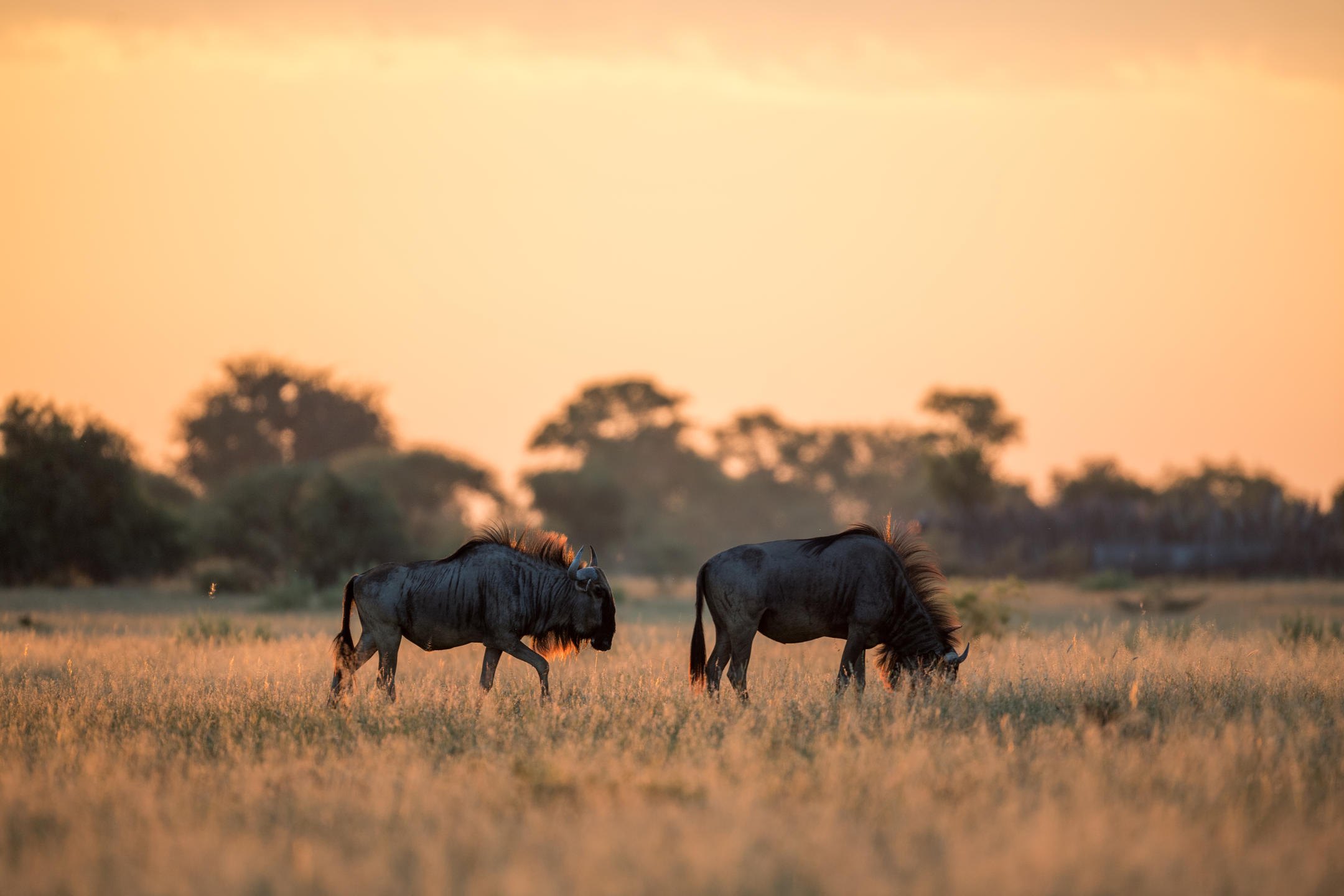
What makes the Delta so compelling between May and October is not simply that it becomes better. It becomes more focused. As the surrounding landscapes dry out, the Okavango holds its shape as a green oasis filled with life. Water remains. Movement narrows. Wildlife gathers. The experience sharpens.
For travellers drawn to quieter, more private safari experiences, that concentration matters. Not because the Delta empties out in dry season. It does not. This is one of the most sought-after periods to be there. What changes the experience is how it is planned. Private access, remote positioning, and the quality of the guiding matter far more than the season alone.
Why the Okavango changes in dry season
Dry season strips away distraction. As seasonal water elsewhere recedes and the surrounding bush dries out, the Delta becomes a point of convergence. It holds colour, movement, and life when much of the wider landscape has thinned. That contrast is part of what makes the Okavango feel so alive at this time of year.
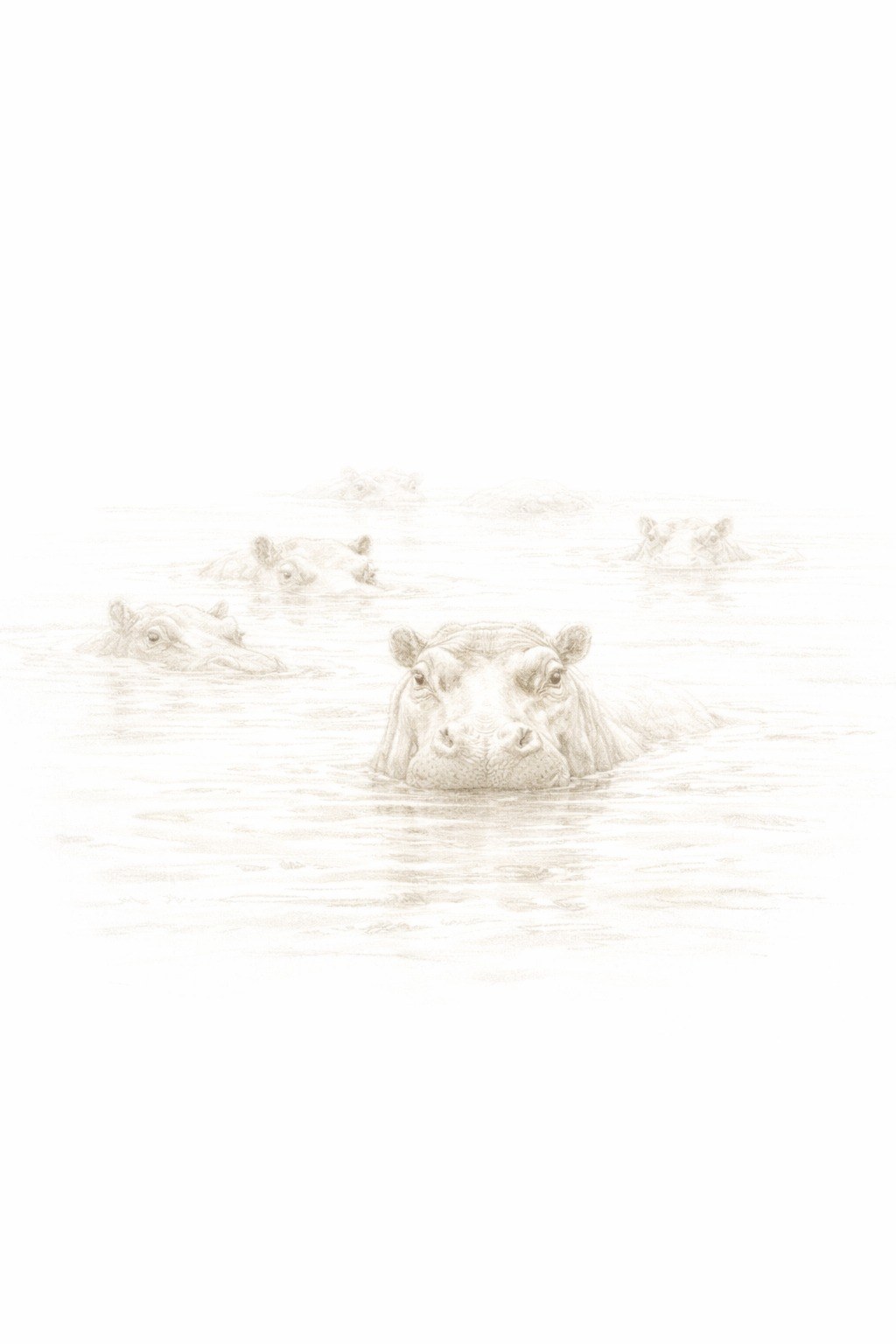
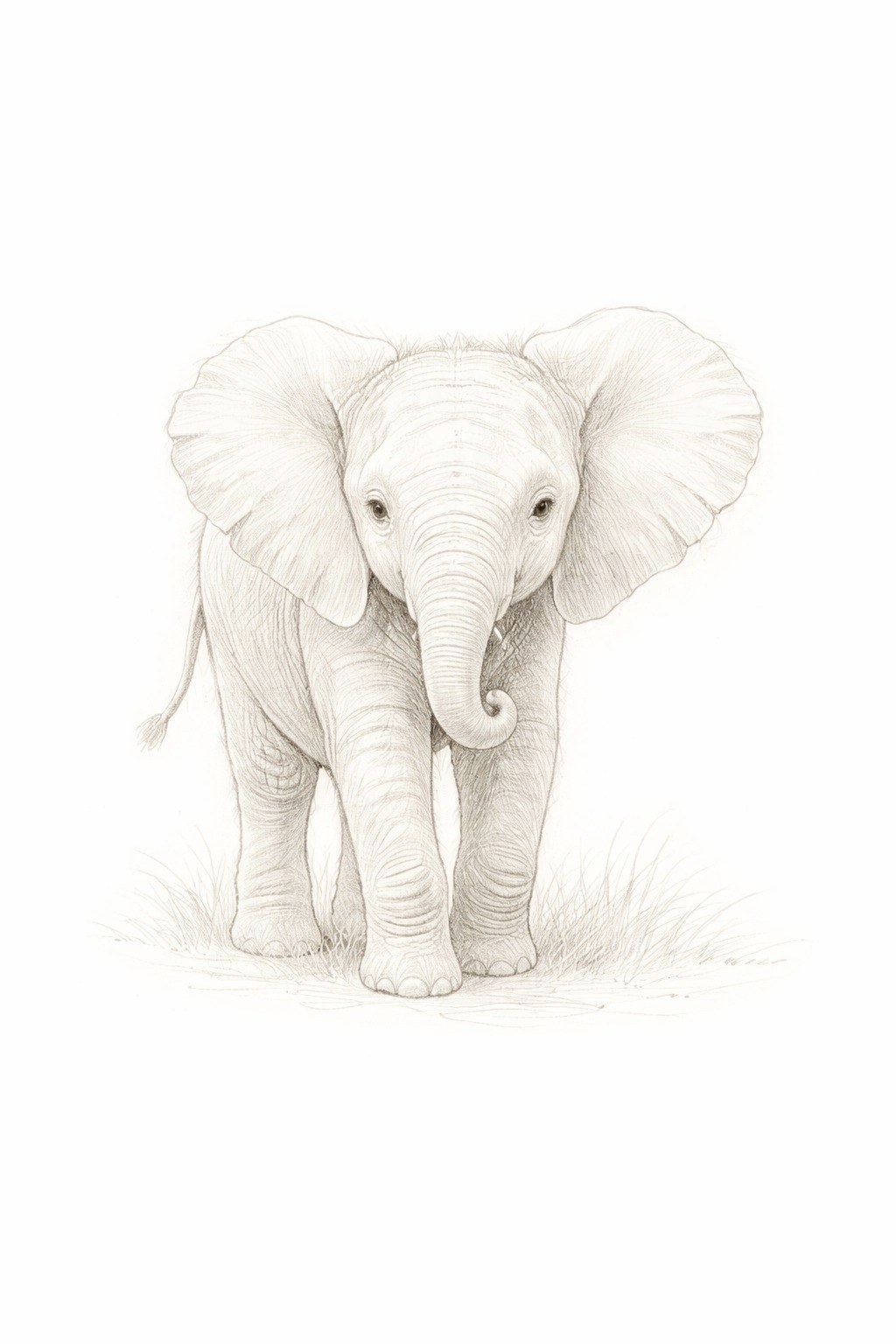
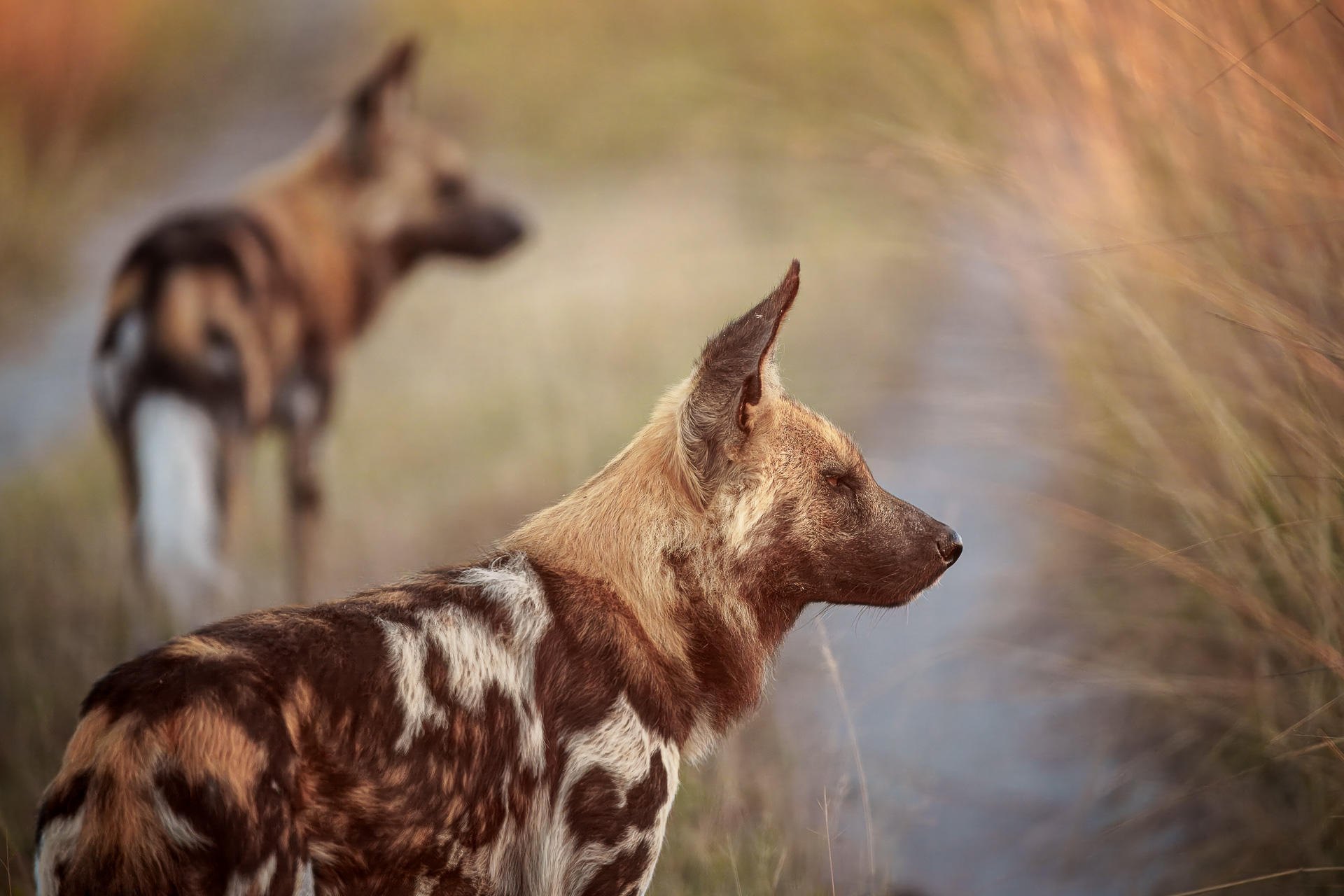
Elephants move through the channels and swim between islands. Hippos gather tightly in deeper pools. Predator activity becomes more legible because prey movement is more concentrated and the landscape itself is easier to read. The result is not only stronger viewing, but a greater sense of coherence. The bush tells a cleaner story.
This is one of the reasons the Okavango in dry season appeals so strongly to travellers who want the safari experience to feel immersive rather than busy. There is less visual excess and more clarity.
Better sightings are only part of the point
A good dry-season safari is not only about what you see. It is about how you see it. When wildlife movement becomes more concentrated, guiding quality matters even more. The best guides are not simply delivering sightings. They are reading behaviour, interpreting pressure, and understanding how to position a drive or a water-based activity so that the experience feels intelligent rather than rushed.
This is where the Delta can become extraordinary. Dry season has a way of rewarding precision. A guide who understands the rhythm of a territory can turn a morning into something layered and quietly thrilling, not because there is constant drama, but because everything feels connected.
For the right traveller, that is far more memorable than chasing volume. The point is not to accumulate sightings. It is to feel that the landscape is revealing itself in an ordered, comprehensible way.
How dry season opens up the Delta
One of the strengths of the Okavango in dry season is not only what you see, but how many different ways you can move through it. As channels become more defined and wildlife gathers more predictably around permanent water, the Delta lends itself to a broader range of experiences that each reveal something different.
Speedboat safaris bring a sharper sense of pace and reach, especially when moving between channels and islands where the contrast between dry land and water feels most pronounced. Mokoro excursions slow everything down again, stripping the experience back to silence, reeds, birdlife, and the subtler texture of the Delta at water level.
Okavango Delta
From above, scenic helicopter flights give the clearest possible read on the season itself. You see the geometry of the floodplains, the isolation of the islands, the animal paths, and the way life concentrates around water when everything beyond it begins to thin. On the ground, walking safaris offer a more intimate understanding of the environment, where tracks, pressure, and small changes in the bush become far more visible in the dry months.
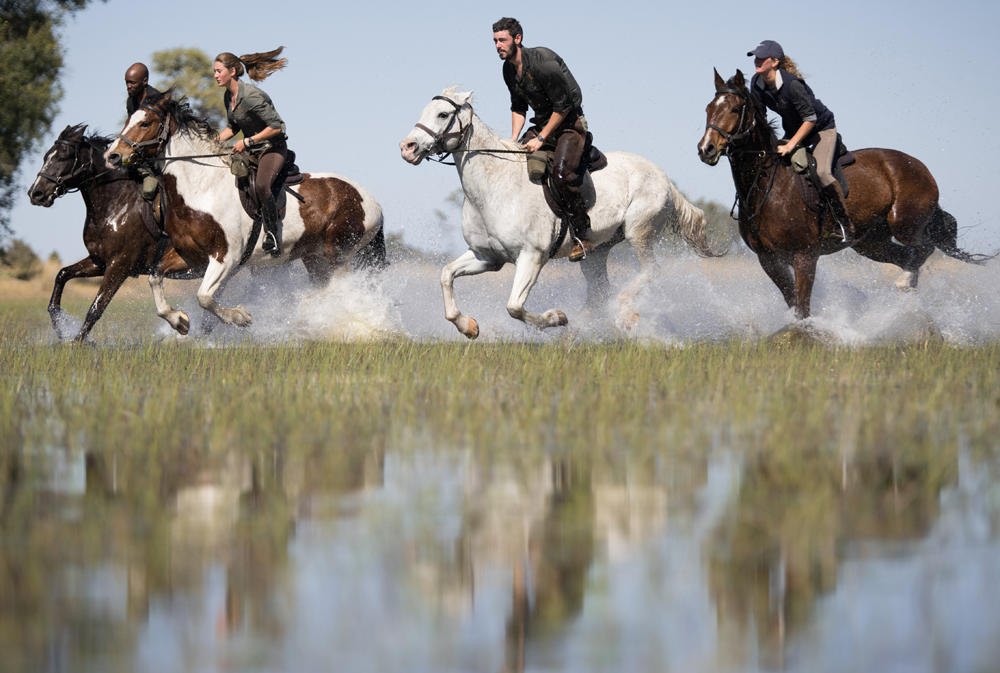
Horse riding, in the right areas and with the right operators, adds yet another dimension. It is one of the most elegant ways to experience the Delta, quieter than a vehicle and immersive in a completely different register. This is part of what makes dry season in Botswana so compelling. The experience is not one-note. It has range.
Botswana
When that range is paired with private access and strong guiding, the Delta feels not only richer, but more intelligently explored. Each activity is doing a different kind of work, which is exactly why the journey can feel so complete without ever becoming loud.
Privacy in peak season is a planning question
This is where most generic safari content gets lazy. Dry season is popular for good reason. But popularity does not automatically mean crowding if the journey is designed properly. The real distinction is not between busy season and quiet season. It is between general access and private access, between generic routing and intelligent positioning.
For Mason & Wild, that is where the work begins. The right areas, the right camp, the right rhythm, and the right degree of seclusion matter more than broad statements about when to go. Clients who value privacy do not need the entire Delta to be empty. They need to be in the part of it that still feels calm.
For LGBTQ+ travellers especially, that difference is not cosmetic. Privacy changes how a safari feels. It reduces social friction. It creates more ease. It allows the landscape to do what it does best.
The mood of the Delta between May and October
There is a particular mood to the Okavango in dry season that is easy to flatten into safari cliches if you are not careful. It is not simply golden light and strong game viewing. It is a feeling of concentration. The water becomes more meaningful because it is surrounded by dryness. Shade matters more. Movement matters more. Even the abundance feels edited.
That is part of the Delta's appeal at this time of year. It offers drama without noise. Richness without chaos. For travellers who are looking for a safari that feels both alive and composed, this is often when the Okavango is at its most persuasive.
Why this season suits privacy-led travellers so well
For travellers who want quiet over theatre, dry season can be particularly rewarding. The landscapes are easier to read. The wildlife story is tighter. The guiding has more edge to it. And when the trip is built around remote areas with private access, the experience can still feel remarkably private even during one of Botswana's most desirable safari periods.
That is the key distinction. Dry season itself does not create privacy. Good trip design does. For travellers drawn to that particular rhythm of privacy, immersion, and emotional ease, The Intimate is the journey in our collection that speaks most directly to this side of Botswana.
Final thought
The Okavango in dry season does not ask for exaggeration. It simply asks to be understood properly. Between May and October, the Delta becomes more concentrated, more legible, and in many ways more emotionally compelling. The wildlife gathers. The water holds. The landscape sharpens. But the difference between a good safari and a deeply restorative one still comes down to planning.
For travellers drawn to Botswana at that quieter, more private register, explore The Intimate.
Continue reading
For a broader perspective on privacy, remoteness, and what makes certain African journeys feel different, read What It Means to Disappear Well: Choosing Africa with Intention. For the wider regional view, LGBTQ+ Travel in Southern Africa: Where It Works, Where It Doesn't, and Why adds the legal, social, and hosting context around Botswana's place in the region.