




Many luxury trips fail not because they are uncomfortable, but because they are too exposed.
That exposure takes different forms. Sometimes it is literal, a crowded lodge, a safari sighting with too many vehicles, a restaurant or pool scene that asks the guest to perform sociability when what they really want is ease. Sometimes it is more subtle, an overmanaged hospitality style, an itinerary with too much movement and too little breathing room, a journey built to look desirable rather than to feel restorative.
This is why privacy matters more than luxury travel often admits. Privacy is not only about exclusivity. It is about the relief of not feeling watched.
Privacy is not secrecy
One of the reasons privacy is often misunderstood in luxury travel is that it gets confused with withdrawal. That is too narrow. Most thoughtful travellers are not looking to disappear from the world entirely. They are looking to move through it without friction. They want to settle into a place without feeling observed by other guests, overhandled by staff, or placed constantly inside moments designed to be seen rather than genuinely enjoyed.
This is why privacy is not secrecy. It is a different quality of ease. It is the feeling of being able to exhale into a trip instead of managing yourself inside it.
The best journeys do not overexpose the guest
A great trip should not ask too much social labour from the person taking it. It should not require them to navigate loud common spaces they never asked for, perform enthusiasm in group-facing settings, or absorb a level of guest density that quietly changes the tone of the experience. Nor should it rely on a type of service that mistakes constant visibility for attentiveness.
Some of the weakest versions of luxury are highly exposed. They are full of movement, spectacle, and obvious signs of value, but very little room to settle. They can look impressive and still feel tiring.
This is where privacy becomes less about category and more about design.
Privacy is also a matter of route design
A journey can lose its privacy long before the guest reaches the first property. It happens in sequencing. In too many transitions. In public-facing settings being chosen where quieter ones would have done the work better. In safari areas with more vehicle pressure than the client actually wants. In urban stays where a sense of scene has been prioritised over emotional ease. In transfers and arrival moments that have not been thought through properly.
Good route design absorbs some of that pressure before it reaches the traveller. It understands which parts of a trip should feel expansive, which should feel quiet, and where a guest is likely to feel more or less observed. This is one of the reasons privacy-led travel design matters so much. The right journey does not only show you beautiful places. It changes how those places land.
Safari Space
Botswana is one of the clearest expressions of privacy done well
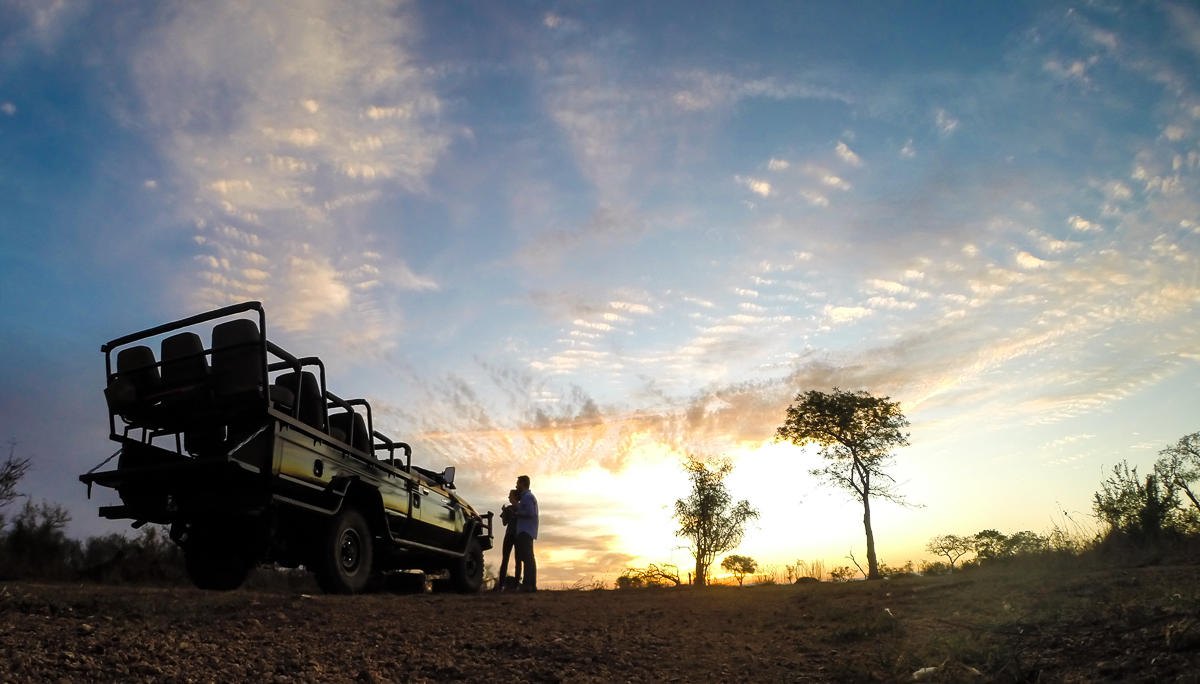
Botswana remains one of Africa's strongest examples of privacy as experience rather than marketing. The best parts of Botswana do not feel private because they announce it loudly. They feel private because the rhythm is different. Smaller camps. More space. Less visual noise. More water. More silence. More time spent inside the texture of a landscape rather than on display within it. Even strong wildlife moments often arrive through atmosphere rather than spectacle.
This is part of why Botswana suits privacy-led travellers so well. It allows the safari to feel absorbing rather than performative. For a fuller Botswana perspective, read Destination Notes: Botswana.
Namibia offers a different kind of relief
If Botswana expresses privacy through immersion, Namibia often expresses it through space. The scale of the landscape changes the emotional experience almost immediately. The horizon lengthens. The social stage falls away. Architecture matters more because it can either support the silence or disrupt it. The best Namibian journeys feel generous with distance and measured in tone. They allow travellers to feel held by the place without being crowded by it.
That is why Namibia matters in this conversation. It shows that privacy is not always about enclosure. Sometimes it is about spaciousness. For a fuller reflection on that kind of relief, read On Solitude and the Architecture of Silence in Namibia.
Public ease matters too
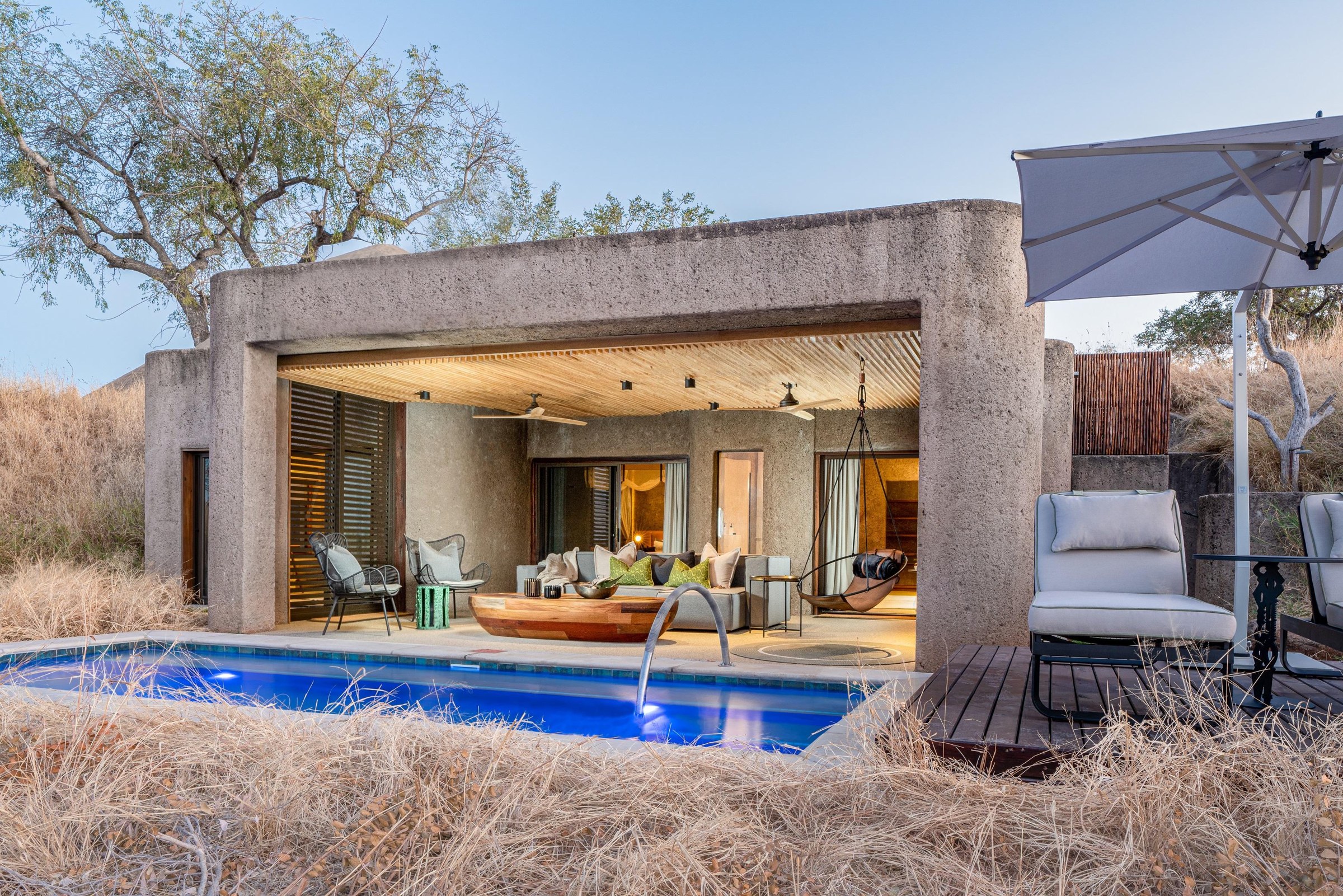
Privacy does not always mean being remote. Sometimes it means being in a city or social setting that still allows you to feel unobserved in the right way. A calm hotel. A private villa. A restaurant where the atmosphere is assured rather than performative. A place where public life exists, but does not press itself onto the guest too aggressively.
This matters especially for travellers who want a blend of privacy and vitality rather than total retreat. The strongest journeys know how to combine both. They understand that privacy can exist inside a city as much as in the bush, provided the guest is not being crowded by spectacle or expectation.
Loud hospitality is not the same as good hospitality
This is one of the most under-discussed problems in luxury travel. Some properties and service cultures assume that visibility equals care. More check-ins. More performance. More interruption. More theatrical gestures. But good hospitality often feels quieter than that. It is intelligent enough to notice without hovering. Present without intruding. Confident enough not to keep proving itself.
For privacy-led travellers, this matters enormously. The best service removes effort. It does not create a new form of it.
Why this matters so much now
Luxury travel has become increasingly visible. More photographed. More signalled. More publicly consumed as identity. That has changed the way many trips are built. Places are chosen because they read well from the outside. Itineraries are structured for impact. Experiences are selected for narrative value. None of that is always wrong, but it can move a journey away from the thing many travellers actually need most, which is space to feel like themselves without interruption.
That is why privacy remains one of the most undervalued luxuries in travel. It cannot be reduced to square footage or price point. It is felt in rhythm, density, service, atmosphere, and the absence of unnecessary exposure.
Final thought
The best journeys do not only impress. They let you settle. They understand that privacy is not a decorative extra or a status signal. It is part of what allows travel to become restorative in the first place. It is the quiet relief of not feeling watched, crowded, or constantly placed inside somebody else's idea of desirability.
That is what makes a journey feel truly luxurious.
For a deeper reflection on this idea, read What It Means to Disappear Well: Choosing Africa with Intention. If you want your travels shaped with that same attention to privacy and ease, enquire privately.